Artwork
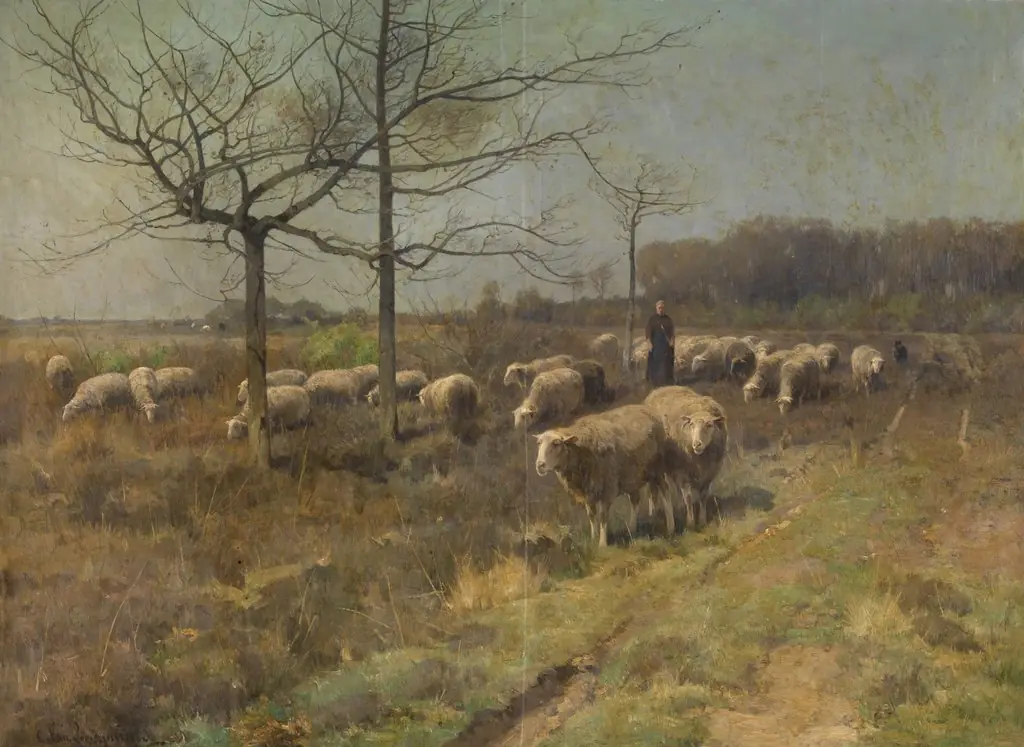
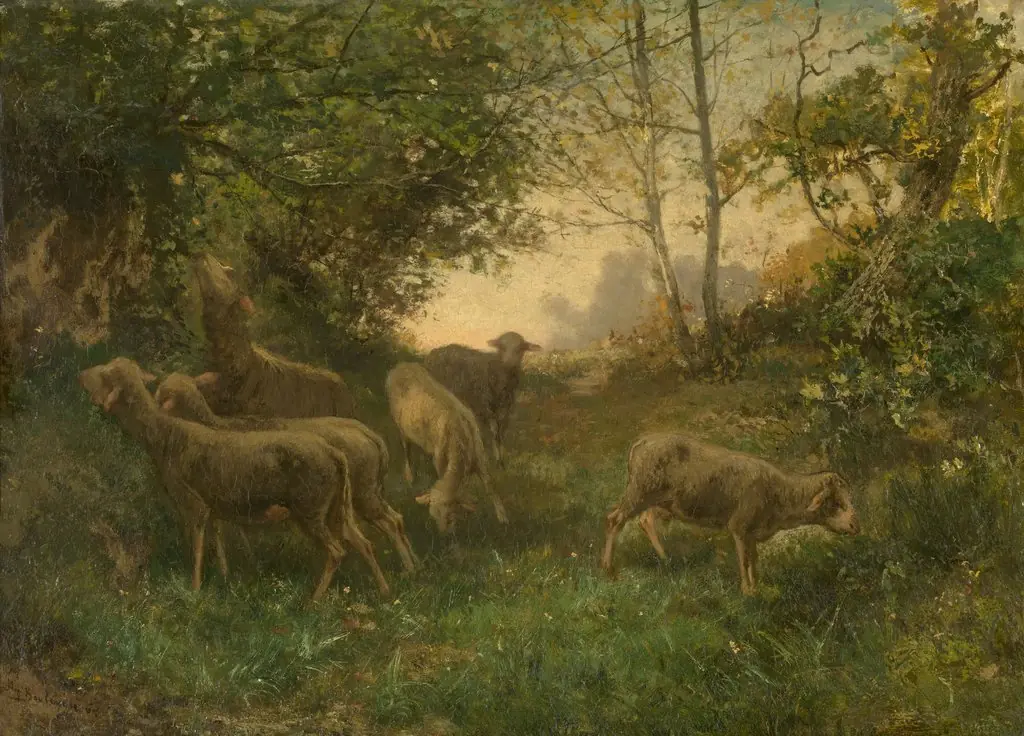
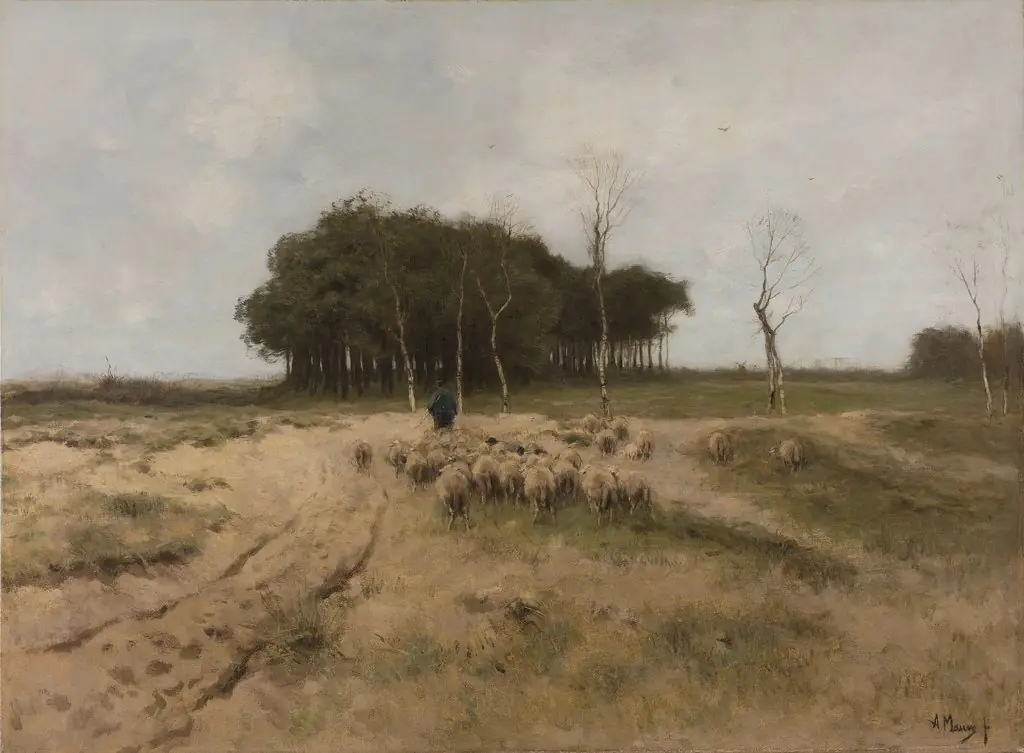
En hyrdedreng med sine får ved Cività d'Antino
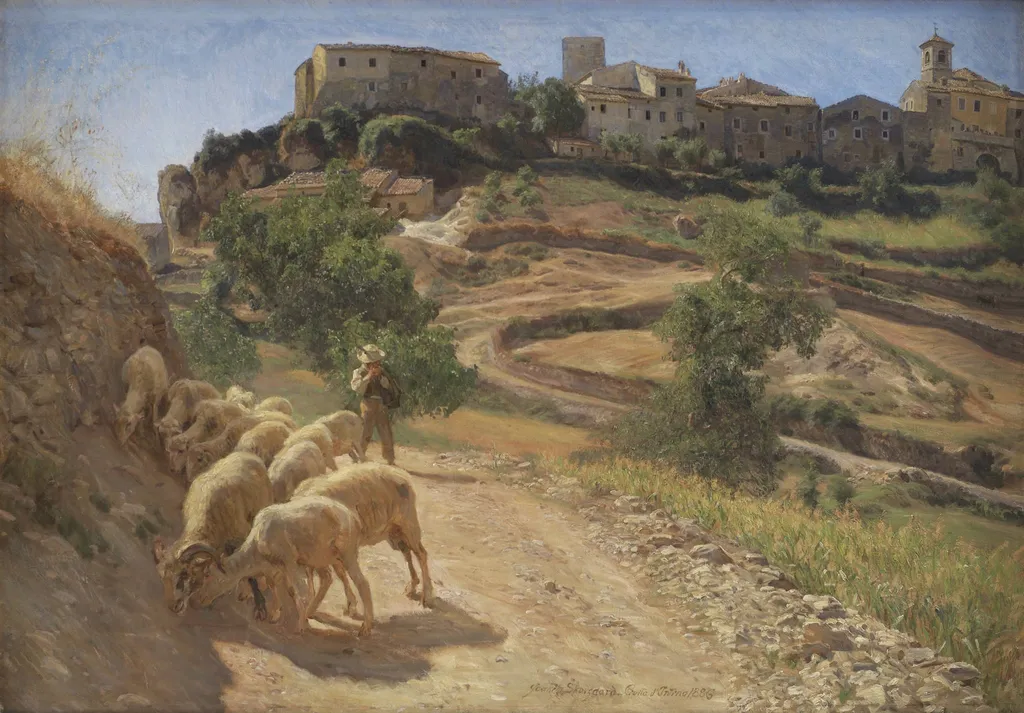
En hyrdedreng med sine får ved Cività d'Antino is a photography by the Impressionist artist Unknown. It dates from 1886 and is held in the collection of the Statens Museum for Kunst.
About this work
Overview
Painted in 1886 by an artist associated with Scandinavian realism, this work depicts a shepherd guiding his flock along a sunlit path near Cività d'Antino.
Painted in 1886 by an artist associated with Scandinavian realism, this work depicts a shepherd guiding his flock along a sunlit path near Cività d'Antino. Executed in oil, the painting is part of the Museum of Ethnography’s collection. It captures a quiet, unidealized moment of rural labor, emphasizing the relationship between human activity and the landscape rather than dramatic narrative or symbolism.
Subject & Meaning
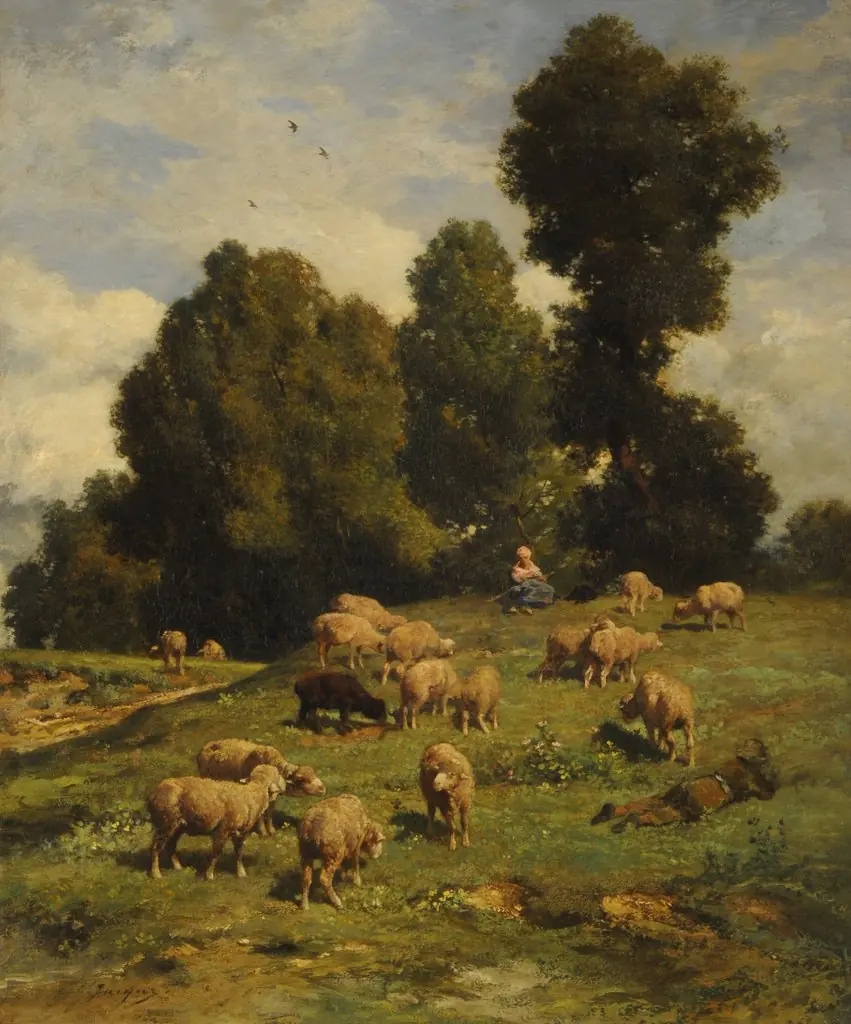
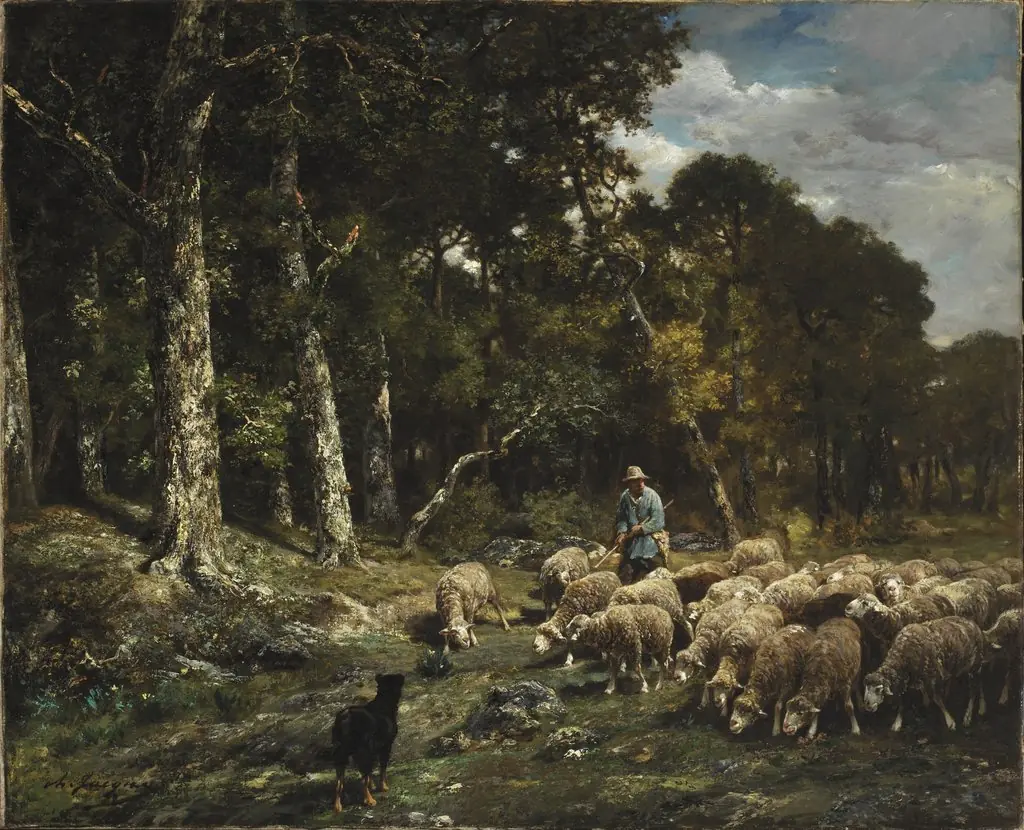
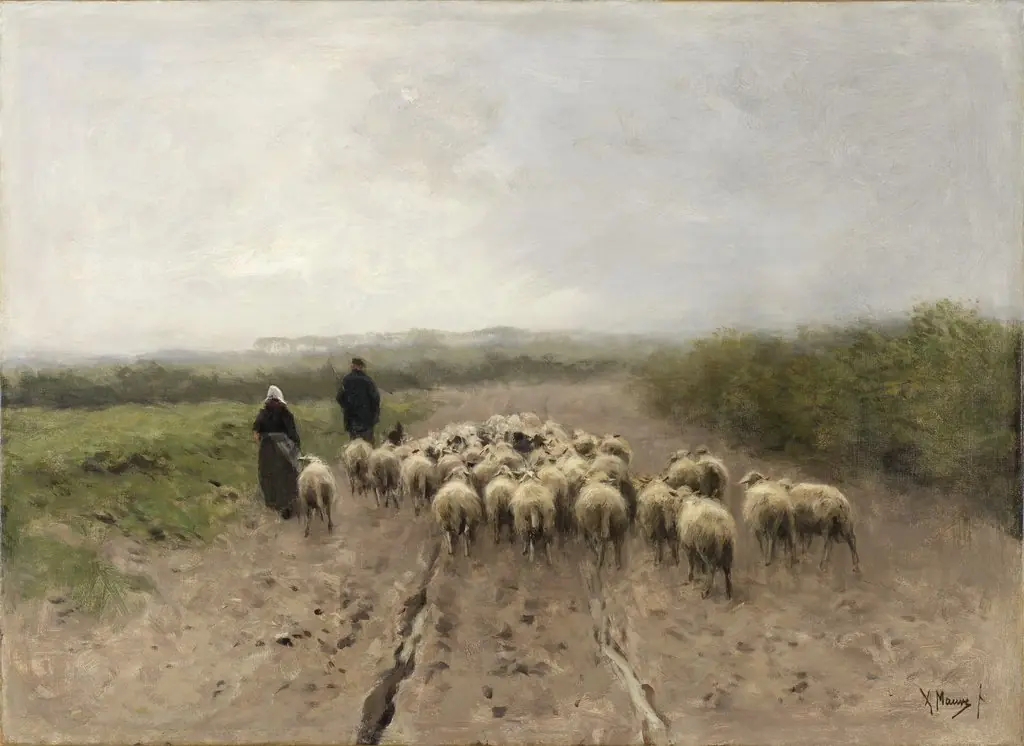
The scene portrays a solitary shepherd and his sheep traversing a rugged, arid slope, suggesting daily endurance rather than romanticized pastoral life. The absence of idealization points to a deliberate focus on authenticity—ordinary work, unadorned terrain, and quiet solitude. The composition invites contemplation of labor in marginal environments, reflecting broader 19th-century interests in ethnographic observation and the dignity of humble existence.
Technique & Style
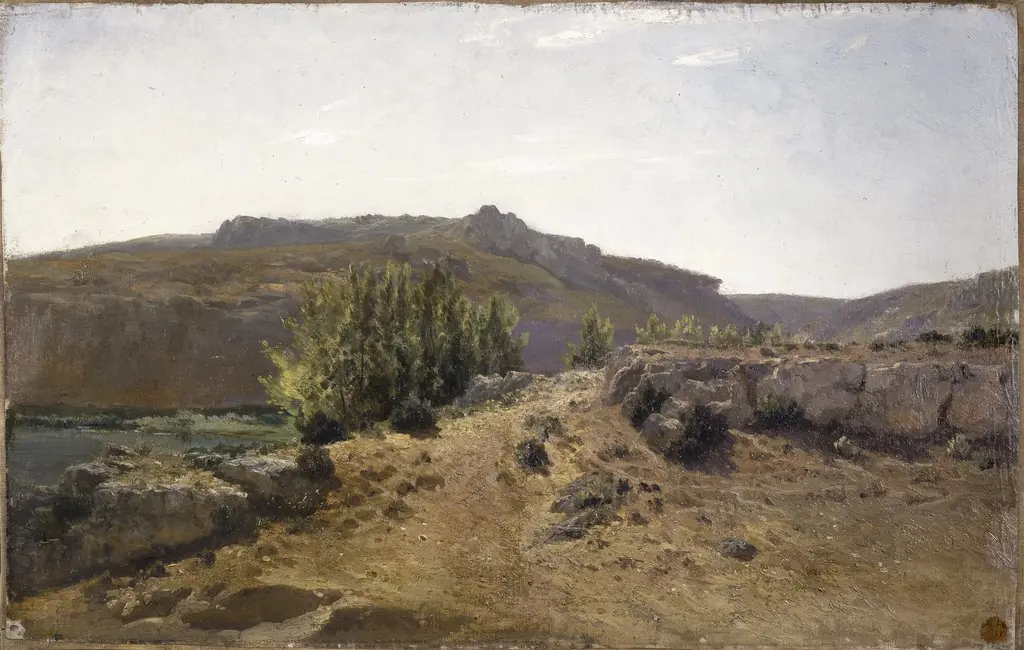
Brushwork is loose yet deliberate, with soft transitions between tones to convey the texture of dry grass, stone walls, and sun-warmed earth. Colors are muted but warm—ochres, pale greens, and dusty browns—enhanced by a luminous sky that recedes into atmospheric perspective. Detail is minimized; form is suggested through light and shadow rather than precise line, aligning with Realist principles of visual truth over ornamentation.
History & Provenance
Created during the artist’s time in Italy, the painting was likely made as part of a broader study of rural life in the Abruzzo region. It entered the Museum of Ethnography’s collection in the late 19th or early 20th century, possibly through academic exchange or donation. Its preservation reflects institutional interest in documenting folk practices and regional economies during a period of rapid modernization.
Context
In the late 1800s, Scandinavian artists increasingly traveled to southern Europe to study light and landscape, often turning to peasant life as subject matter. This work aligns with a wider movement that rejected academic idealism in favor of direct observation. Similar themes appear in the work of French and Dutch Realists, though here the focus is on the specific topography and cultural setting of central Italy’s hillside villages.
Legacy
The painting contributes to a body of work that documented vanishing rural traditions through unembellished observation. While not widely exhibited beyond its institutional home, it remains a quiet example of how Nordic artists engaged with Mediterranean environments to explore themes of labor, place, and continuity. Its value lies in its restraint and fidelity to the rhythms of everyday life.
Artist & collection

 Domestic Scene
 Giacomo and Cardinal Marco, investing Andrea, Abbot of San Zeno, with his Benefice
 The Nymph of Fontainebleau
 Portrait of a Woman
 Madonna and Child with Saints in the Enclosed Garden
 Venus and Minerva
 Family Group of Four on Sofa
 Wall painting from Room H of the Villa of P. Fannius Synistor at Boscoreale