Artwork
Dåben på Pinsedag
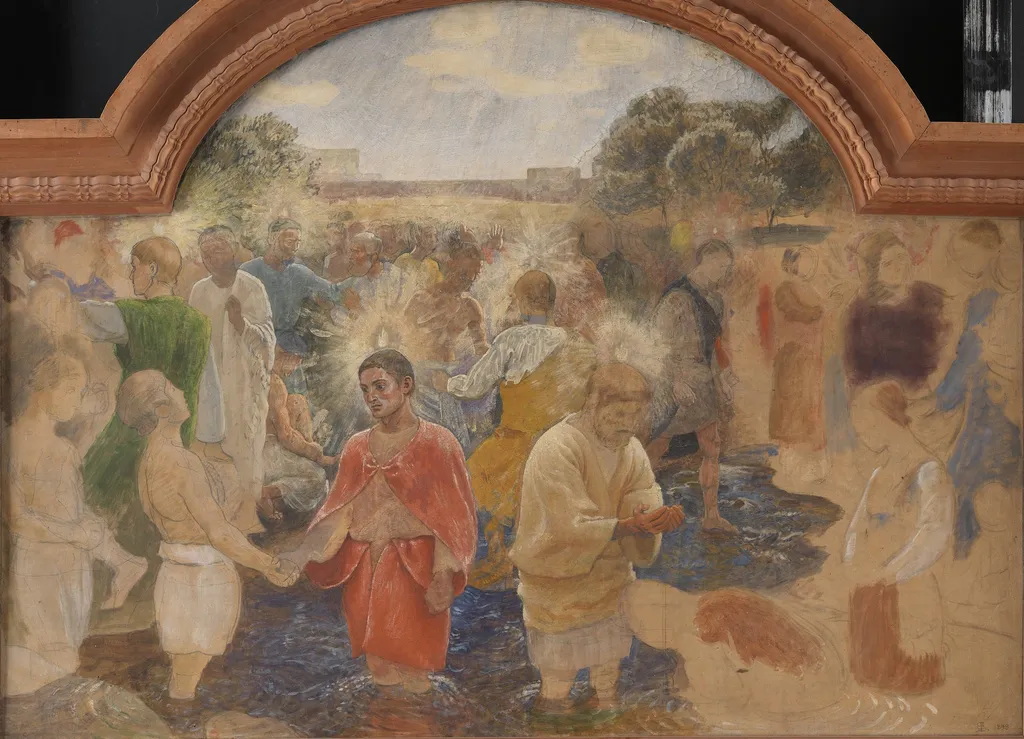
Dåben på Pinsedag is a photography by the Impressionist artist Unknown. It dates from 1898 and is held in the collection of the Statens Museum for Kunst.
About this work
Overview
The composition centers on a figure in a red robe standing in shallow water, surrounded by a group of observers.
Painted in 1898 by 1232_person, Dåben på Pinsedag is an oil-on-canvas work depicting a baptismal scene. It resides in the collection of the Museum of Ethnography. The composition centers on a figure in a red robe standing in shallow water, surrounded by a group of observers. The setting is an open landscape under a clear sky, with trees framing the background. The artist’s focus on natural light and atmospheric detail distinguishes the piece within their body of work.
Subject & Meaning
The scene portrays a baptism occurring on Pentecost, a Christian feast commemorating the descent of the Holy Spirit. The central figure, clad in red, likely represents a clergyman or baptized individual, while the assembled group suggests a community ritual. The outdoor setting and subdued expressions imply a quiet, solemn ceremony rather than a festive one. The work reflects religious practice in a rural or folk context, emphasizing communal participation over grandeur.
Technique & Style
The artist employs careful modulation of light to define form and space, with soft shadows enhancing the texture of fabric and water. The folds of the red robe are rendered with subtle tonal shifts, while the water’s surface captures delicate ripples through fine brushwork. Colors are restrained yet varied, avoiding theatrical contrast in favor of naturalistic harmony. The brushwork is precise but not overly polished, suggesting a deliberate realism grounded in observation.
History & Provenance
Created in 1898, the painting entered the Museum of Ethnography’s collection shortly after its completion. Its acquisition aligns with the museum’s late 19th-century interest in documenting cultural and religious practices across Europe. No record of prior ownership or exhibition exists beyond its institutional custody. The work has remained in the museum’s care since its acquisition, with no known public display prior to the 20th century.
Context
In late 19th-century Scandinavia, artists increasingly turned to everyday religious rituals as subjects, moving away from grand historical or mythological themes. Dåben på Pinsedag reflects this shift, capturing a local rite with ethnographic attention. The painting’s quiet tone mirrors broader cultural movements seeking authenticity in folk traditions, even as industrialization transformed rural life. It stands as a quiet record of a practice still common in remote communities at the time.
Legacy
Though not widely reproduced or studied outside institutional circles, the painting contributes to the understanding of Nordic religious life at the turn of the century. Its preservation in the Museum of Ethnography underscores its role as a cultural document. It remains a quiet example of how artists of the period engaged with local customs, offering insight into the intersection of faith, landscape, and daily ritual without overt sentimentality.
Artist & collection

 Domestic Scene
 Giacomo and Cardinal Marco, investing Andrea, Abbot of San Zeno, with his Benefice
 The Nymph of Fontainebleau
 Portrait of a Woman
 Madonna and Child with Saints in the Enclosed Garden
 Venus and Minerva
 Family Group of Four on Sofa
 Wall painting from Room H of the Villa of P. Fannius Synistor at Boscoreale
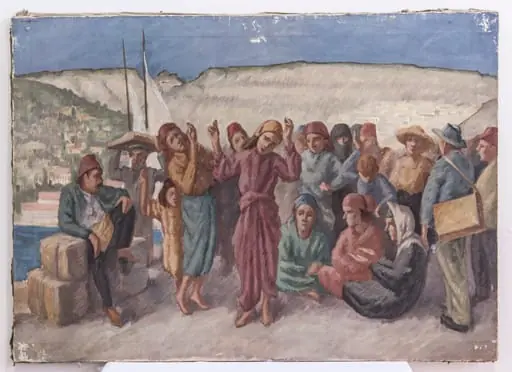 Aspecte Balcic
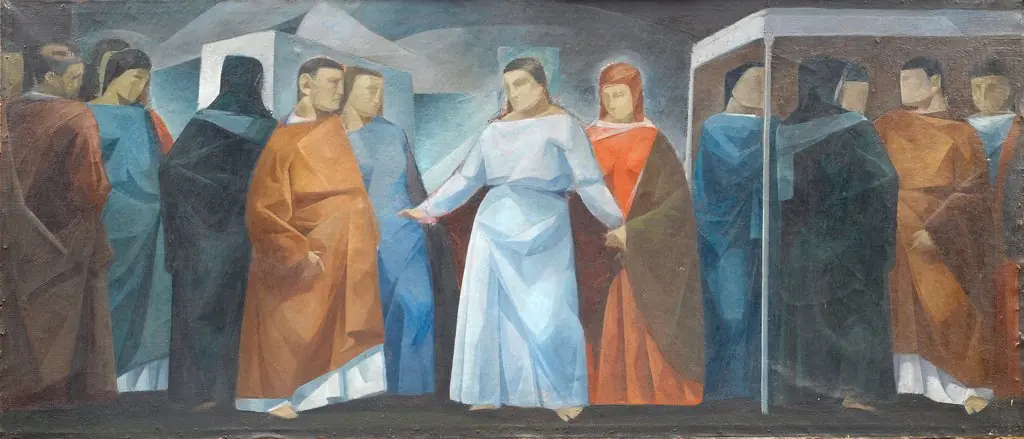 The Heavenly Wedding. Emmanuel Sweborg: Amore Conjugiali
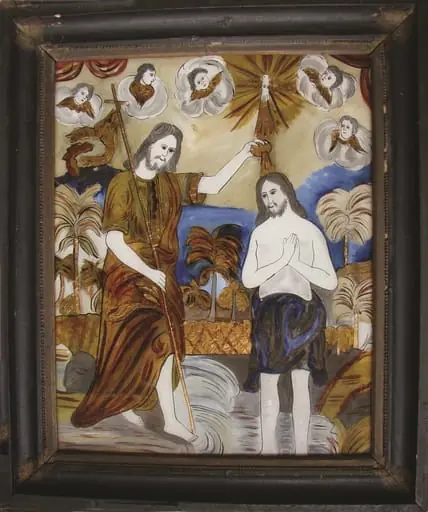 Botezul lui Iisus
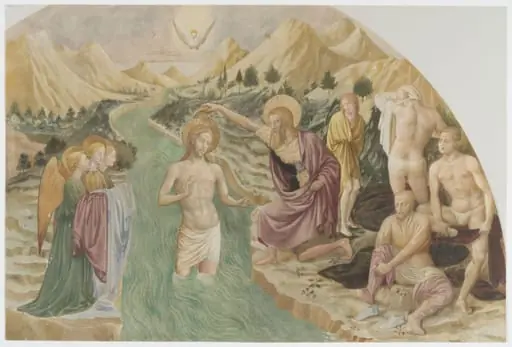 Copy after the painting Baptism of Christ by Masolino in Castiglione d'Olona
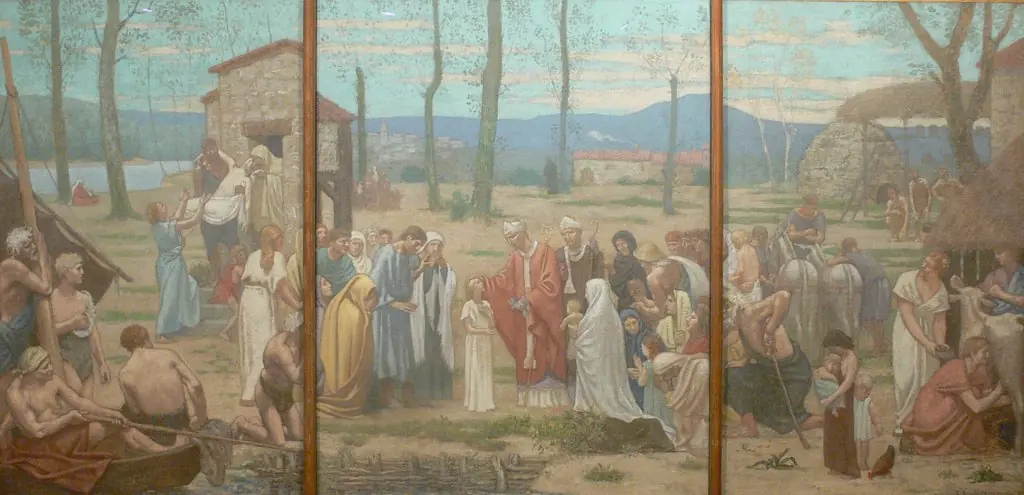 The Pastoral Life of Saint Geneviève
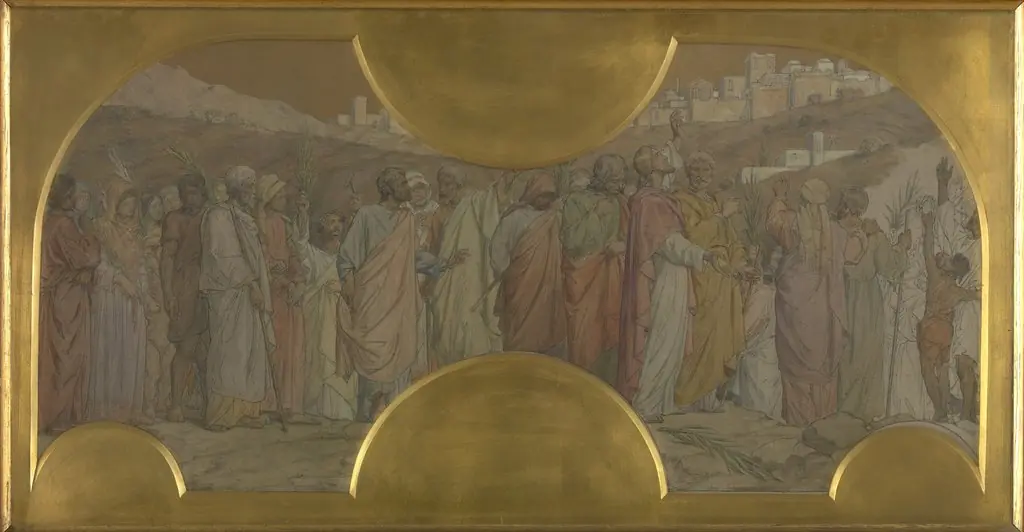 Jesus Going to Jerusalem to Accomplish his Mission
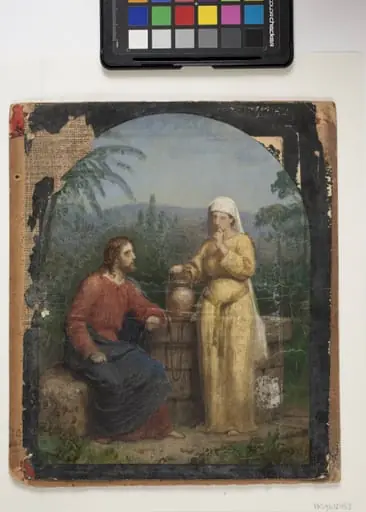 Olieskitse til Jesus og Samaritanerinden ved brønden
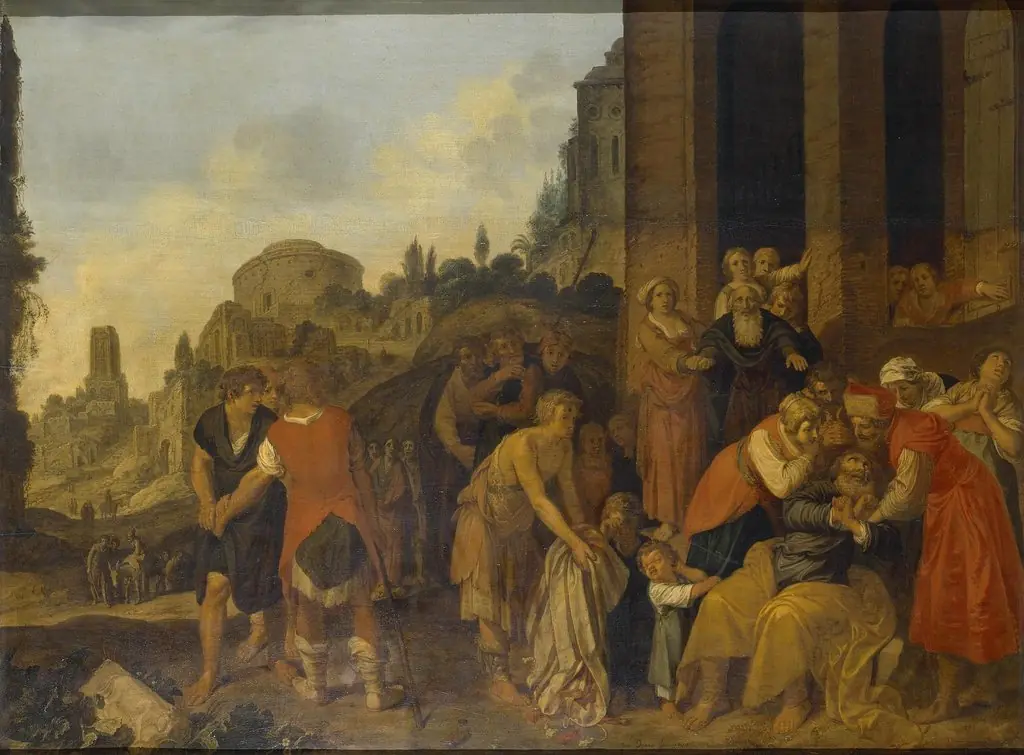 Jacob's Sons Show Him Joseph's Blood-Stained Robe
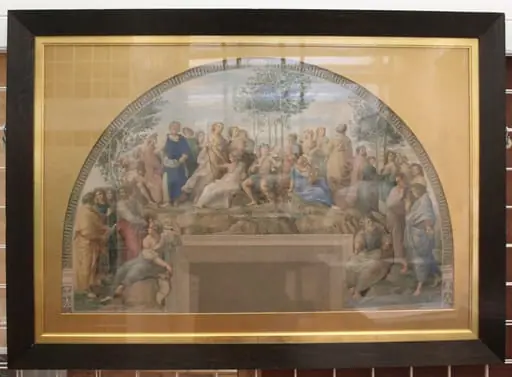 Poets on Mount Parnassus
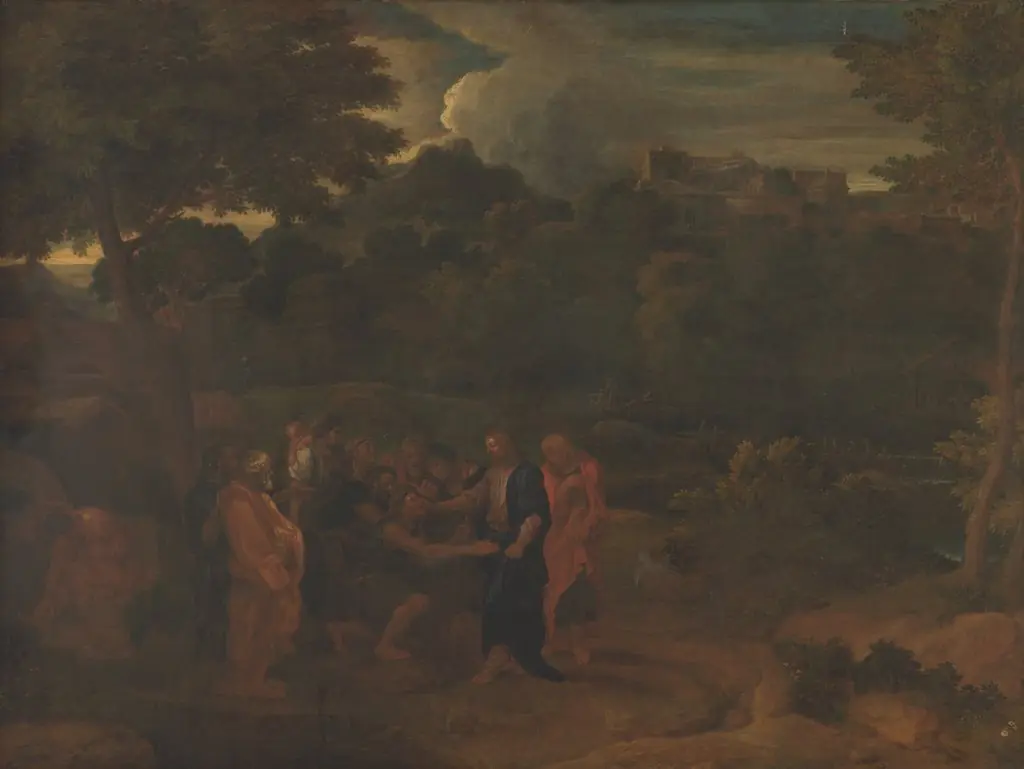 The Healing of the Two Blind Men at Jericho
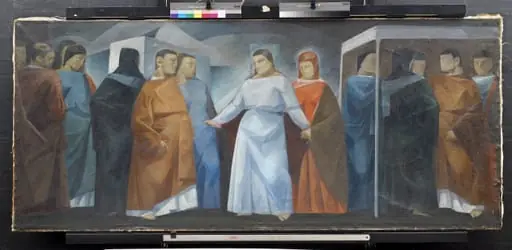 The Heavenly Wedding. Emmanuel Sweborg: Amore Conjugiali
 Prophets and Sibyls