Artwork
Negro Musicians in the Jungle
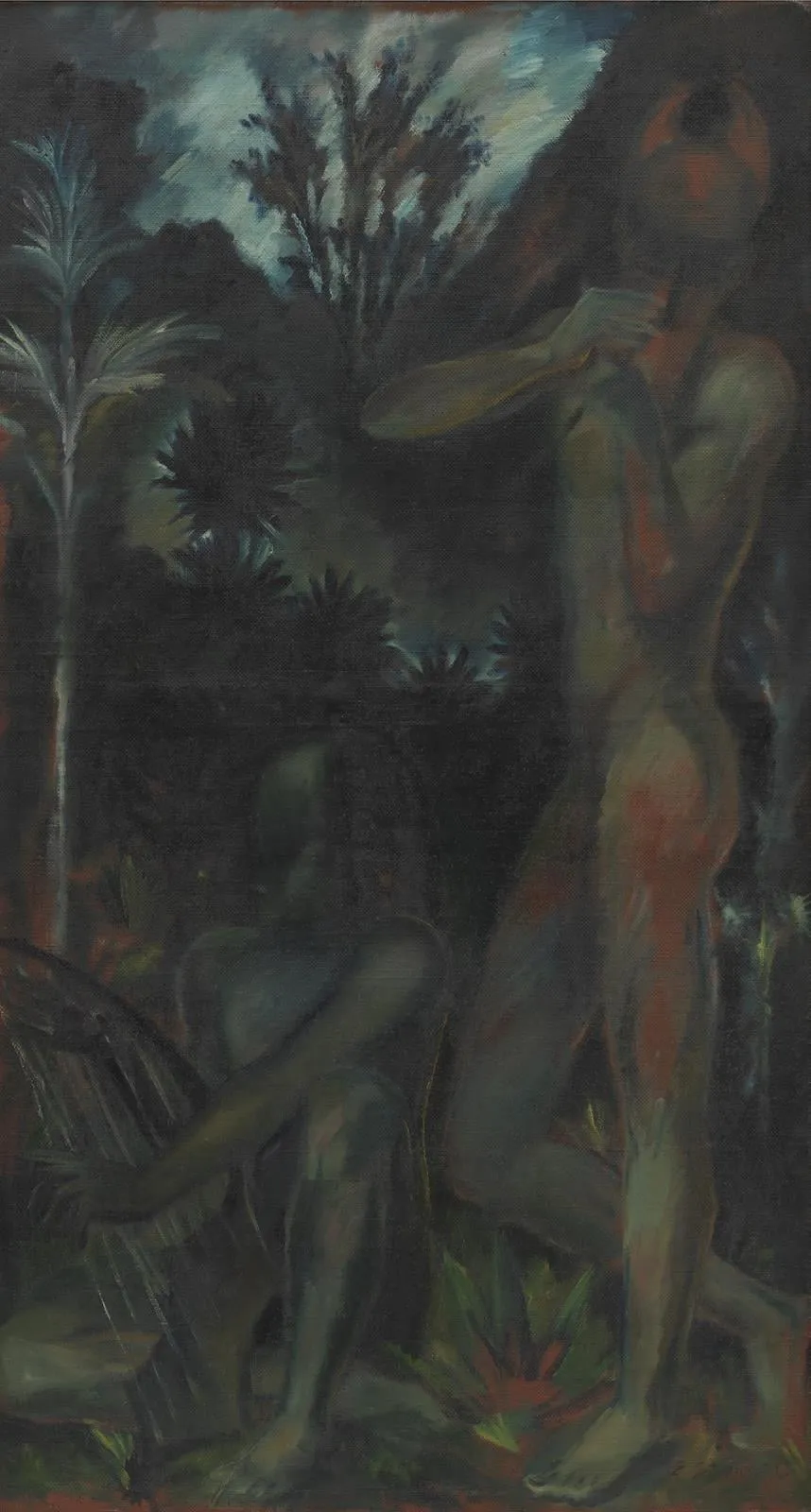
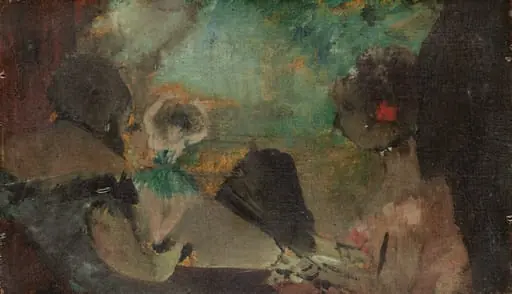
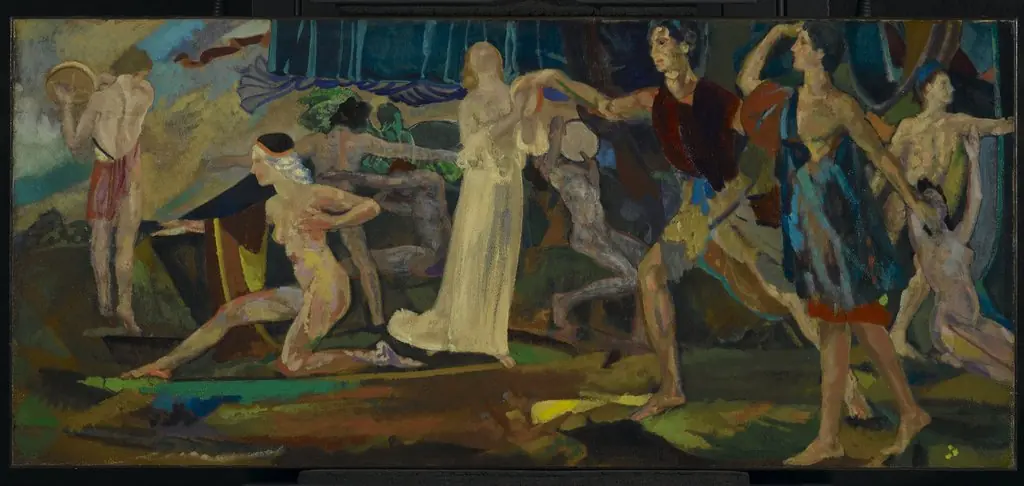
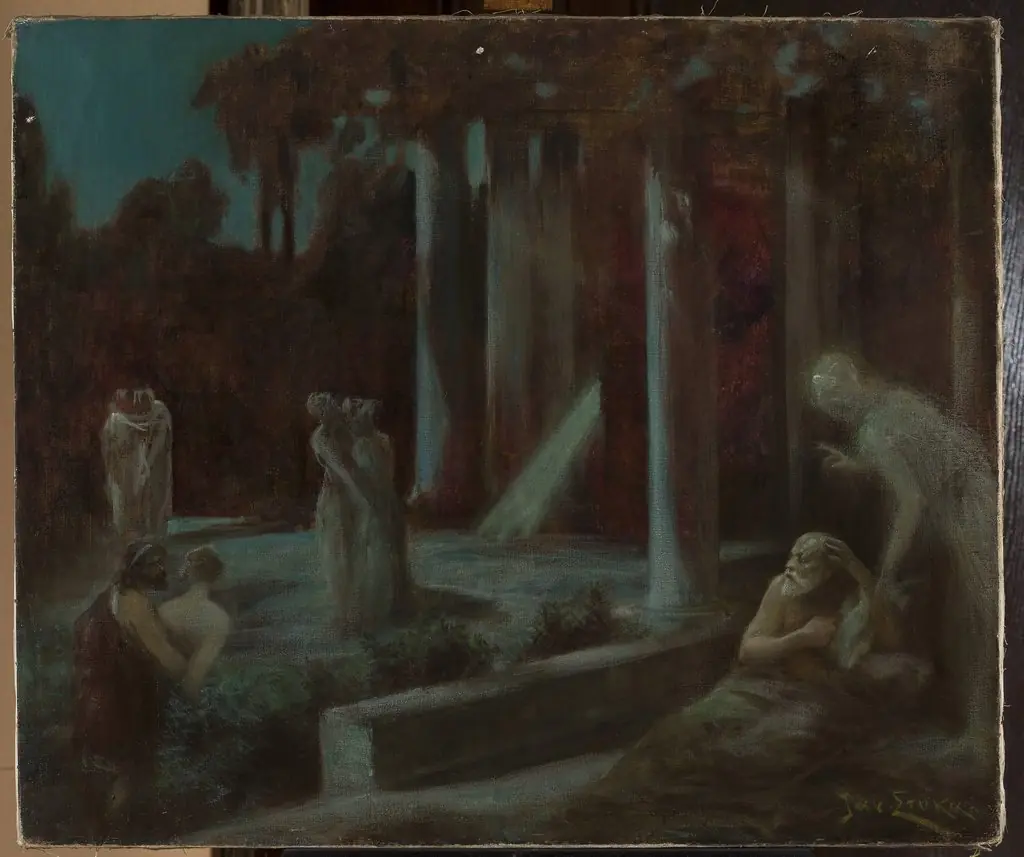
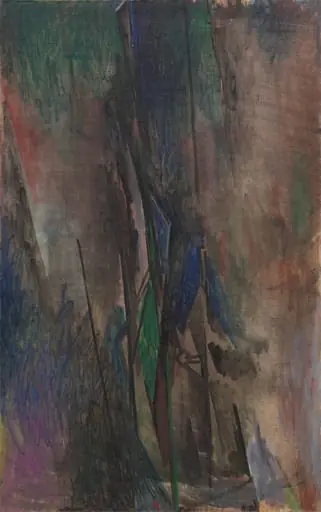
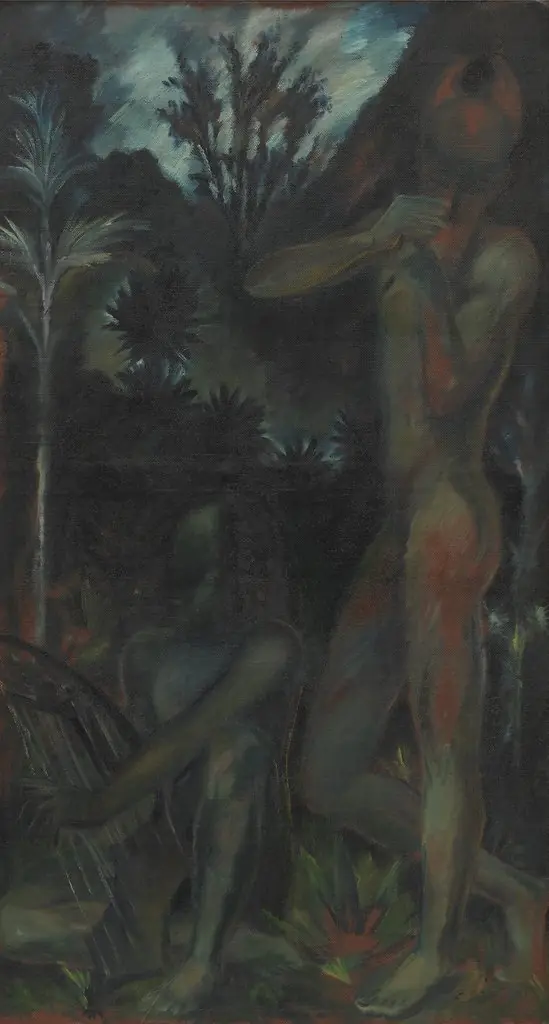
Negro Musicians in the Jungle is a photography by Unknown. It dates from 1921 and is held in the collection of the Statens Museum for Kunst. Created in 1921 by 1239_person, this oil painting depicts a dense, shadowed jungle environment rendered with heavy, textured brushwork.
About this work
Overview
The work is held in the collection of the Museum of Ethnography, where it is presented as an example of early 20th-century expressive landscape painting.
Created in 1921 by 1239_person, this oil painting depicts a dense, shadowed jungle environment rendered with heavy, textured brushwork. Though titled *Negro Musicians in the Jungle*, the composition offers no explicit representation of musicians or musical instruments. The work is held in the collection of the Museum of Ethnography, where it is presented as an example of early 20th-century expressive landscape painting.
Subject & Meaning
The painting’s title suggests a narrative of African musicians within a natural setting, yet the imagery resists literal interpretation. Figures are obscured by thick vegetation, and no clear human forms or instruments appear. This disconnect between title and visual content invites questions about representation, exoticism, or the artist’s intent to evoke atmosphere over documentation.
Technique & Style
The surface is built up with thick layers of paint, employing impasto to create a tactile, almost sculptural texture. Brushstrokes are forceful and irregular, emphasizing the wildness of the foliage. The palette is muted and dark, with greens and browns layered to suggest depth and obscurity, reinforcing the sense of an impenetrable, mysterious environment.
History & Provenance
The painting entered the Museum of Ethnography’s collection shortly after its creation, likely acquired during a period when European institutions were collecting works with ethnographic themes. Its early acquisition suggests it was regarded as culturally significant, though its ambiguous imagery has led to varied interpretations over time.
Context
Produced during a time when Western artists frequently depicted non-European subjects through romanticized or stereotypical lenses, this work reflects broader trends in primitivist aesthetics. Yet its lack of clear figures and focus on environment diverges from typical ethnographic imagery, hinting at a more abstract or personal response to the subject.
Legacy
The painting remains notable for its departure from conventional narrative representation. Its ambiguity has prompted scholarly discussion on the limits of visual labeling and the role of title in shaping perception. It stands as a quiet challenge to assumptions about how culture and identity are visually encoded in early modern art.
Artist & collection

 Domestic Scene
 Giacomo and Cardinal Marco, investing Andrea, Abbot of San Zeno, with his Benefice
 The Nymph of Fontainebleau
 Portrait of a Woman
 Madonna and Child with Saints in the Enclosed Garden
 Venus and Minerva
 Family Group of Four on Sofa
 Wall painting from Room H of the Villa of P. Fannius Synistor at Boscoreale