Artwork
Ulysses
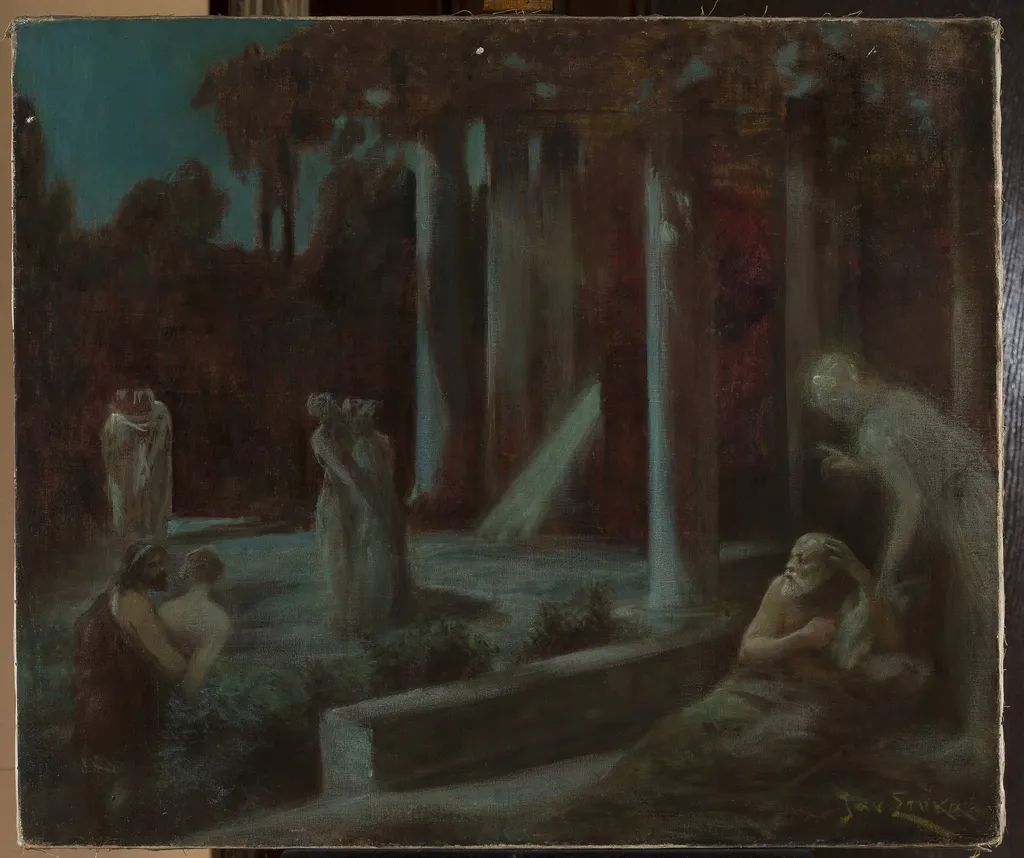
Ulysses is an oil painting by Jan Styka. It dates from 1901 and is held in the collection of the National Museum in Warsaw.
About this work
Overview
The painting reflects Styka’s interest in psychological depth and literary themes, diverging from his more public-facing commissions.
Jan Styka, a Polish artist known for monumental historical scenes, created the oil painting Ulysses around 1901. It is part of the National Museum in Warsaw’s collection. Unlike his grand battle panoramas, this work is intimate and nocturnal, focusing on a solitary figure amid a wooded landscape. The painting reflects Styka’s interest in psychological depth and literary themes, diverging from his more public-facing commissions.
Subject & Meaning
The painting depicts a man seated alone in a dark forest, gazing upward in quiet contemplation. Surrounding figures move or rest without acknowledging him, suggesting isolation within a collective setting. Though titled Ulysses, the reference to Homer’s hero is implied rather than literal—evoking themes of exile, introspection, and the inner journey rather than narrative action.
Technique & Style
Styka employed oil paint to build a moody, atmospheric composition with restrained lighting. Narrow shafts of moonlight pierce the dense canopy, casting soft contrasts against deep shadows. The figures are rendered with loose, suggestive brushwork, emphasizing mood over detail. The palette is muted—grays, browns, and muted greens—reinforcing the painting’s somber, introspective tone.
History & Provenance
Ulysses entered the National Museum in Warsaw’s collection shortly after its creation. It remained relatively obscure compared to Styka’s large-scale panoramas but was preserved as part of his broader artistic output. The work’s provenance is unbroken, with no documented changes in ownership since its acquisition by the museum in the early 20th century.
Context
Created during a period of Polish national revival under foreign partition, Styka’s work often carried subtle patriotic undertones. While Ulysses does not depict historical events, its theme of solitary endurance may have resonated with contemporary audiences grappling with cultural identity and displacement. The painting aligns with Symbolist trends in Central European art, favoring emotion over literal storytelling.
Legacy
Though overshadowed by Styka’s panoramic works, Ulysses endures as a quiet example of his capacity for psychological nuance. It is occasionally referenced in studies of Polish Symbolism and the intersection of literature and visual art in late 19th-century Eastern Europe. The painting contributes to a fuller understanding of Styka beyond his public monuments.
Artist & collection
Artist
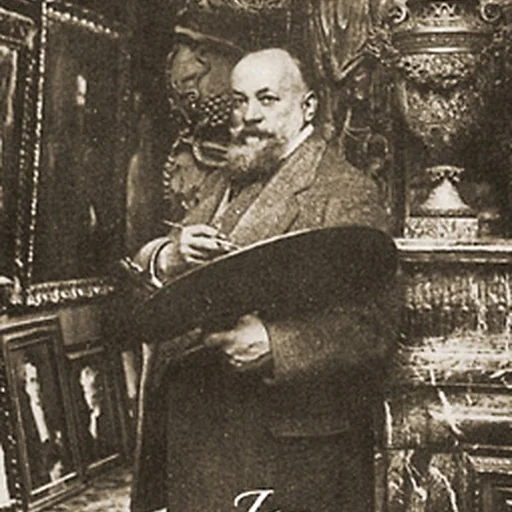
Jan Styka (April 8, 1858 – April 11, 1925) was a Polish painter noted for producing large historical, battle-piece, and Christian religious panoramas.

 Freshness of the Wounded
 Vita
Vita Negro Musicians in the Jungle
 Wall painting: Perseus and Andromeda in landscape, from the imperial villa at Boscotrecase
 Negro Musicians in the Jungle
 Sketch to "The Poisoned Well”
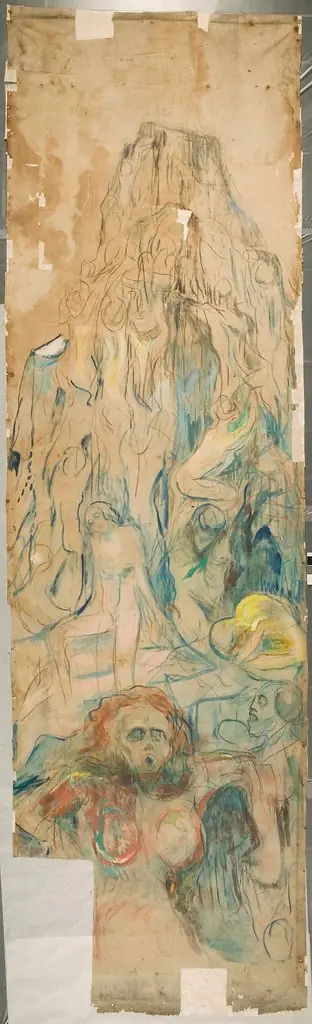 The Human Mountain: Middle Part
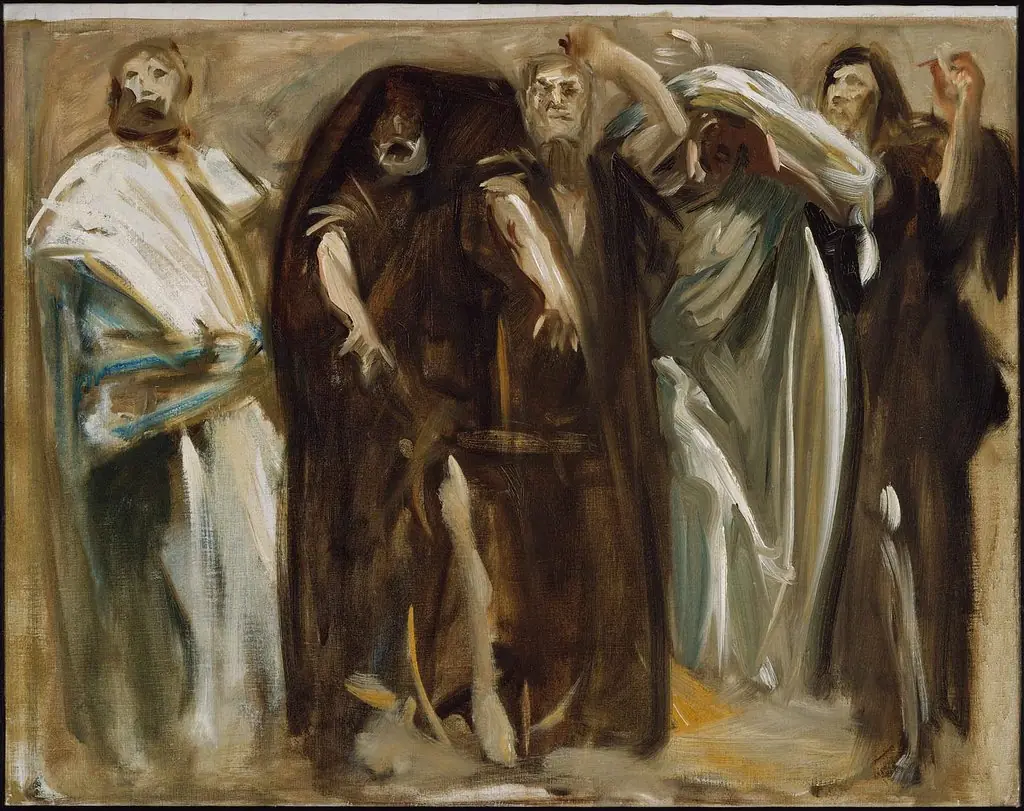 Frieze of the Prophets
 Tinerețe
 Urătorii
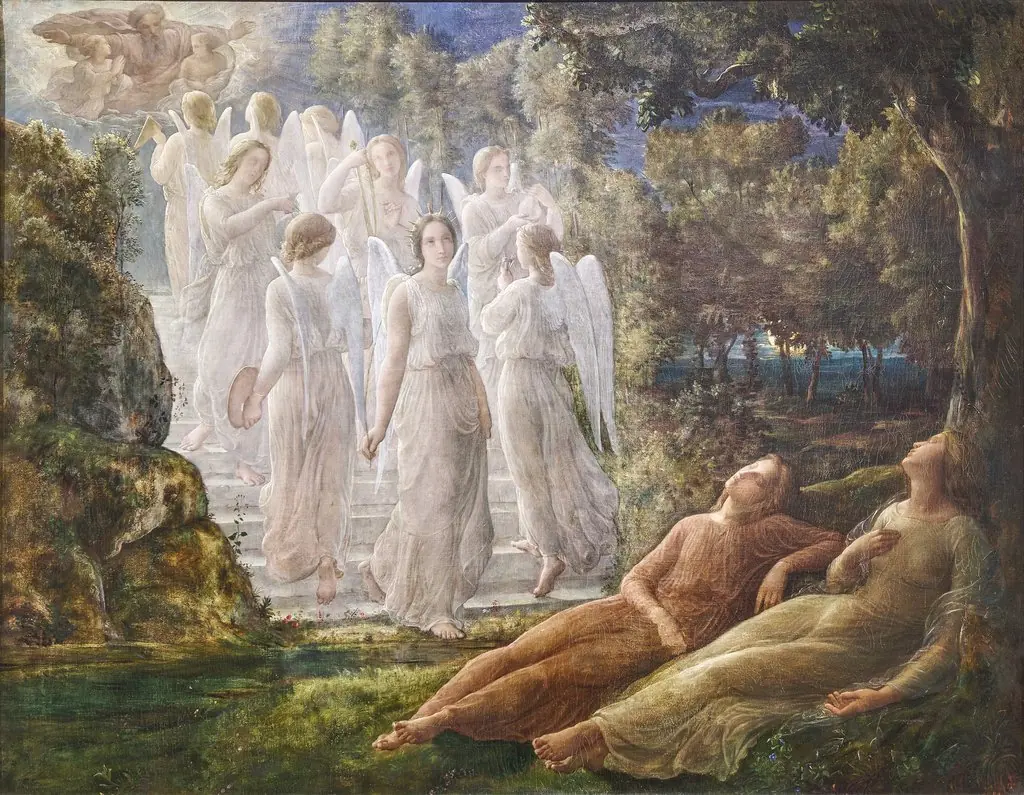 Poem of the Soul - The golden stairs
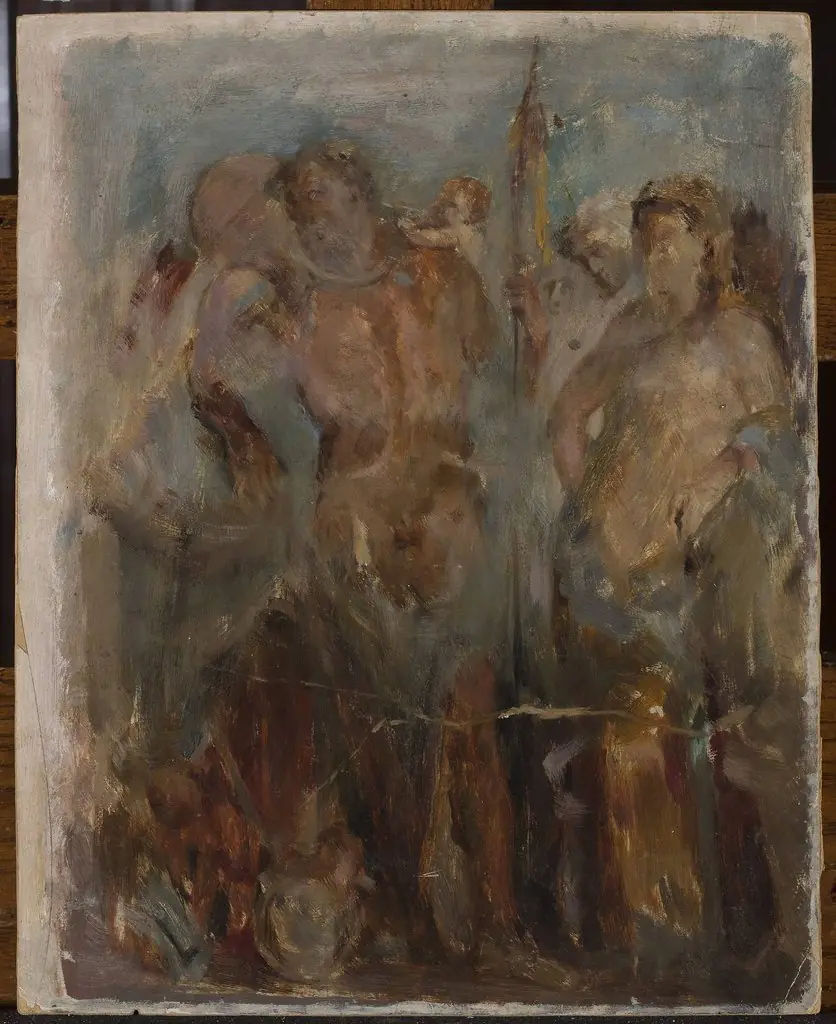 Copy of a Pompeii fresco in Naples