Artwork
Nave Nave Fenua (Delightful Land)
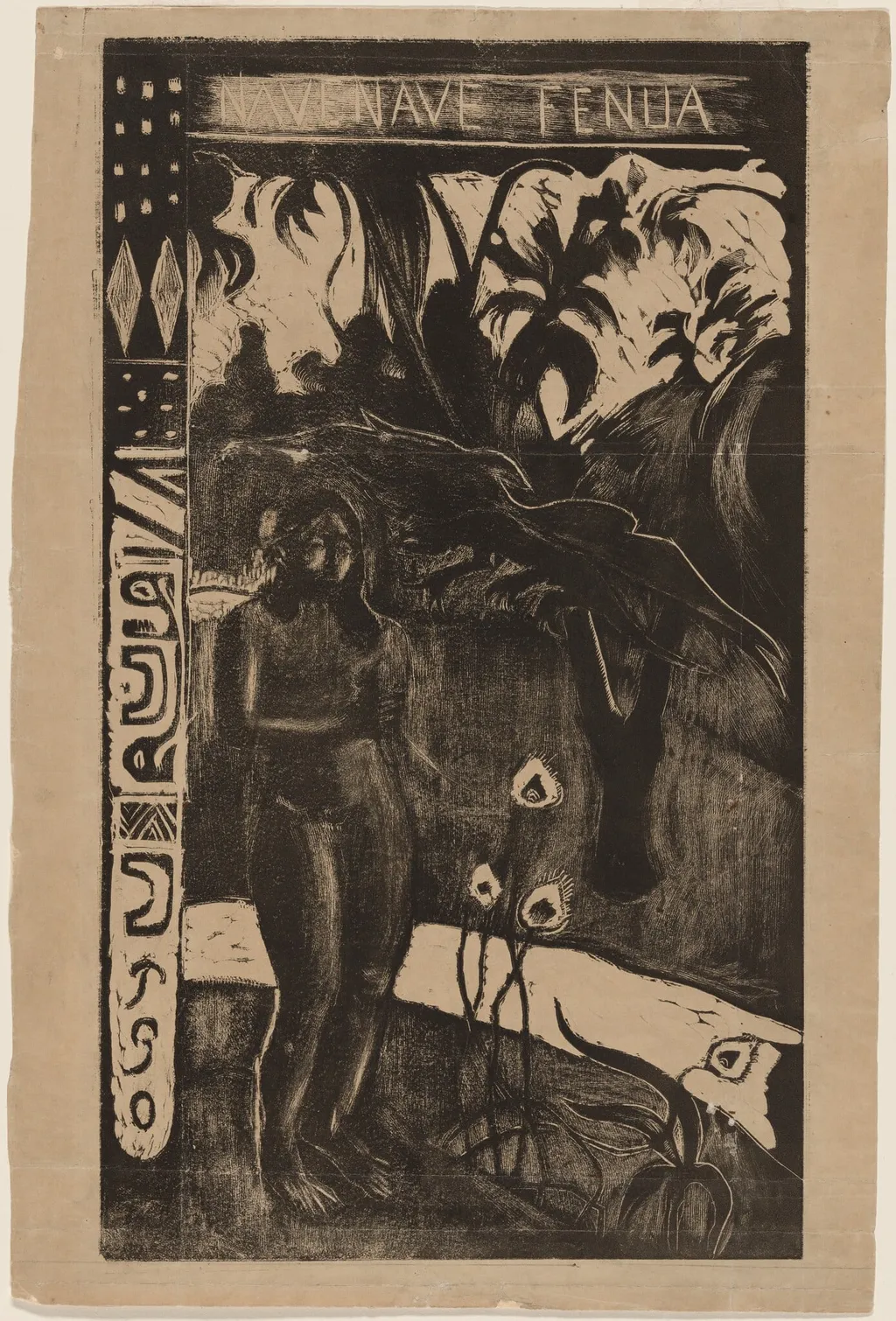
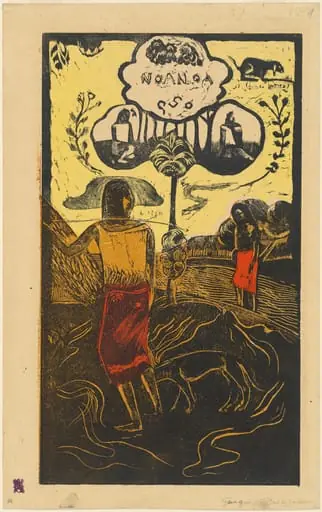
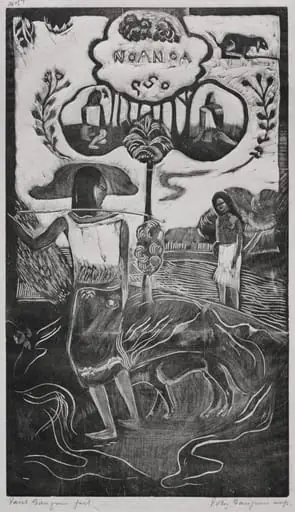
Nave Nave Fenua (Delightful Land) is an ink print by the Impressionist artist Paul Gauguin. It dates from 1894 and is held in the collection of the National Gallery of Art.
About this work
Overview
Nave Nave Fenua (Delightful Land) is a woodcut print created by Paul Gauguin in 1894, exemplifying his experimentation with printmaking techniques.
Subject & Meaning
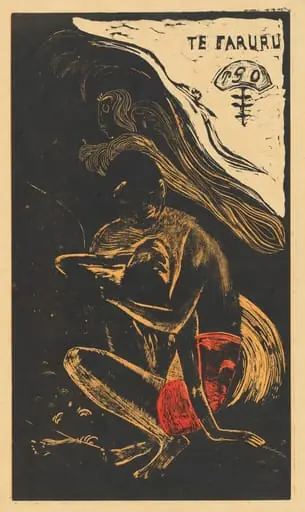
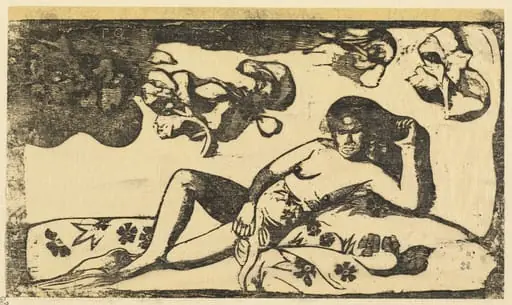
The print depicts a mysterious scene with two figures in a dark, shadowy environment, evoking a sense of drama and intrigue. The title suggests a Polynesian setting, adding a layer of cultural context to the enigmatic imagery.
Technique & Style
Gauguin's use of bold lines, stark black and white contrasts, and simple shapes creates a striking visual effect, characteristic of his Synthetist approach, which prioritizes emotional expression over realistic representation.
Artist & collection
Artist
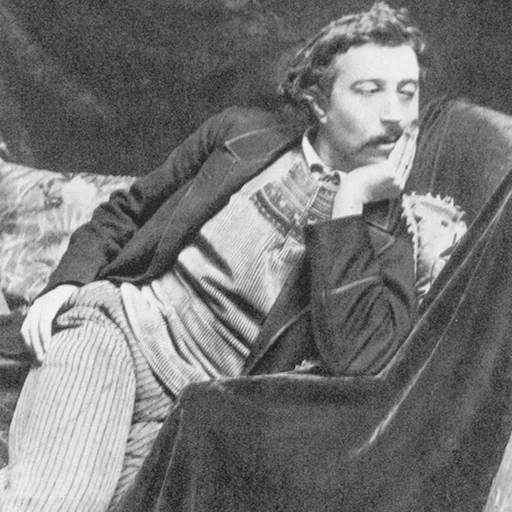
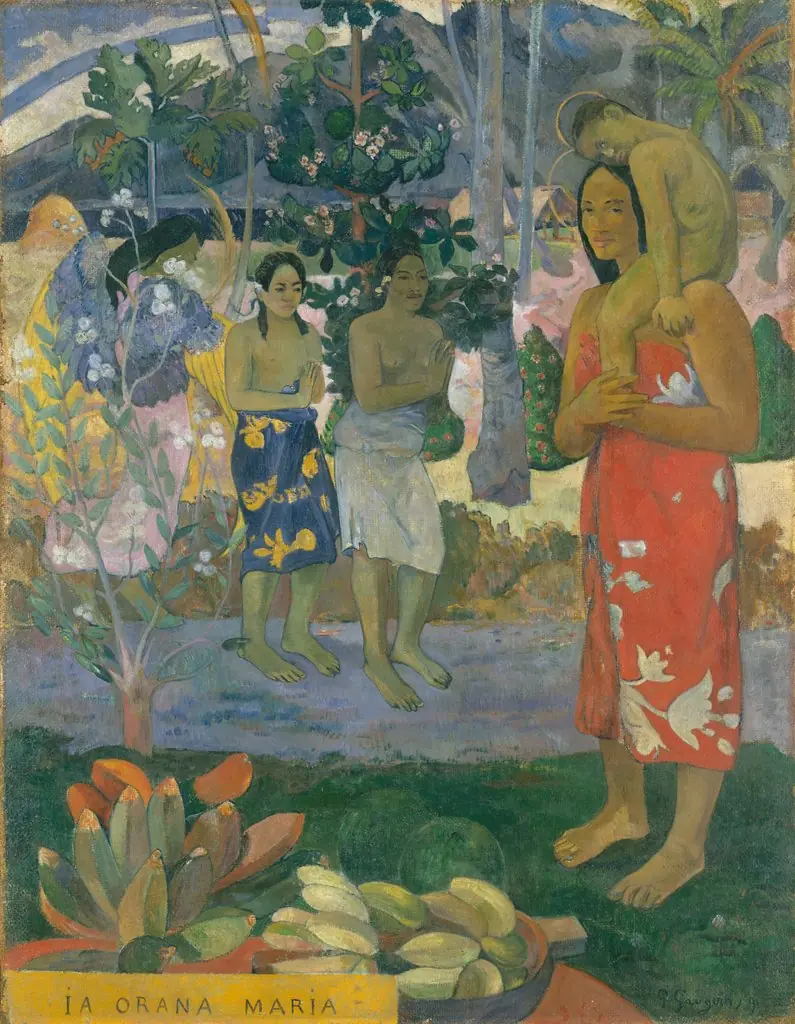
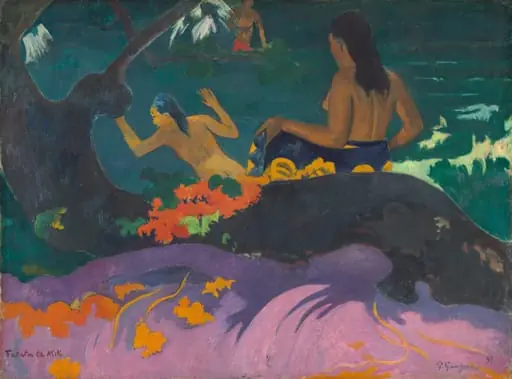
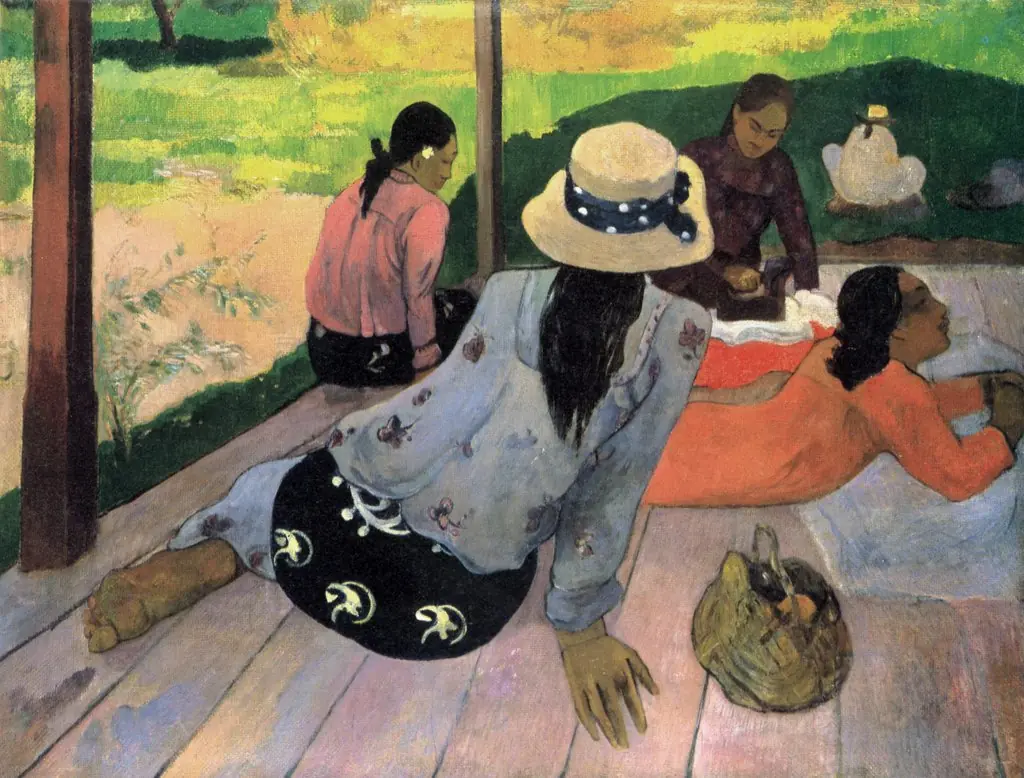
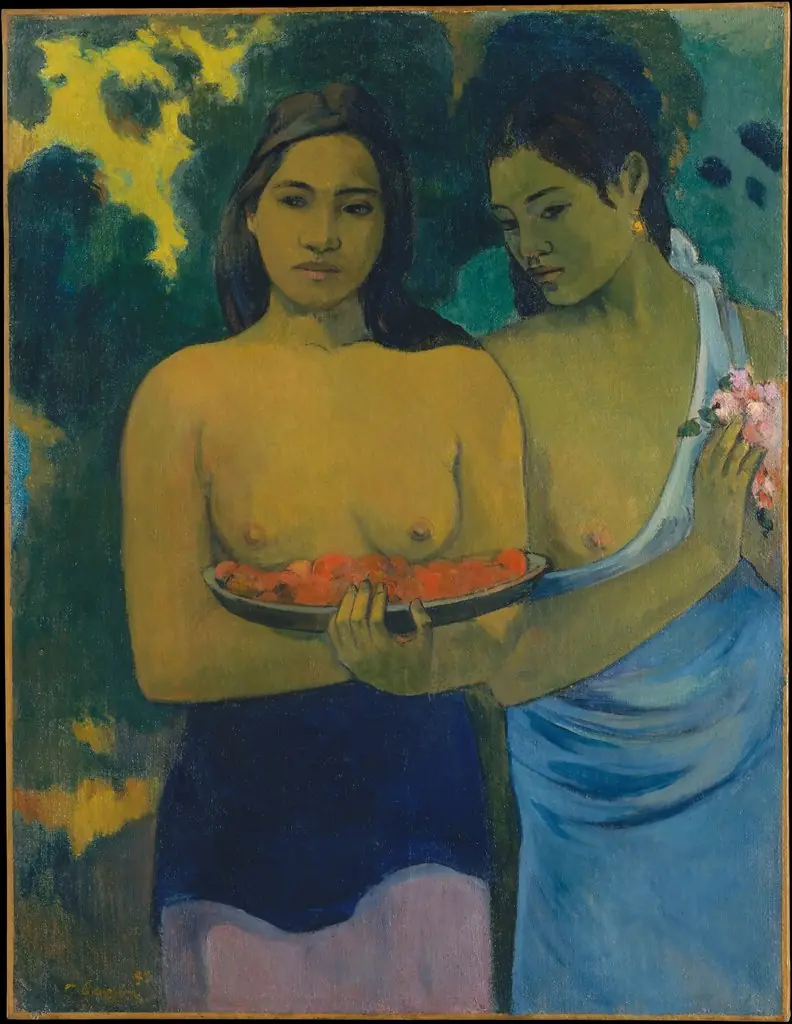
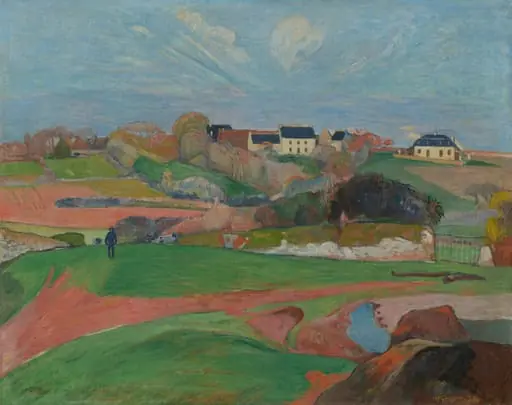
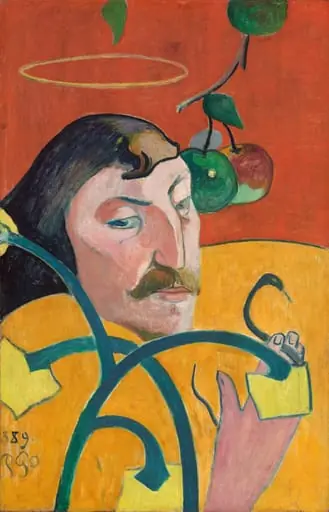
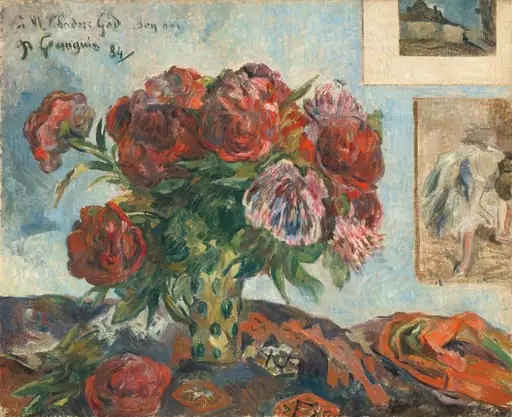
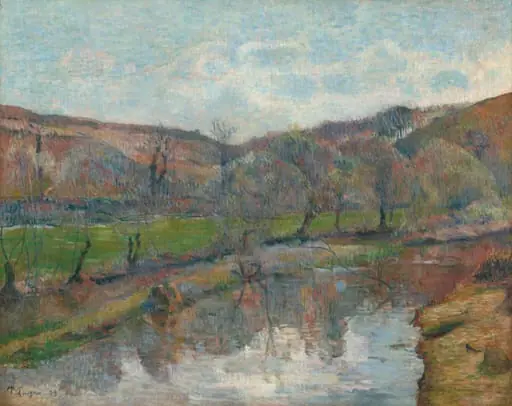
Eugène Henri Paul Gauguin (; French: ; 7 June 1848 – 8 May 1903) was a French painter, sculptor, printmaker, ceramist, and writer, whose work has been primarily associated with the Post-Impressionist and Symbolist movements.

![Arearea no Varua Ino (Words of the Devil) [recto], by Paul Gauguin](https://artifactworldgallery.com/img/paul-gauguin--arearea-no-varua-ino-words-of-the-devil-recto--0bfcd29d383e4267-w320.webp)