Artwork
At the China Repairer's
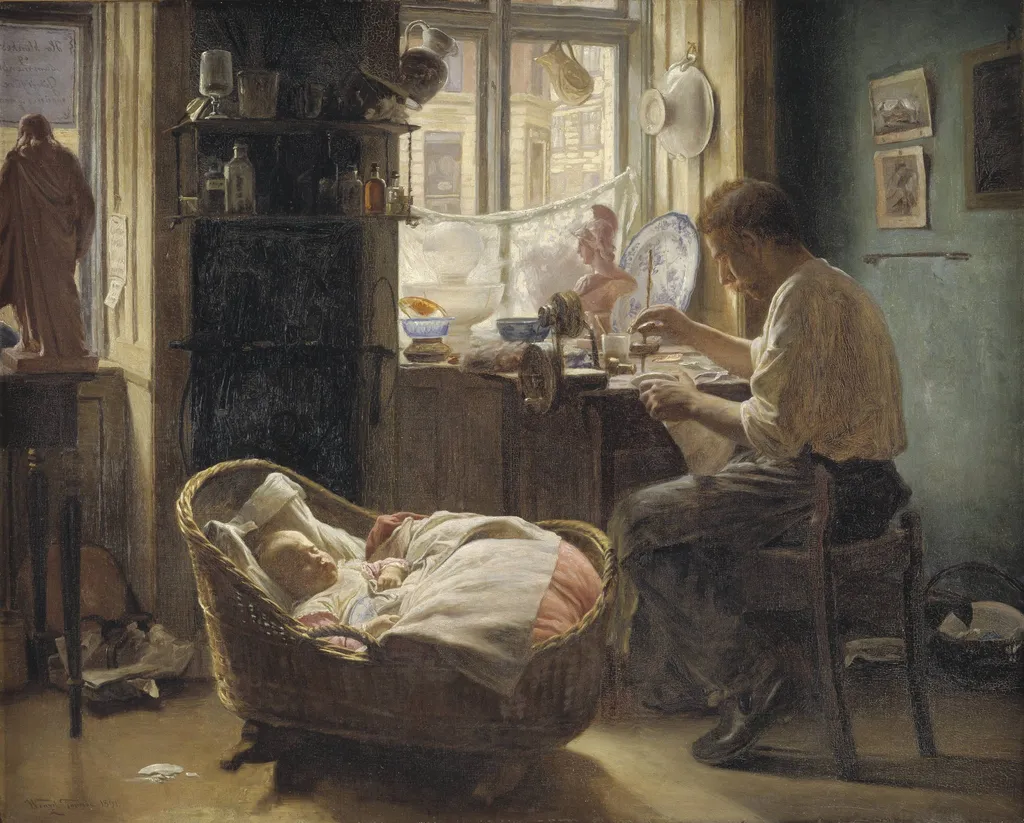
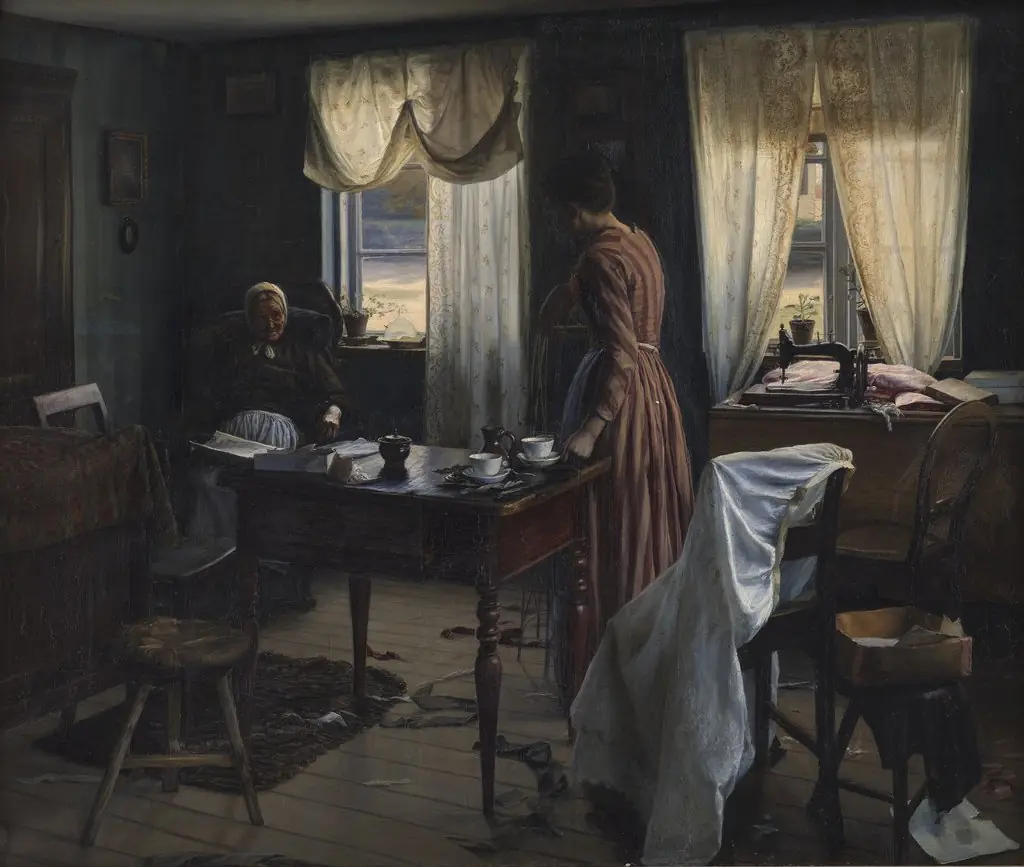
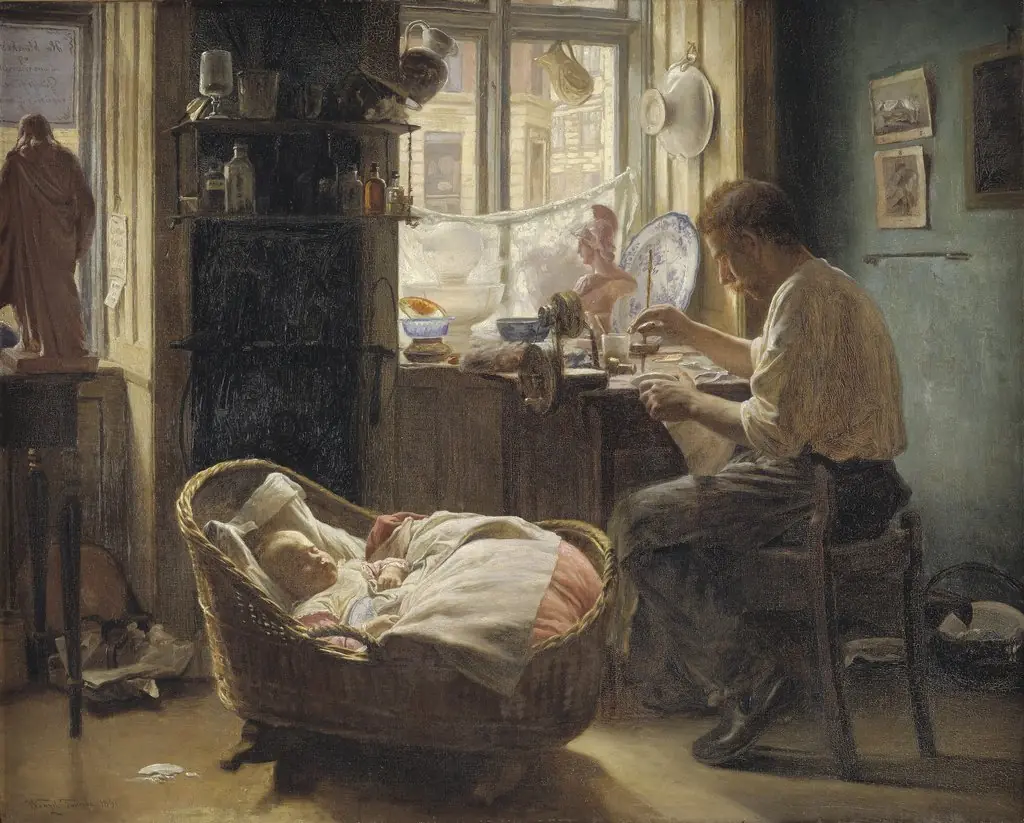
At the China Repairer's is a photography by the Impressionist artist Unknown. It dates from 1891 and is held in the collection of the Statens Museum for Kunst. Painted in 1891, this work depicts a quiet interior where a man engages in meticulous repair work.
About this work
Overview
Painted in 1891, this work depicts a quiet interior where a man engages in meticulous repair work. The scene is rendered with attention to domestic detail and subdued lighting, emphasizing the stillness of daily life. It is part of the collection at the Museum of Ethnography, where it is studied for its portrayal of ordinary labor and home environments in late 19th-century society.
Subject & Meaning
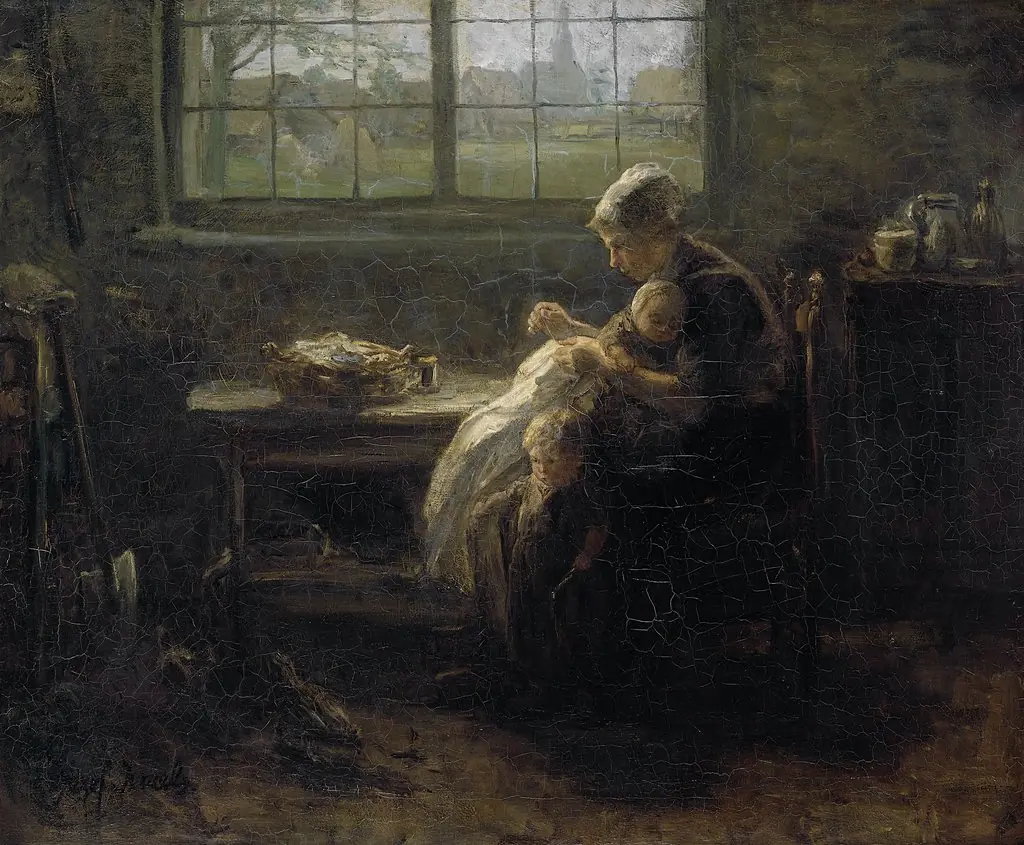
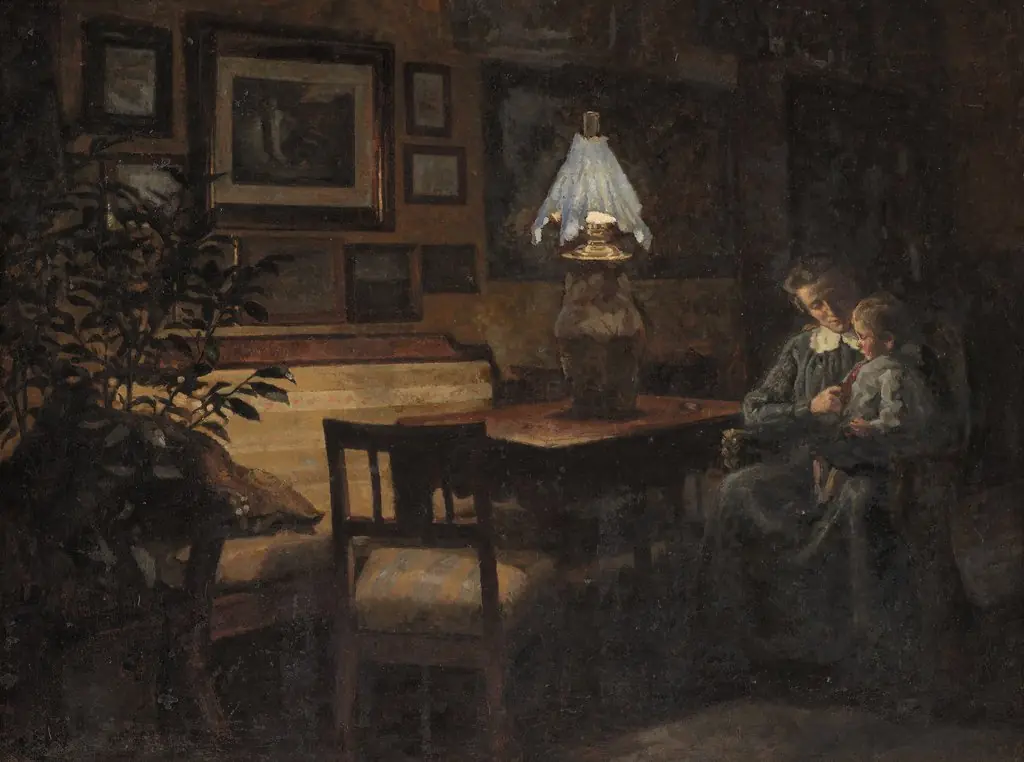
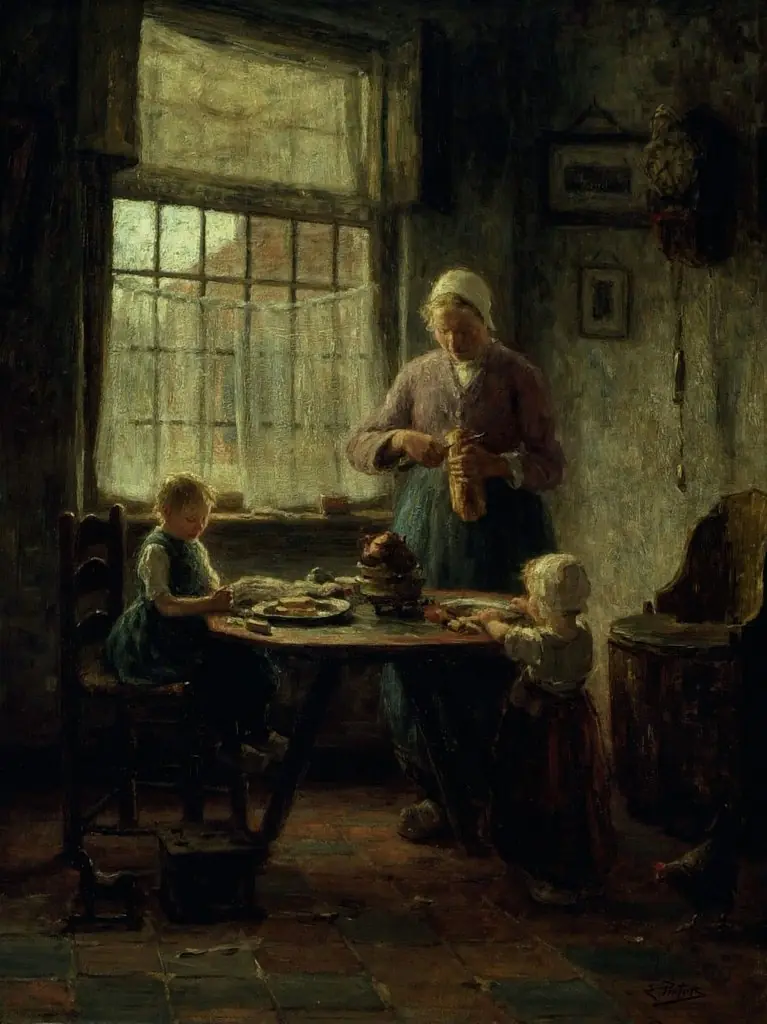
The painting centers on a man repairing ceramic objects, his concentration suggesting care and skill. Nearby, a sleeping infant in a woven cradle introduces a contrast between labor and rest, hinting at the rhythms of domestic existence. The presence of personal items—photographs, stored dishes—implies a life shaped by routine, thrift, and quiet endurance rather than spectacle.
Technique & Style
The artist employs a restrained palette and soft, directional light to model forms gently, avoiding dramatic contrast. Brushwork is precise but unobtrusive, allowing textures—wood, fabric, porcelain—to emerge naturally. The composition is tightly framed, drawing focus to the man’s hands and the cradle, reinforcing the intimacy of the moment without theatricality.
History & Provenance
The painting entered the Museum of Ethnography’s collection in the early 20th century, likely acquired as part of a broader effort to document everyday life across social classes. Its origin as a private work by an artist associated with Realist traditions suggests it was valued for its unembellished observation of working-class domesticity.
Context
Created during a period when urban artisans still maintained small workshops within homes, the scene reflects a transitional era before industrialization fully displaced handcraft. Similar subjects appeared in European Realist painting, but this work stands out for its quiet focus on repair rather than production, highlighting maintenance as a form of quiet resilience.
Legacy
Though not widely exhibited, the painting remains a reference point in studies of domestic labor and material culture. Its unadorned depiction of craftsmanship and care continues to inform ethnographic and art-historical analyses of how ordinary objects and routines shaped lived experience in the late 19th century.
Artist & collection

 Domestic Scene
 Giacomo and Cardinal Marco, investing Andrea, Abbot of San Zeno, with his Benefice
 The Nymph of Fontainebleau
 Portrait of a Woman
 Madonna and Child with Saints in the Enclosed Garden
 Venus and Minerva
 Family Group of Four on Sofa
 Wall painting from Room H of the Villa of P. Fannius Synistor at Boscoreale