Artwork
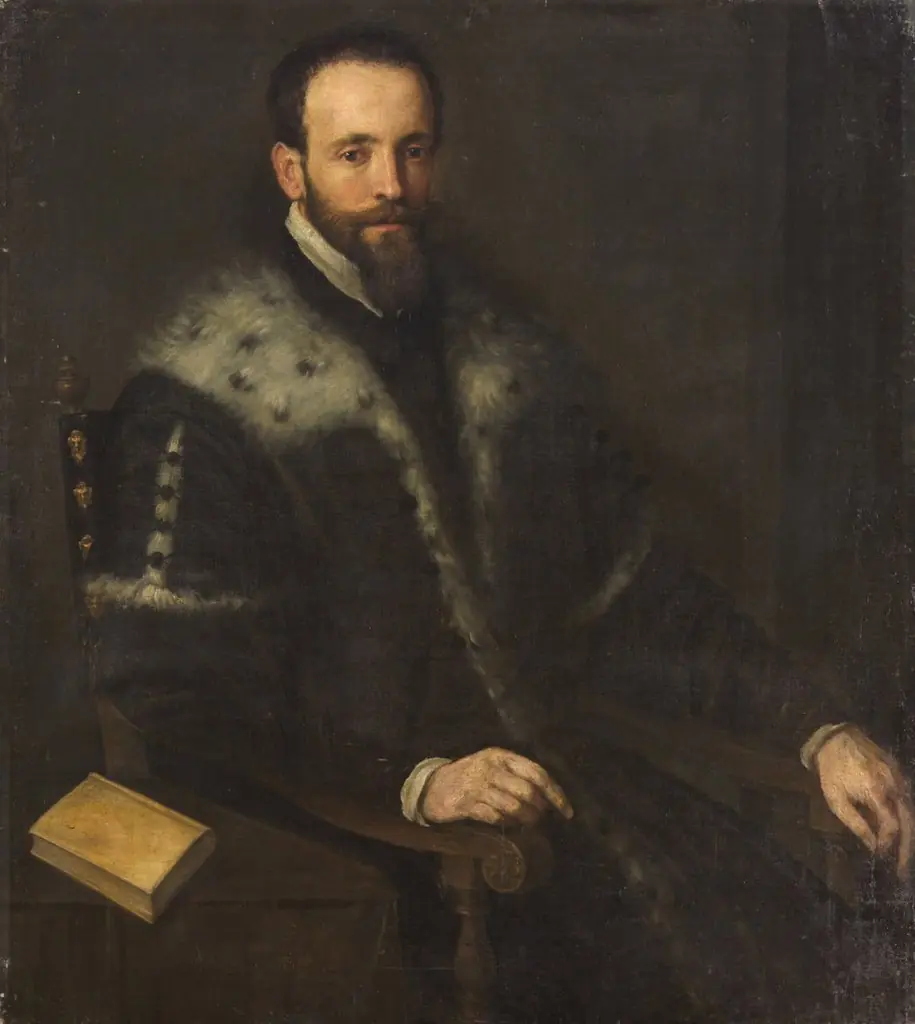
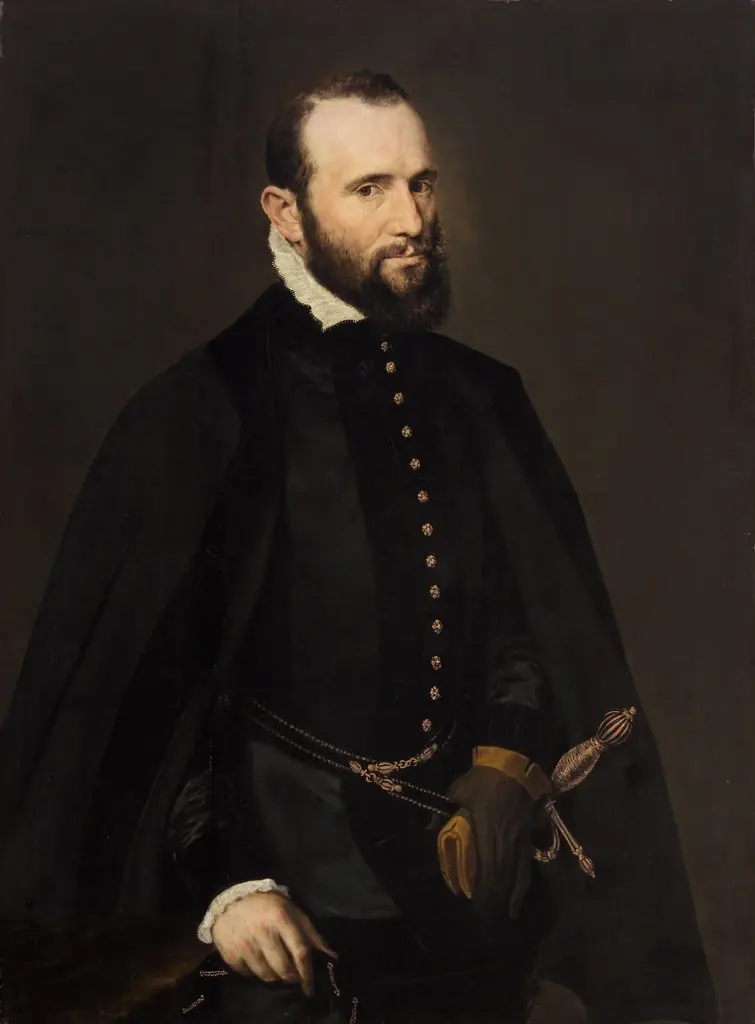
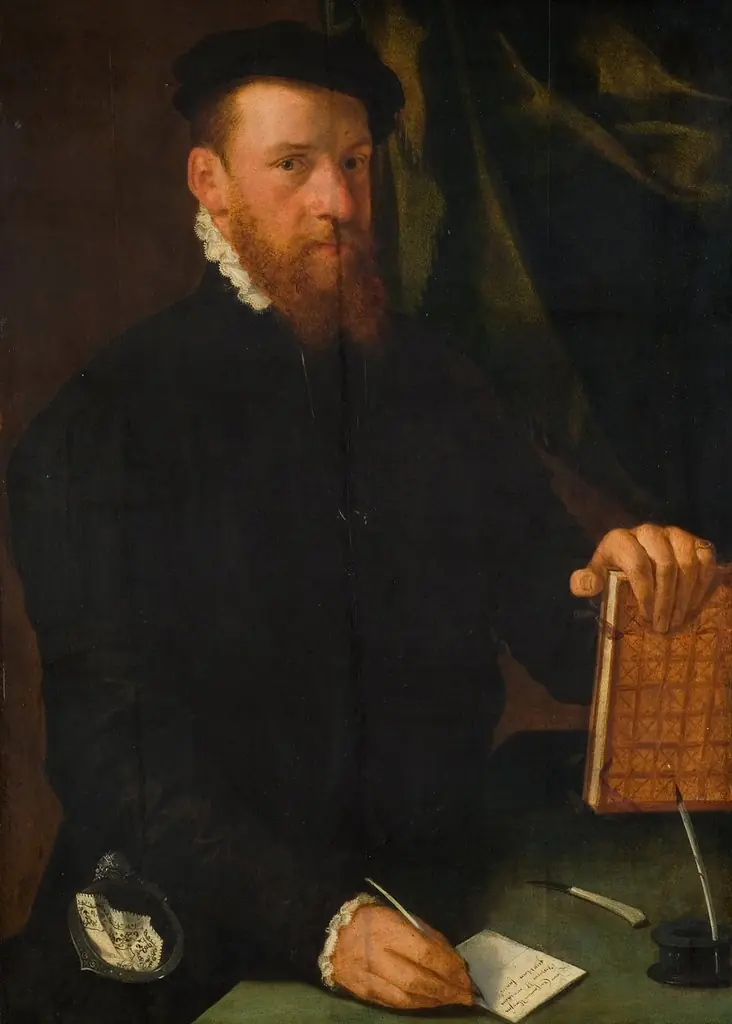
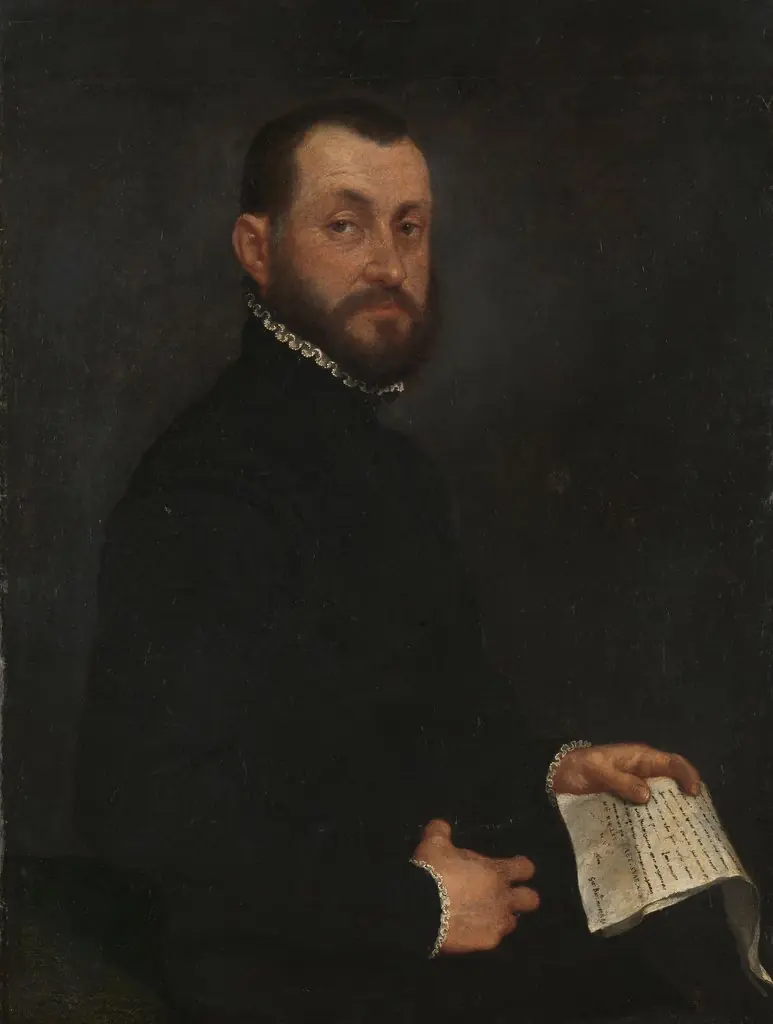
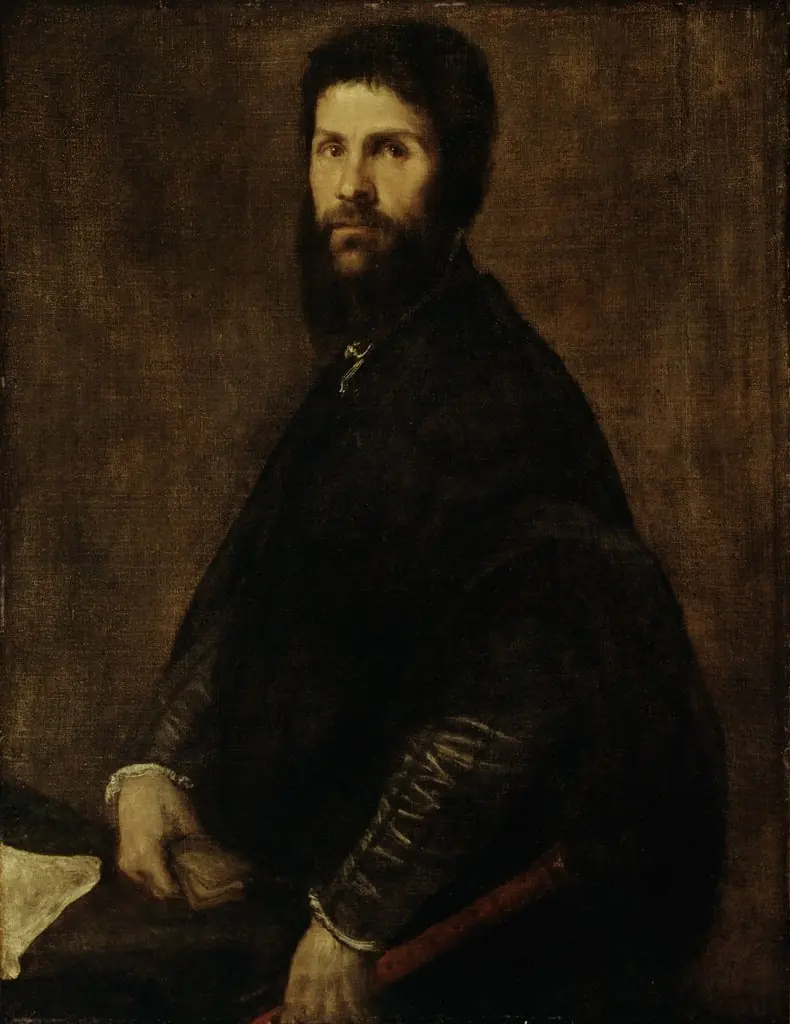
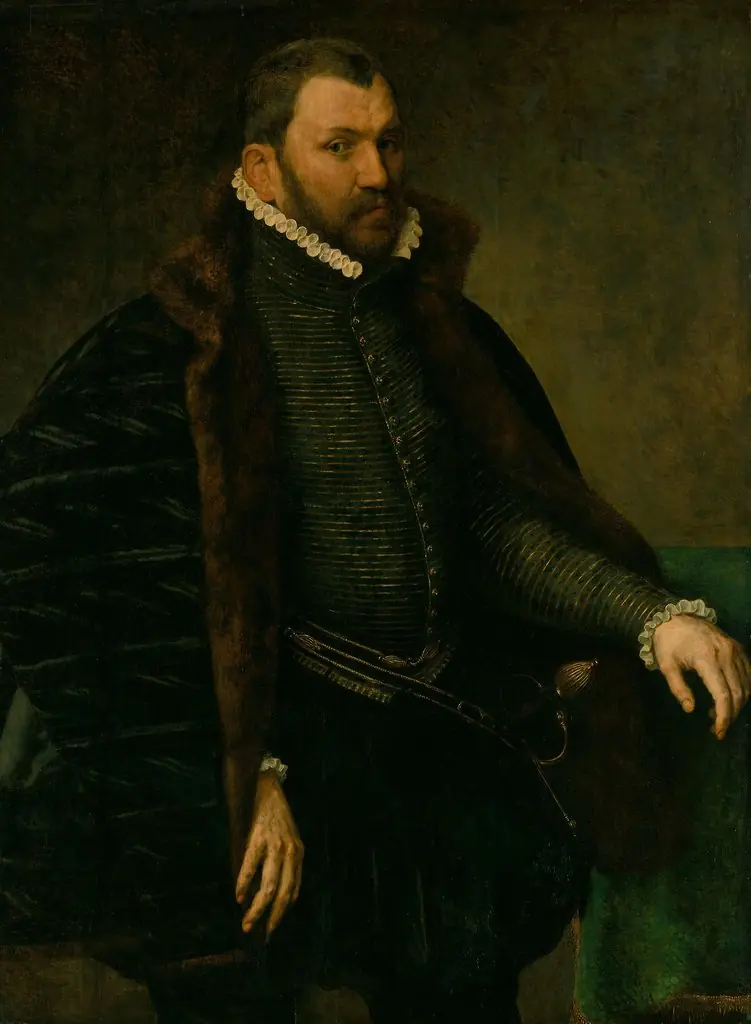
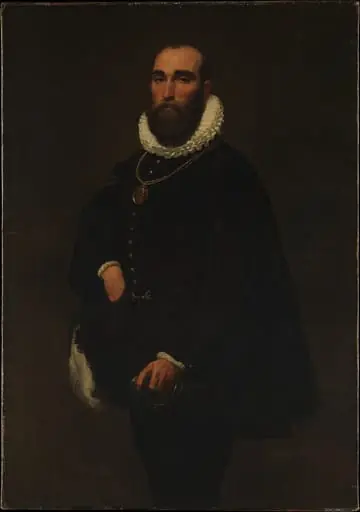
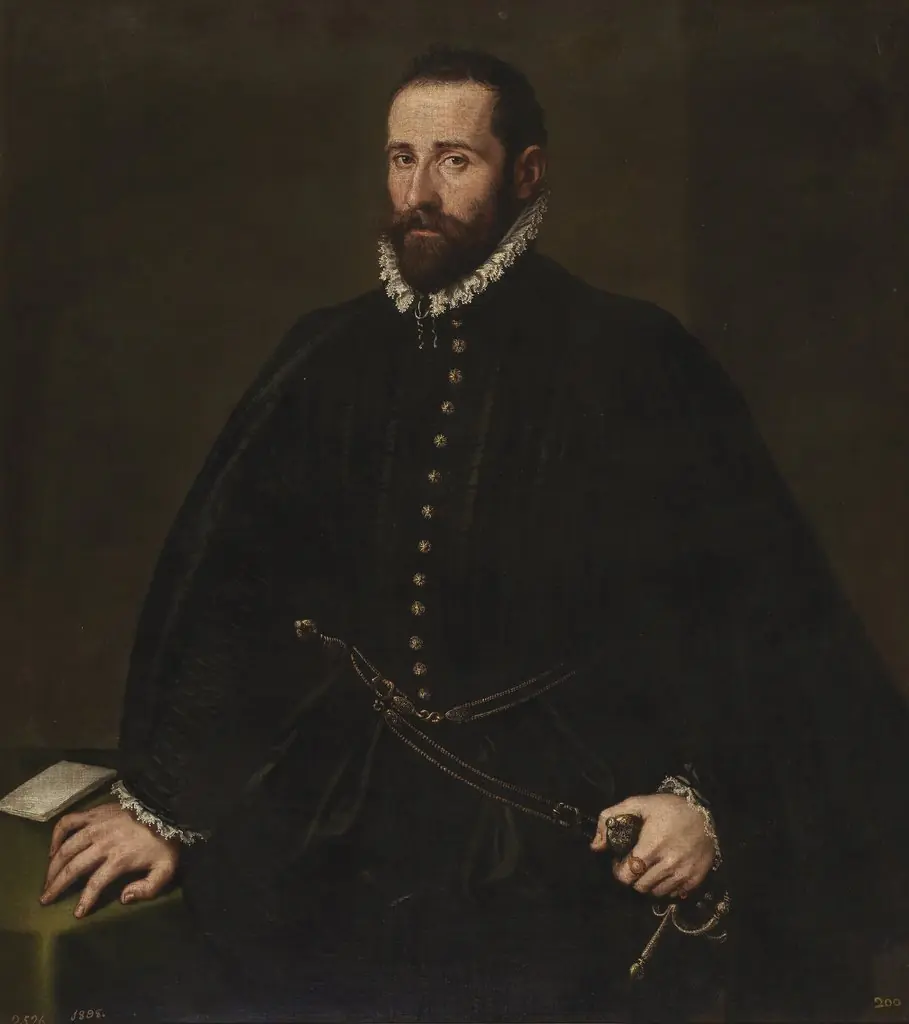
Portrait of Antonio Galli
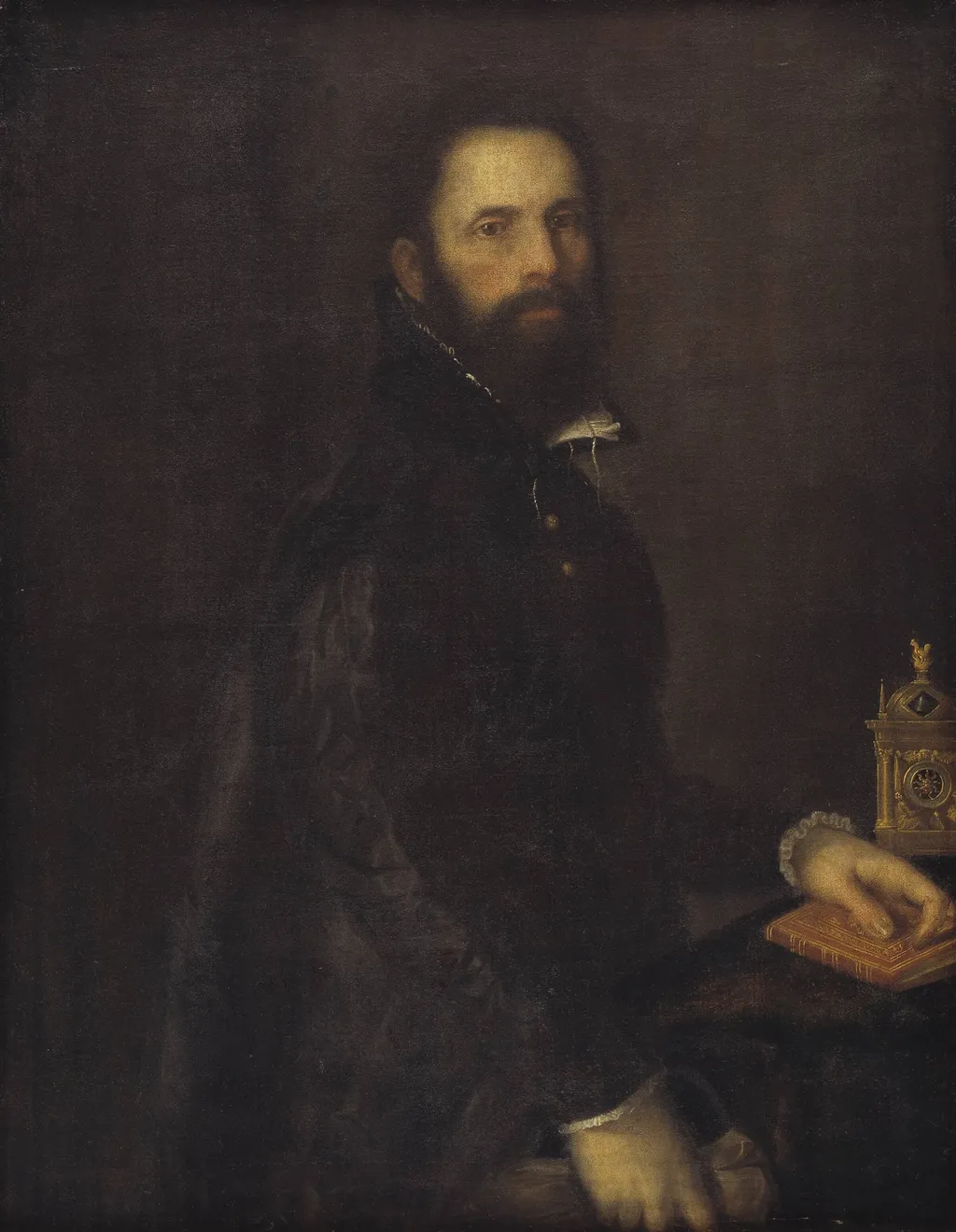
Portrait of Antonio Galli is an unspecified painting by Unknown. It dates from 1550 and is held in the collection of the Statens Museum for Kunst. This portrait depicts Antonio Galli, a figure of likely scholarly or civic standing, rendered around 1550.
About this work
Overview
This portrait depicts Antonio Galli, a figure of likely scholarly or civic standing, rendered around 1550. Executed in oil on panel, it presents a restrained, intimate composition centered on the sitter’s poised demeanor. The painting resides in the Museum of Ethnography, though its origins lie in the Italian Renaissance tradition of portraiture rather than ethnographic collection practices.
Subject & Meaning
Antonio Galli is portrayed with quiet authority, his dark attire and white collar signaling modest refinement rather than aristocratic opulence. The book beneath his hand and the ornate object on the table—possibly a timepiece or reliquary—suggest intellectual engagement and personal devotion. The absence of overt symbols of power implies a portrait of private character, not public status.
Technique & Style
The artist employs subtle chiaroscuro to model the face and hands, lending volume without dramatic contrast. Brushwork is precise yet unobtrusive, particularly in the rendering of fabric and hair. The dark, flat background isolates the figure, directing focus to his expression and the objects before him, reflecting a Northern Italian preference for psychological depth over elaborate settings.
History & Provenance
The painting entered the Museum of Ethnography’s collection in the late 19th century, though its earlier history remains undocumented.
The painting entered the Museum of Ethnography’s collection in the late 19th century, though its earlier history remains undocumented. Its attribution to the artist 1368_person is based on stylistic analysis, as no archival records confirm its commission or ownership prior to its museum acquisition. Its presence in an ethnographic institution reflects later curatorial categorization rather than original intent.
Context
Created during the mid-16th century, the portrait aligns with a broader trend in Italian cities of depicting educated elites through understated elegance. Unlike grand courtly portraits, this work reflects the values of a merchant or humanist class—emphasizing literacy, quiet dignity, and personal identity over heraldic display.
Legacy
Though not widely exhibited or reproduced, the portrait contributes to the understanding of non-noble portraiture in Renaissance Italy. Its preservation in an ethnographic context highlights shifting museum practices, where personal artifacts and portraits were later reclassified as cultural documents, broadening the scope of historical representation.
Artist & collection

 Domestic Scene
 Giacomo and Cardinal Marco, investing Andrea, Abbot of San Zeno, with his Benefice
 The Nymph of Fontainebleau
 Portrait of a Woman
 Madonna and Child with Saints in the Enclosed Garden
 Venus and Minerva
 Family Group of Four on Sofa
 Wall painting from Room H of the Villa of P. Fannius Synistor at Boscoreale