Artwork
Two Horses in a Landscape
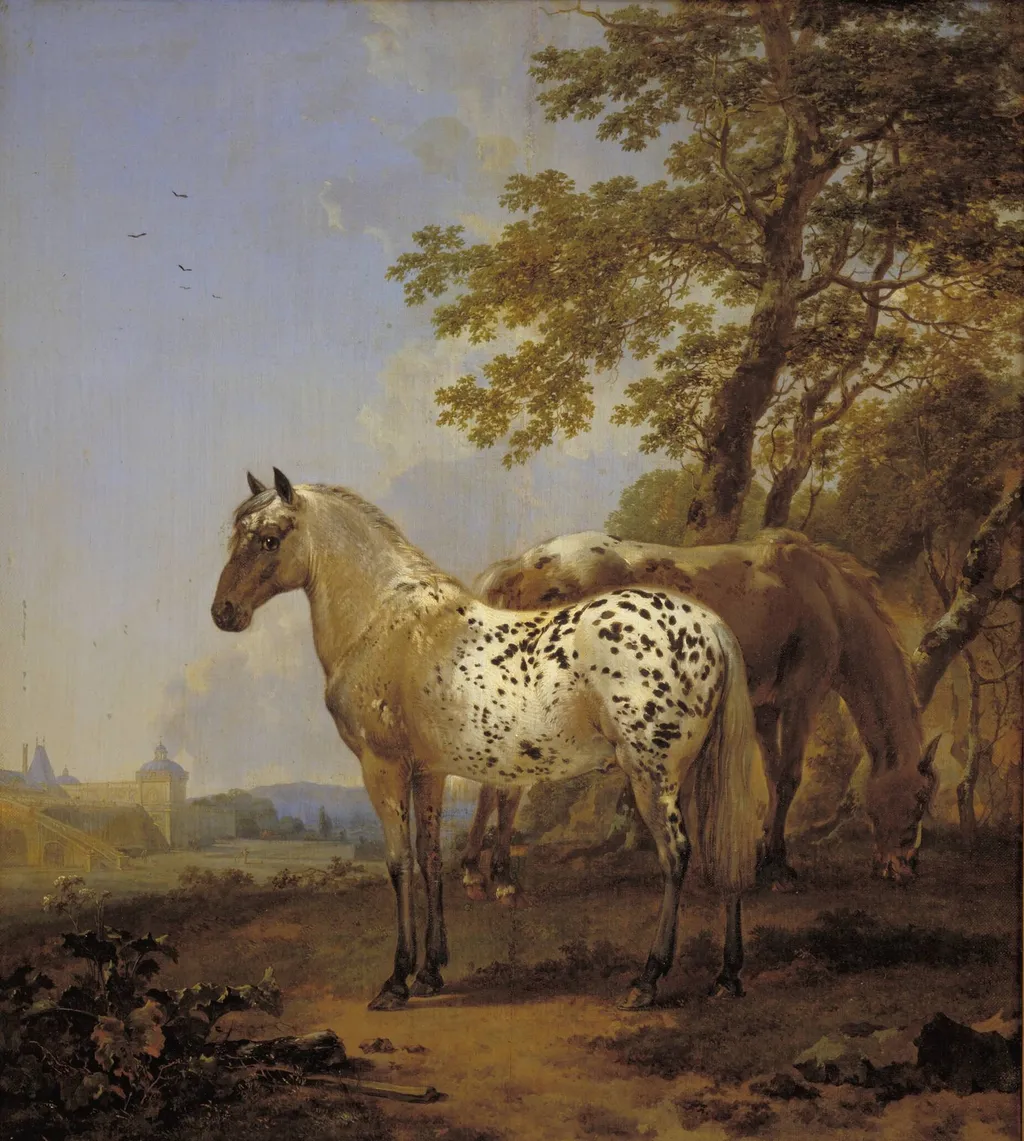
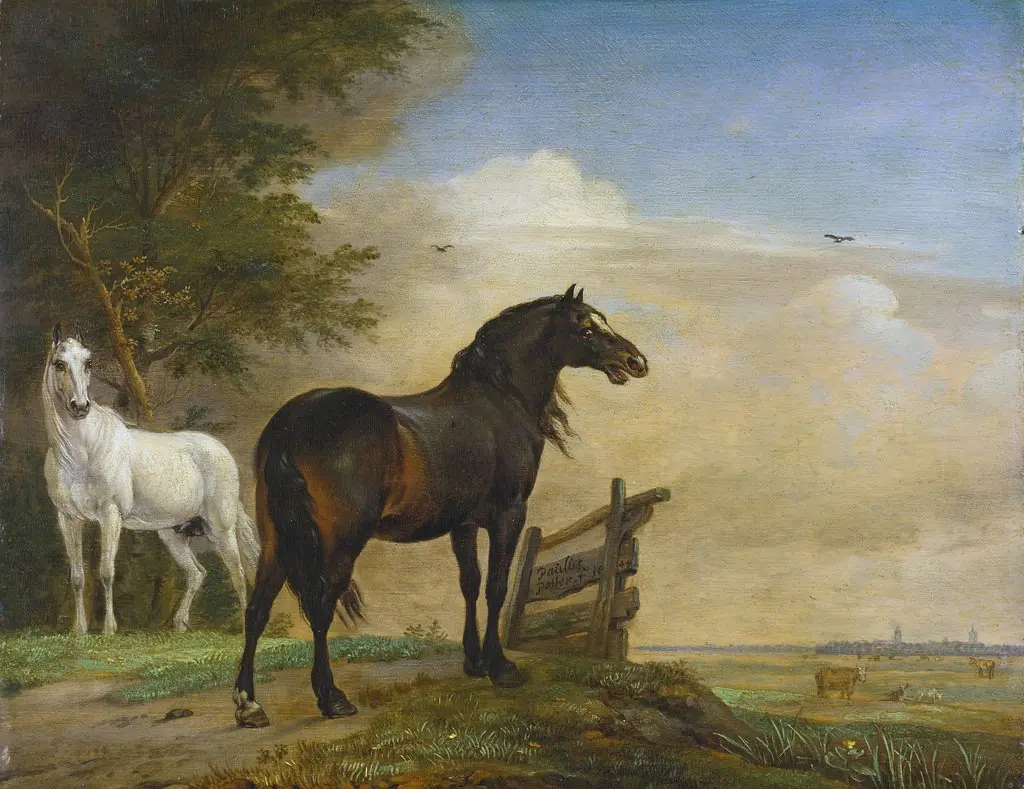
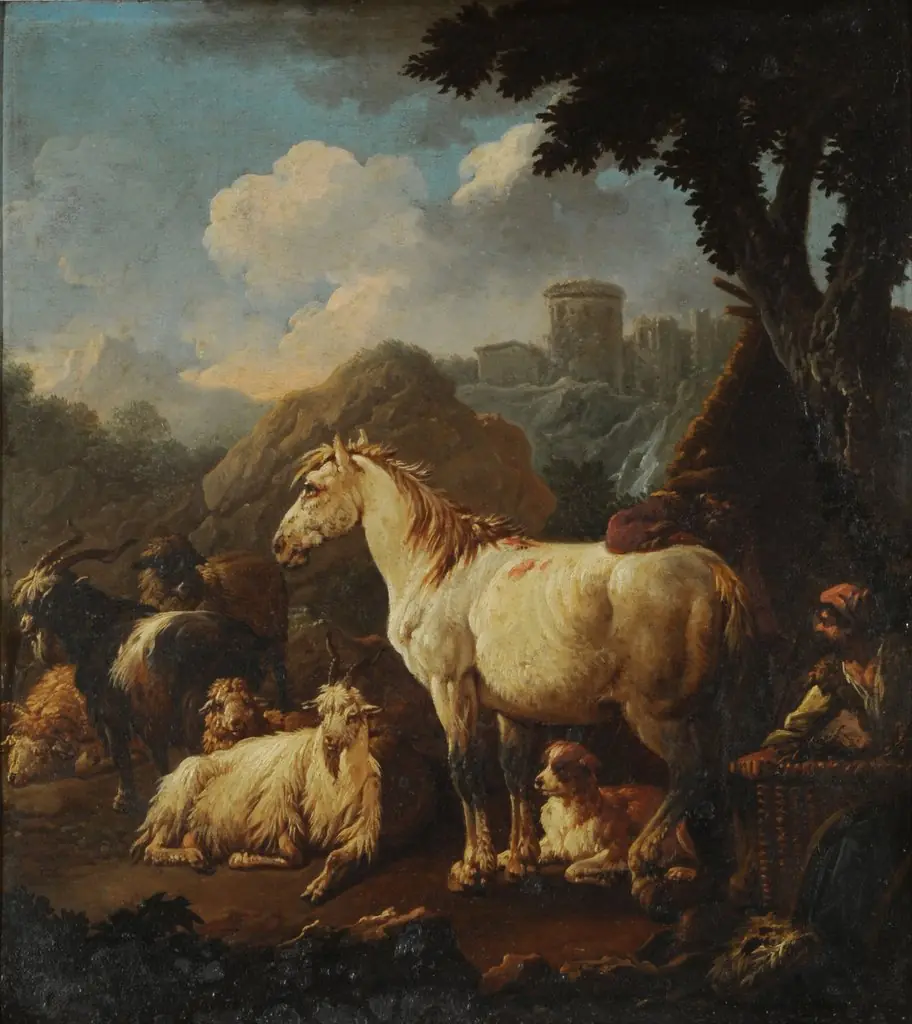
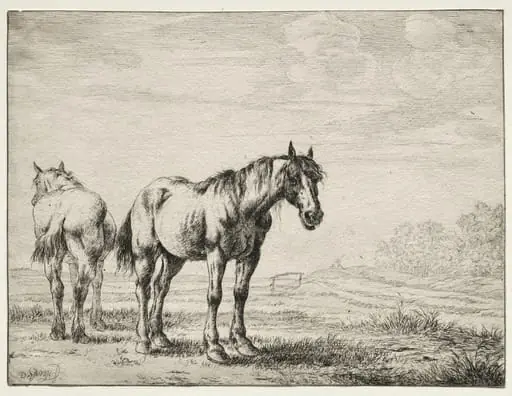
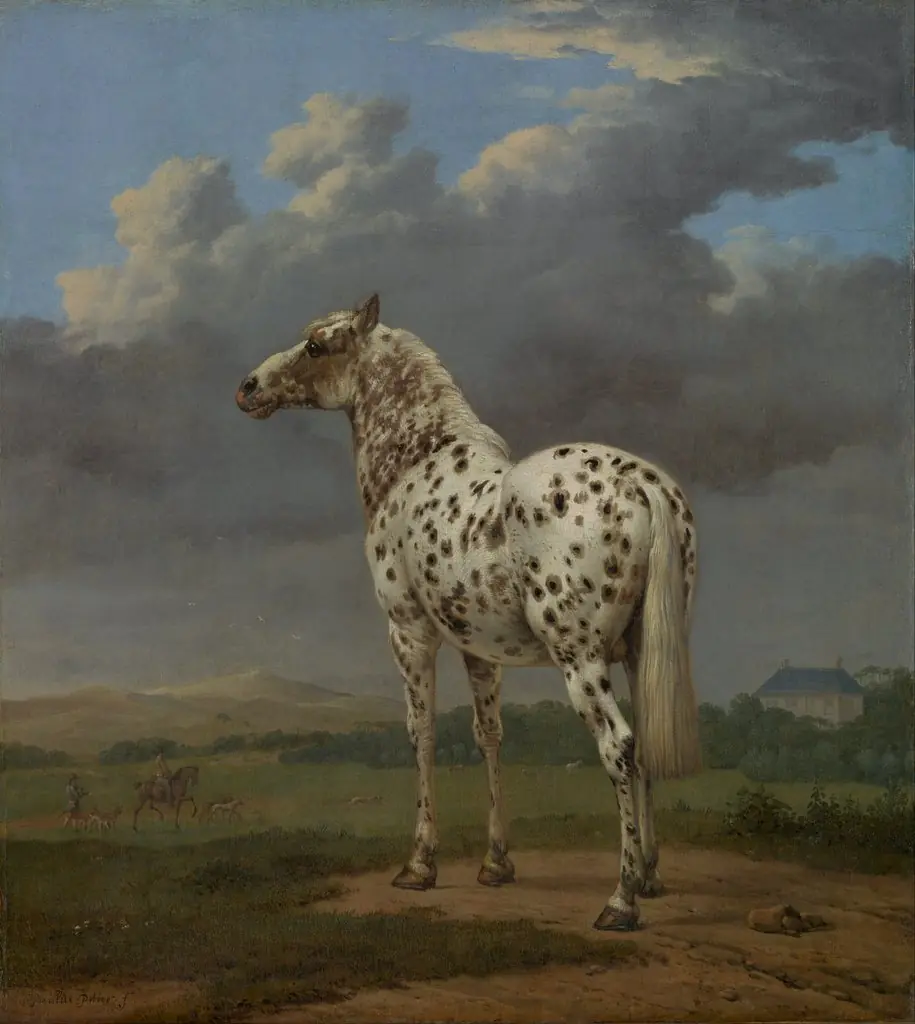
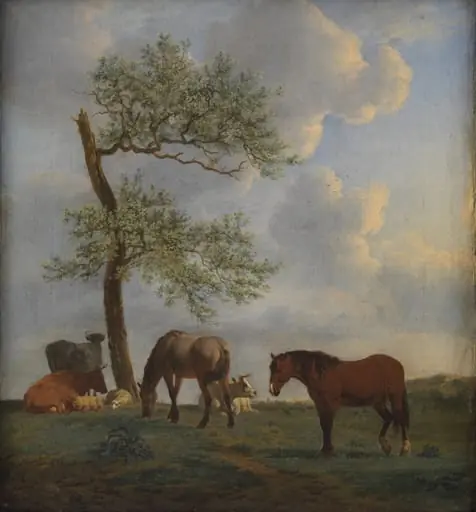
Two Horses in a Landscape is an unspecified painting by Unknown. It dates from 1650 and is held in the collection of the Statens Museum for Kunst. Created around 1650, this landscape painting depicts two horses standing quietly in an open field.
About this work
Overview
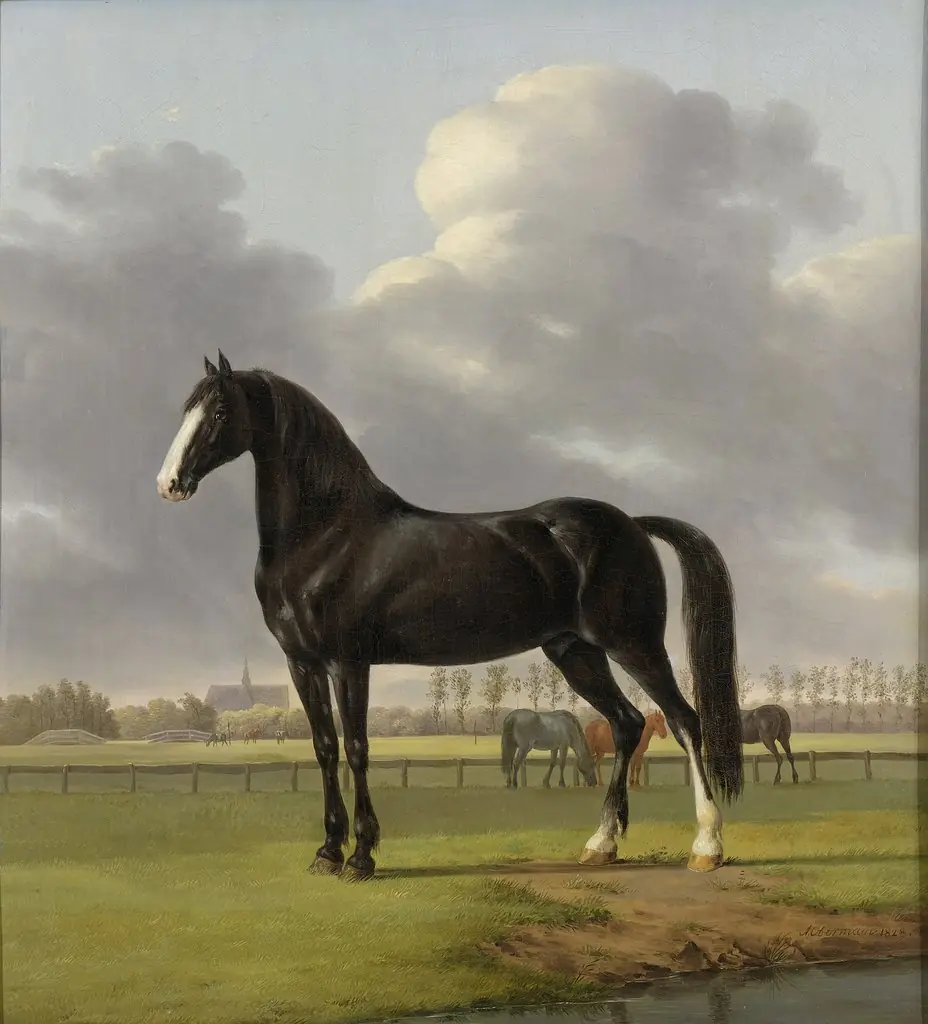
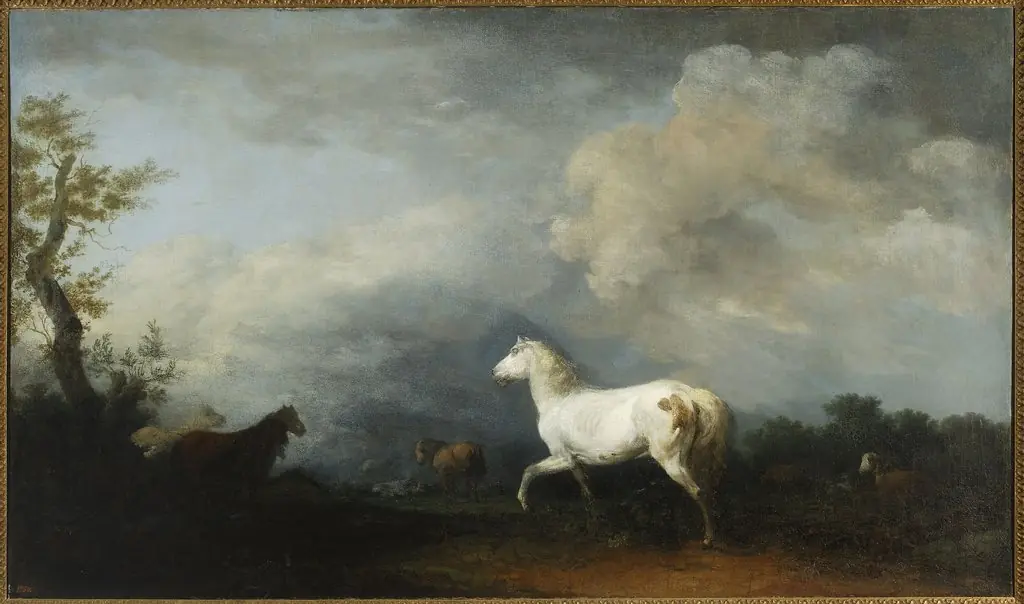
Created around 1650, this landscape painting depicts two horses standing quietly in an open field. The work is attributed to an artist active in the mid-17th century, though the name remains unverified in historical records. It is currently held in the collection of the Museum of Ethnography, where it is studied for its quiet observation of animal presence within a natural setting.
Subject & Meaning
The two horses, positioned side by side, convey a sense of stillness and mutual presence rather than action. Their calm postures suggest a moment of rest, possibly reflecting a pastoral ideal common in early modern European art. The absence of human figures or narrative elements shifts focus to the animals themselves, emphasizing their quiet dignity within the landscape.
Technique & Style
Delicate handling of shadow and tone, reminiscent of chiaroscuro, creates depth without dramatic contrast, supporting a restrained, observational aesthetic.
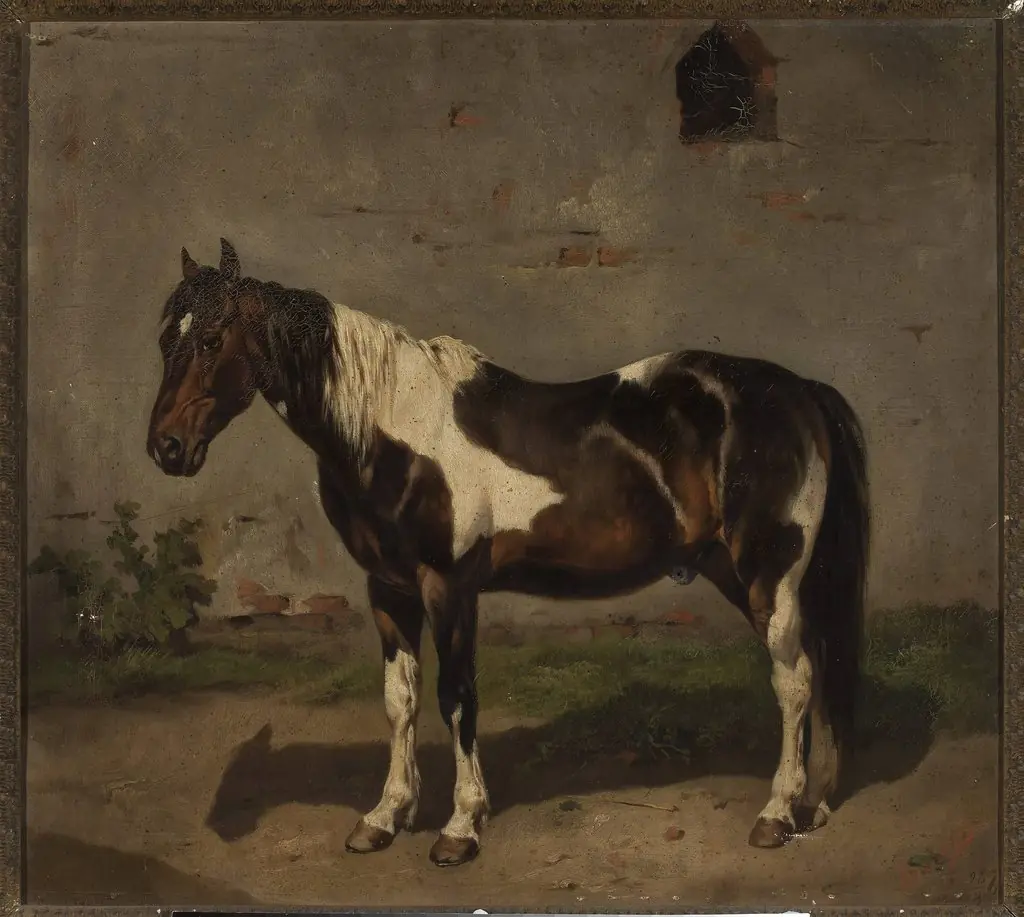
The artist employs soft focus in the background to isolate the horses, using subtle gradations of light to model their forms. The white horse, marked with dark patches, contrasts with the darker brown one, enhancing their three-dimensionality. Delicate handling of shadow and tone, reminiscent of chiaroscuro, creates depth without dramatic contrast, supporting a restrained, observational aesthetic.
History & Provenance
The painting’s early history is undocumented, but it entered the Museum of Ethnography’s collection in the late 19th or early 20th century. Its attribution to a specific artist remains uncertain, and it was likely acquired as part of a broader collection of European genre scenes. No records indicate its original commission or ownership prior to museum acquisition.
Context
In mid-17th-century Europe, depictions of animals in natural settings were increasingly valued for their realism and emotional restraint. This work aligns with a growing interest in observing nature without mythological or allegorical framing. Though not part of a major artistic movement, it reflects broader trends in landscape and animal painting during the Dutch and Flemish Golden Age.
Legacy
The painting contributes to the understanding of how non-human subjects were rendered with quiet attention in early modern art. While not widely reproduced or studied, its presence in an ethnographic museum underscores its role as a cultural artifact of rural life and animal perception. It remains a quiet example of observational realism from a period increasingly focused on the natural world.
Artist & collection

 Domestic Scene
 Giacomo and Cardinal Marco, investing Andrea, Abbot of San Zeno, with his Benefice
 The Nymph of Fontainebleau
 Portrait of a Woman
 Madonna and Child with Saints in the Enclosed Garden
 Venus and Minerva
 Family Group of Four on Sofa
 Wall painting from Room H of the Villa of P. Fannius Synistor at Boscoreale