Artwork
The Incredulity of Saint Thomas
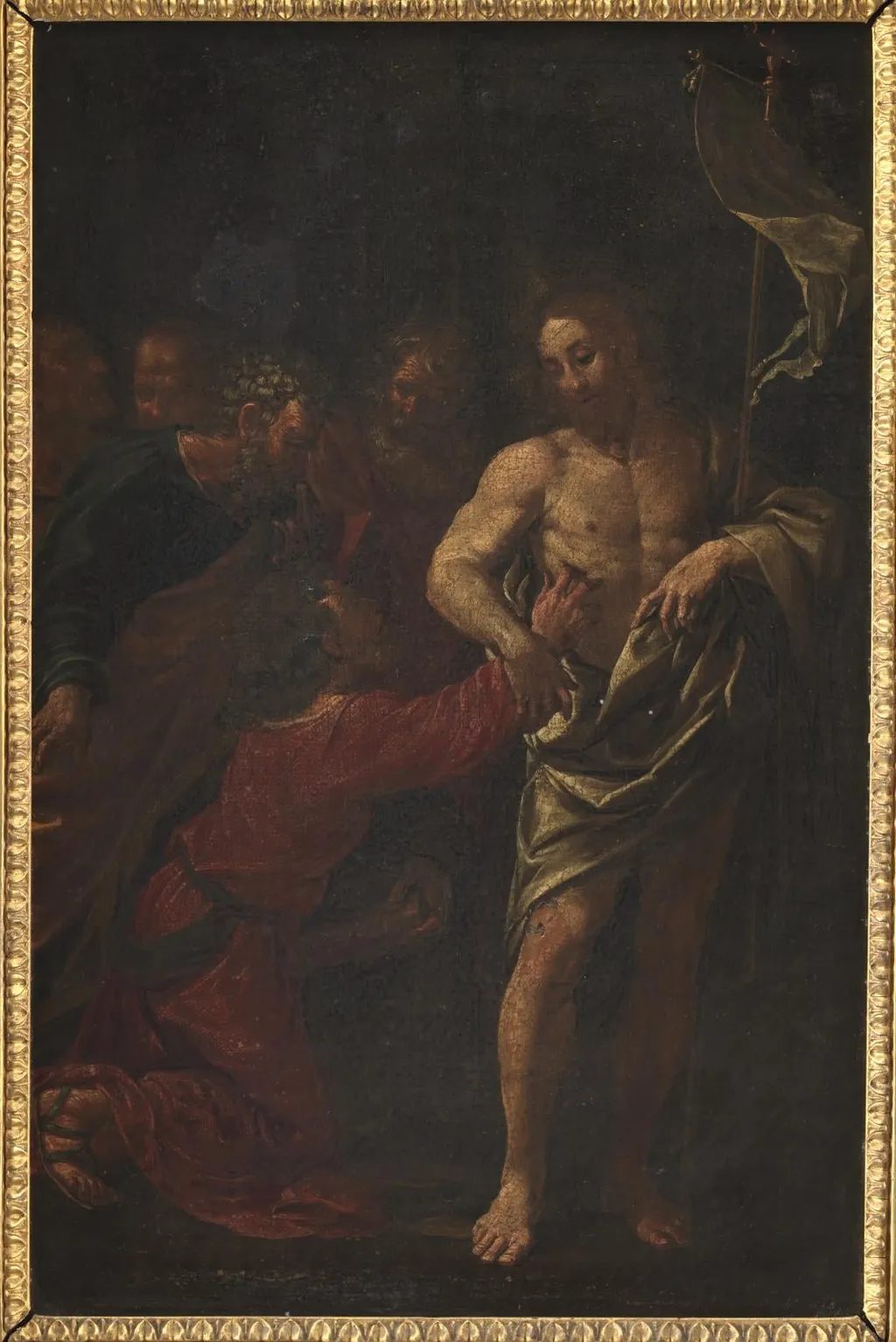
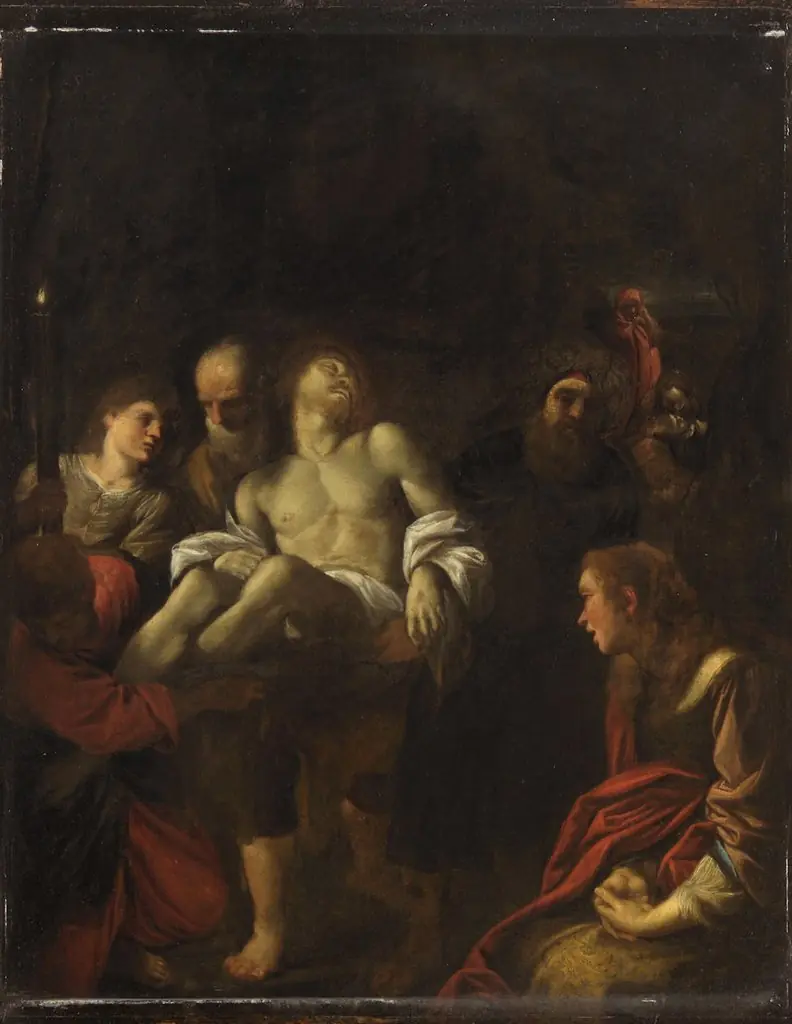
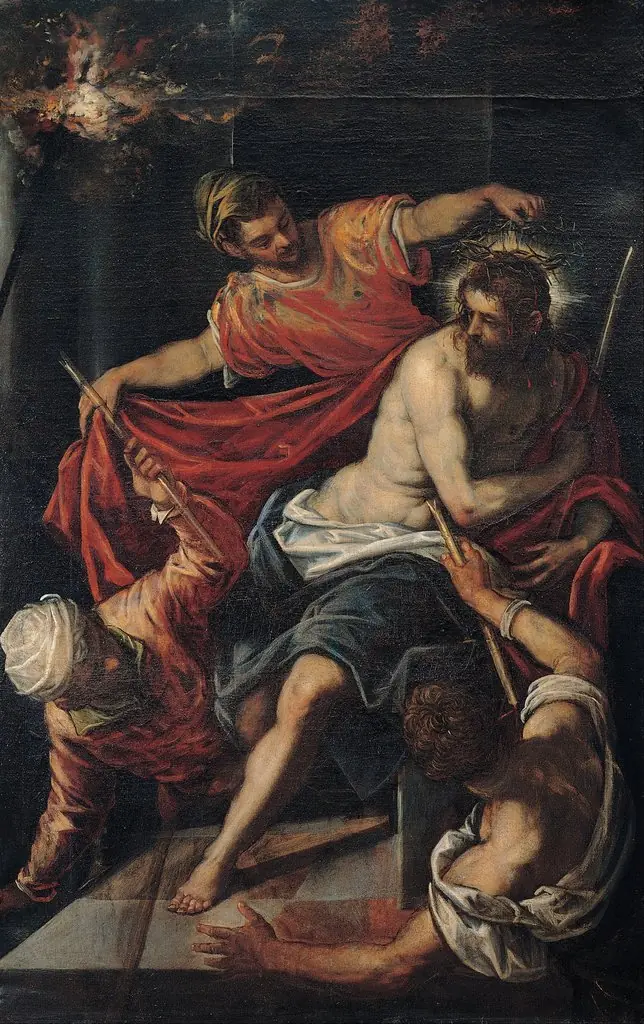
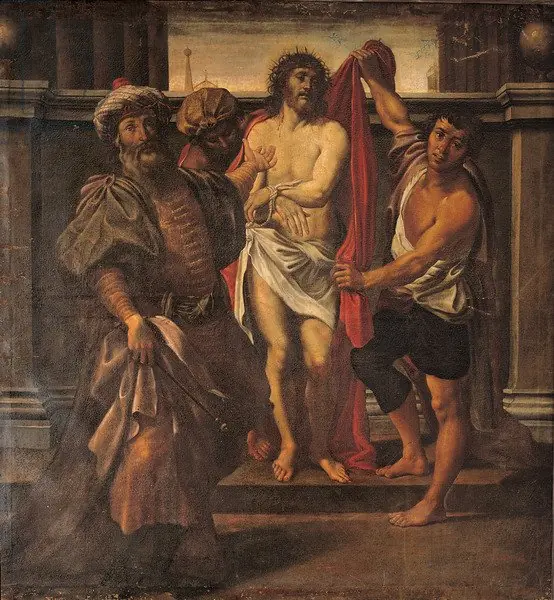
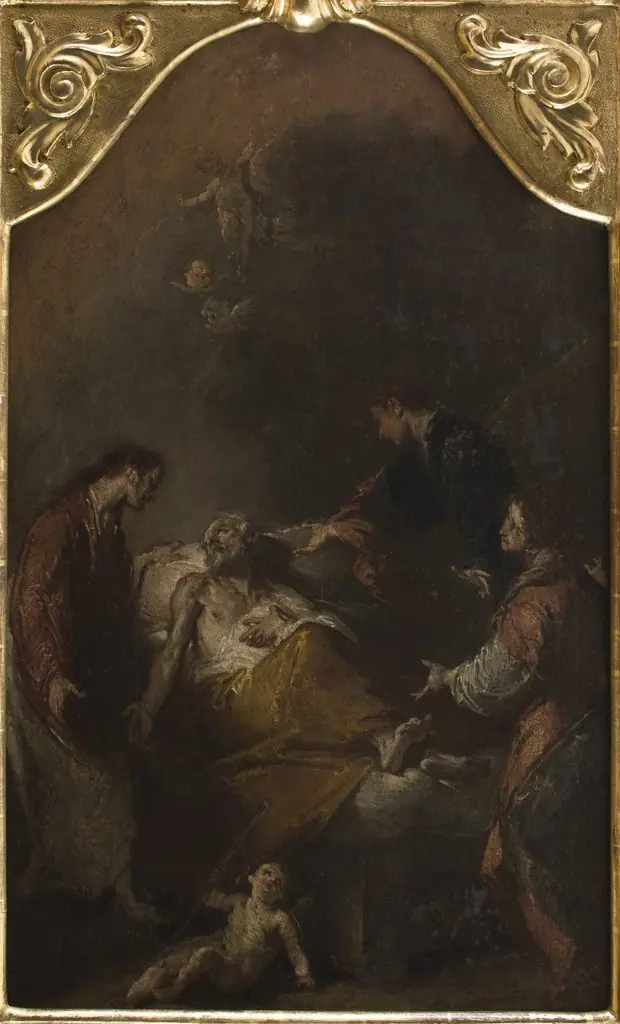
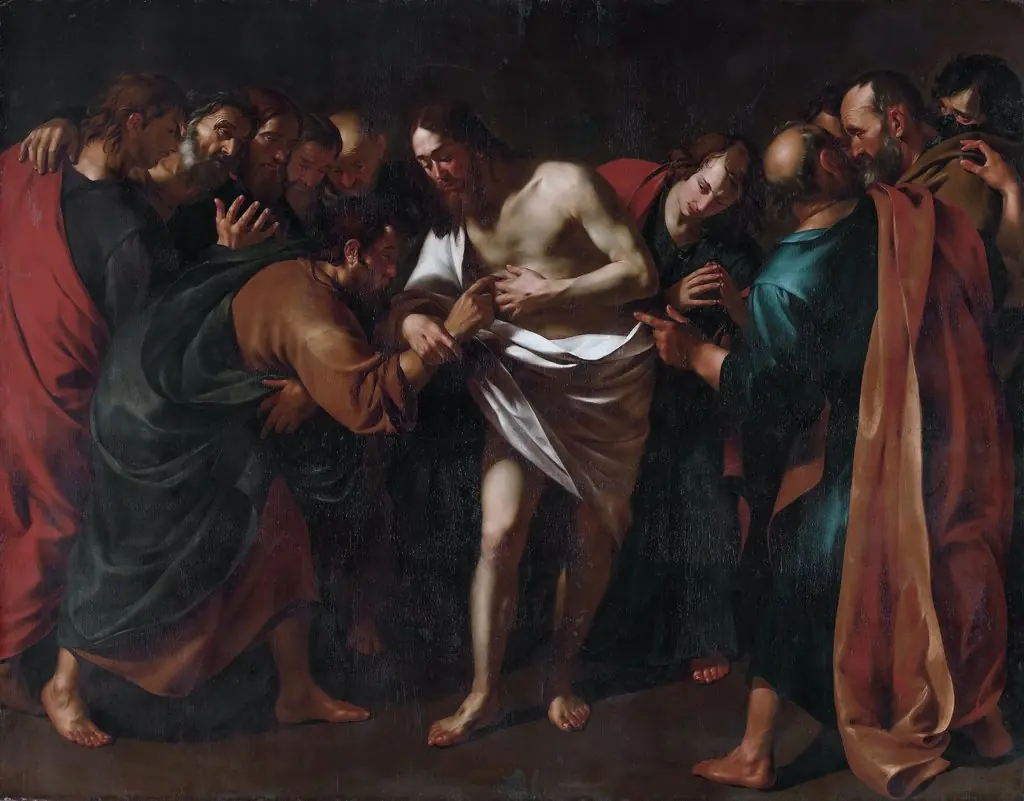
The Incredulity of Saint Thomas is a photography by Unknown. It dates from 1592 and is held in the collection of the Statens Museum for Kunst. Painted around 1592, this work depicts the moment Saint Thomas touches the wound in Christ’s side to confirm the Resurrection.
About this work
Overview
The composition isolates the figures against a dark ground, focusing attention on the physical and emotional tension of the encounter.
Painted around 1592, this work depicts the moment Saint Thomas touches the wound in Christ’s side to confirm the Resurrection. The scene is rendered in oil on canvas, with a restrained palette dominated by deep reds, browns, and shadow. The composition isolates the figures against a dark ground, focusing attention on the physical and emotional tension of the encounter. The painting is currently held in the collection of the Museum of Ethnography.
Subject & Meaning
The scene illustrates the biblical episode in which Thomas, doubting Christ’s resurrection, is invited to touch his side wound. Christ, calm and composed, guides Thomas’s hand, while two other figures observe in silence. The moment captures doubt transformed into belief through direct experience. The absence of overt drama underscores the quiet gravity of faith grounded in physical proof.
Technique & Style
The artist employs chiaroscuro to model the figures with dramatic precision, especially in the rendering of Christ’s torso, where light defines muscle and wound with startling clarity. The dark background enhances the three-dimensionality of the forms, while the rich, muted tones of the robes ground the scene in somber realism. Brushwork is controlled, favoring texture over flourish, emphasizing the physicality of the moment.
History & Provenance
The painting was created in the late 16th century, likely in Italy, during a period of intense religious imagery following the Counter-Reformation. It entered the Museum of Ethnography’s collection in the early 20th century, though its earlier ownership remains undocumented. Its attribution to a specific artist is uncertain, with stylistic links to regional Caravaggisti traditions.
Context
Created amid the Catholic Church’s efforts to reaffirm doctrine through visual means, the painting reflects the era’s emphasis on tangible evidence of divine events. The focus on physical contact with Christ’s wound aligns with theological debates about faith and proof. Its restrained composition contrasts with more theatrical contemporaries, suggesting a quieter, more introspective devotional approach.
Legacy
Though not widely exhibited, the painting contributes to the broader understanding of how religious themes were interpreted in regional workshops outside major artistic centers. Its use of light and psychological restraint influenced later devotional works in southern Europe. It remains a quiet example of how Caravaggio’s innovations were absorbed into smaller-scale, contemplative compositions.
Artist & collection

 Domestic Scene
 Giacomo and Cardinal Marco, investing Andrea, Abbot of San Zeno, with his Benefice
 The Nymph of Fontainebleau
 Portrait of a Woman
 Madonna and Child with Saints in the Enclosed Garden
 Venus and Minerva
 Family Group of Four on Sofa
 Wall painting from Room H of the Villa of P. Fannius Synistor at Boscoreale