Artwork
The Presentation of Christ in the Temple, and the Baptism of Christ
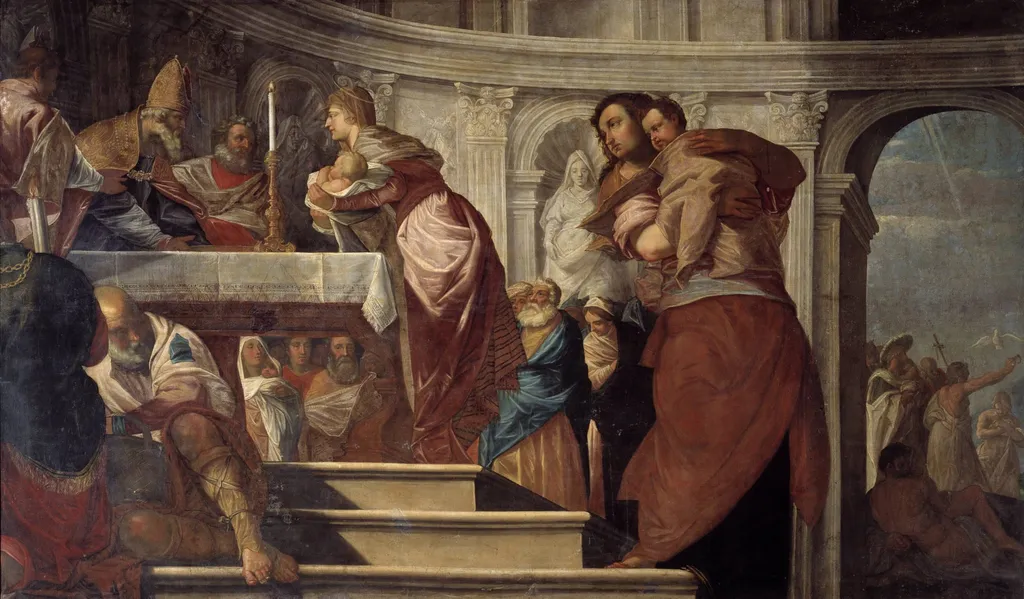
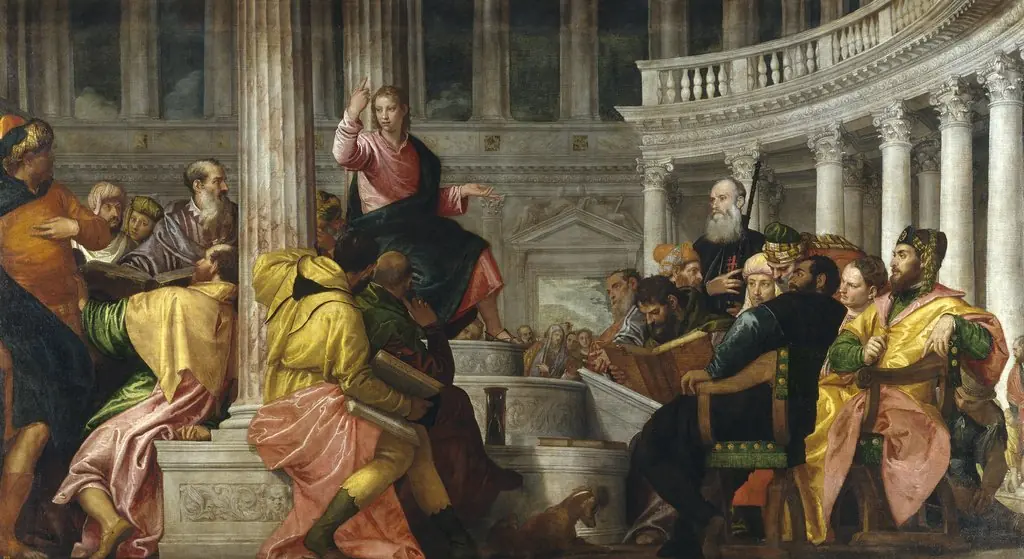
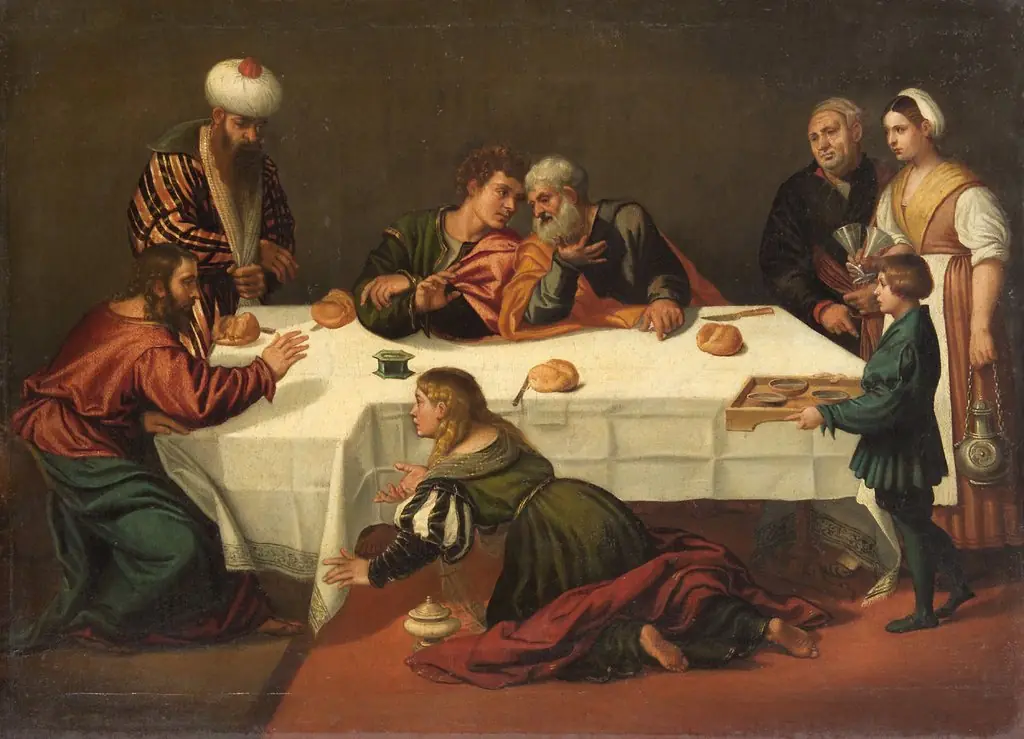
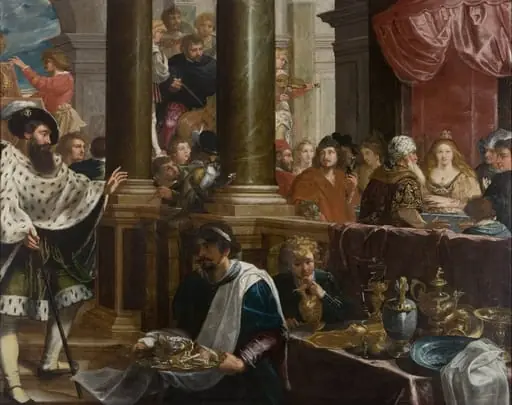
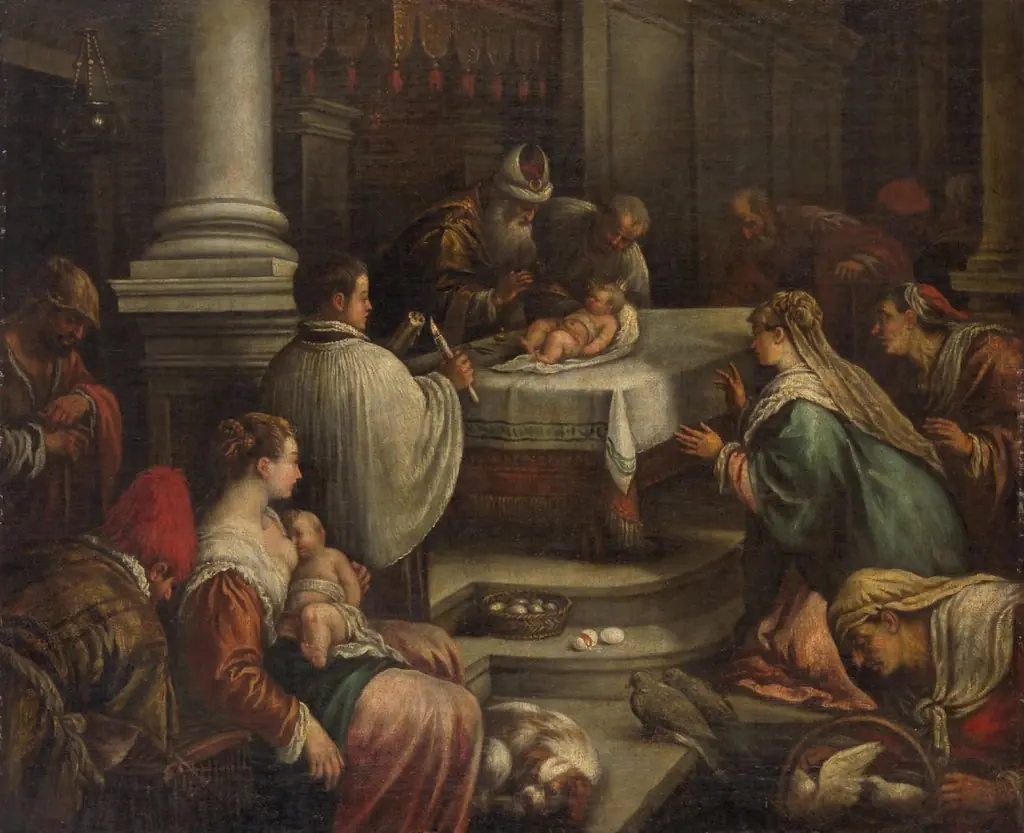
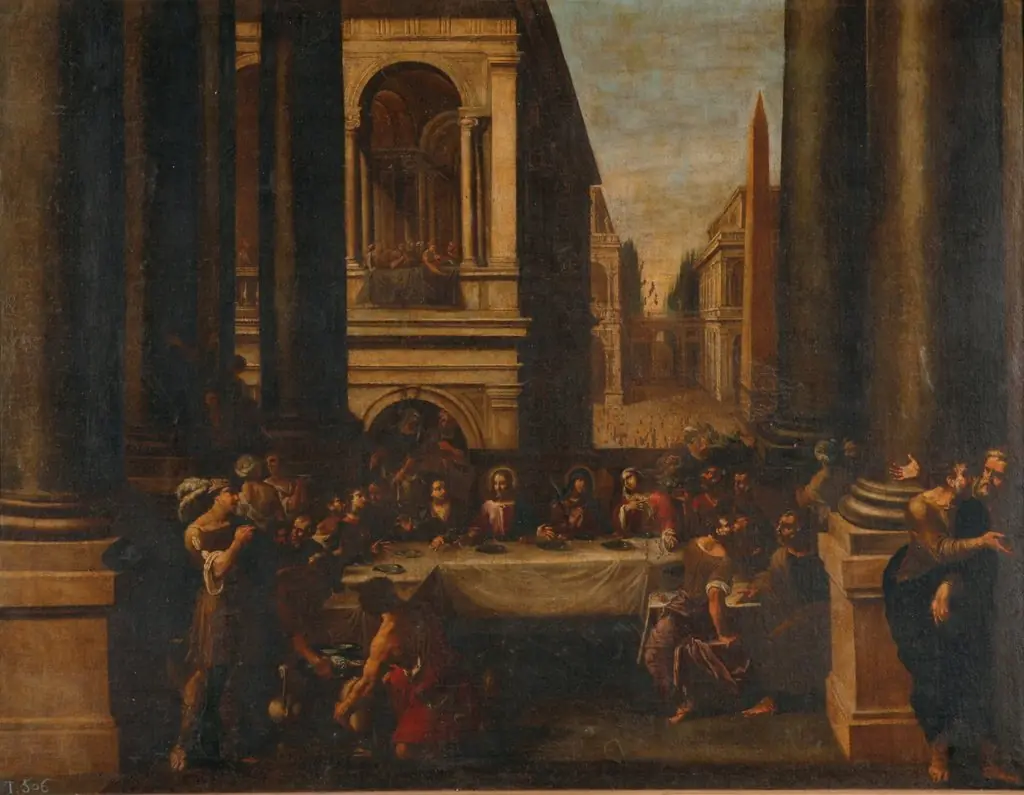
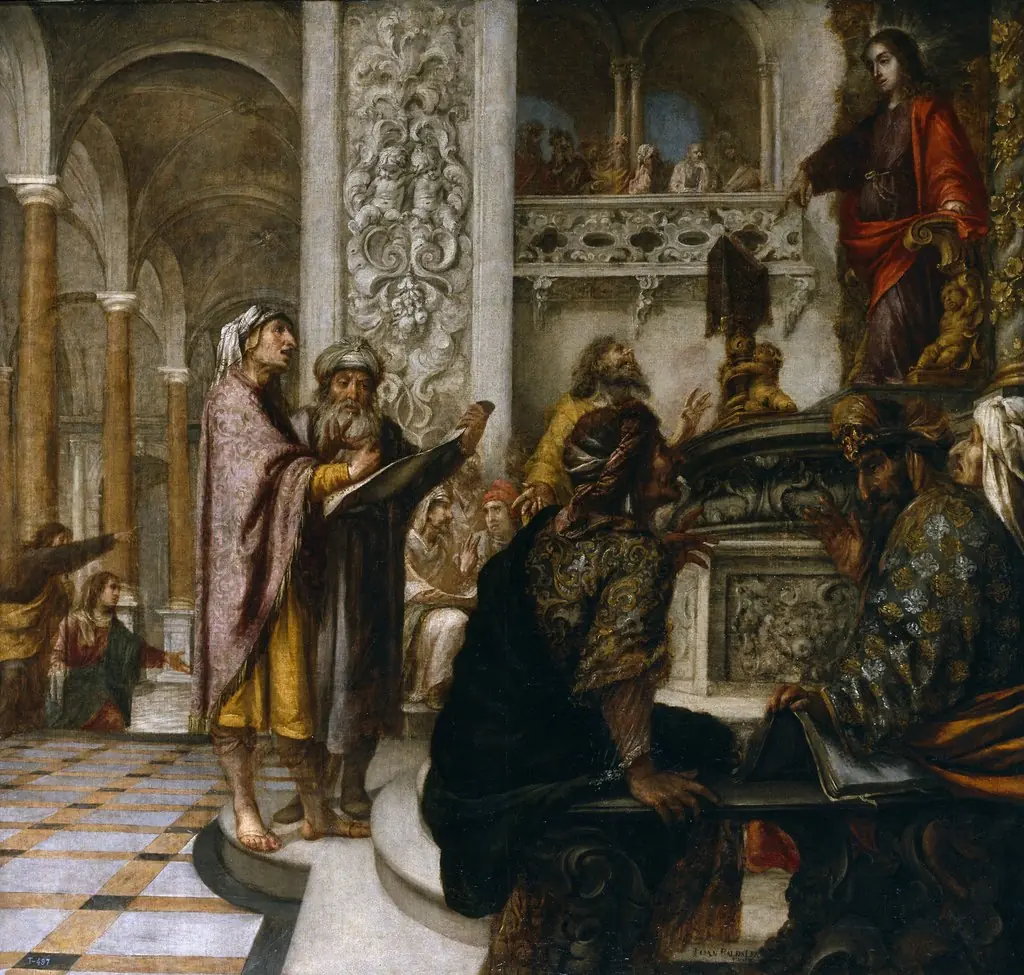
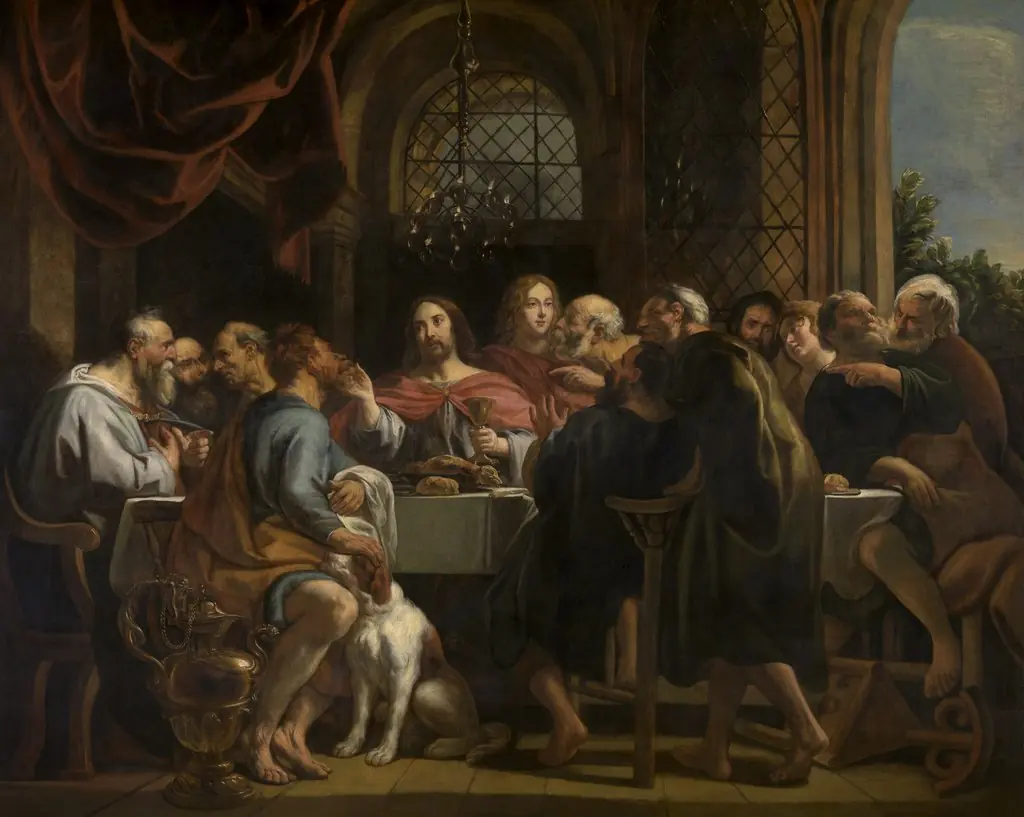
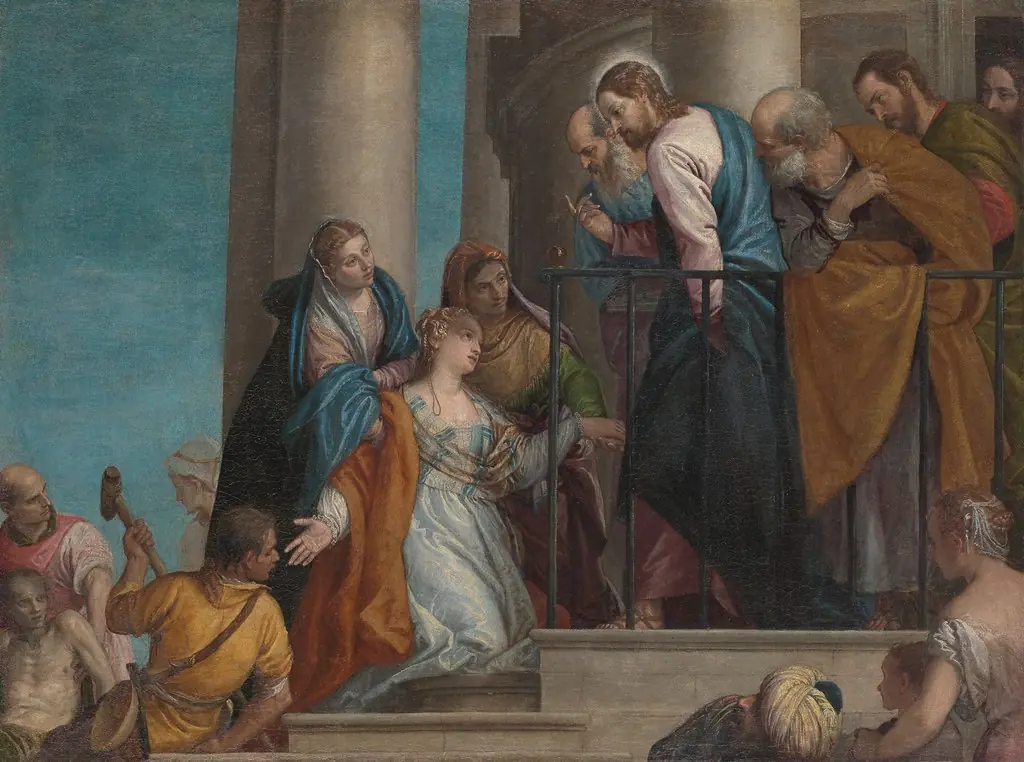
The Presentation of Christ in the Temple, and the Baptism of Christ is a photography by Unknown. It dates from 1650 and is held in the collection of the Statens Museum for Kunst. This painting combines two biblical events—Christ’s presentation in the Temple and his baptism—within a single composition.
About this work
Overview
The work is held in the Museum of Ethnography, though its origins lie in a European religious context, not an ethnographic one.
This painting combines two biblical events—Christ’s presentation in the Temple and his baptism—within a single composition. Created around 1650, it reflects a devotional tradition that sought to unify key moments in Christ’s early life. The work is held in the Museum of Ethnography, though its origins lie in a European religious context, not an ethnographic one. Its dual narrative structure invites viewers to contemplate sacred beginnings through visual juxtaposition.
Subject & Meaning
The left panel depicts the ritual presentation of the infant Jesus, as described in Luke’s Gospel, where Mary and Joseph offer him to God in the Temple. The right panel shows Jesus being baptized by John the Baptist in the Jordan River. Together, these scenes frame Christ’s life as both fulfillment of Jewish law and the start of his public ministry. The inclusion of witnesses in both scenes underscores communal recognition of divine significance.
Technique & Style
The artist employs chiaroscuro to model figures with dramatic contrasts between light and shadow, enhancing emotional gravity. Rich pigments—crimson robes, azure garments, and earth-toned fabrics—create visual harmony without excess ornamentation. Figures are arranged in compact, hierarchical groupings, guiding the viewer’s eye across the narrative. The brushwork is precise yet restrained, favoring clarity over theatricality, typical of mid-17th-century devotional painting.
History & Provenance
The painting was likely commissioned for private devotion or a small chapel, common in Catholic regions during the Counter-Reformation. It entered the Museum of Ethnography’s collection in the late 19th or early 20th century, possibly through colonial-era acquisitions or ecclesiastical transfers. Its classification in an ethnographic institution reflects historical misinterpretations of religious art as cultural artifact rather than theological expression.
Context
Produced during a period when the Catholic Church emphasized visual instruction in faith, this work aligns with Tridentine ideals promoting clear, emotionally resonant religious imagery. Similar compositions appeared across Italy and the Low Countries, often in altarpieces or domestic devotional settings. The dual-scene format was a practical solution to space constraints, allowing multiple sacred moments to be venerated simultaneously.
Legacy
Though not widely known today, the painting exemplifies how religious narratives were visually synthesized for contemplative use. Its presence in an ethnographic museum highlights shifting attitudes toward sacred art—once revered as spiritual conduits, later cataloged as cultural objects. It remains a quiet testament to the persistence of devotional imagery beyond ecclesiastical walls.
Artist & collection

 Domestic Scene
 Giacomo and Cardinal Marco, investing Andrea, Abbot of San Zeno, with his Benefice
 The Nymph of Fontainebleau
 Portrait of a Woman
 Madonna and Child with Saints in the Enclosed Garden
 Venus and Minerva
 Family Group of Four on Sofa
 Wall painting from Room H of the Villa of P. Fannius Synistor at Boscoreale