Artwork
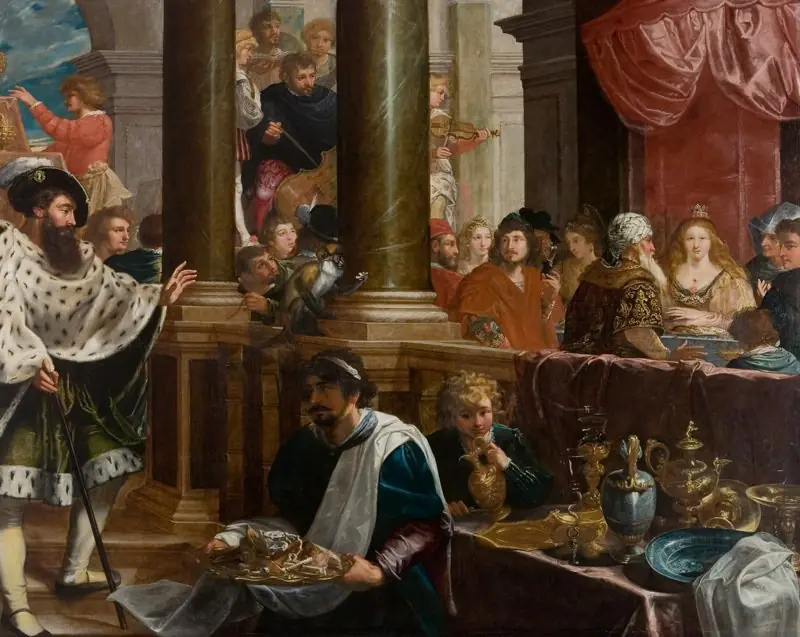
A Feast
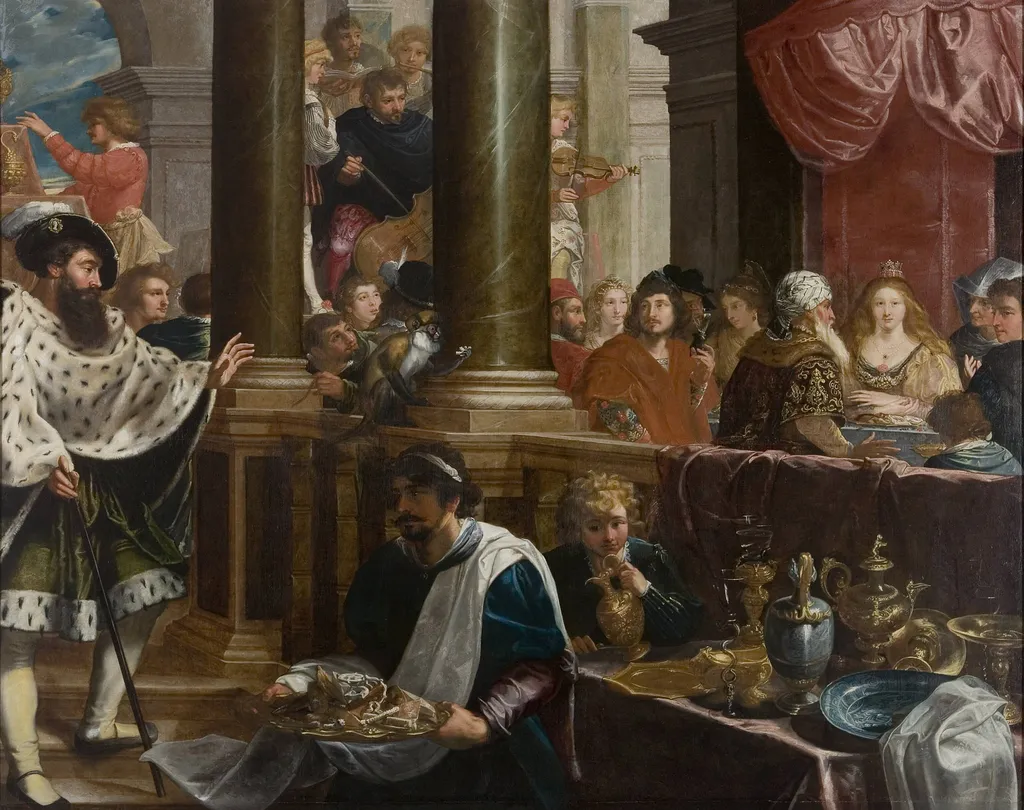
A Feast is a photography by the Baroque artist Unknown. It dates from 1622 and is held in the collection of the Statens Museum for Kunst.
About this work
Overview
Created in 1622 by the artist known as 34164_person, A Feast is a large-scale painting depicting a sumptuous banquet. It resides in the Museum of Ethnography, where it serves as a visual record of elite social rituals in early 17th-century Europe. The composition centers on a crowded interior filled with abundance, where service and spectacle intertwine.
Subject & Meaning
The scene portrays a formal feast attended by well-dressed guests, suggesting aristocratic or noble gatherings. A servant in a white apron and hat delivers food, emphasizing hierarchy and labor behind luxury. The abundance of food and ornate setting reflects status and hospitality as social performances, not merely meals.
Technique & Style
Rendered in the Baroque tradition, the painting employs deep shadows and vivid contrasts to heighten drama. Rich pigments accentuate textures of fabric, metal, and food, while the high-ceilinged room draws the eye upward. The arrangement of figures creates a dynamic, almost theatrical rhythm, typical of Baroque compositional strategies.
History & Provenance
The painting entered the Museum of Ethnography’s collection as part of a broader effort to document domestic and ceremonial life in early modern Europe. Its origin prior to museum acquisition remains undocumented, though its style and subject align with Northern European elite portraiture of the period.
Context
In the 1620s, feasts were key expressions of power and social cohesion among European elites. Such gatherings reinforced alliances and displayed wealth through food, tableware, and attire. Paintings like this served both as personal mementos and public statements of status, often commissioned for private residences.
Legacy
A Feast contributes to scholarly understanding of material culture and social hierarchy in the Baroque era. While not widely exhibited outside ethnographic contexts, it remains a valuable reference for studies on consumption, labor, and visual representation in early modern Europe.
Artist & collection

 Domestic Scene
 Giacomo and Cardinal Marco, investing Andrea, Abbot of San Zeno, with his Benefice
 The Nymph of Fontainebleau
 Portrait of a Woman
 Madonna and Child with Saints in the Enclosed Garden
 Venus and Minerva
 Family Group of Four on Sofa
 Wall painting from Room H of the Villa of P. Fannius Synistor at Boscoreale
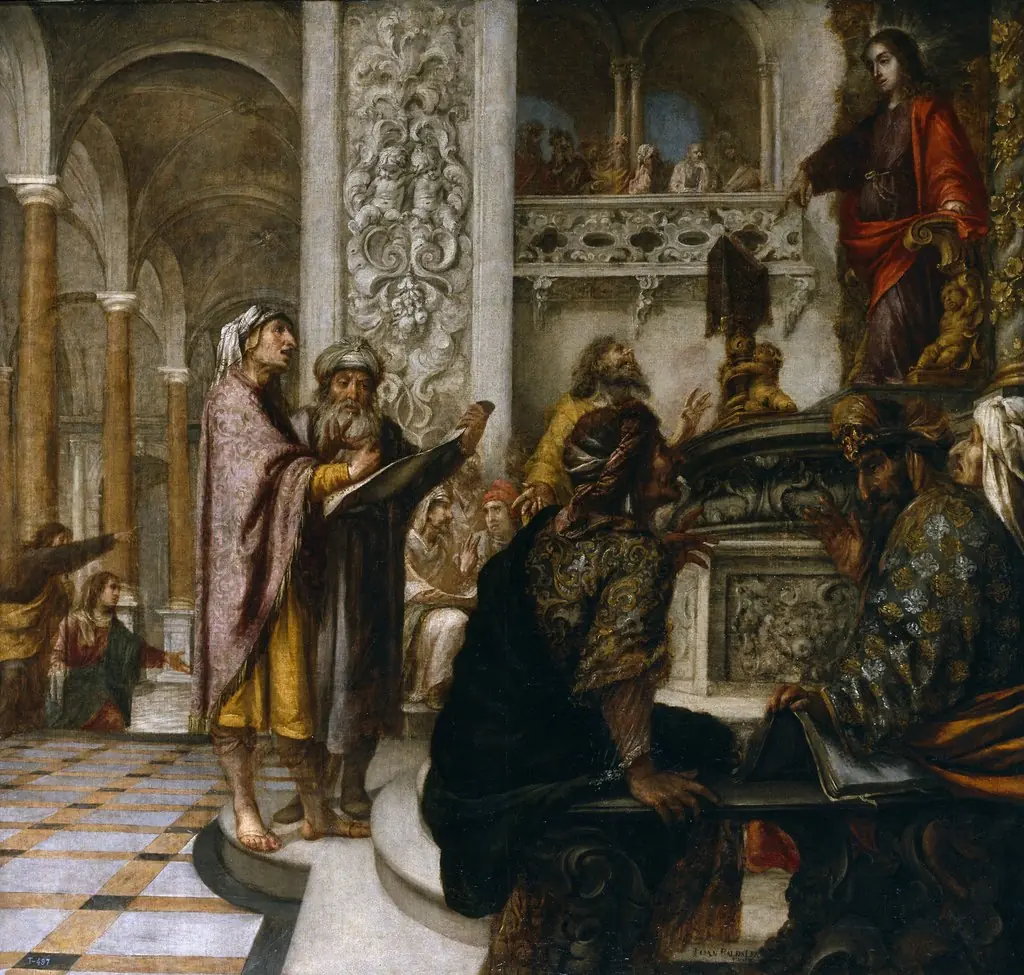 Christ disputing with the Doctors
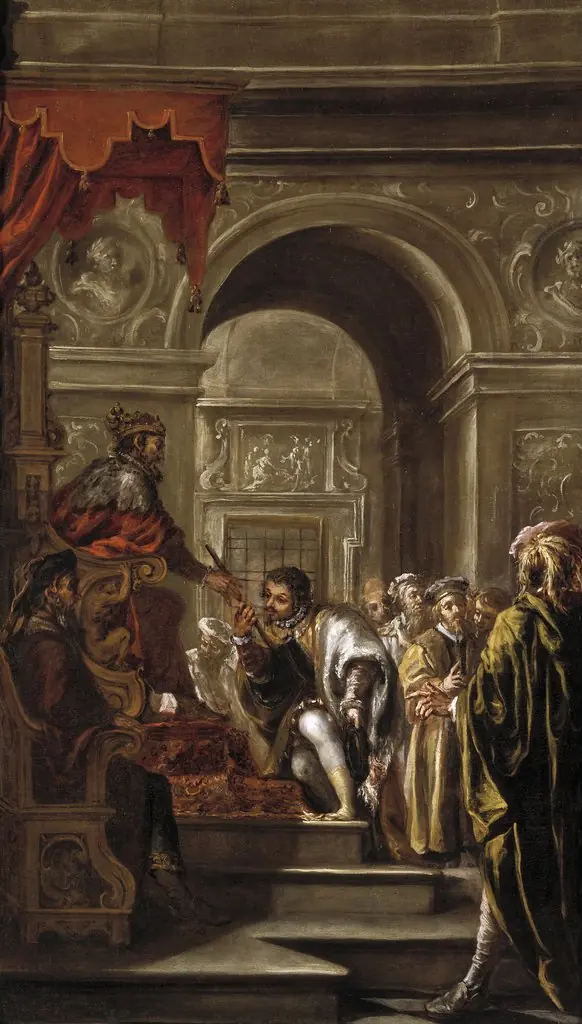 Saint Ambrose appointed Governor of Liguria and Emilia
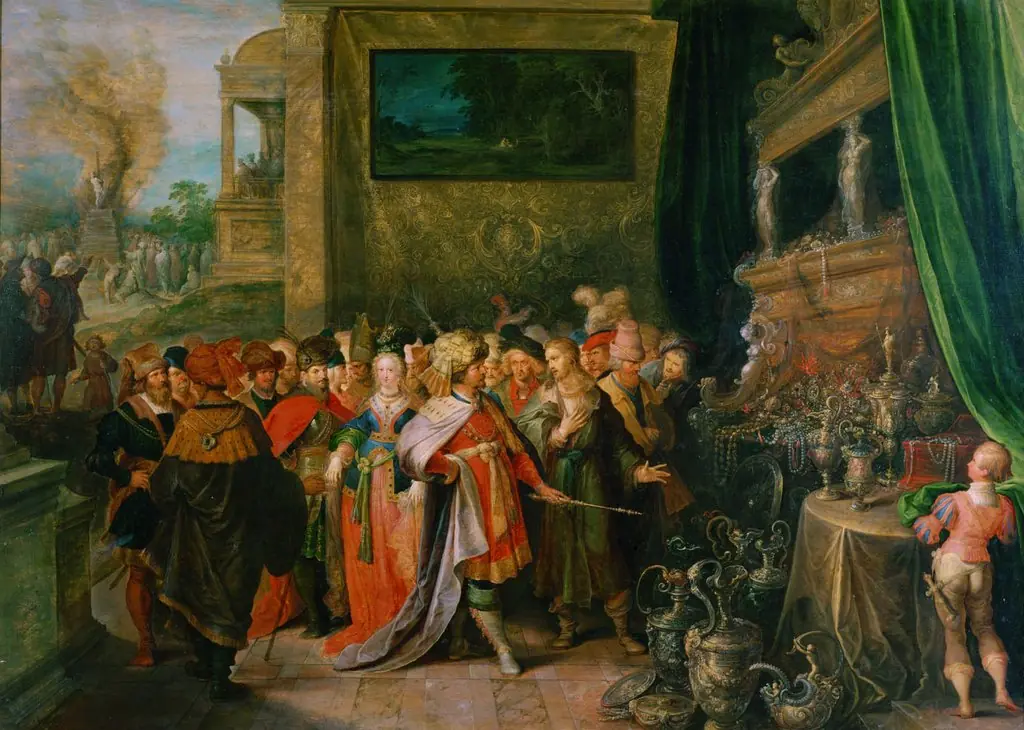 Croesus displays his treasures to Solon
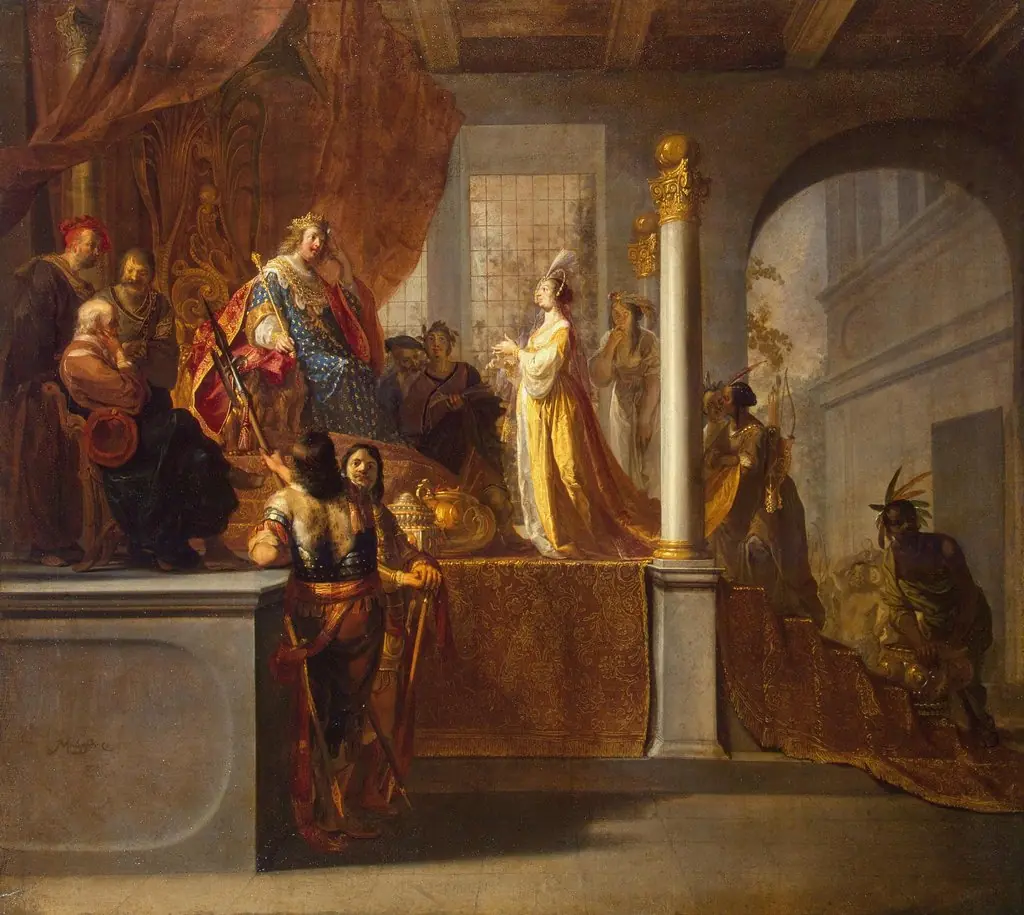 Queen of Sheba before Solomon
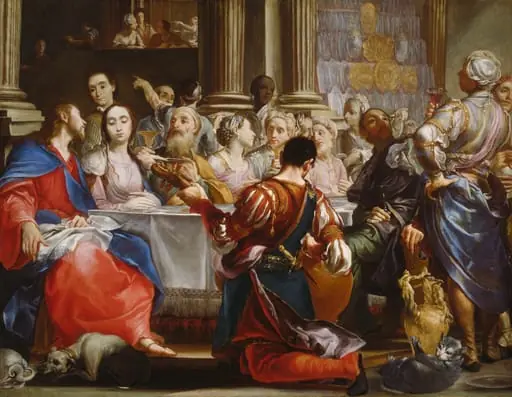 The Wedding at Cana
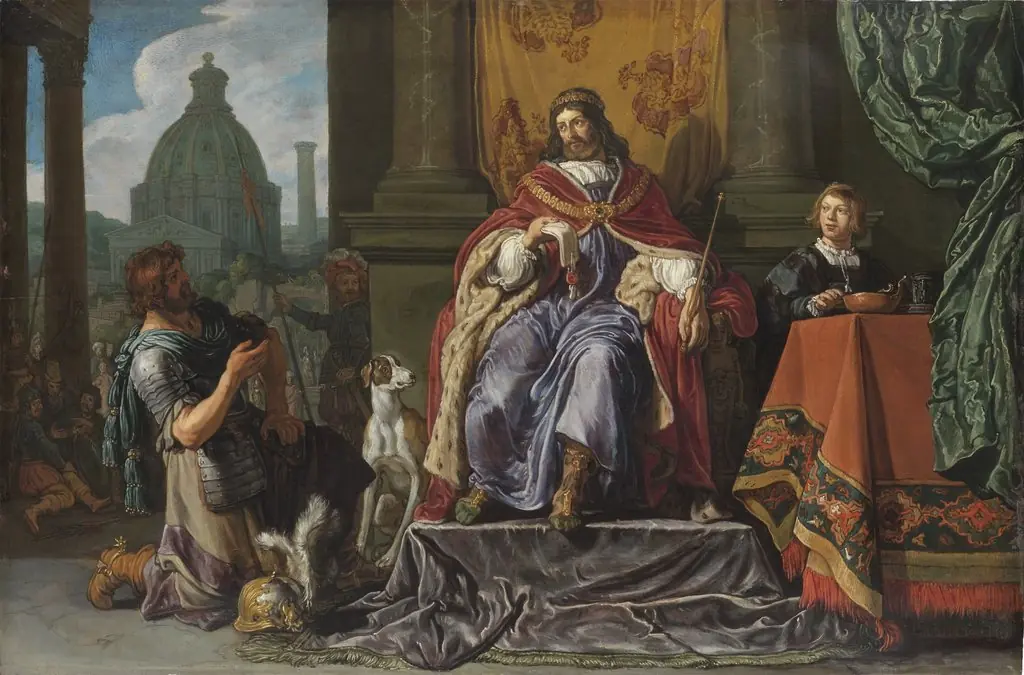 David Gives Uriah a Letter for Joab
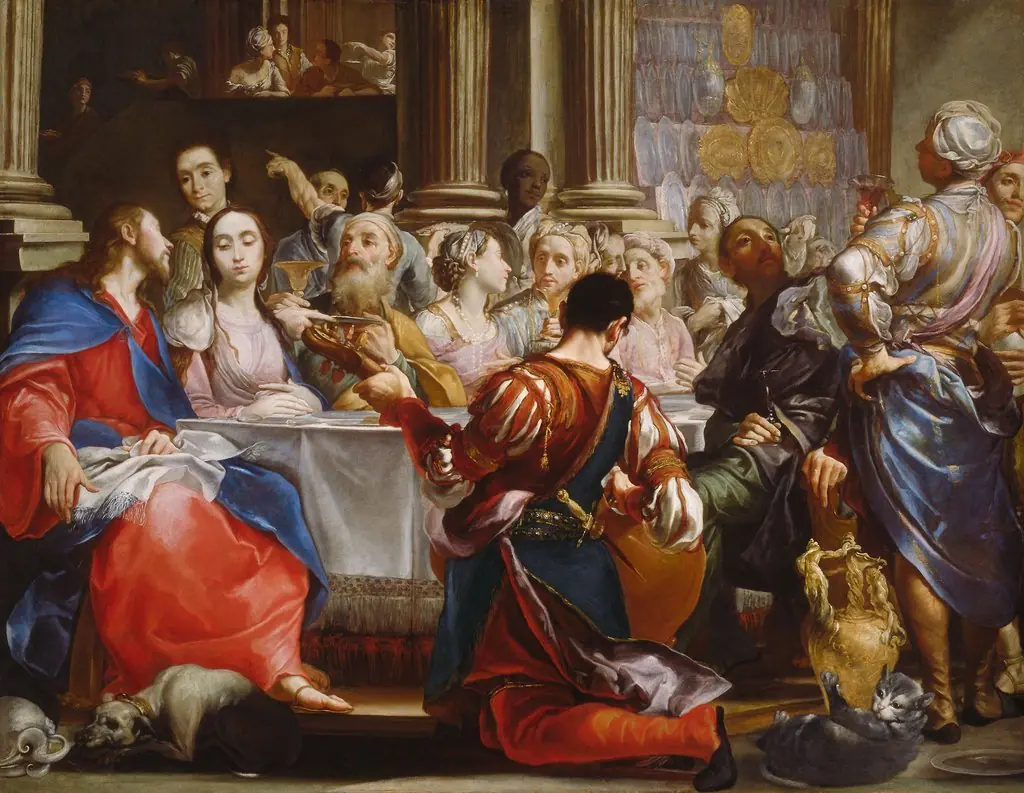 The Wedding at Cana
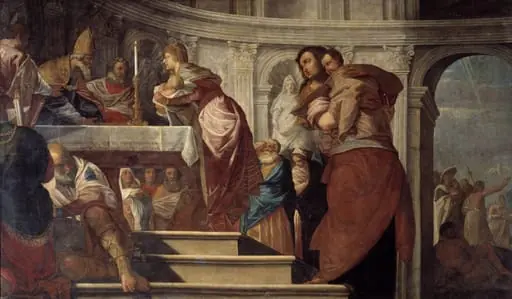 The Presentation of Christ in the Temple, and the Baptism of Christ
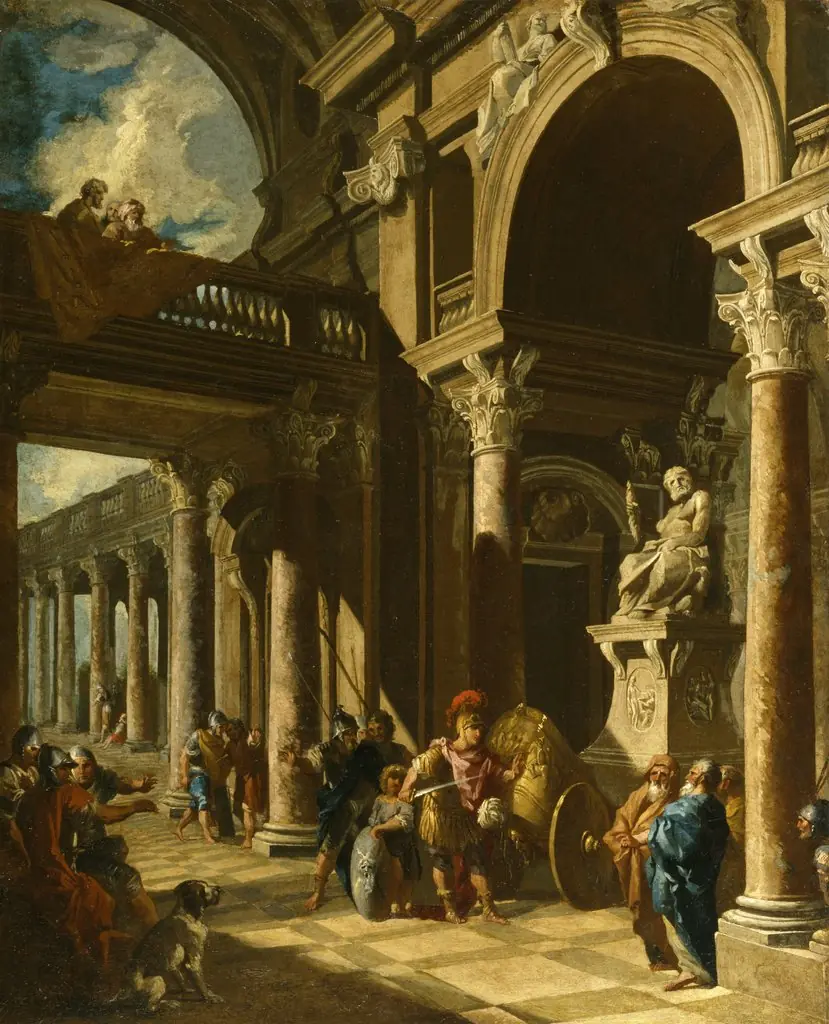 Alexander the Great Cutting the Gordian Knot
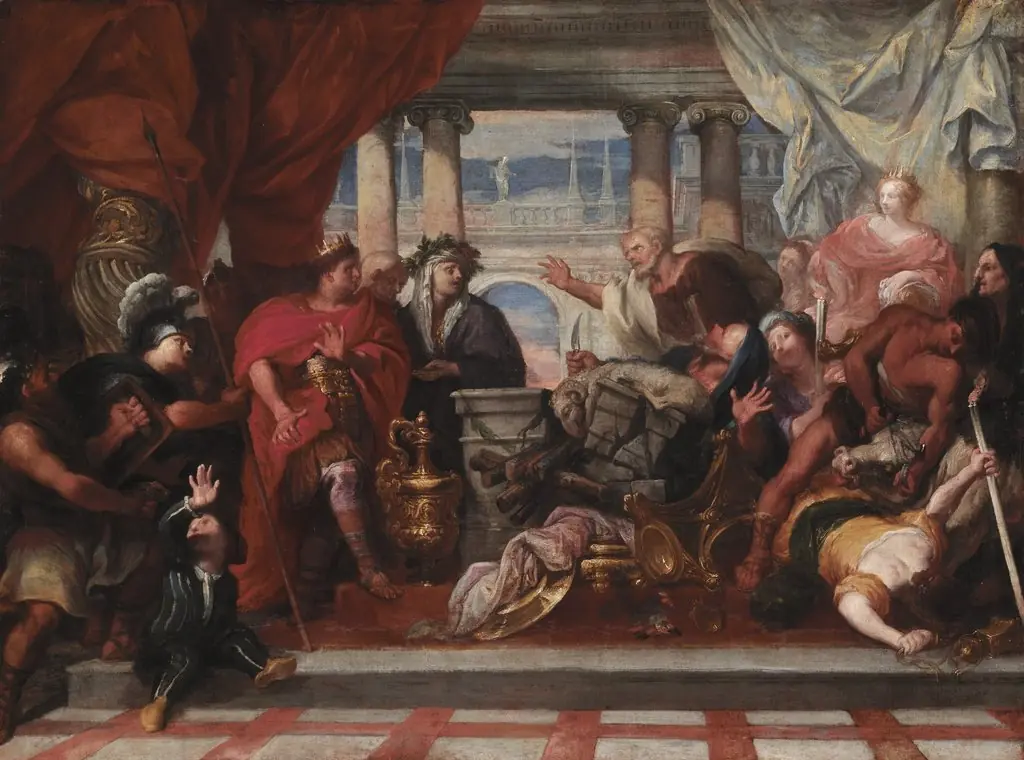 Scene of Sacrifice
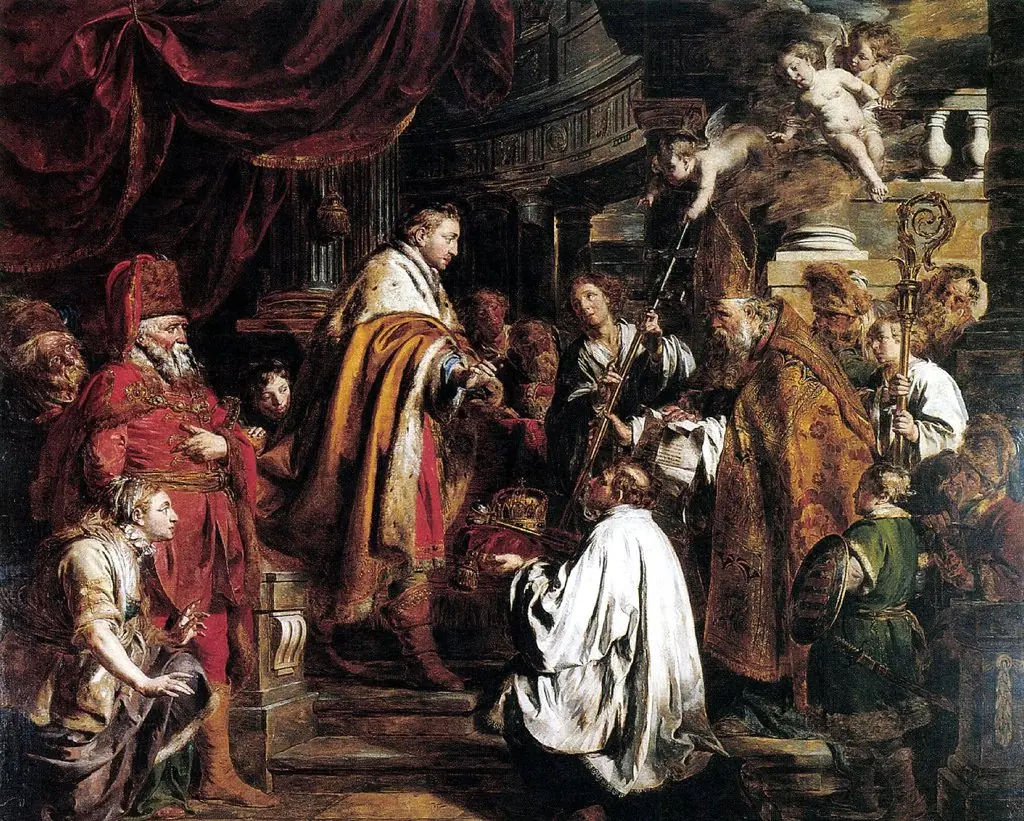 Saint Stephen, king of Hungary Receiving the Legate
 A Feast