Artwork
Portrait of Martin Luther
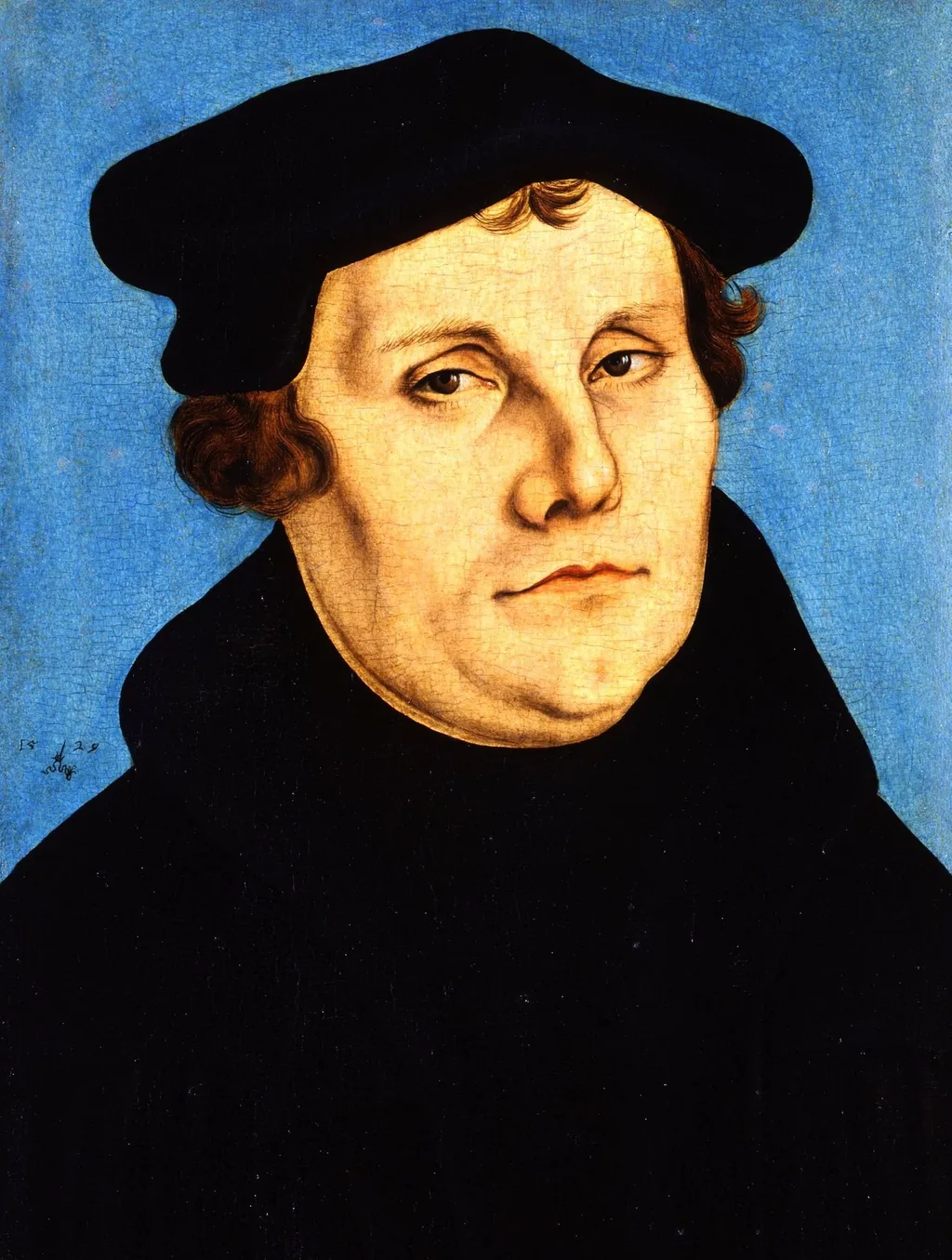
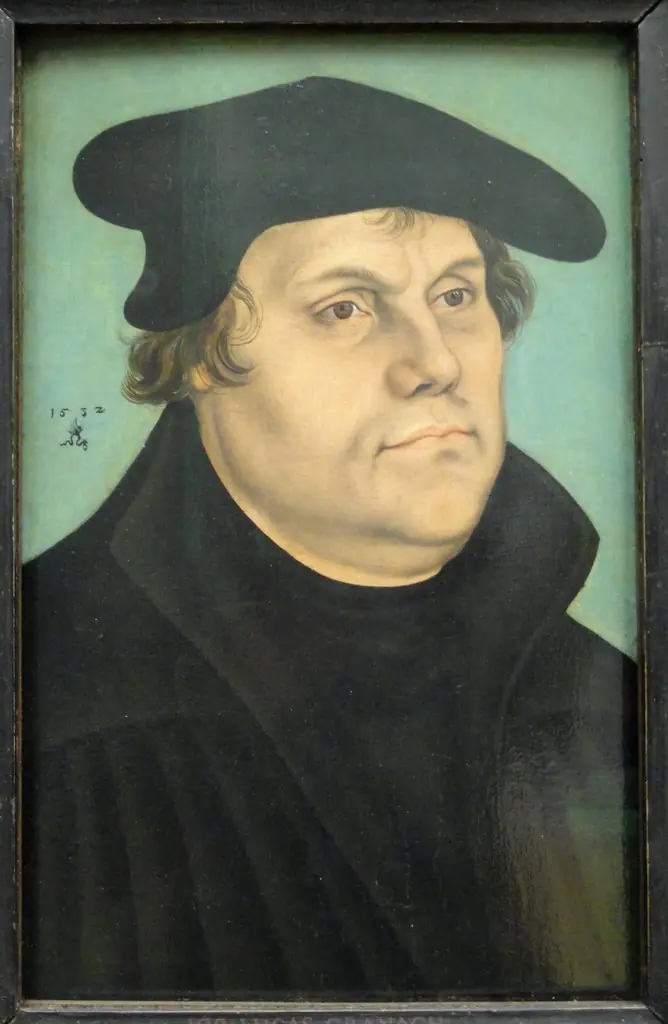
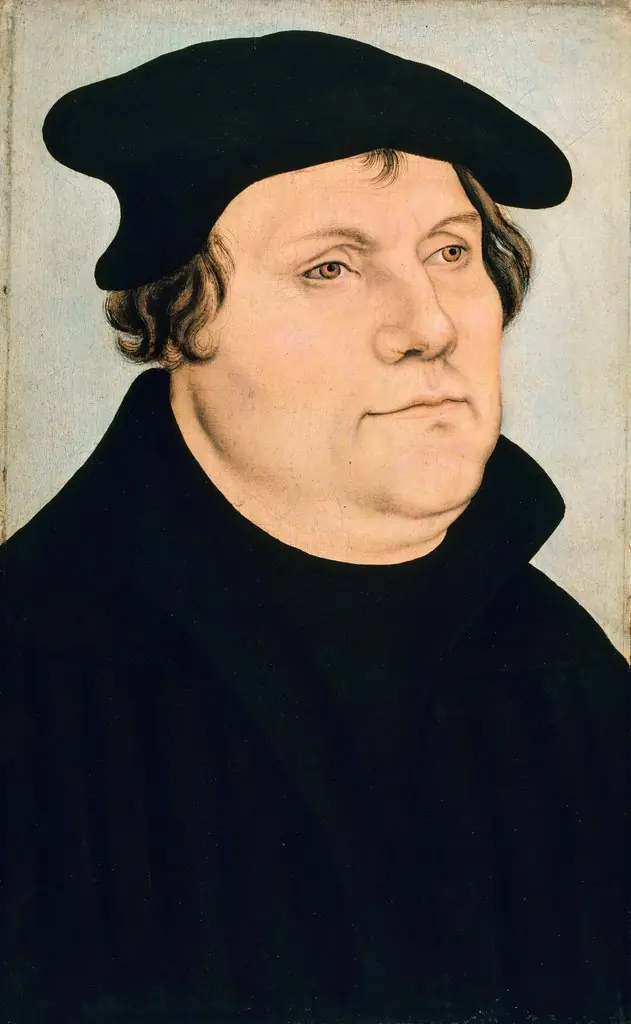
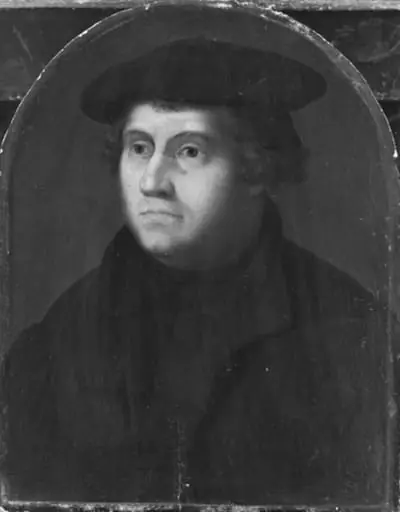
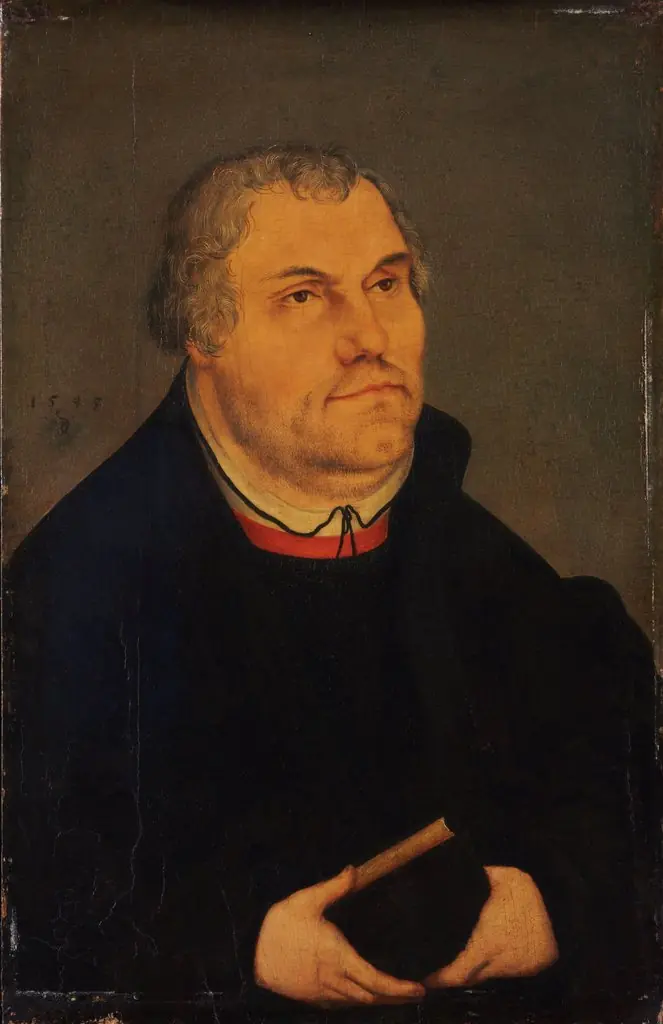
Portrait of Martin Luther is an oil painting by the Northern Renaissance artist Unknown. It dates from 1529 and is held in the collection of the Uffizi Gallery.
About this work
Overview
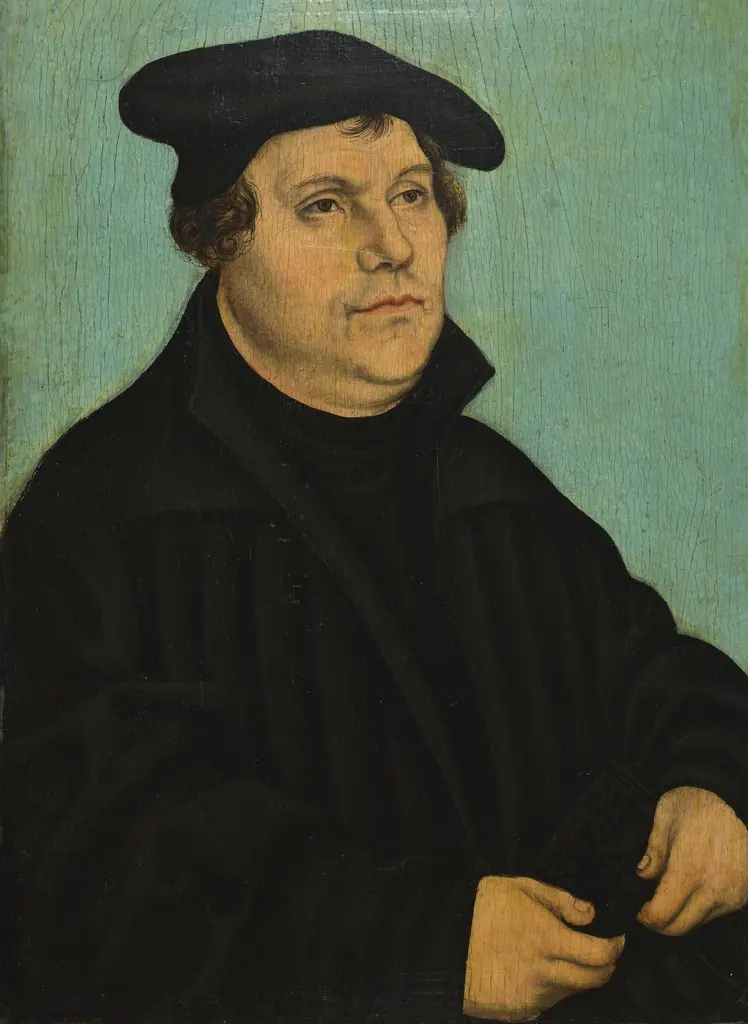
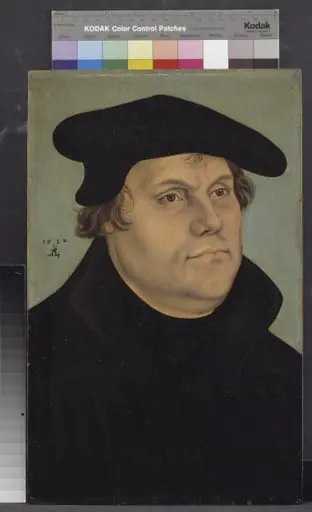
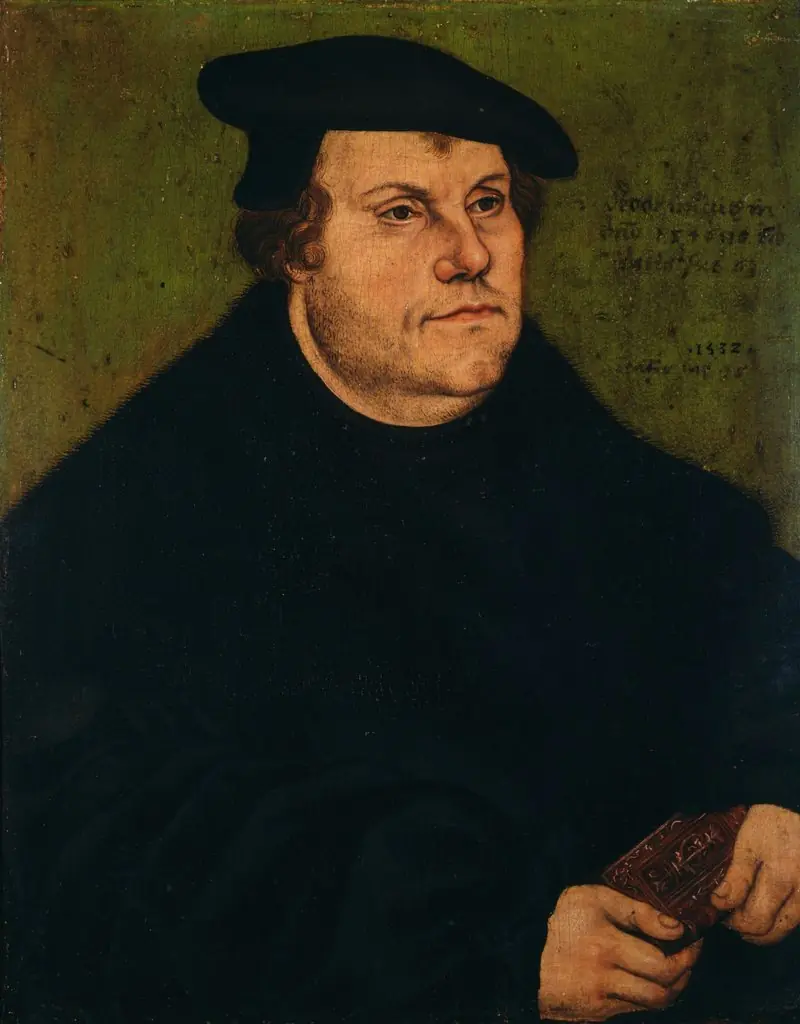
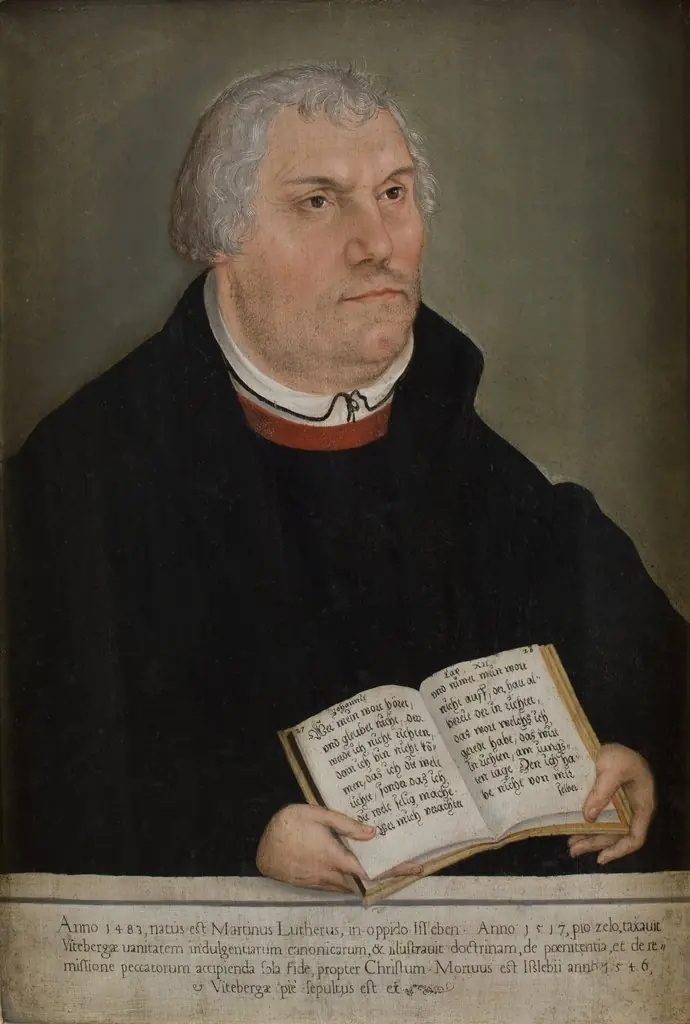
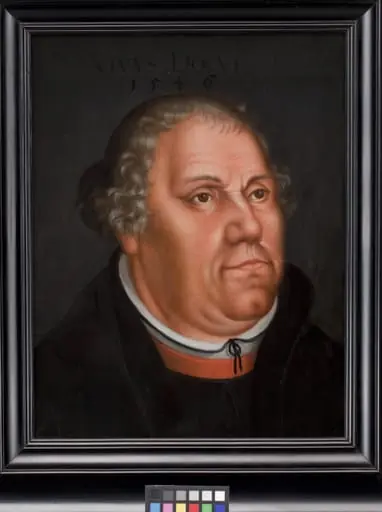
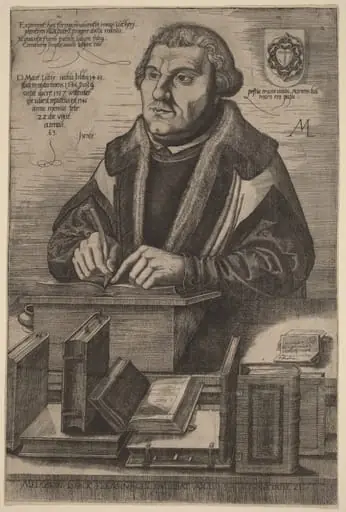
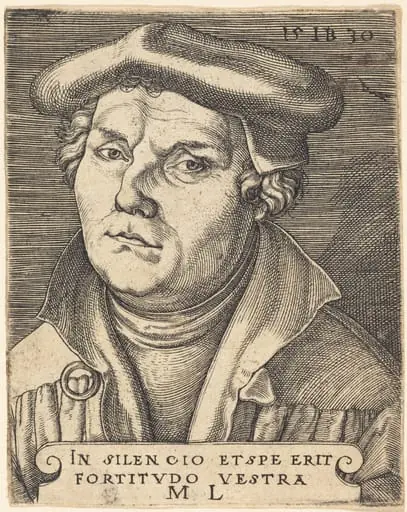
This oil painting depicts Martin Luther, the German theologian and central figure of the Protestant Reformation, rendered in a half-length portrait.
This oil painting depicts Martin Luther, the German theologian and central figure of the Protestant Reformation, rendered in a half-length portrait. His face and shoulders are the focus, set against a plain blue background. The brushwork is visible, suggesting a direct, unidealized approach. The composition emphasizes his presence without decorative elements, aligning with the reformist values of simplicity and textual authority.
Subject & Meaning
Luther is portrayed with a solemn, introspective gaze, looking slightly to the side rather than at the viewer. His expression conveys resolve rather than aggression, reflecting his role as a reformer grounded in conviction. The plain black attire—hat and turtleneck—rejects ecclesiastical ornamentation, signaling his break from Catholic hierarchy and alignment with a more personal, scriptural faith.
Technique & Style
The artist employed oil paint to build subtle tonal variations in Luther’s skin and hair, capturing texture through deliberate, observable brushstrokes. The brown curls are rendered with soft definition, while the dark clothing absorbs light, creating contrast against the cool blue background. The technique avoids idealization, favoring a direct, almost documentary realism that underscores the sitter’s humanity.
History & Provenance
Though the exact date and artist remain uncertain, the portrait likely originates from the mid-16th century, during or shortly after Luther’s lifetime. It was probably commissioned by Protestant patrons seeking to preserve his image as a moral and intellectual leader. Its survival suggests it was valued within reformist circles, possibly in a private collection or academic setting.
Context
In the decades following Luther’s public challenge to the Church, his likeness became a powerful symbol for the Protestant movement. Portraits like this one circulated widely, replacing religious icons with images of reformers. This painting reflects a cultural shift: authority now resided not in saints or clergy, but in the individual’s engagement with scripture and conscience.
Legacy
This portrait contributed to the visual language of Protestant identity, influencing later depictions of religious leaders as thoughtful, grounded figures rather than divine intermediaries. Its restrained style became a model for civic and intellectual portraiture in Northern Europe, reinforcing the idea that moral authority could be conveyed through quiet dignity rather than ceremonial grandeur.
Artist & collection

 Domestic Scene
 Giacomo and Cardinal Marco, investing Andrea, Abbot of San Zeno, with his Benefice
 The Nymph of Fontainebleau
 Portrait of a Woman
 Madonna and Child with Saints in the Enclosed Garden
 Venus and Minerva
 Family Group of Four on Sofa
 Wall painting from Room H of the Villa of P. Fannius Synistor at Boscoreale