Artwork
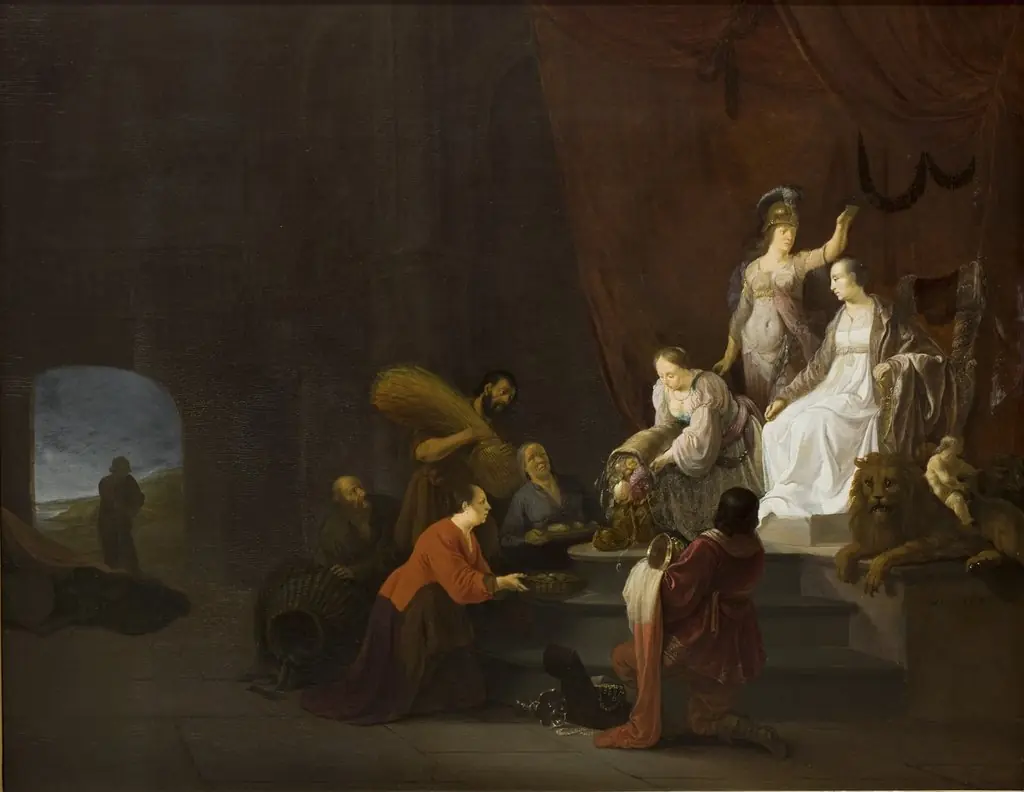
Allegory on Peace. Pax Being Crowned by Minerva
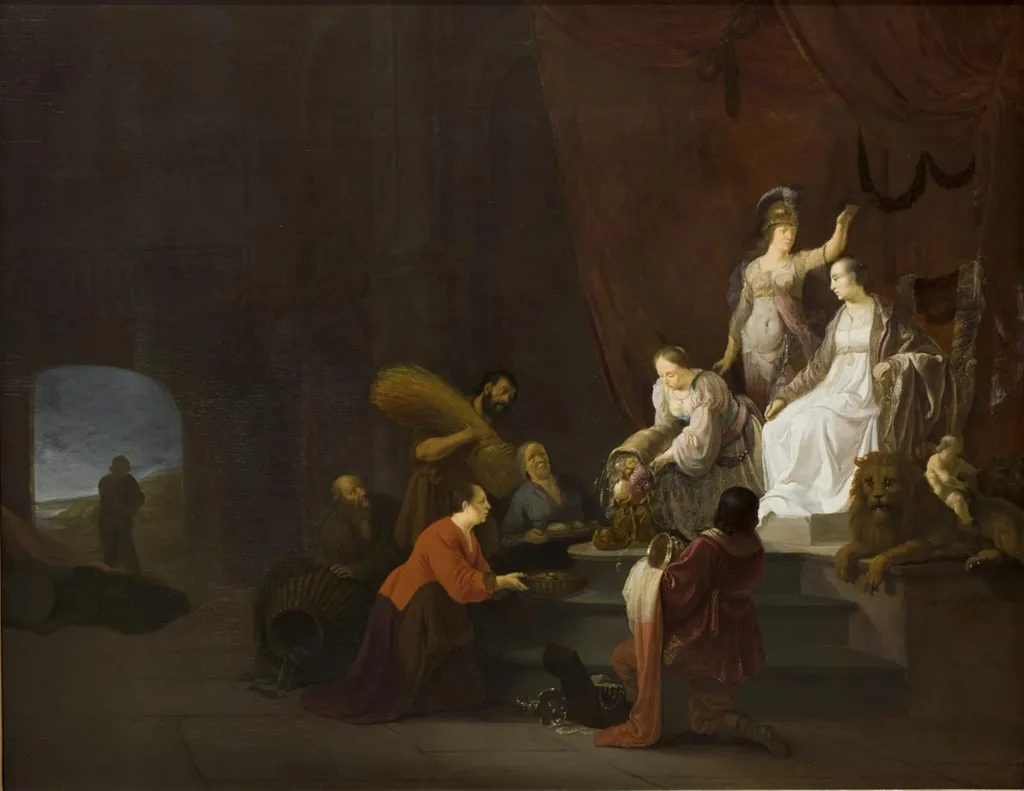
Allegory on Peace. Pax Being Crowned by Minerva is a photography by the Baroque artist Unknown. It dates from 1643 and is held in the collection of the Statens Museum for Kunst. Painted in 1643, this allegorical work depicts Peace personified as a serene woman crowned by Minerva, the Roman goddess of wisdom.
About this work
Overview
The scene is rendered with deliberate contrast between light and shadow, emphasizing the figures while submerging the surroundings in near-obscurity.
Painted in 1643, this allegorical work depicts Peace personified as a serene woman crowned by Minerva, the Roman goddess of wisdom. The composition centers on a quiet moment of recognition, set against a dim, atmospheric backdrop. The scene is rendered with deliberate contrast between light and shadow, emphasizing the figures while submerging the surroundings in near-obscurity. It is held in the collection of the Museum of Ethnography.
Subject & Meaning
The painting presents Peace (Pax) as a passive, dignified figure, adorned in white and seated above the earthly realm, while Minerva, in full armor, places a laurel crown upon her head. Surrounding figures offer offerings—food, grain, and vessels—symbolizing abundance brought by stability. A calm lion at their feet alludes to the taming of violence. The imagery conveys the idea that wisdom secures peace, not force.
Technique & Style
The artist employs chiaroscuro to isolate the central figures, using strong directional light to model their forms against a deep, shadowy background. This technique heightens the emotional gravity of the scene and directs the viewer’s focus to the act of coronation. Drapery is rendered with subtle gradations, and the faces are illuminated with precision, suggesting a theatrical staging rooted in Baroque conventions of the era.
History & Provenance
The painting was created in 1643 by an artist active in the Dutch Republic during the Thirty Years’ War, a time when peace was both desired and fragile. It entered the Museum of Ethnography’s collection in the late 19th century, likely acquired as part of a broader effort to document symbolic representations of civic ideals. Its attribution to a specific painter remains uncertain, though stylistic traits align with regional Baroque traditions.
Context
Created during the final years of the Eighty Years’ War, the work reflects a cultural yearning for stability after decades of conflict. The pairing of Minerva and Pax draws from classical sources revived in humanist thought, common in Northern European civic art. The inclusion of humble donors and domestic offerings suggests peace as a communal, everyday achievement rather than a triumph of conquest.
Legacy
Though not widely exhibited, the painting contributes to a broader corpus of 17th-century allegorical works that visualized abstract virtues through human figures. Its restrained composition and emphasis on quiet dignity distinguish it from more flamboyant contemporary pieces. It remains a quiet testament to how visual symbolism was used to articulate political hope in a war-torn era.
Artist & collection

 Domestic Scene
 Giacomo and Cardinal Marco, investing Andrea, Abbot of San Zeno, with his Benefice
 The Nymph of Fontainebleau
 Portrait of a Woman
 Madonna and Child with Saints in the Enclosed Garden
 Venus and Minerva
 Family Group of Four on Sofa
 Wall painting from Room H of the Villa of P. Fannius Synistor at Boscoreale
 The Triumph of the Winter Queen: Allegory of the Just
 Queen of Sheba before Solomon
 The Banquet of Cleopatra
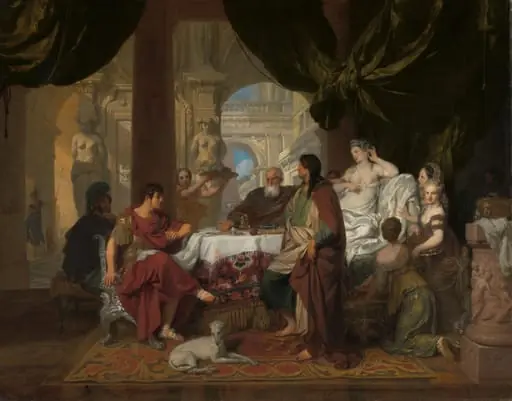 Cleopatra’s Banquet
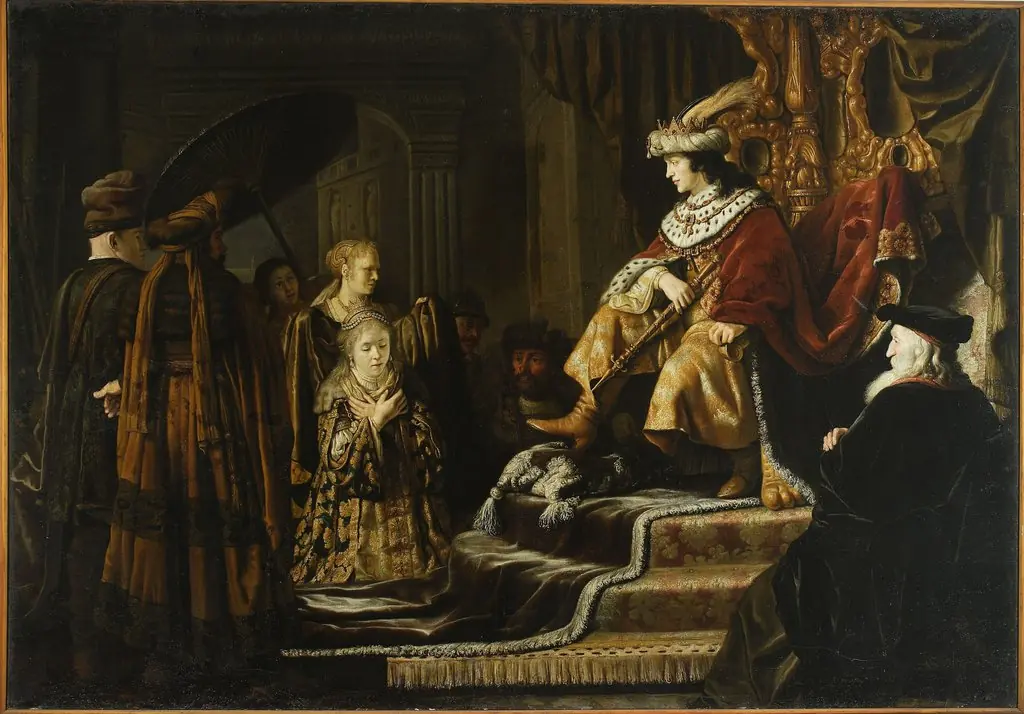 Esther before Ahasuerus (Esther 2:16)
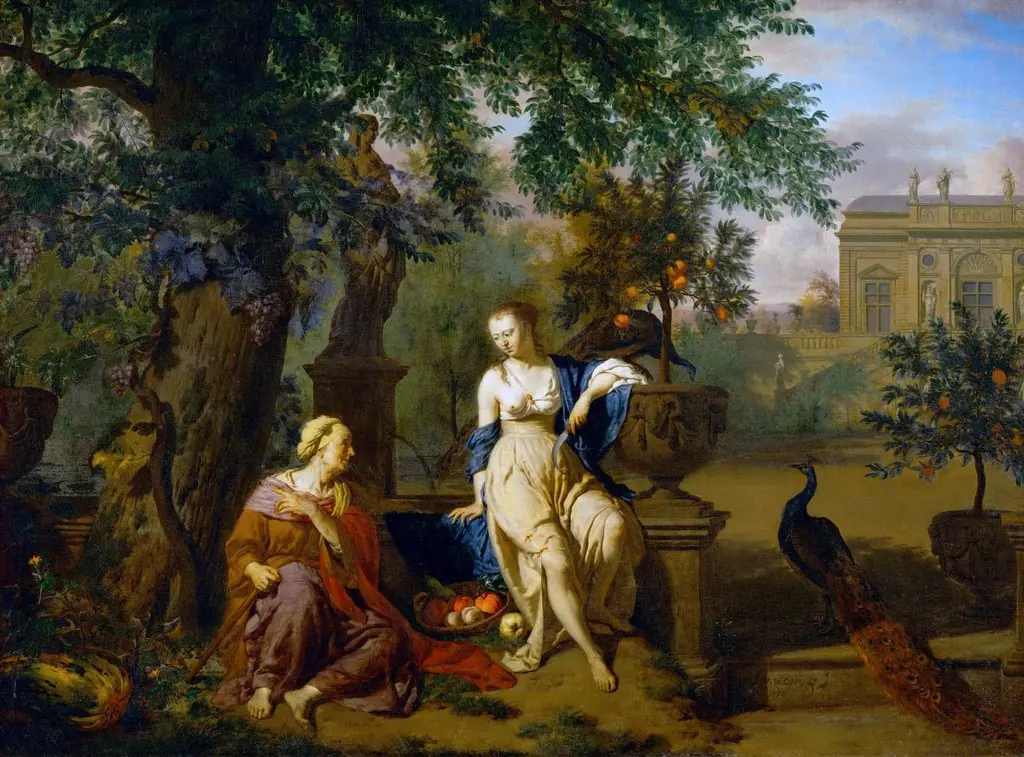 Vertumnus and Pomona
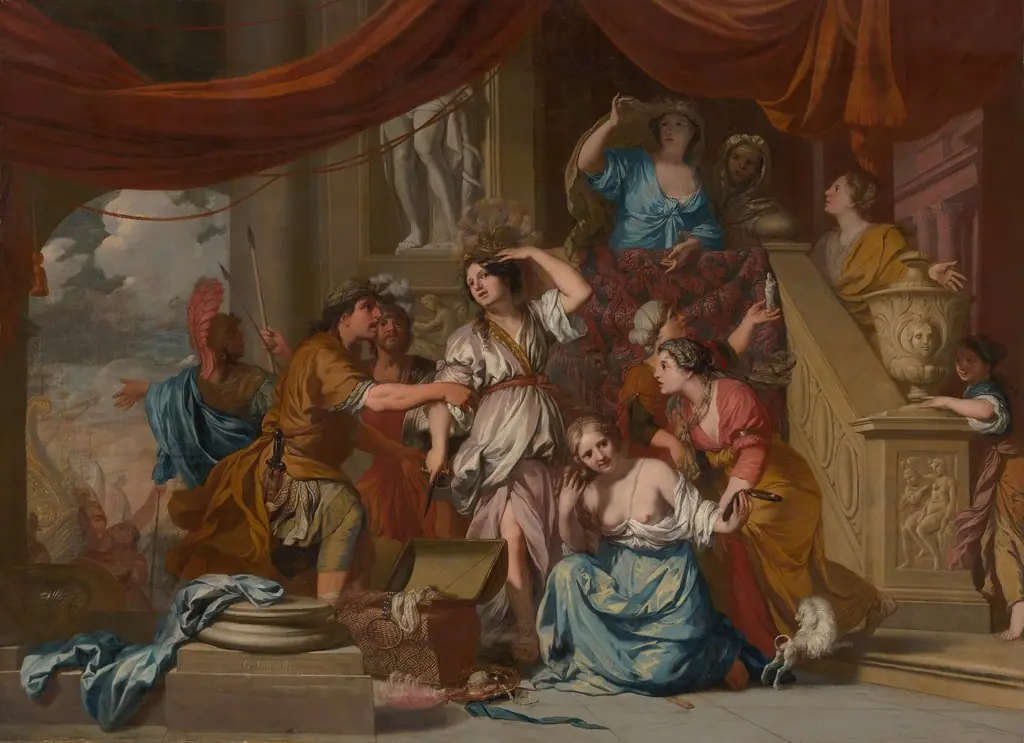 Achilles Discovered among the Daughters of Lycomedes
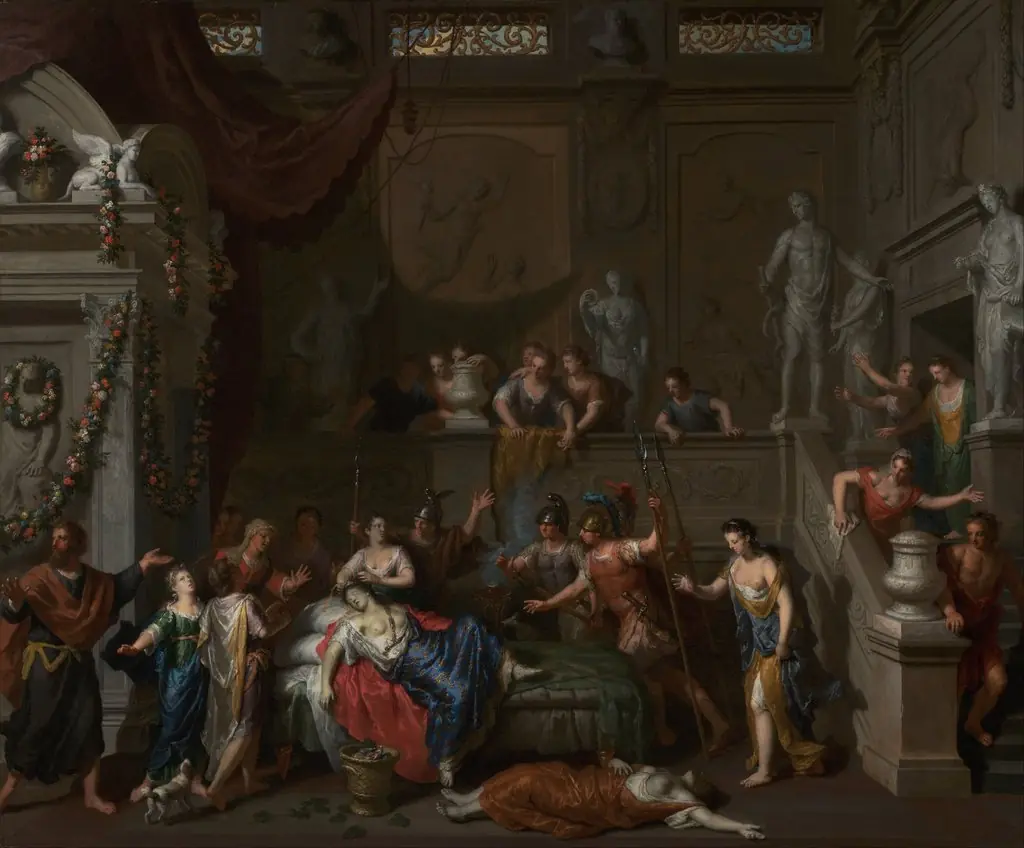 The Death of Cleopatra
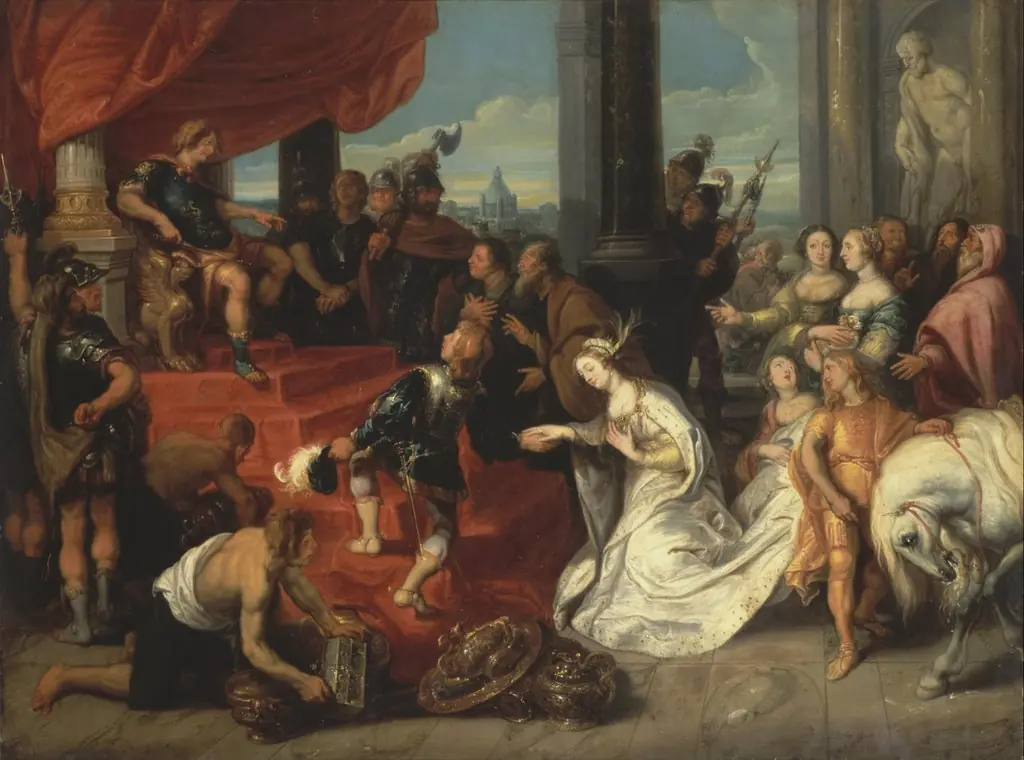 The Magnanimity of Scipio Africanus
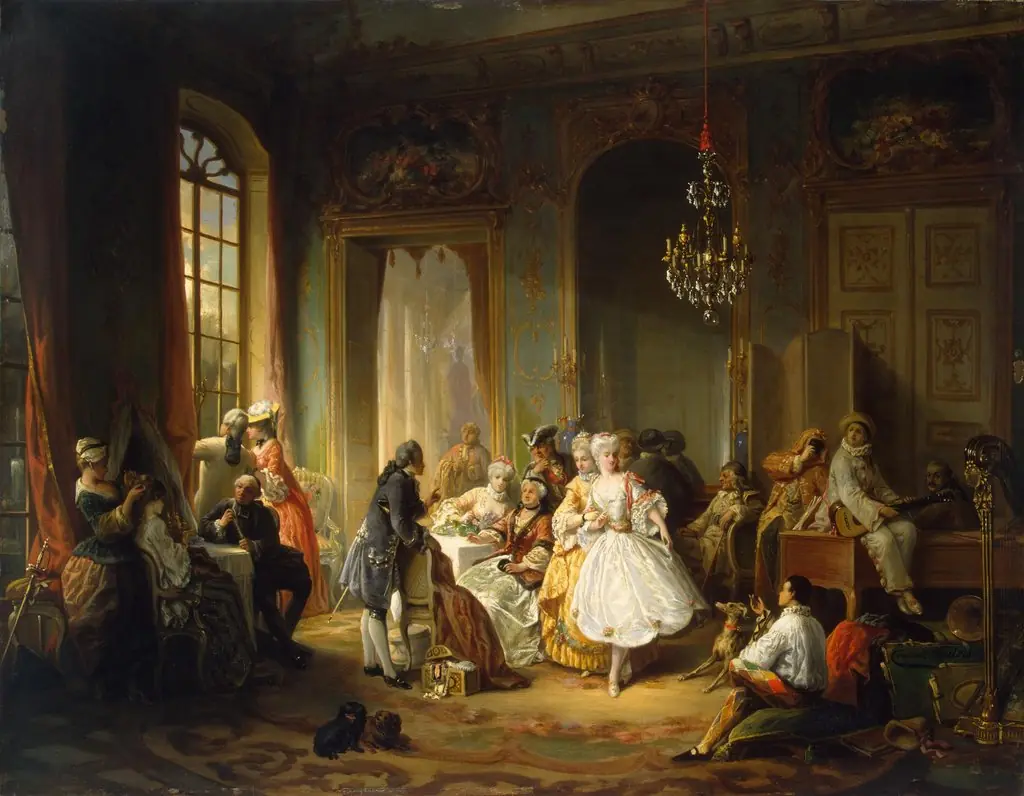 Actors Before a Performance
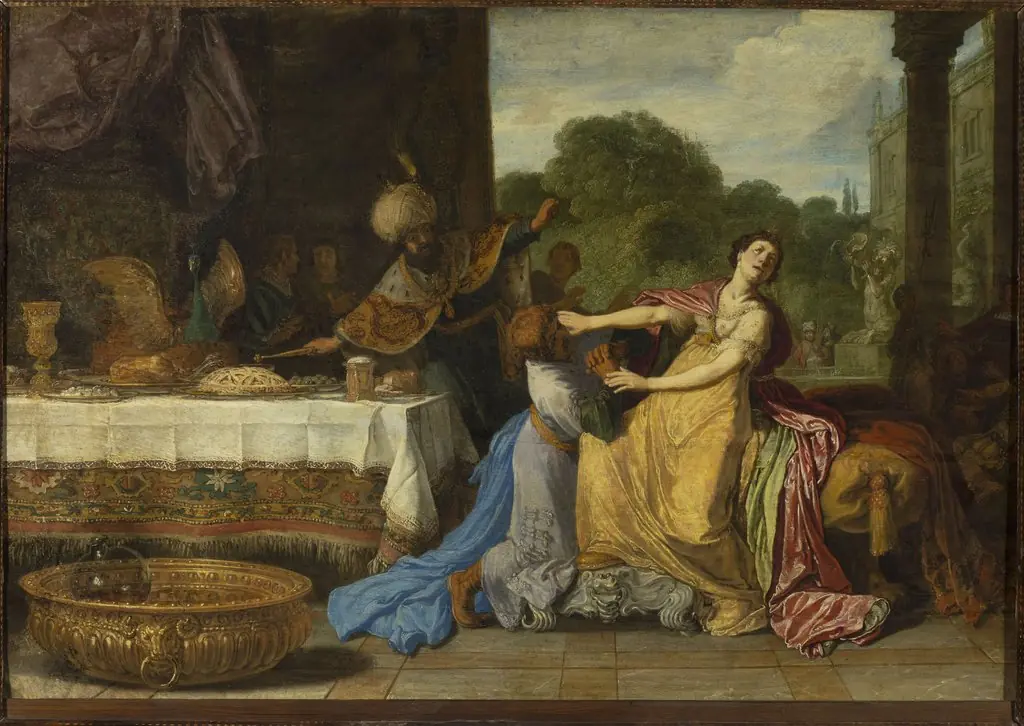 Haman begging the mercy of Esther (Esther 7:6-7)
 Allegori på freden. Pax krones af Minerva