Artwork
A Distress Shot
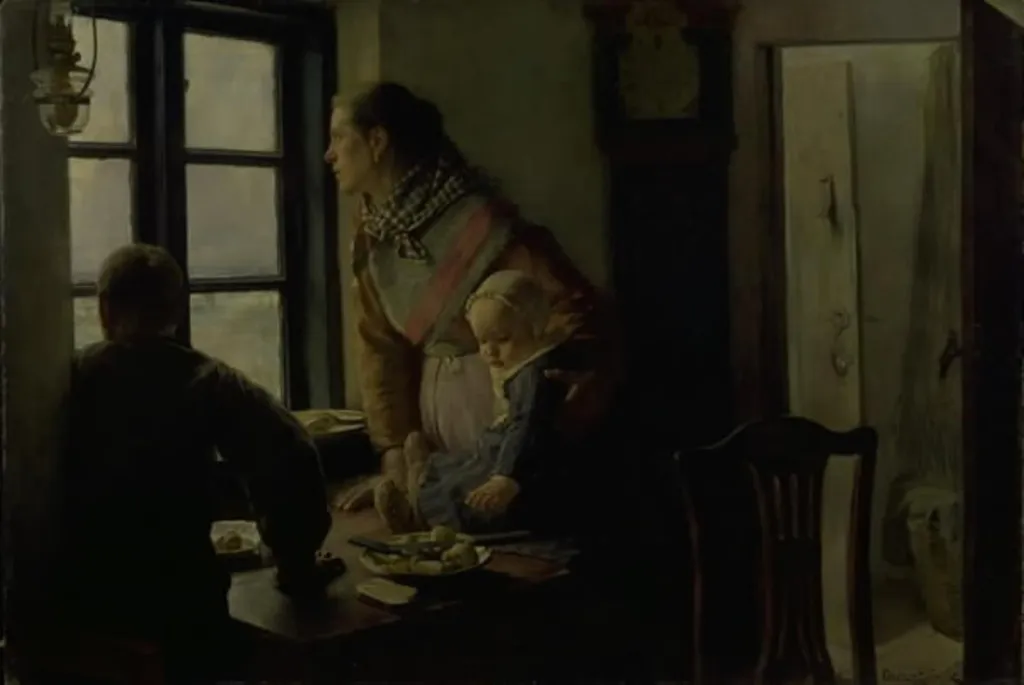
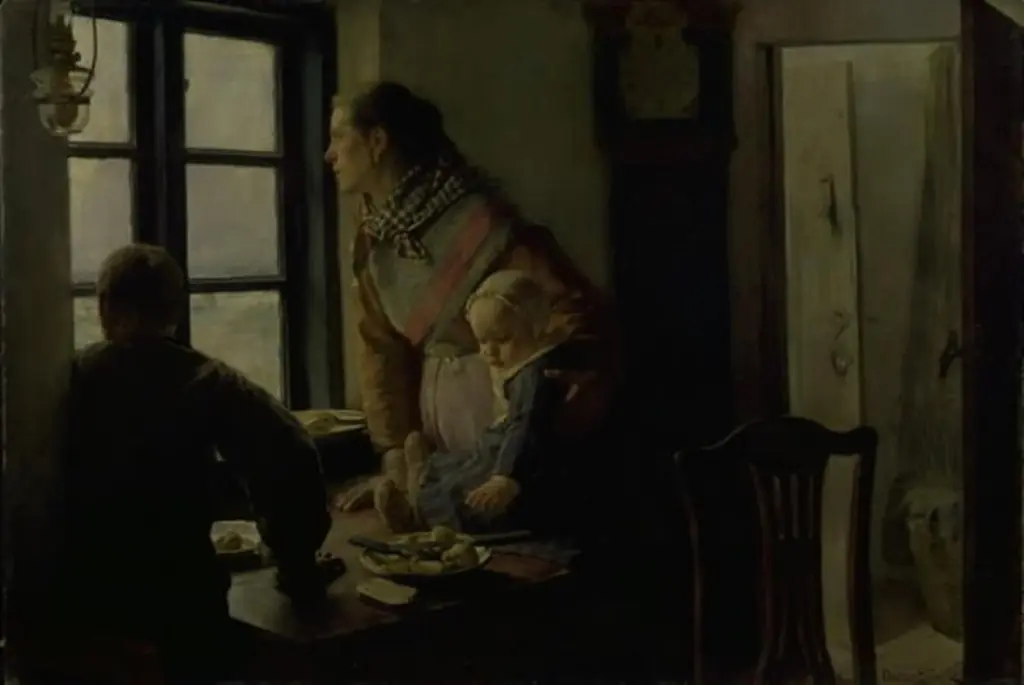
A Distress Shot is a photography by the Impressionist artist Unknown. It dates from 1883 and is held in the collection of the Statens Museum for Kunst. Created in 1883 by an artist active in the late 19th century, this work is part of the Museum of Ethnography’s collection.
About this work
Overview
Created in 1883 by an artist active in the late 19th century, this work is part of the Museum of Ethnography’s collection. It portrays a domestic interior with quiet intensity, capturing a family in a moment of stillness. The composition avoids dramatic action, instead focusing on subtle gestures and spatial relationships within a confined, dimly lit room.
Subject & Meaning
A family is arranged around a table: a man faces away, a child sits atop it, and a woman stands near a window, gazing outward. The scene suggests unspoken tension or reflection, possibly tied to absence, loss, or waiting. The lack of direct eye contact among figures amplifies a sense of emotional distance, inviting interpretation without explicit narrative.
Technique & Style
The artist employs muted earth tones and soft contrasts to evoke a somber atmosphere. Light enters sparingly through the left window, casting faint highlights on surfaces without illuminating the figures fully. Brushwork is restrained, blending realism with atmospheric suggestion, emphasizing mood over detail, aligning with contemporary tendencies toward psychological realism.
History & Provenance
The painting entered the Museum of Ethnography’s holdings in the early 20th century, likely through acquisition or donation. Its origins trace to the artist’s private studio practice, with no public exhibition record prior to its institutional acquisition. Documentation remains limited, but its inclusion suggests recognition of its quiet cultural resonance.
Context
Produced during a period when domestic scenes gained renewed interest among artists exploring everyday life, this work reflects broader trends in Northern European painting. Unlike overtly narrative or sentimental depictions, it favors restraint, echoing contemporaneous interest in interiority and the unspoken dynamics of family life.
Legacy
Though not widely reproduced or publicly celebrated, the painting contributes to a quieter strand of 19th-century realism that prioritizes emotional nuance over spectacle. Its presence in a museum of ethnography underscores its value as a document of domestic behavior, offering insight into private rituals and emotional expression of its time.
Artist & collection

 Domestic Scene
 Giacomo and Cardinal Marco, investing Andrea, Abbot of San Zeno, with his Benefice
 The Nymph of Fontainebleau
 Portrait of a Woman
 Madonna and Child with Saints in the Enclosed Garden
 Venus and Minerva
 Family Group of Four on Sofa
 Wall painting from Room H of the Villa of P. Fannius Synistor at Boscoreale
 Reservesoldatens afsked med sin familie
 The ill child
 Afteninteriør. Moder og barn
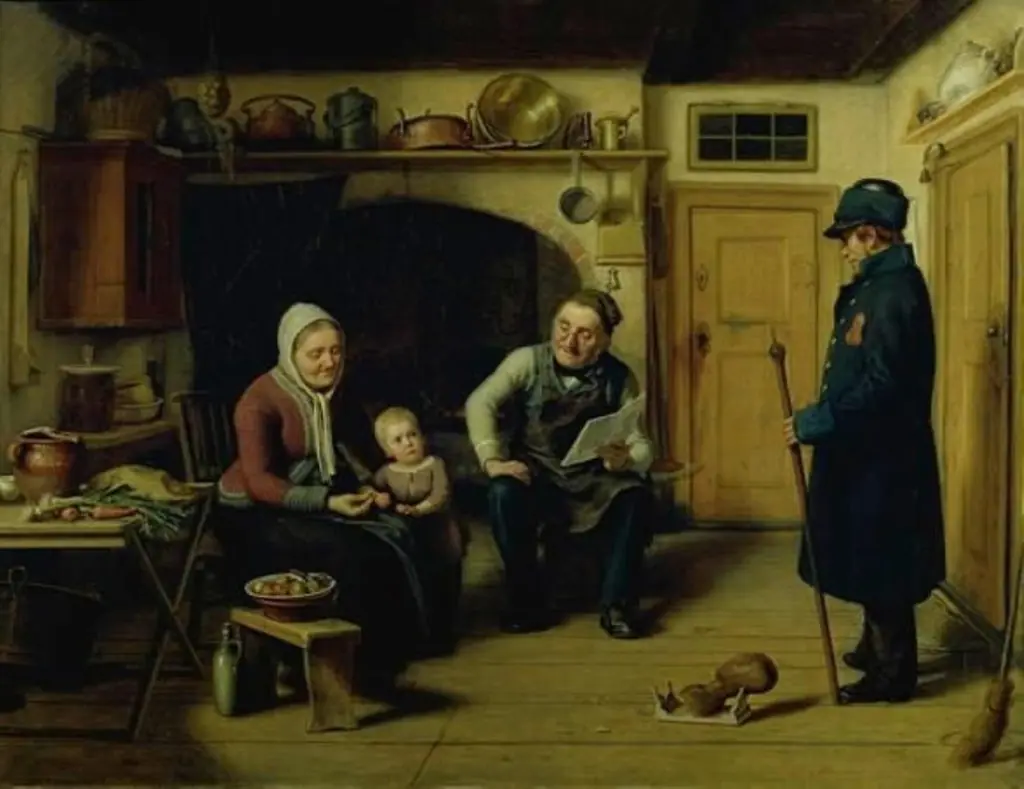 Vægteren på nytårsvisit. Køkkenscene
 Vægteren på nytårsvisit. Køkkenscene
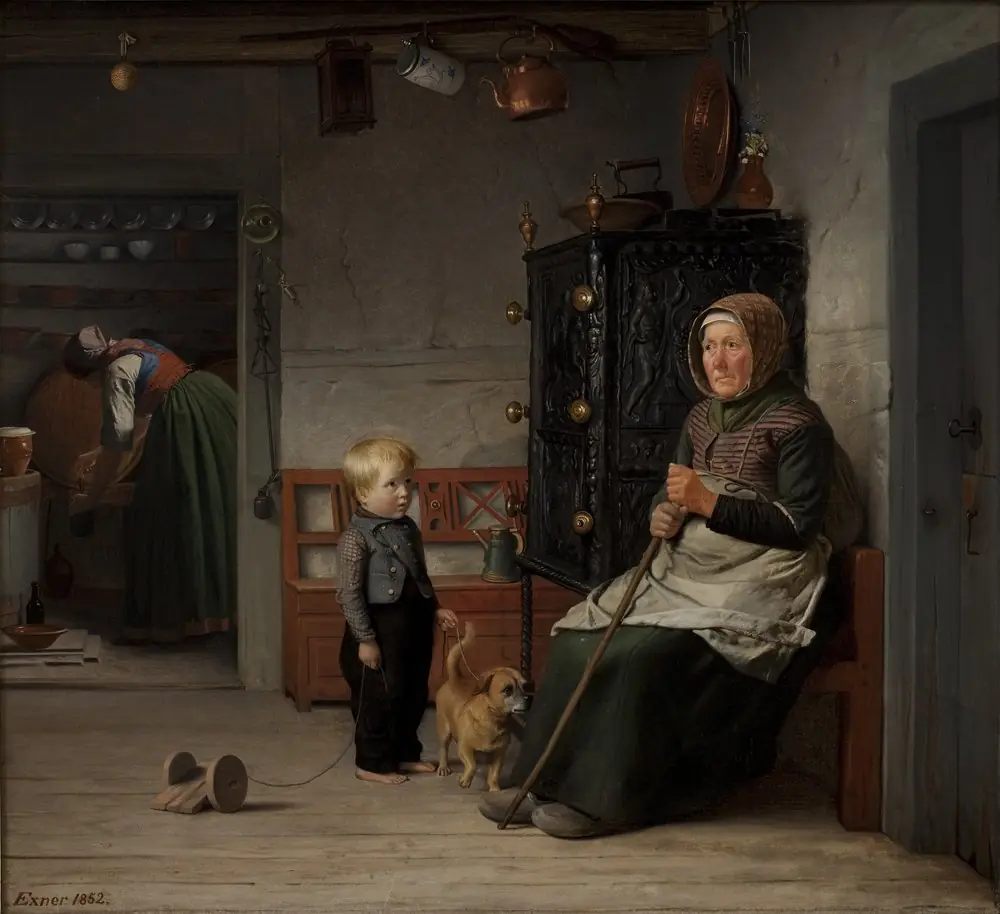 En fattig kone der venter på et krus øl i en bondestue
 En fattig kone der venter på et krus øl i en bondestue
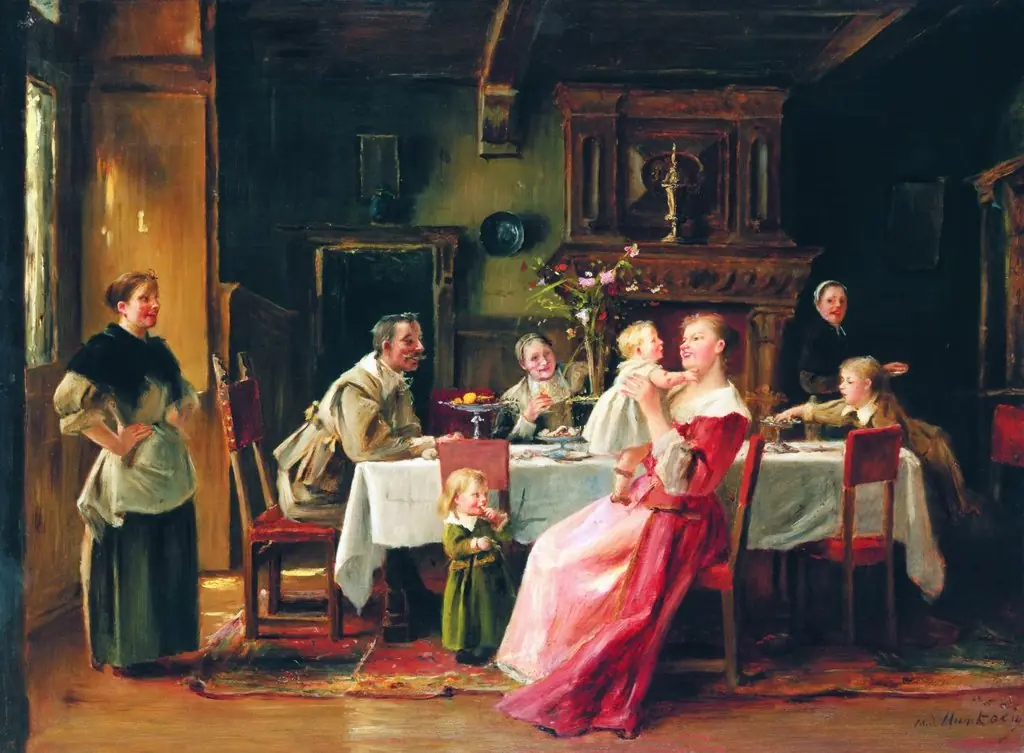 Ebéd után (Anyai boldogság)
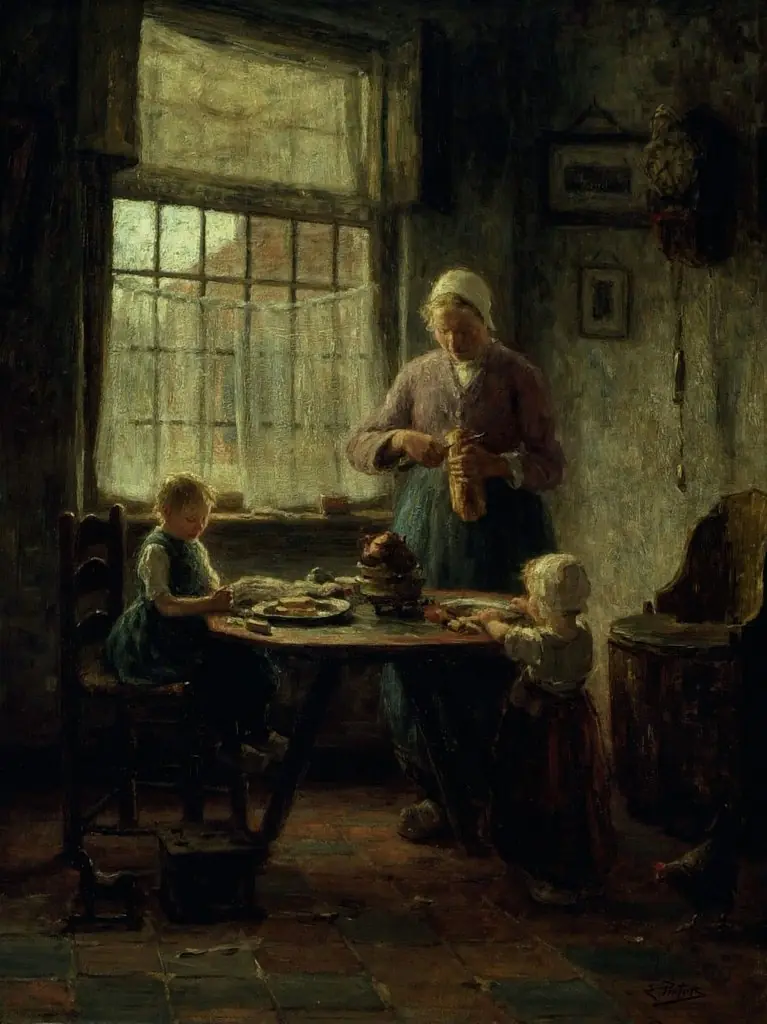 A Family Meal
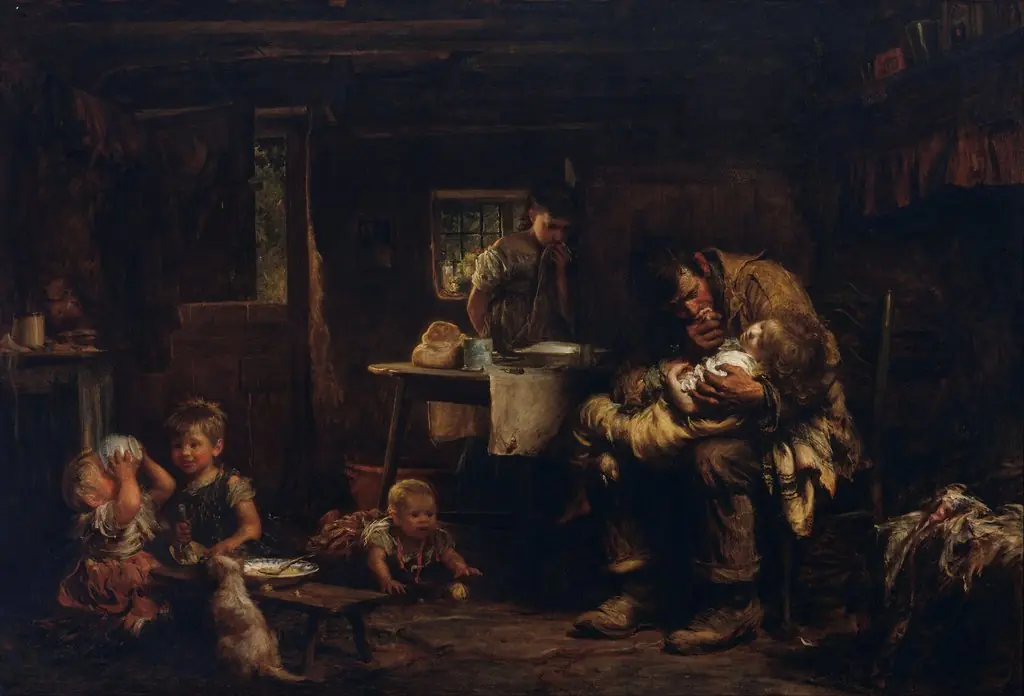 The widower
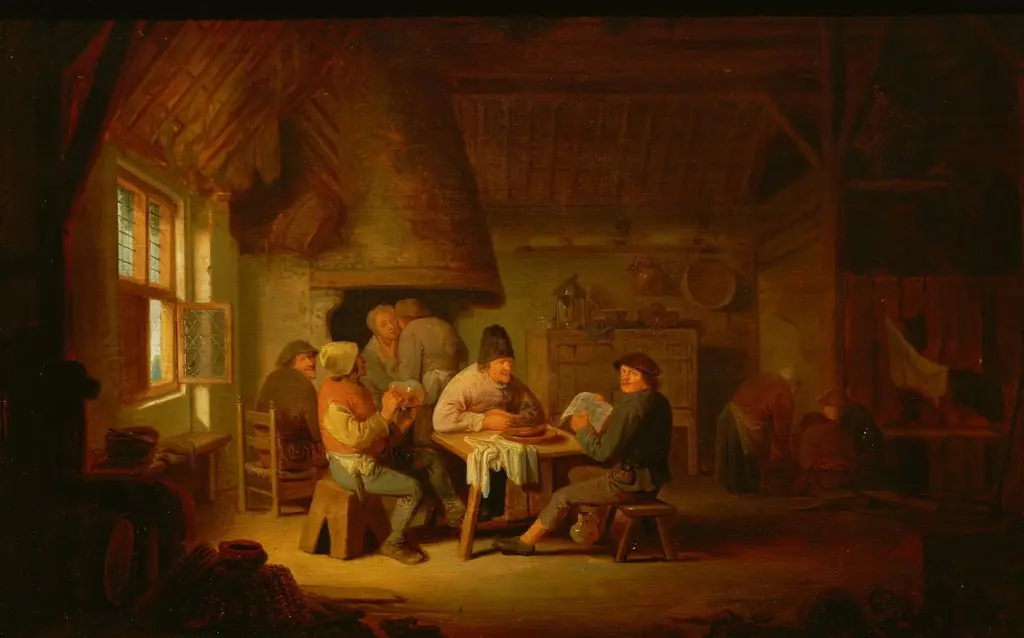 Zechende Bauern
 A Distress Shot