Artwork
Ebéd után (Anyai boldogság)
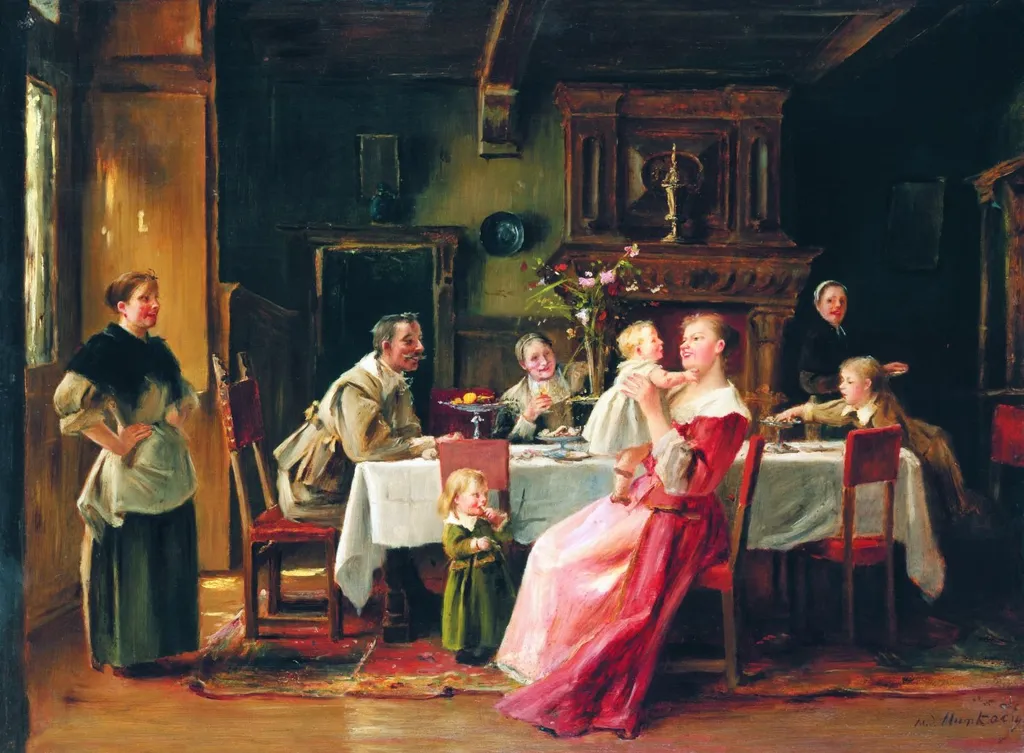
Ebéd után (Anyai boldogság) is an oil painting by the Realist artist Mihály Munkácsy. It dates from 1896 and is held in the collection of the Hungarian National Gallery.
About this work
Overview
Ebéd után (Anyai boldogság), created by Mihály Munkácsy in 1896, is an oil painting that captures a quiet moment of maternal devotion within a domestic setting, aligning with the realist artistic tradition.
Subject & Meaning
The painting focuses on the intimate, everyday scene of a mother's care, emphasizing the warmth and simplicity of family life, a common theme in Munkácsy's genre works.
Technique & Style
Executed in oil paint, the work showcases Munkácsy's adherence to realism, characterized by detailed, representational depiction of the scene, though specific stylistic nuances of this piece are not highlighted in available information.
History & Provenance
Part of the Hungarian National Gallery's collection, *Ebéd után (Anyai boldogság)* is a notable example of Munkácsy's output during his peak in international recognition in the late 19th century.
Context
As a Hungarian artist acclaimed globally in the late 19th century, Munkácsy's work reflects both his national roots and broader European artistic trends of the time, with *Ebéd után* illustrating his capacity for both grand biblical themes and humble domestic scenes.
Legacy
While *Ebéd után (Anyai boldogság)* contributes to Munkácsy's reputation for capturing everyday life, its specific impact on the broader art historical landscape or influence on subsequent artists is not prominently documented in the provided context.
Artist & collection
Artist
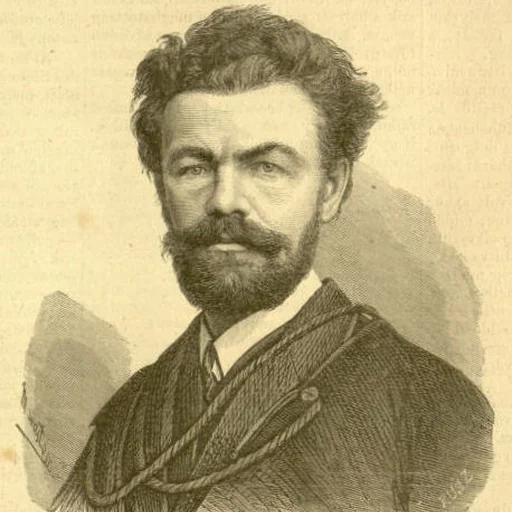
Mihály Munkácsy (Hungarian pronunciation: ; 20 February 1844 – 1 May 1900) was a Hungarian painter. He earned international reputation with his genre pictures and large-scale biblical paintings.

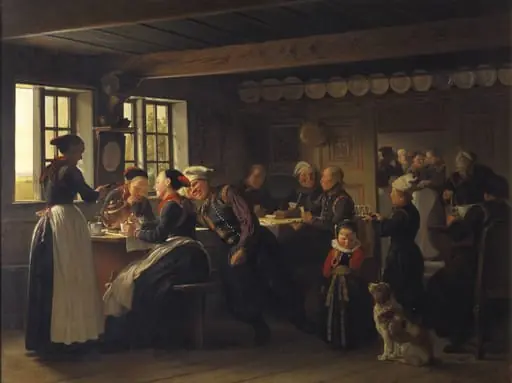 Episode af et gilde på Amager
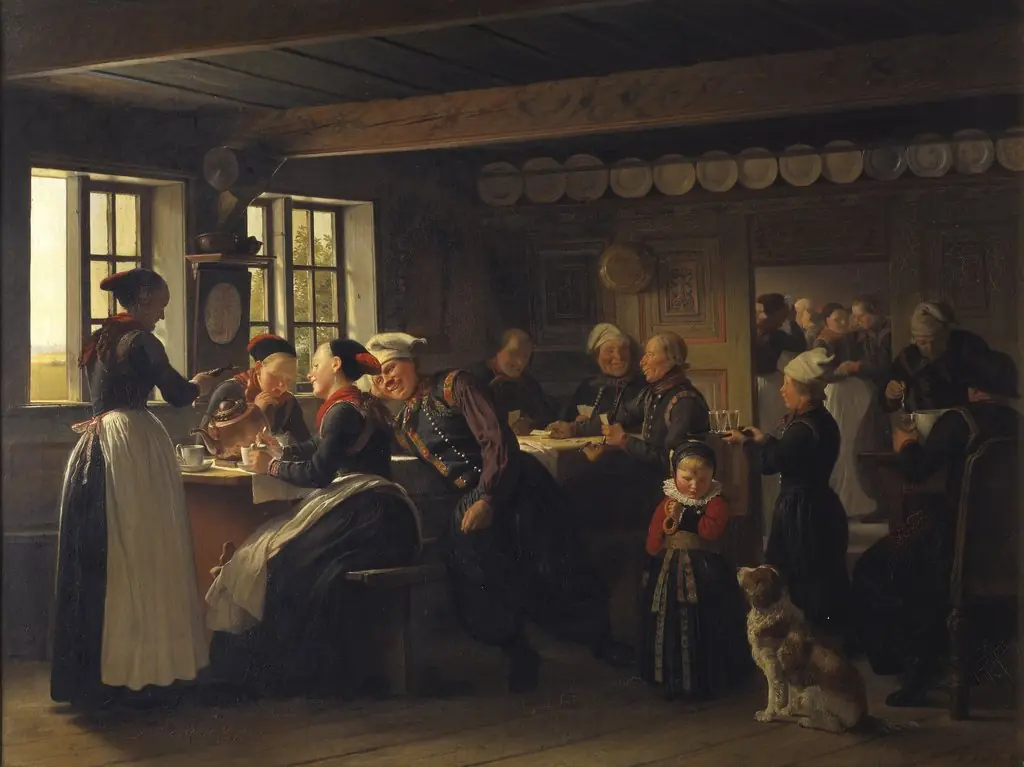 Interior with peasants from the region of Amager
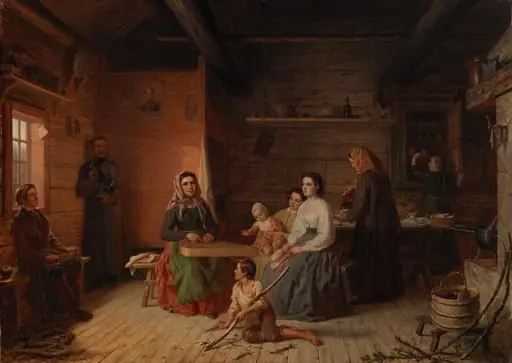 Kreeta Haapasalo soittaa kannelta talonpoikaistuvassa
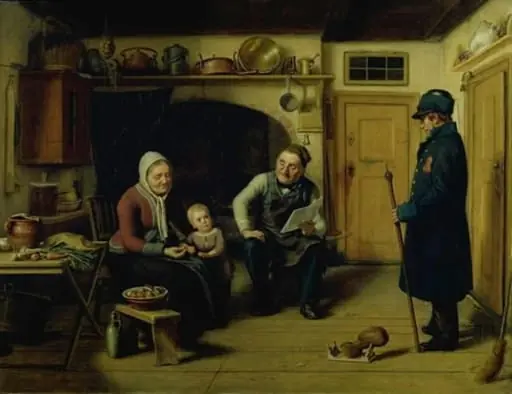 Vægteren på nytårsvisit. Køkkenscene
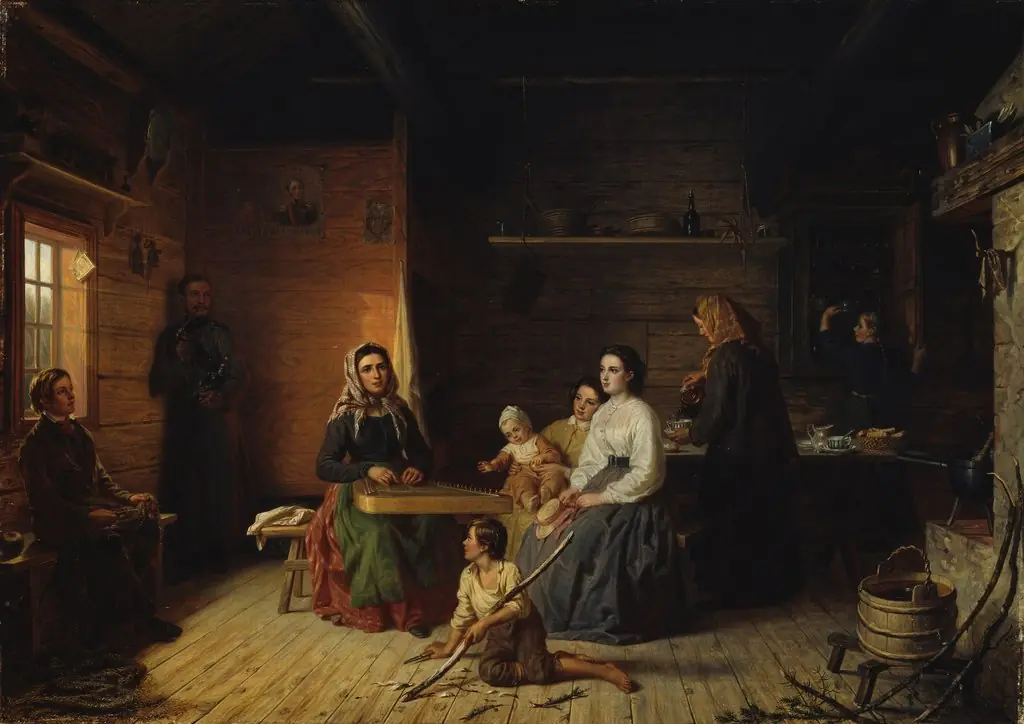 Kreeta Haapasalo Playing the Kantele in a Peasant Cottage
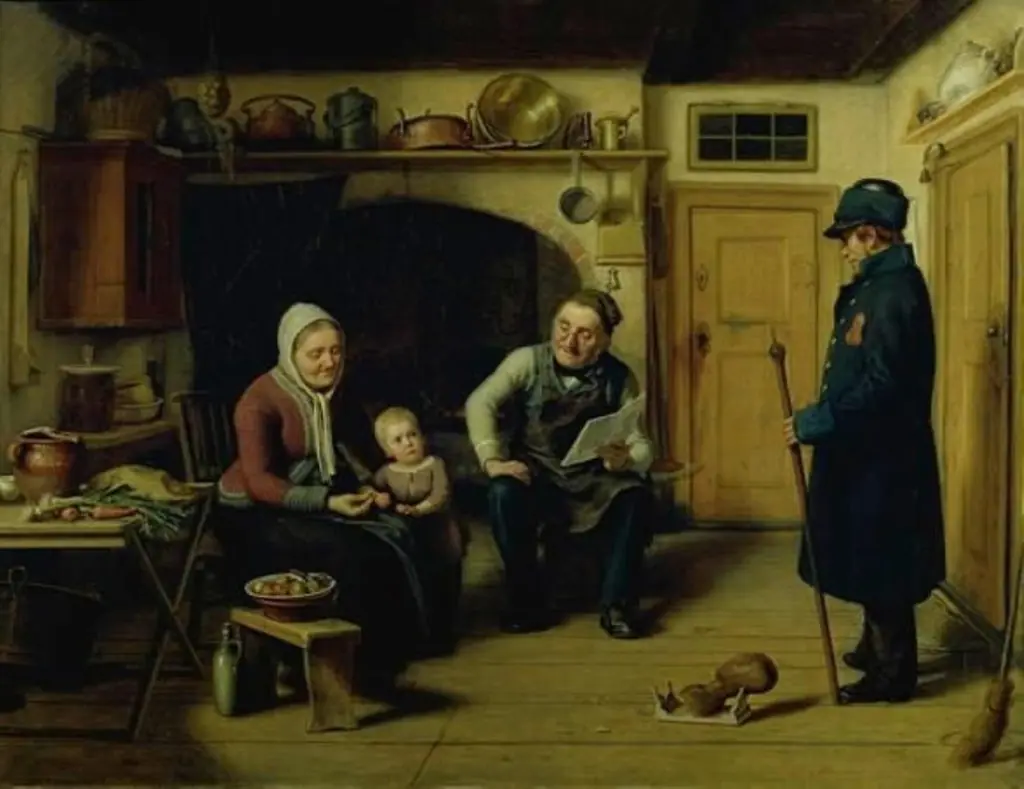 Vægteren på nytårsvisit. Køkkenscene
 Das Bittenlernen (Familie Reiter)
 Distribution of Charity in the Alms-House
 Christmas-Time, The Blodgett Family
 En fattig kone der venter på et krus øl i en bondestue
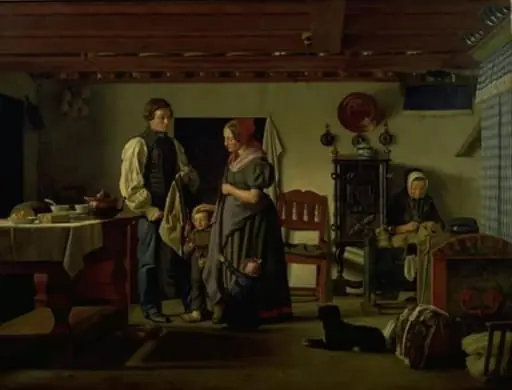 Reservesoldatens afsked med sin familie
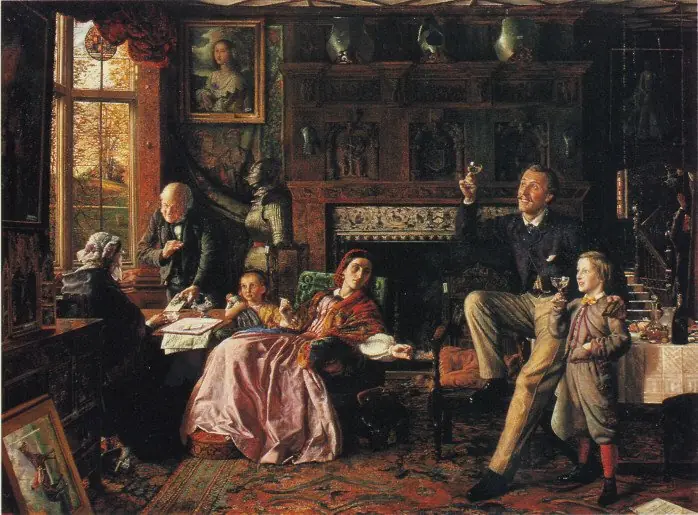 The Last Day in the Old Home