Artwork
Sunday Morning
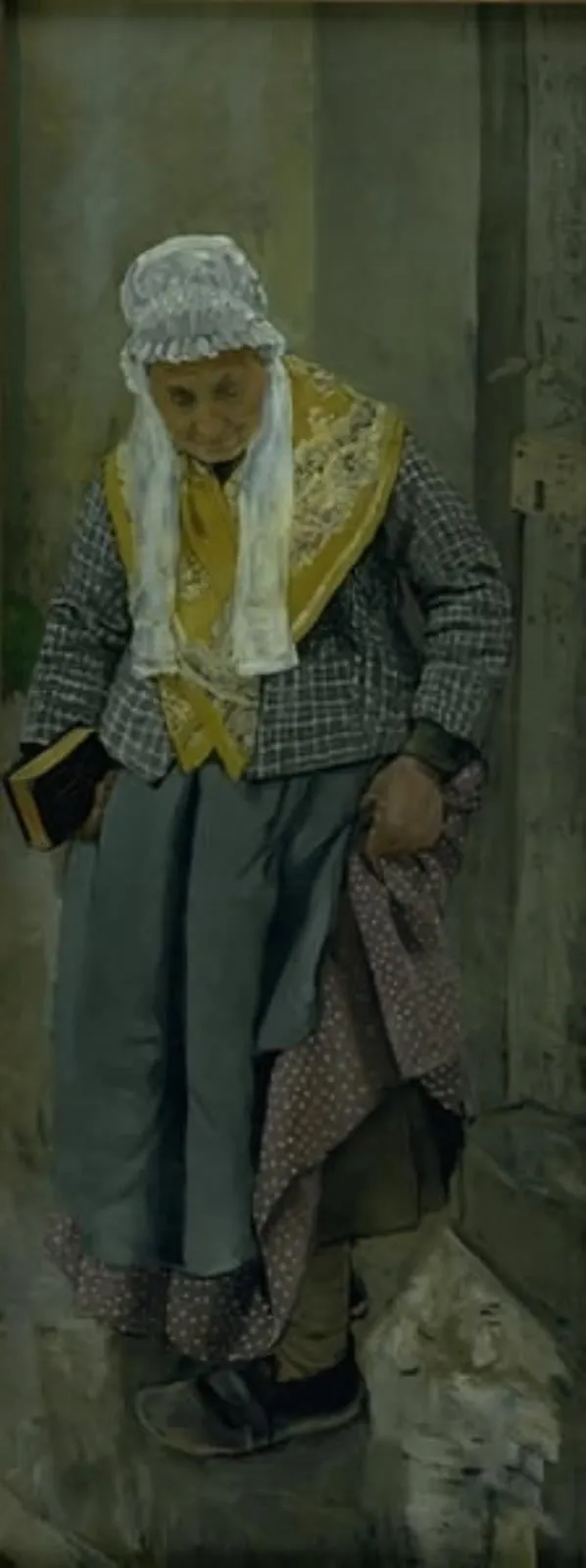
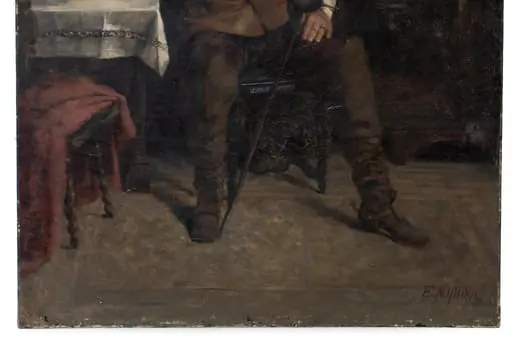
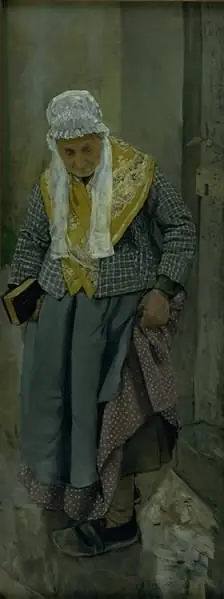
Sunday Morning is a photography by the Impressionist artist Unknown. It dates from 1882 and is held in the collection of the Statens Museum for Kunst. Created in 1882, this black-and-white photograph captures a quiet domestic moment.
About this work
Overview
Created in 1882, this black-and-white photograph captures a quiet domestic moment. The image, attributed to an anonymous photographer of the period, is part of the Museum of Ethnography’s collection. Unlike painted portraits of the era, it presents an unposed figure in ordinary attire, reflecting the growing use of photography to document everyday life with documentary precision.
Subject & Meaning
The small book in her hand implies literacy or private contemplation, while her hand in her pocket conveys a sense of stillness.
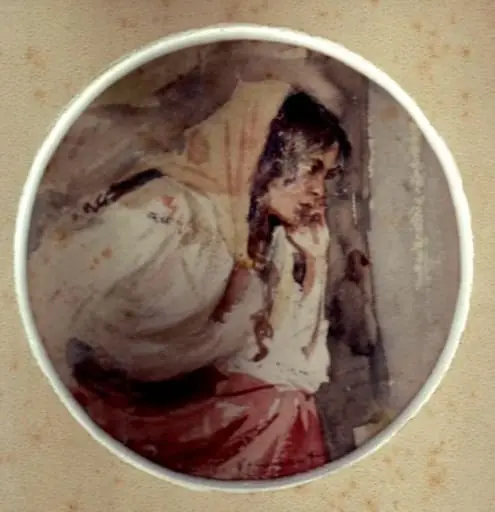
The woman stands alone in a modest interior, her posture relaxed yet composed. Her checkered jacket, patterned skirt, and white headscarf suggest regional or working-class dress. The small book in her hand implies literacy or private contemplation, while her hand in her pocket conveys a sense of stillness. The image avoids theatricality, offering a glimpse into the quiet routines of daily existence.
Technique & Style
Rendered in monochrome, the photograph relies on natural light and sharp focus to emphasize texture—the rough walls behind her, the weave of her clothing, the folds of her scarf. The composition is unadorned, with no studio props or artificial staging. This direct approach aligns with early photographic realism, valuing authenticity over idealization.
History & Provenance
The photograph entered the Museum of Ethnography’s holdings in the early 20th century, likely collected as part of a broader effort to record vernacular life. Its origin remains undocumented, and the photographer’s identity is unconfirmed. It was preserved not as art but as ethnographic evidence of material culture and personal demeanor in late 19th-century society.
Context
In the 1880s, photography became increasingly accessible, allowing images of ordinary people to circulate beyond elite portraiture. This work reflects a shift toward documenting domestic interiors and non-celebrity subjects. Similar images were gathered by anthropologists and social reformers seeking to understand the lives of non-urban populations during industrialization.
Legacy
Though not widely exhibited, the photograph contributes to the historical record of everyday visual culture. It exemplifies how early photography captured social nuance without commentary, preserving details of dress, posture, and environment that later historians would analyze. Its quiet presence continues to inform studies of gender, class, and material life in the late 1800s.
Artist & collection

 Domestic Scene
 Giacomo and Cardinal Marco, investing Andrea, Abbot of San Zeno, with his Benefice
 The Nymph of Fontainebleau
 Portrait of a Woman
 Madonna and Child with Saints in the Enclosed Garden
 Venus and Minerva
 Family Group of Four on Sofa
 Wall painting from Room H of the Villa of P. Fannius Synistor at Boscoreale