Artwork
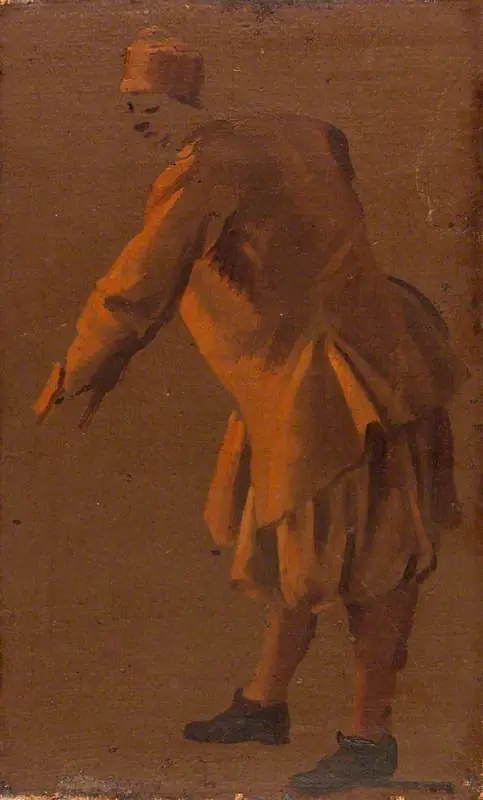
A Man Wearing a Yellow Coat
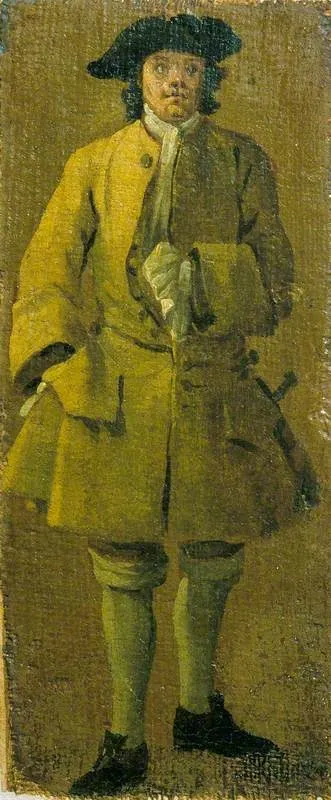
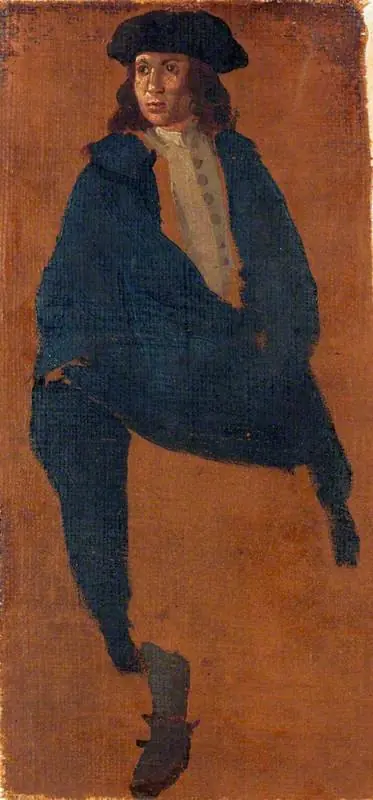
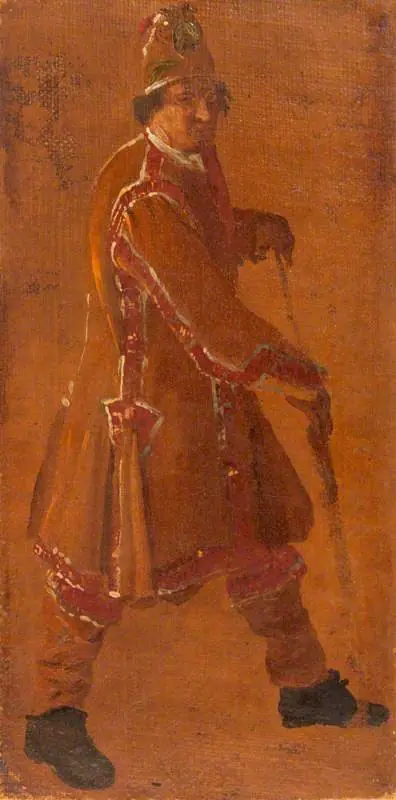
A Man Wearing a Yellow Coat is an oil painting by the Rococo painting artist Luca Carlevarijs. It dates from 1705 and is held in the collection of the Victoria and Albert Museum.
About this work
If you're interested in learning more about the artist who created this painting, you might want to look up Luca Carlevarijs.
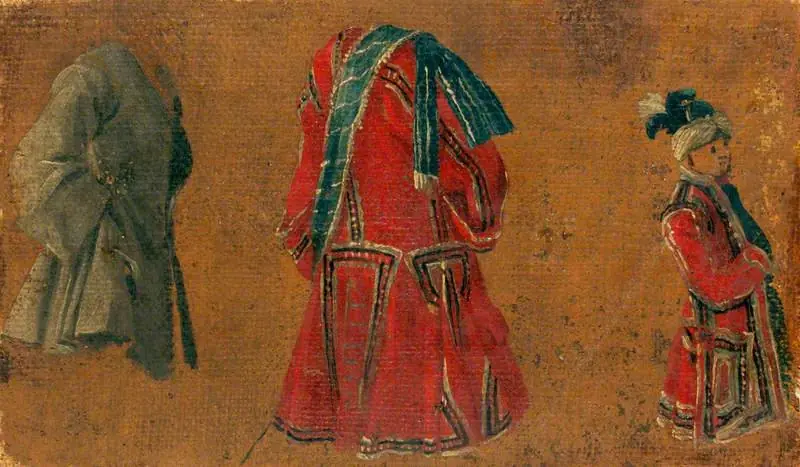
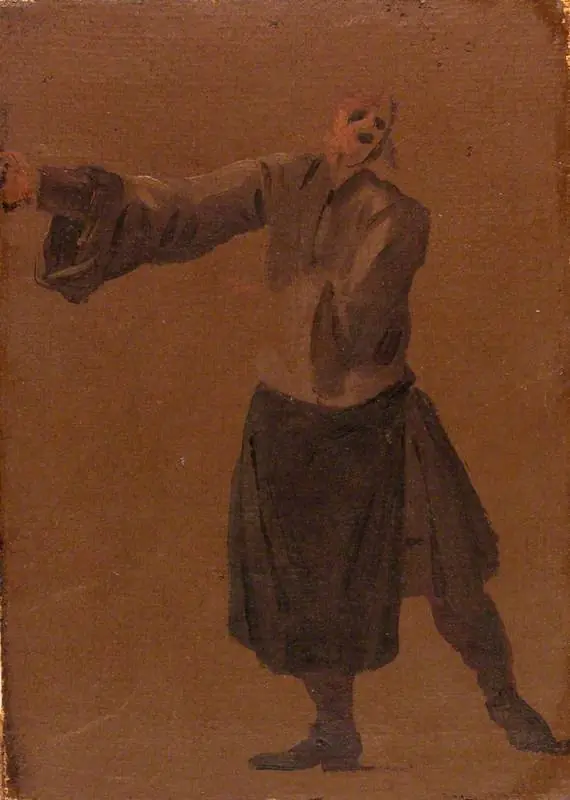
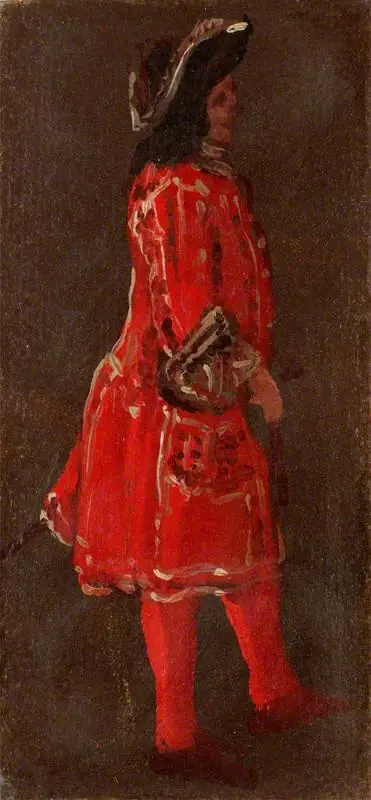
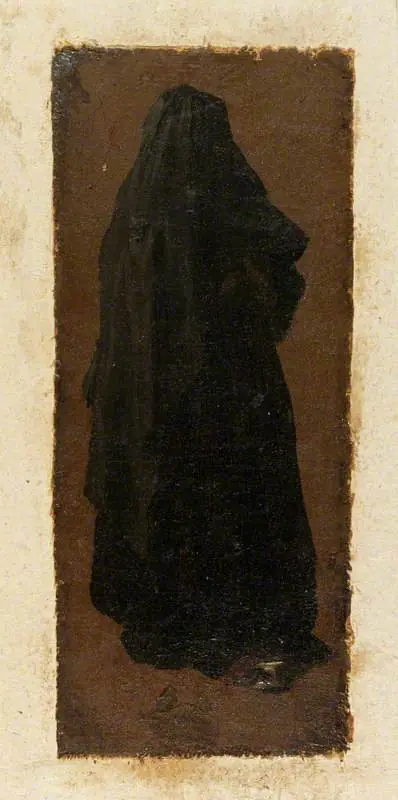
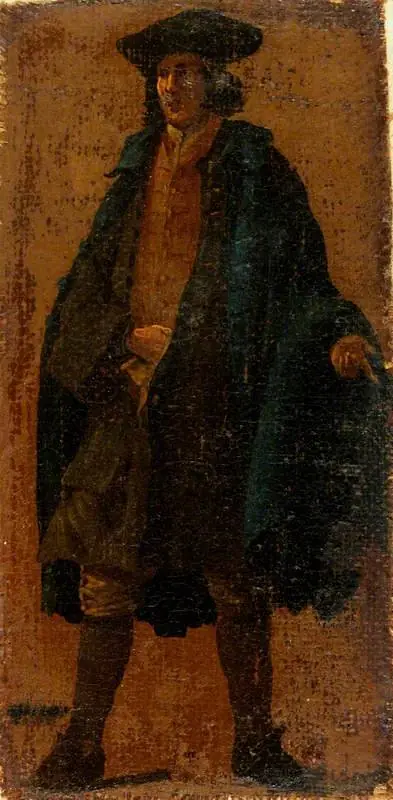
This painting shows a man wearing a yellow coat, with a white shirt and a black hat. He has a white cravat around his neck and is holding a walking stick in his right hand. The background of the painting is a solid color, which helps the man stand out.
The man's clothing and accessories suggest that he is a gentleman from the 18th century. His coat and hat are well-made and stylish, indicating that he is a man of means.
If you're interested in learning more about the artist who created this painting, you might want to look up Luca Carlevarijs.
Overview
Painted in 1705 by Luca Carlevarijs, this oil portrait captures a gentleman in a yellow coat, white shirt, and black hat, set against a plain background. Carlevarijs, an Italian artist based in Venice, is better known for his urban landscapes, yet this work reflects his skill in rendering individual portraiture with quiet precision. The painting is part of the Victoria and Albert Museum’s collection.
Subject & Meaning
The figure is depicted as a man of social standing, distinguished by his tailored attire and walking stick—symbols of leisure and status in early 18th-century Venice. The yellow coat, though vivid, is rendered with restraint, avoiding theatricality. The portrait does not convey narrative or emotion but instead presents a composed, dignified presence, typical of bourgeois self-representation in the period.
Technique & Style
Carlevarijs employs oil paint with a controlled brushwork, emphasizing texture in fabric and the sheen of the hat and stick. The solid, neutral background isolates the figure, focusing attention on costume and posture. While not a full-length portrait, the composition reflects a transition from formal group portraiture toward individualized, intimate depictions common in Venetian art of the era.
History & Provenance
The painting entered the Victoria and Albert Museum’s collection as part of its broader holdings in decorative arts and portraiture. Its early history prior to museum acquisition remains undocumented, though its stylistic consistency with Carlevarijs’s known works supports its attribution. It was likely commissioned privately, as was common for portraits of Venetian elites during the early 1700s.
Context
Though Carlevarijs is chiefly associated with Venetian vedute, this portrait aligns with a broader trend in early 18th-century Italy of depicting individuals in fashionable dress, often as standalone studies. The Rococo aesthetic, with its emphasis on elegance and refined detail, subtly informs the coat’s cut and the sitter’s poised demeanor, even if the work lacks the movement typical of the style.
Legacy
While not as widely studied as Carlevarijs’s cityscapes, this portrait illustrates his versatility and the range of Venetian painting beyond panoramic views. It contributes to understanding how artists of the time engaged with personal identity and material culture. The work remains a quiet example of how portraiture functioned as social documentation in pre-industrial Venice.
Artist & collection
Artist
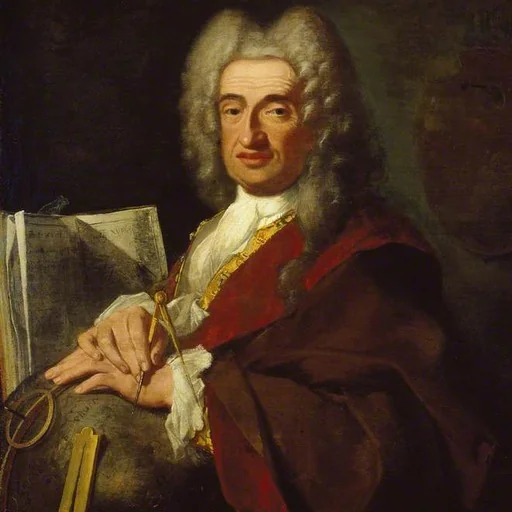
Luca Carlevarijs or Carlevaris (20 January 1663 – 12 February 1730) was an Italian painter and engraver working mainly in Venice.