Artwork
Apollo and Pythia
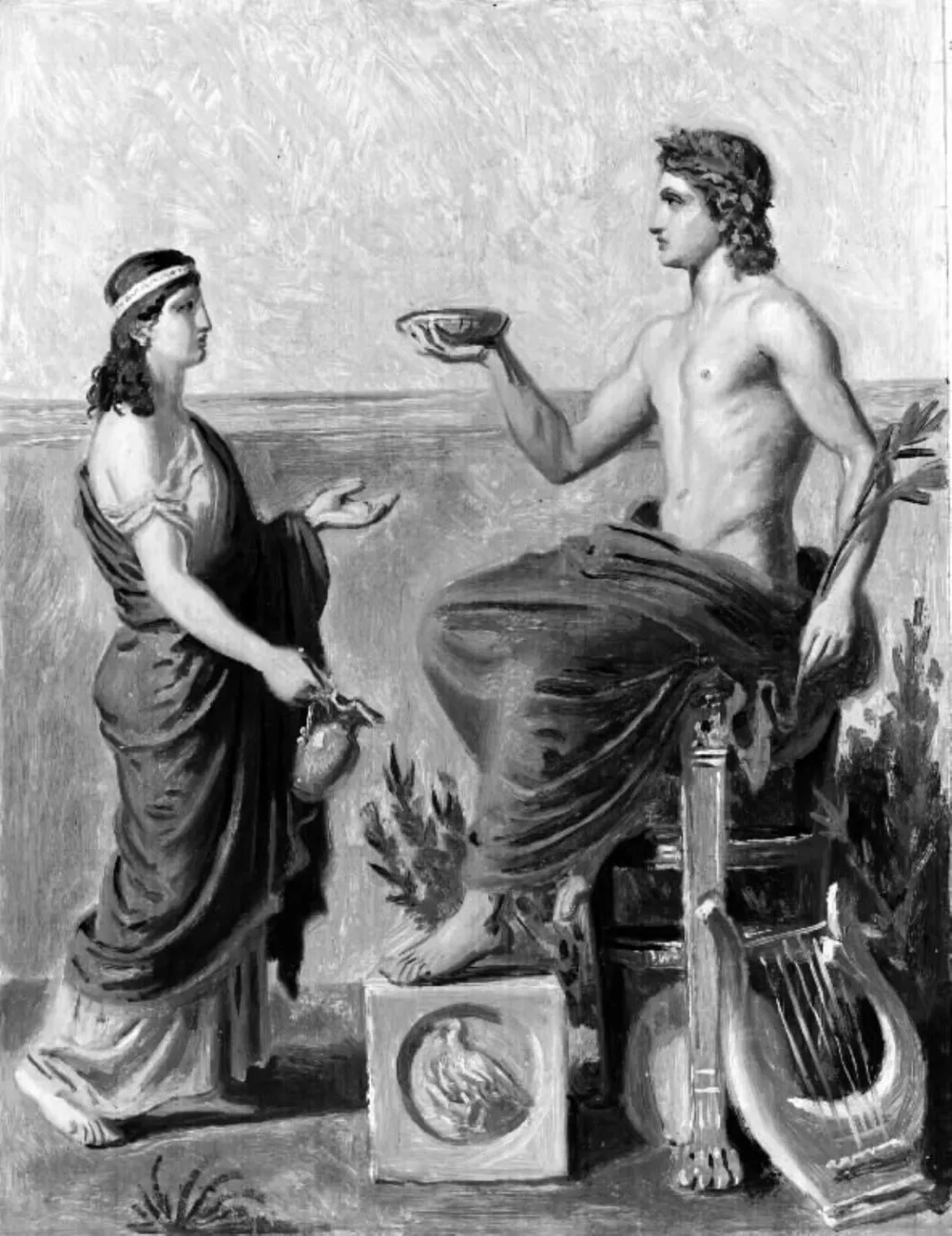
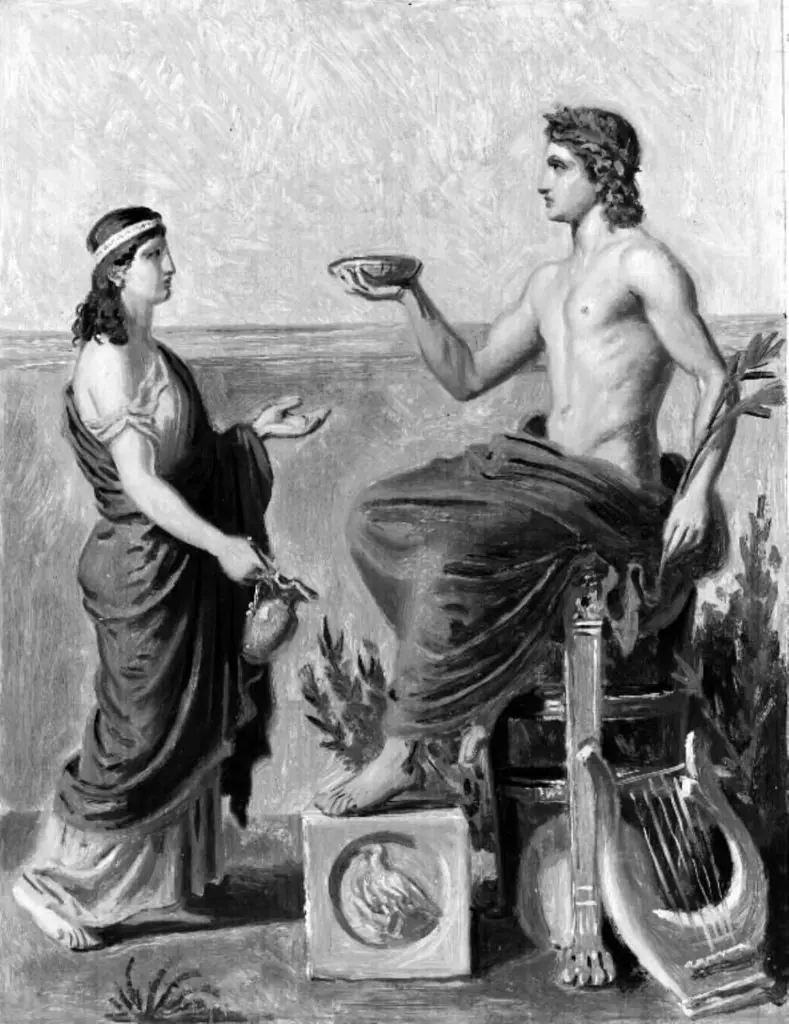
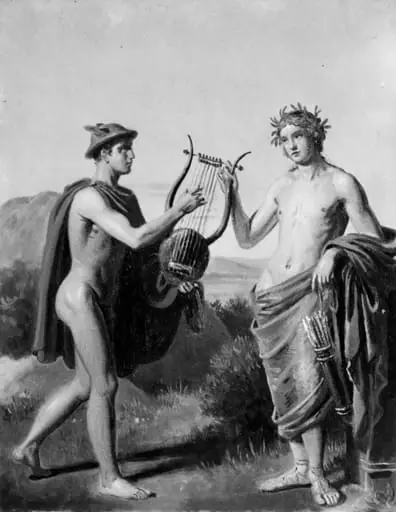
Apollo and Pythia is a photography by Unknown. It dates from 1849 and is held in the collection of the Statens Museum for Kunst. Painted around 1849, this work depicts a mythological encounter between Apollo and the Pythia, the oracle of Delphi.
About this work
Overview
The composition centers on two figures positioned near a carved stone pedestal, with symbolic objects suggesting ritual and divine communication.
Painted around 1849, this work depicts a mythological encounter between Apollo and the Pythia, the oracle of Delphi. Executed in oil on canvas, it is part of the collection at the Museum of Ethnography. The composition centers on two figures positioned near a carved stone pedestal, with symbolic objects suggesting ritual and divine communication. The scene reflects 19th-century interest in classical antiquity, rendered with attention to atmospheric detail and structured composition.
Subject & Meaning
The painting illustrates the moment when Apollo, god of prophecy and light, communicates with the Pythia, his priestess, who delivers his oracles. The shell-shaped seat evokes the sacred tripod at Delphi, while the staff with leaves signifies his divine authority. The carved face on the plaque may represent the Delphic deity or an ancestral spirit. Their interaction conveys the solemnity of divine revelation, where mortal and god meet in ritual silence.
Technique & Style
The artist employs chiaroscuro to model the figures with strong contrasts between light and shadow, enhancing their three-dimensionality and emotional gravity. Drapery is rendered with careful attention to folds and texture, while the shell and staff are detailed with symbolic precision. The background remains muted, focusing attention on the central figures and their ritual objects. The style aligns with academic traditions of the mid-19th century, prioritizing clarity and mythological narrative.
History & Provenance
Created in 1849, the painting entered the Museum of Ethnography’s collection in the late 19th century, likely through acquisition or donation by a collector with interest in classical themes. Its presence in an ethnographic institution rather than a fine arts museum suggests its use in illustrating cultural practices tied to ancient religion. No significant alterations or restorations are documented, and its condition remains stable.
Context
This work emerged during a period of renewed scholarly and artistic engagement with Greco-Roman mythology across Europe. Artists and intellectuals sought to revive classical ideals as a counterpoint to industrial modernity. The depiction of the Pythia reflects broader fascination with ancient oracular traditions, often interpreted through a lens of romanticized antiquity rather than archaeological accuracy.
Legacy
Though not widely exhibited outside its home institution, the painting contributes to the study of 19th-century mythological painting in non-traditional collections. Its inclusion in an ethnographic context invites reflection on how classical narratives were repurposed to frame cultural history. It remains a quiet example of how myth was visually codified during a time of shifting artistic priorities.
Artist & collection

 Domestic Scene
 Giacomo and Cardinal Marco, investing Andrea, Abbot of San Zeno, with his Benefice
 The Nymph of Fontainebleau
 Portrait of a Woman
 Madonna and Child with Saints in the Enclosed Garden
 Venus and Minerva
 Family Group of Four on Sofa
 Wall painting from Room H of the Villa of P. Fannius Synistor at Boscoreale
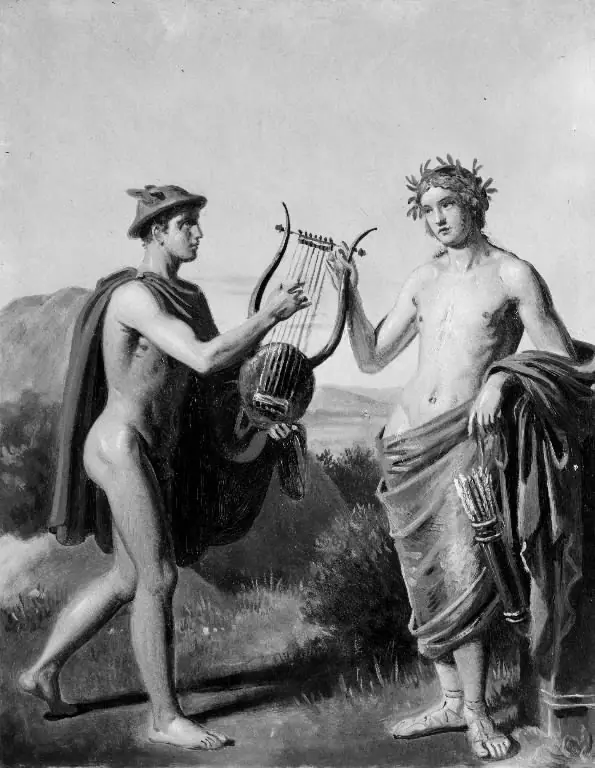 Apollon og Hermes
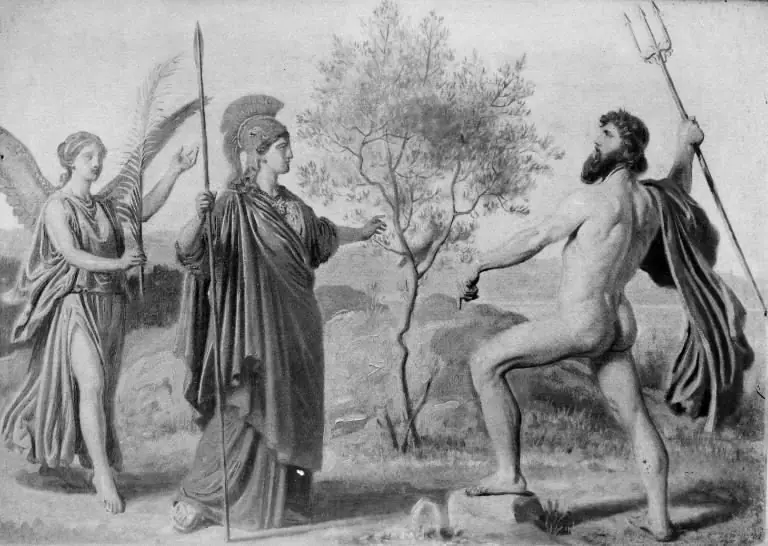 Athene followed by Nike Disputing with Poseidon for Possession of Attica
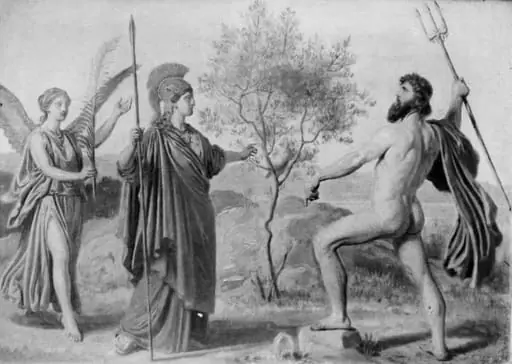 Athene followed by Nike Disputing with Poseidon for Possession of Attica
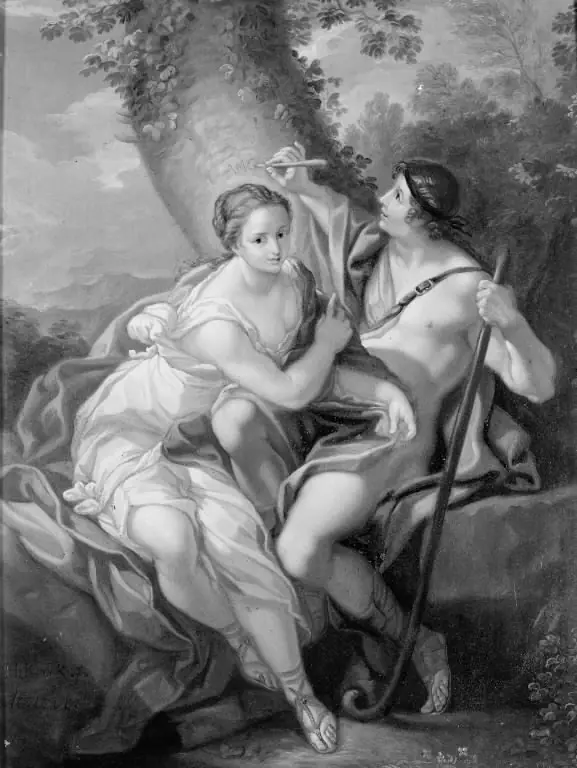 Medos og Angelica
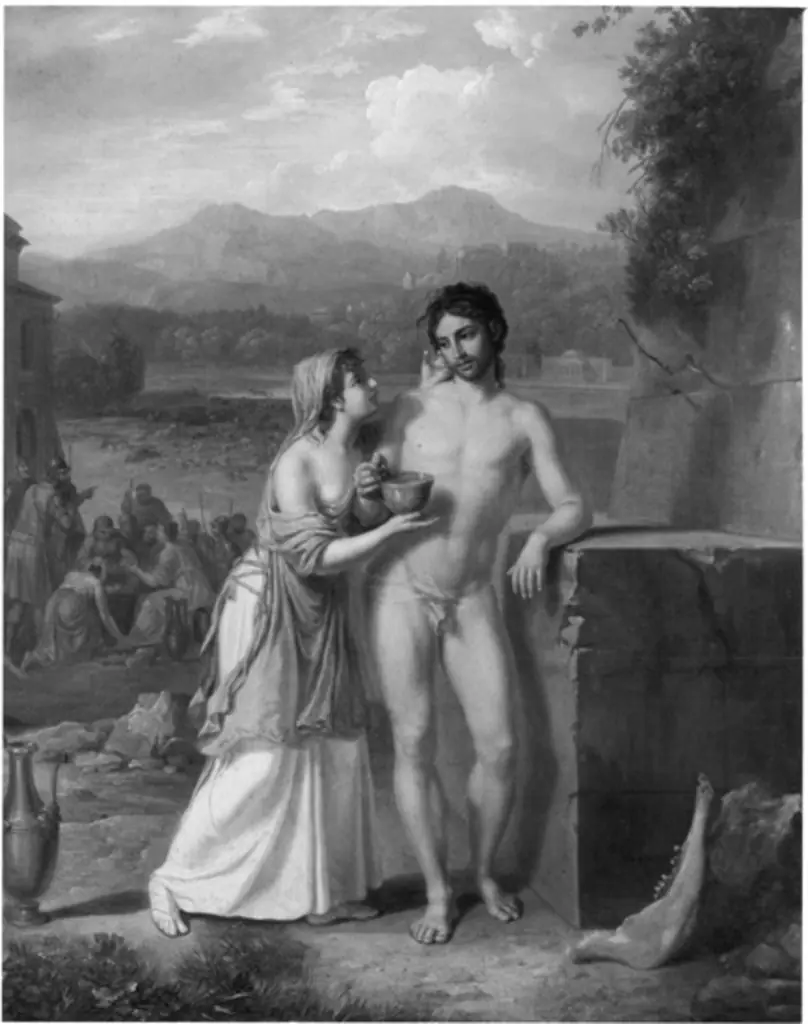 Samson und Delila
 Medos og Angelica
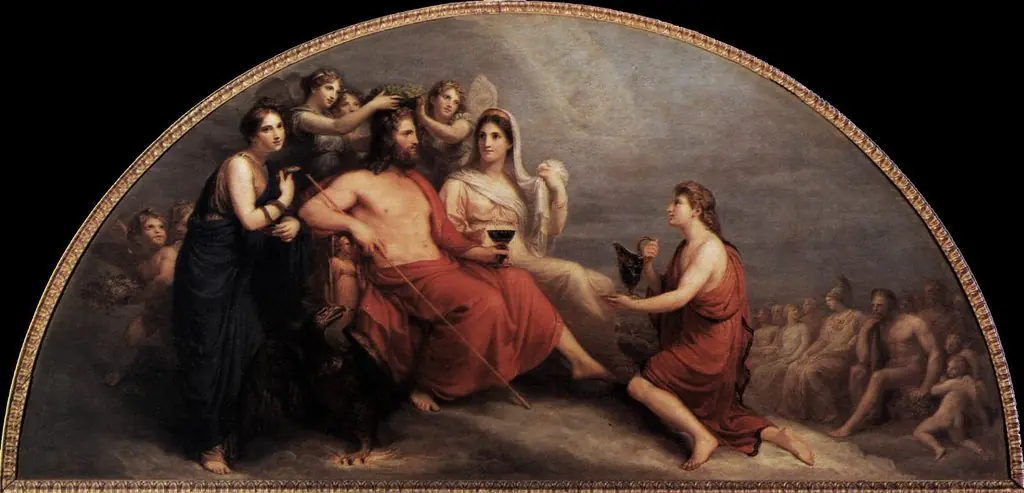 The Olympus (Jupiter, Crowned with Myrtle By the Hours, Proffers a Goblet to Ganymede to Be Served Nectar)
 Prometheus Moulding Man from Clay
 At the Fountain
 Christian VII som kunstens og videnskabens beskytter. Allegori
 Apollo and Pythia
 Apollon og Hermes