Artwork
Democritus in Meditation
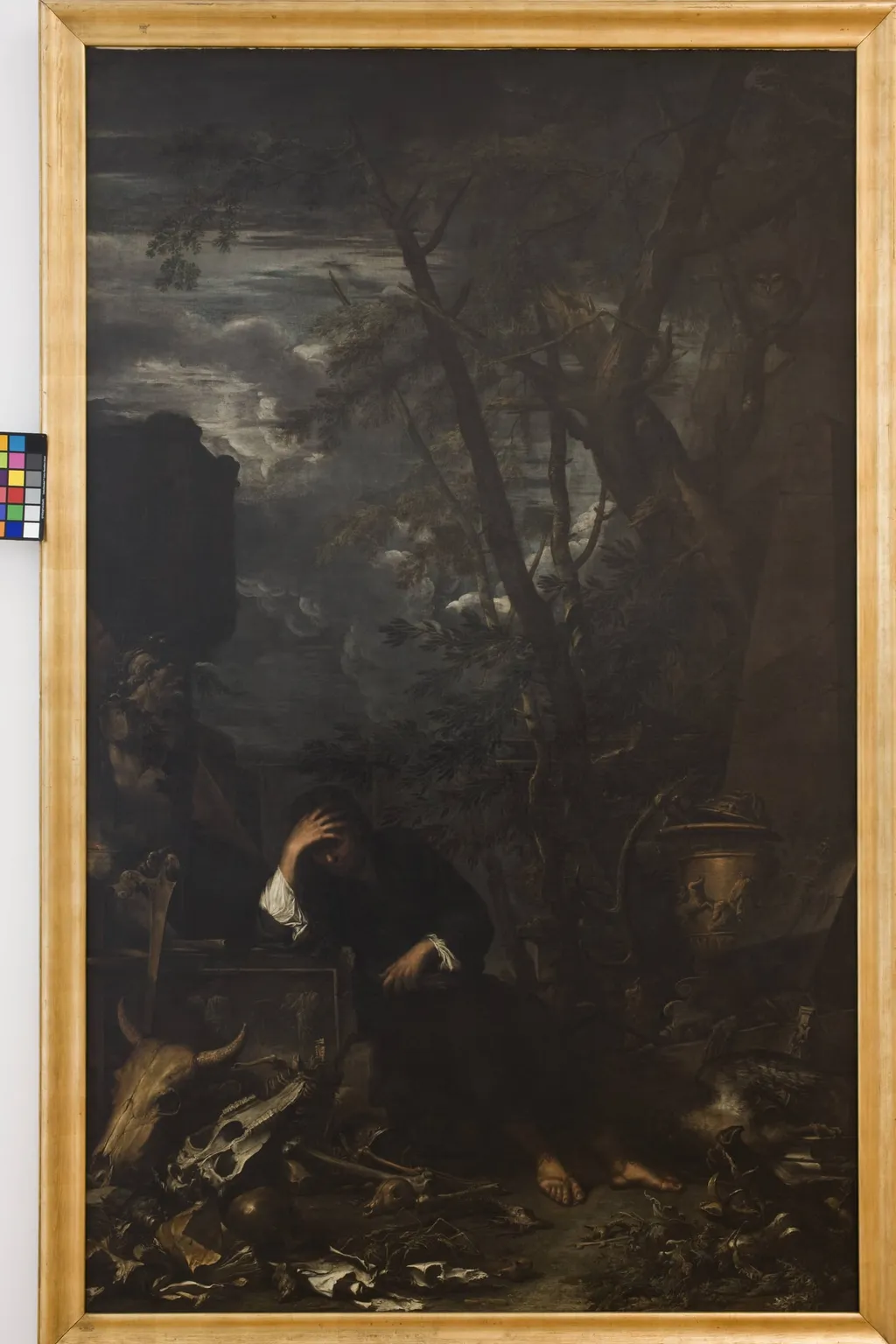
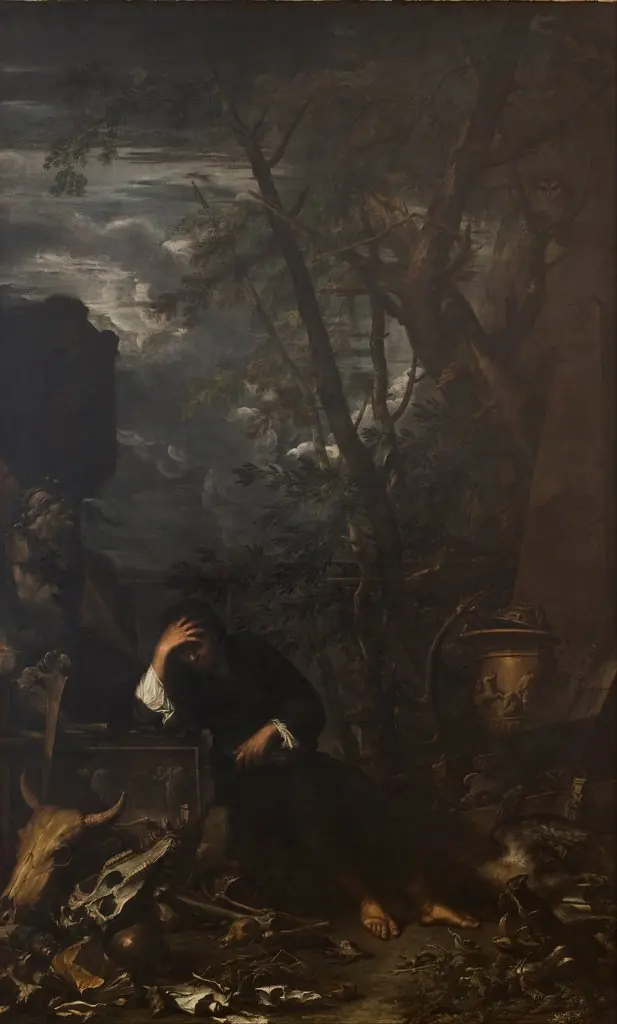
Democritus in Meditation is a photography by Unknown. It dates from 1650 and is held in the collection of the Statens Museum for Kunst. Created around 1650, this painting depicts the ancient Greek philosopher Democritus in a contemplative state amid a somber natural setting.
About this work
Overview
Created around 1650, this painting depicts the ancient Greek philosopher Democritus in a contemplative state amid a somber natural setting.
Created around 1650, this painting depicts the ancient Greek philosopher Democritus in a contemplative state amid a somber natural setting. Though attributed to an artist active in the late 19th century, the work emulates 17th-century visual conventions. It resides in the Museum of Ethnography, where its thematic focus on mortality and reflection aligns with broader ethnographic inquiries into human thought and ritual.
Subject & Meaning
The central figure, identified as Democritus, sits barefoot on the forest floor, holding a human skull—a traditional symbol of memento mori. His posture suggests deep introspection, evoking his historical reputation as the 'laughing philosopher' who pondered the transience of life. A secondary figure stands nearby, observing silently. The scattered bones and discarded armor imply the decay of human ambition, reinforcing the theme of existential reflection.
Technique & Style
The composition employs chiaroscuro to heighten emotional tension, with stark contrasts between shadowed undergrowth and faint, diffused light filtering through storm clouds. Textures of bark, fabric, and bone are rendered with restrained detail, emphasizing mood over realism. The arrangement of objects—helmet, painting, broken branches—creates a quiet narrative rhythm, guiding the viewer’s gaze toward the contemplative figure without overt symbolism.
History & Provenance
The painting was produced in the mid-17th century, likely in the Netherlands, where philosophical and religious themes often merged in genre scenes. It entered the Museum of Ethnography’s collection in the late 19th century, possibly acquired as an example of early modern European engagement with classical antiquity. Its attribution to a 19th-century artist reflects later reinterpretation rather than original creation.
Context
During the 17th century, Dutch artists frequently depicted philosophers in natural settings to explore themes of reason, mortality, and the sublime. Democritus, known for his materialist worldview and laughter at human folly, became a favored subject for meditative imagery. This painting reflects a broader cultural interest in classical philosophy as a lens for understanding human nature, distinct from religious dogma.
Legacy
Though not widely exhibited, the work contributes to a quiet tradition of philosophical portraiture that prioritizes introspection over grandeur. Its presence in an ethnographic museum underscores its role as a cultural artifact reflecting how later generations visualized ancient thought. The painting’s subdued tone and symbolic clutter continue to invite quiet contemplation, preserving its original intent without embellishment.
Artist & collection

 Domestic Scene
 Giacomo and Cardinal Marco, investing Andrea, Abbot of San Zeno, with his Benefice
 The Nymph of Fontainebleau
 Portrait of a Woman
 Madonna and Child with Saints in the Enclosed Garden
 Venus and Minerva
 Family Group of Four on Sofa
 Wall painting from Room H of the Villa of P. Fannius Synistor at Boscoreale
 Triumph der Zeit
 Italian Mountain Landscape with Shepherds
 The Annunciation
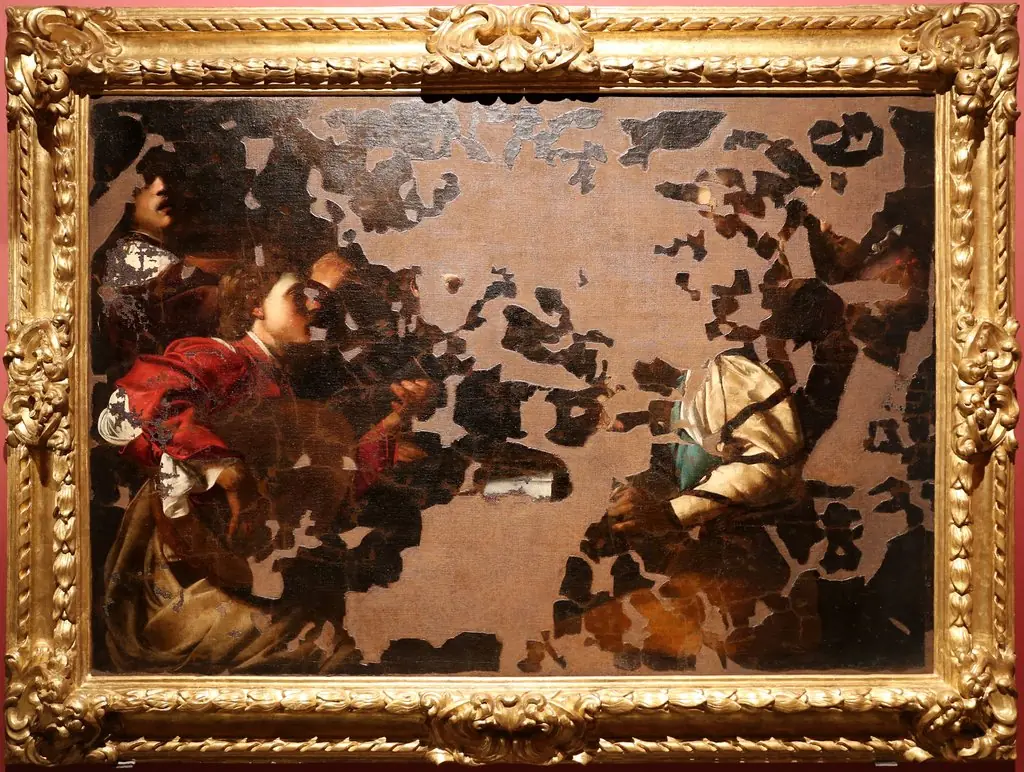 Concerto
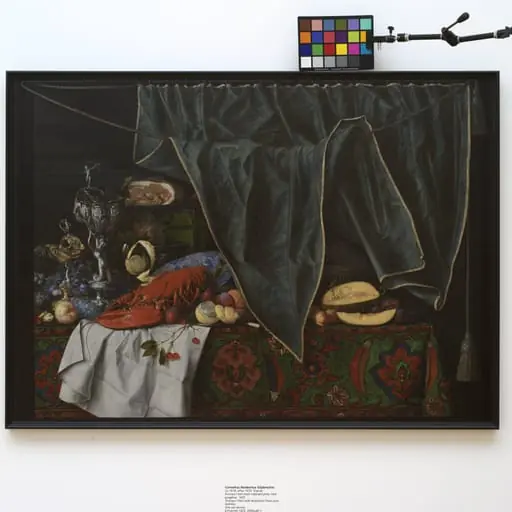 Trompe l'Oeil with Breakfast Piece and Goblets
 Natură statică cu porumbei (în registrul inventar: Natură moartă și un coș cu porumbei)
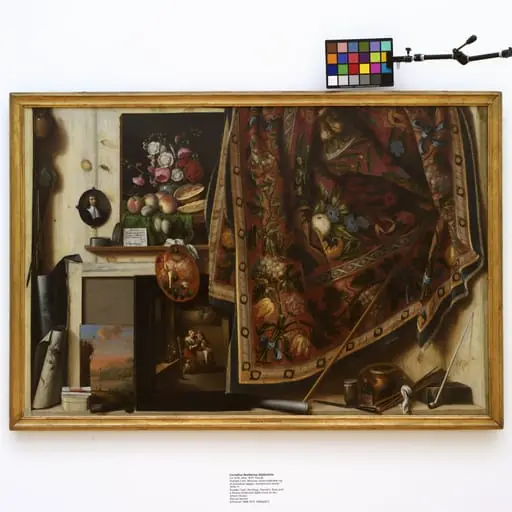 Trompe l'oeil. A Cabinet in the Artist's Studio
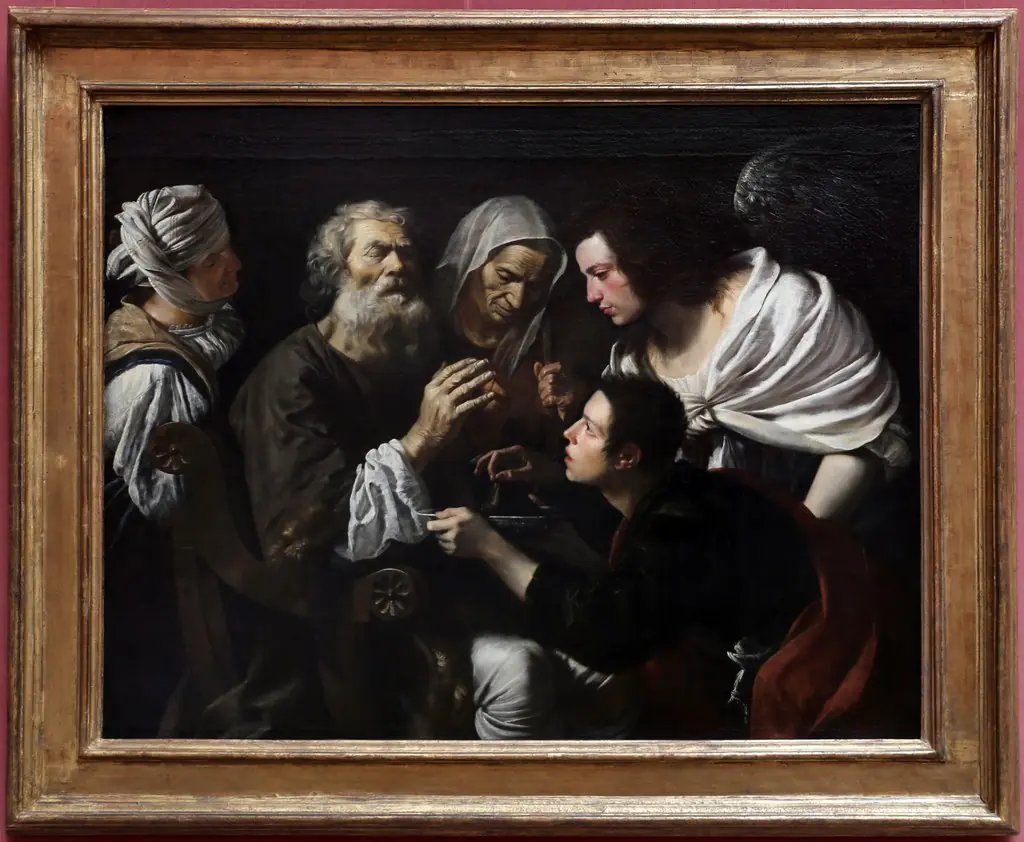 The Healing of Tobit
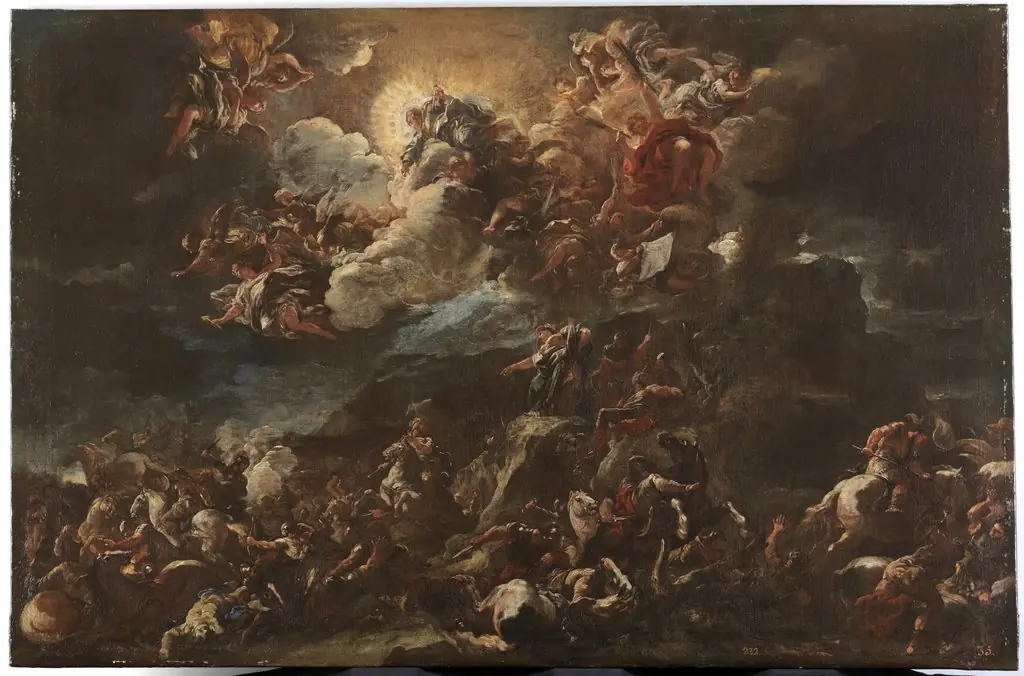 Victoria de los israelitas y cántico de Débora
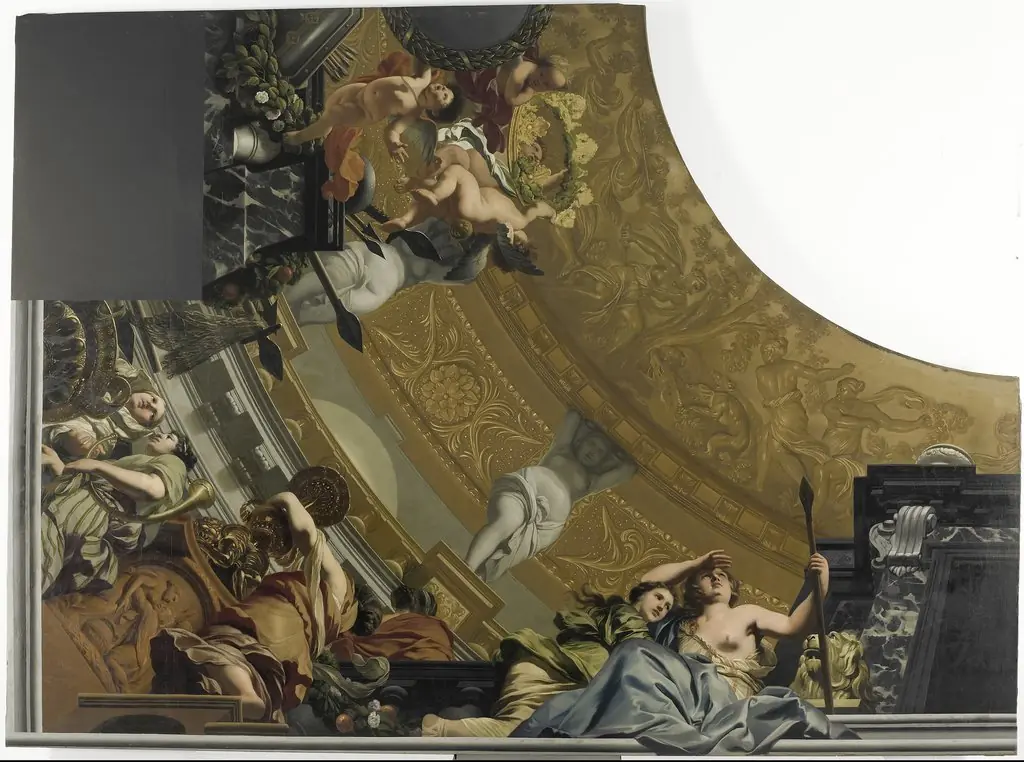 Onderdeel (linksonder) van een plafondschildering met als hoofdvoorstelling Diana en haar gezellinnen
 Cezar primind capul lui Pompei
 Democritus in Meditation