Artwork
Cezar primind capul lui Pompei
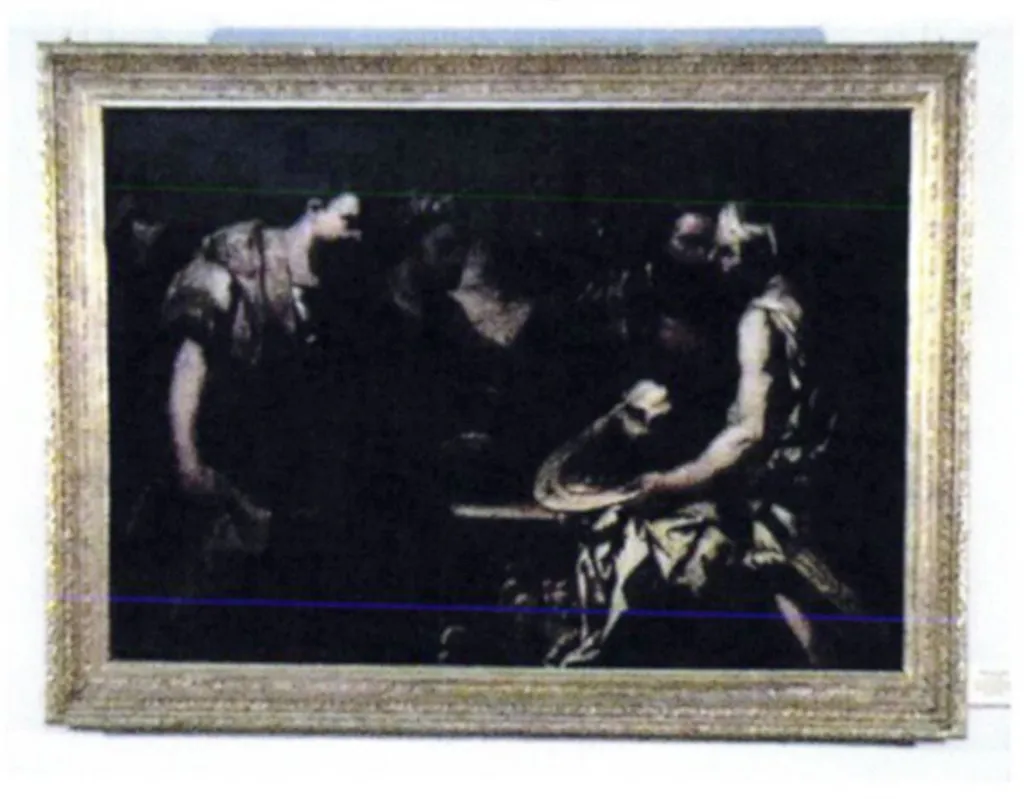
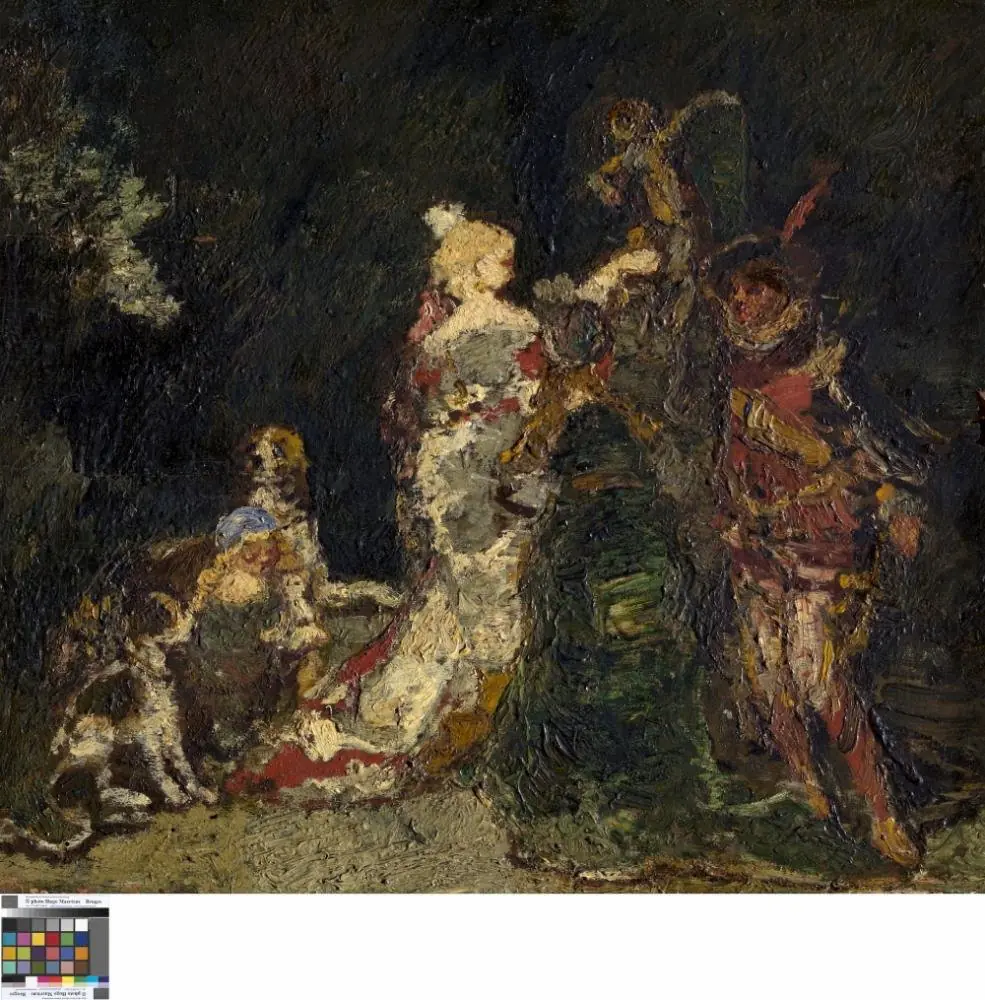
Cezar primind capul lui Pompei is an unspecified painting by the Barbizon school artist Peter Paul Rubens. It is held in the collection of the Moldova National Museum Complex. This painting depicts a moment of violent transition, capturing the aftermath of a political assassination.
About this work
Overview
The scene is rendered with intense contrast and minimal color, emphasizing emotional gravity over narrative detail.
This painting depicts a moment of violent transition, capturing the aftermath of a political assassination. Two figures dominate the composition: one kneeling, the other standing in agitation. The scene is rendered with intense contrast and minimal color, emphasizing emotional gravity over narrative detail. The artist’s focus on gesture and light suggests a moment frozen between action and consequence.
Subject & Meaning
The figures represent Julius Caesar and his assassin, likely Brutus, at the instant after the fatal blow. The kneeling man holds the weapon, his gaze downward, while the standing figure reaches out, perhaps in shock or regret. The scene avoids overt spectacle, instead conveying the psychological weight of betrayal. The absence of context or background isolates the human drama, heightening its intimacy and moral ambiguity.
Technique & Style
The artist employs strong chiaroscuro to model form and direct attention, with stark contrasts between the white shirt and the surrounding darkness. Bold, energetic brushwork animates the standing figure’s posture, suggesting motion and inner turmoil. Metallic surfaces catch fleeting highlights, while shadows swallow details, reinforcing the scene’s tension. The palette is restrained, relying on value shifts rather than color to convey mood.
History & Provenance
The work emerged in the early 19th century, during a period of renewed interest in classical history and political upheaval. It was likely commissioned by a collector drawn to dramatic historical themes. Its early ownership records are sparse, but it passed through private collections in France before entering a public institution in the late 1800s, where it remains today.
Context
Created amid the Romantic era’s fascination with tragic heroism and moral complexity, the painting reflects contemporary anxieties about power, loyalty, and revolution. Classical subjects were frequently revisited to comment on modern politics, and this scene resonated with audiences familiar with recent regime changes. The artist’s approach aligns with a broader trend toward psychological intensity over historical accuracy.
Legacy
Though not widely exhibited, the painting influenced later artists exploring emotional depth in historical scenes. Its emphasis on gesture and lighting became a reference point for those seeking to convey inner conflict without narrative exposition. It remains a quiet but potent example of how classical themes could be reimagined to evoke universal human tensions.
Artist & collection
Artist
Flemish Baroque painter Peter Paul Rubens filled canvases with dramatic, muscular figures in swirling robes and golden light.
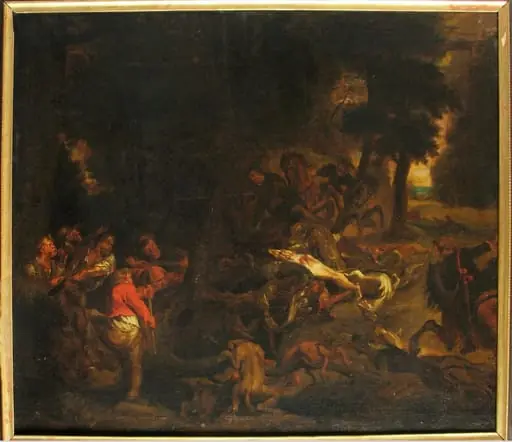
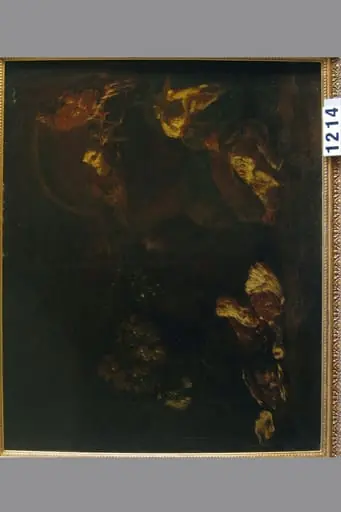 Natură statică cu porumbei (în registrul inventar: Natură moartă și un coș cu porumbei)
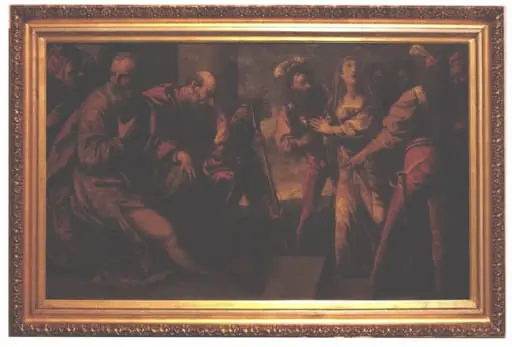 Femeia adulteră în fața judecătorilor
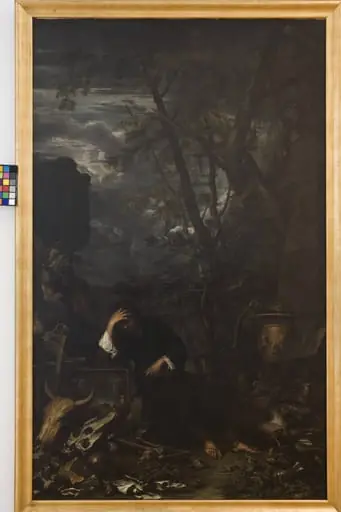 Democritus in Meditation
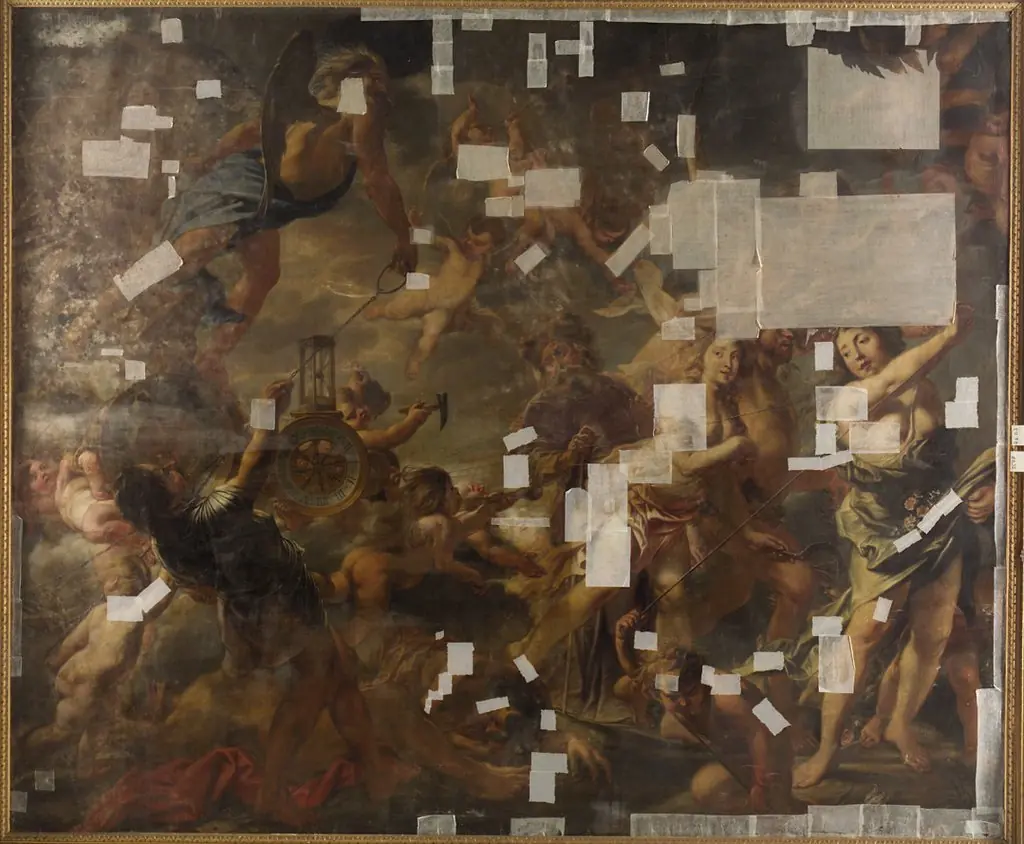 Triumph der Zeit
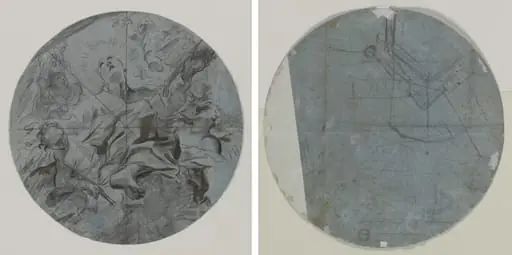 Apotheosis of a Saint (recto); Architectural Sketch(?) (verso)
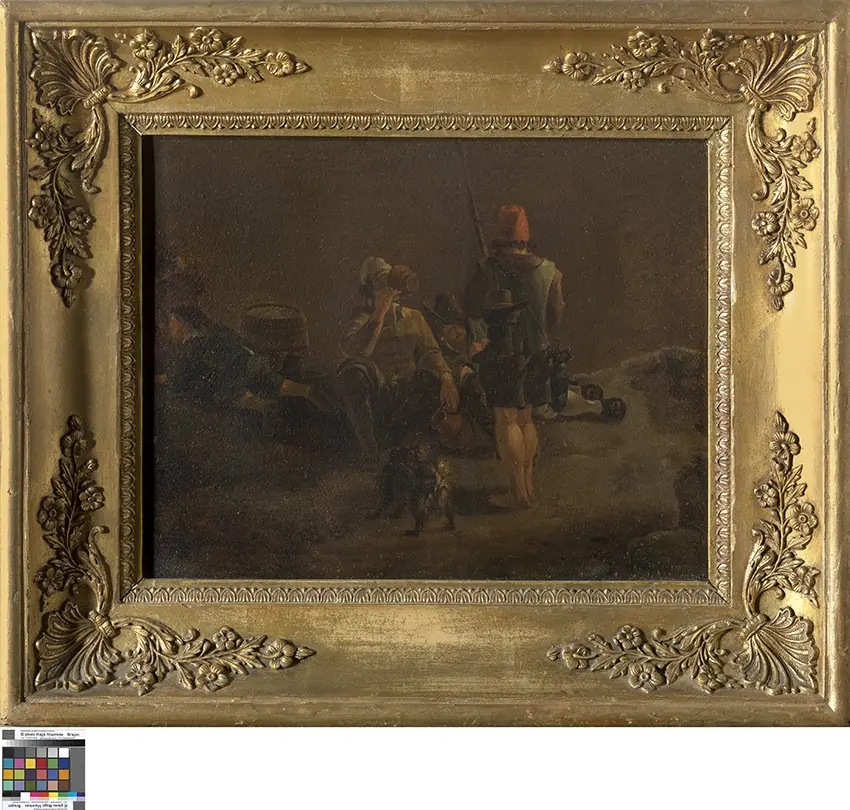 Four Figures
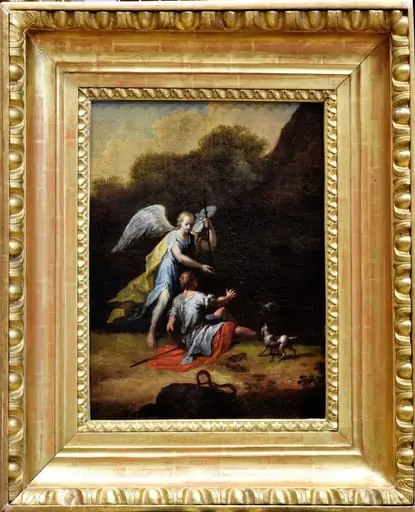 Tobias cu îngerul
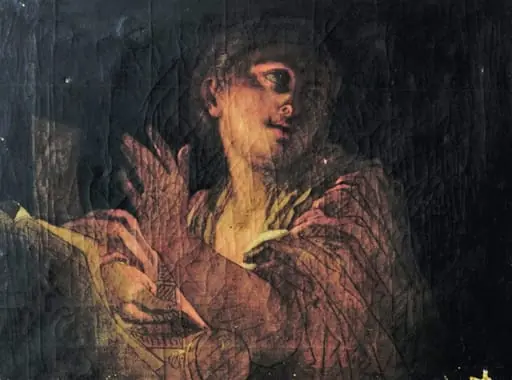 Efect de lumină
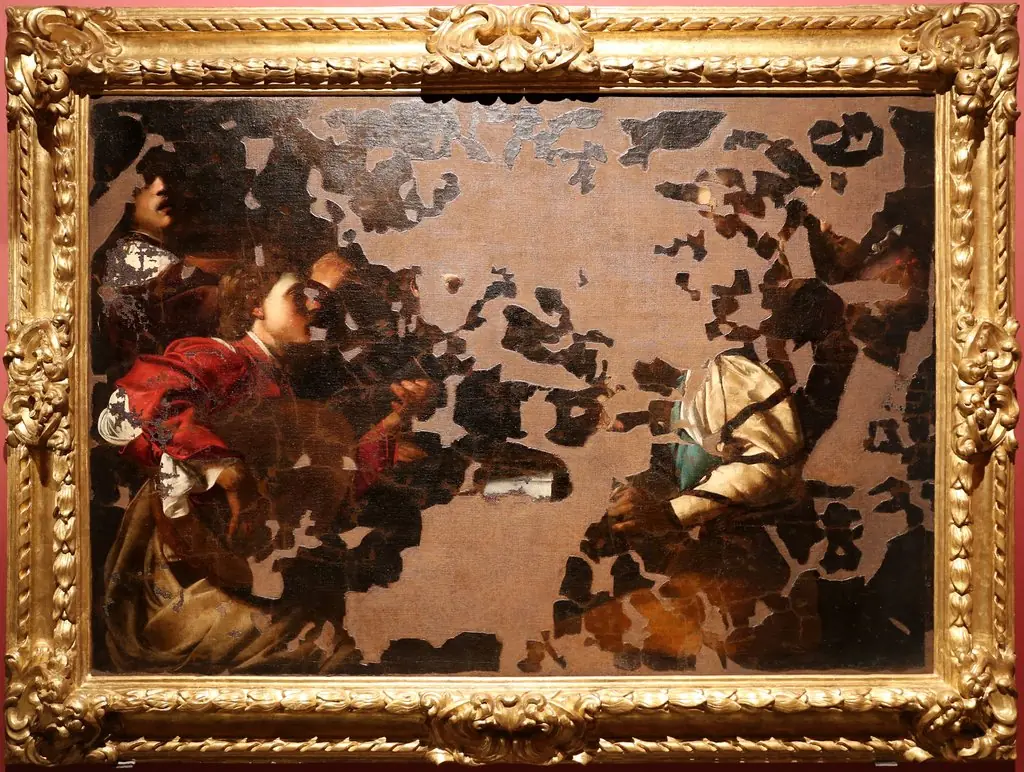 Concerto
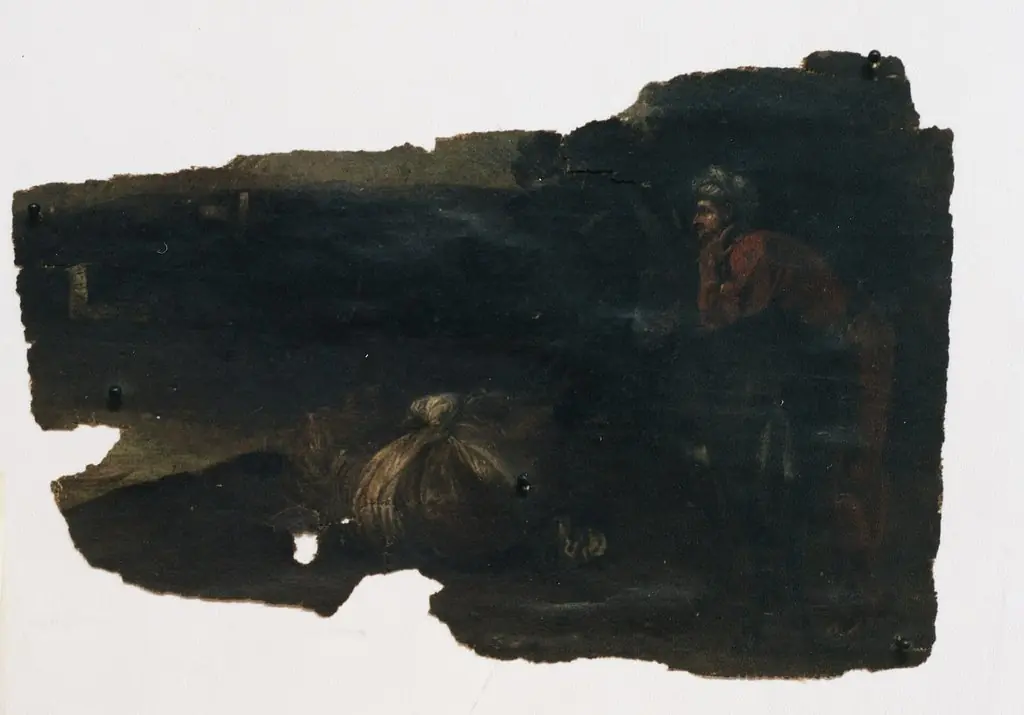 Landskap
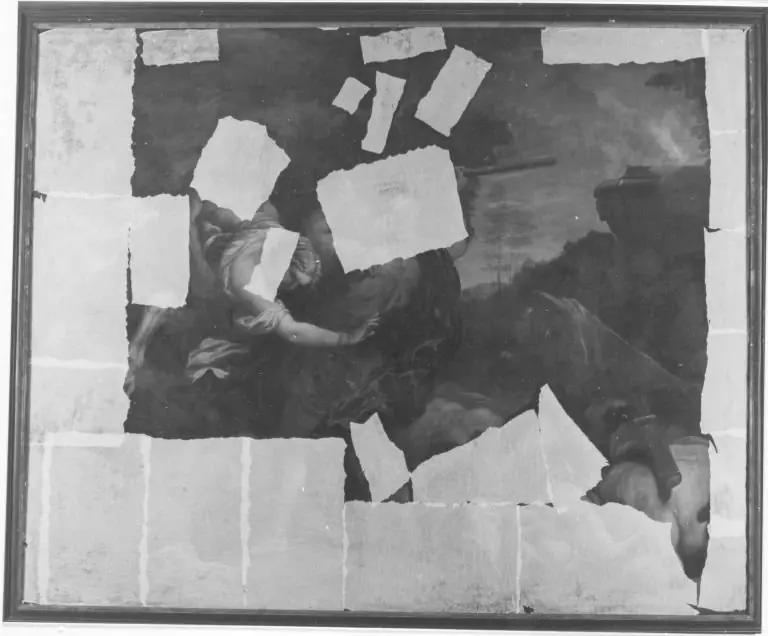 Hercules kills the Nessus
 Figuren in een park