Artwork
Portrait of a Man with a Viola da Gamba
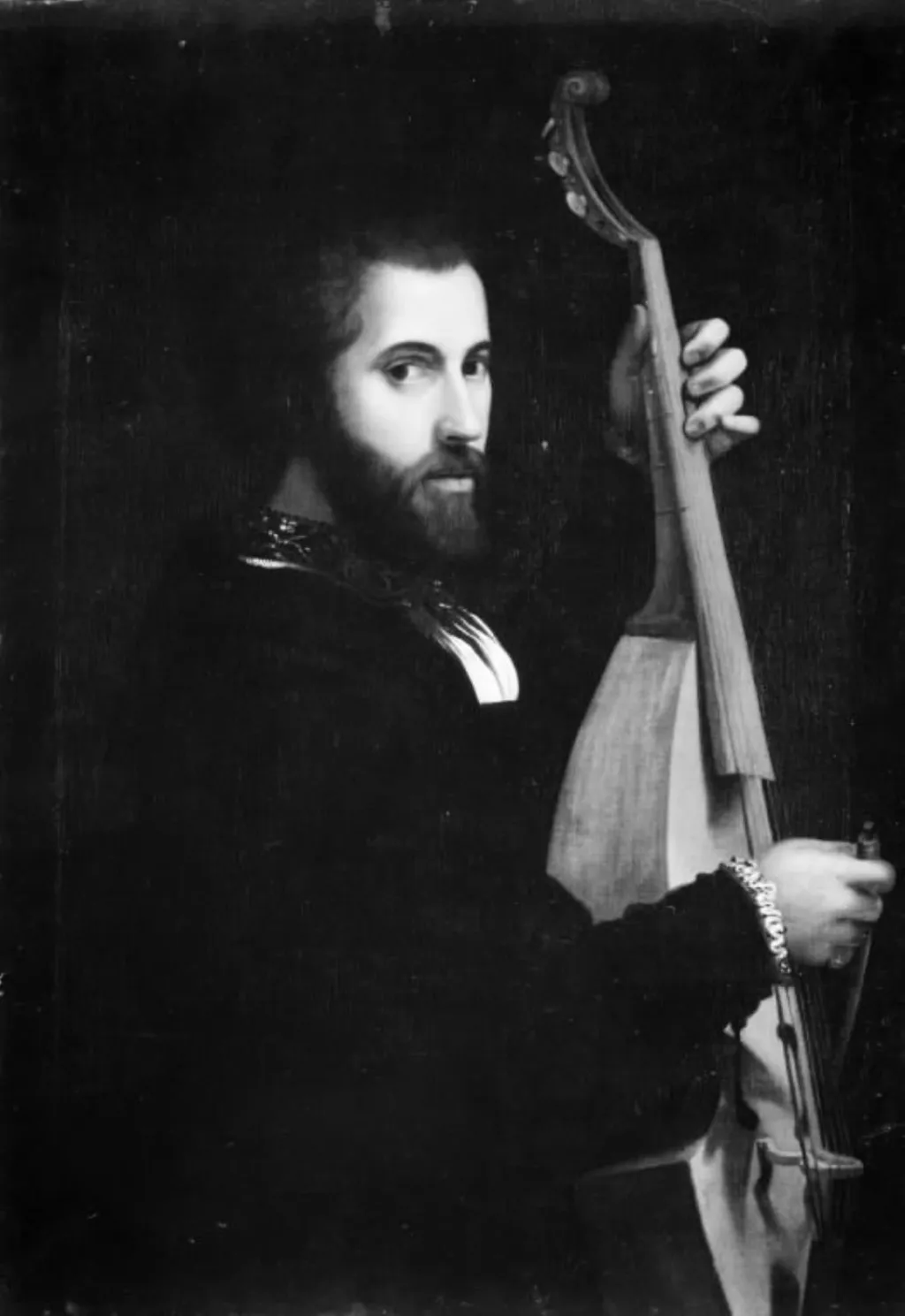
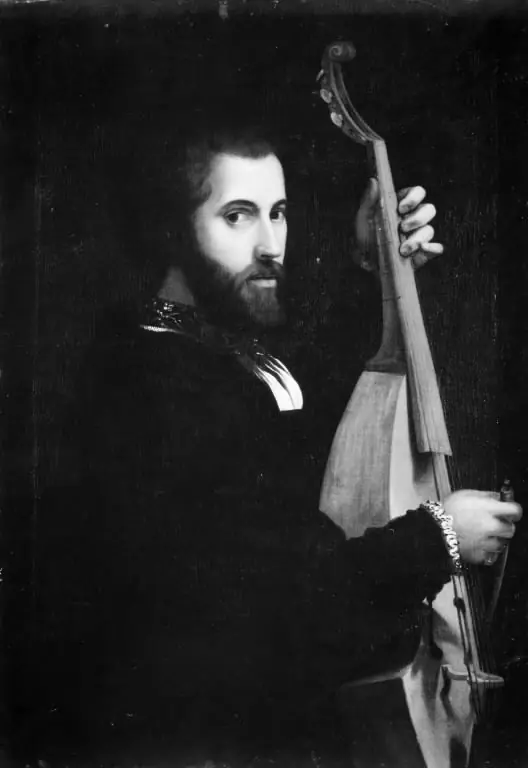
Portrait of a Man with a Viola da Gamba is an unspecified painting by Unknown. It dates from 1550 and is held in the collection of the Statens Museum for Kunst. Painted around 1550, this portrait depicts a man holding a viola da gamba, a stringed instrument popular in Renaissance courts.
About this work
Overview
It resides in the Museum of Ethnography, where it is displayed as an example of 16th-century portraiture with musical symbolism.
Painted around 1550, this portrait depicts a man holding a viola da gamba, a stringed instrument popular in Renaissance courts. The work is attributed to an anonymous artist, often referred to in catalogues by a placeholder name. It resides in the Museum of Ethnography, where it is displayed as an example of 16th-century portraiture with musical symbolism. The composition is tightly focused, with minimal background detail.
Subject & Meaning
The sitter, dressed in somber attire, holds the viola da gamba with both hands in a posture of quiet engagement. The instrument, associated with learned and refined musical practice, suggests the subject’s cultural sophistication. His serious gaze and stillness convey introspection rather than performance, implying a private moment of musical contemplation rather than public display.
Technique & Style
The artist employs chiaroscuro to model the figure with subtle gradations of light and shadow, giving the body and instrument a tangible presence against the dark, undefined background. Brushwork is restrained, emphasizing form over texture. The dark clothing and background eliminate distractions, directing attention to the man’s hands and the instrument’s contours, reinforcing the painting’s meditative tone.
History & Provenance
The painting’s early ownership is undocumented. It entered the Museum of Ethnography’s collection in the late 19th century, likely as part of a broader acquisition of European artworks with ethnographic or cultural significance. Its attribution remains tentative, and no contemporary records link it to a known patron or commission, leaving its original context obscure.
Context
In mid-16th-century Europe, portraits featuring musical instruments often signaled the sitter’s education and social standing. The viola da gamba, favored in intimate chamber settings, contrasted with louder ensemble instruments. This portrait reflects a trend among the educated elite to associate themselves with refined, private musical practice, aligning visual identity with intellectual and artistic cultivation.
Legacy
Though not widely reproduced or studied, the portrait remains a quiet example of how Renaissance artists conveyed inner life through gesture and lighting. Its preservation in an ethnographic museum underscores shifting 19th-century views of art as cultural artifact. The work continues to serve as a reference for understanding the intersection of music, identity, and portraiture in early modern Europe.
Artist & collection

 Domestic Scene
 Giacomo and Cardinal Marco, investing Andrea, Abbot of San Zeno, with his Benefice
 The Nymph of Fontainebleau
 Portrait of a Woman
 Madonna and Child with Saints in the Enclosed Garden
 Venus and Minerva
 Family Group of Four on Sofa
 Wall painting from Room H of the Villa of P. Fannius Synistor at Boscoreale
 Lautenspieler
 Portrait of a Genoese Nobleman
 Man Holding a Flute
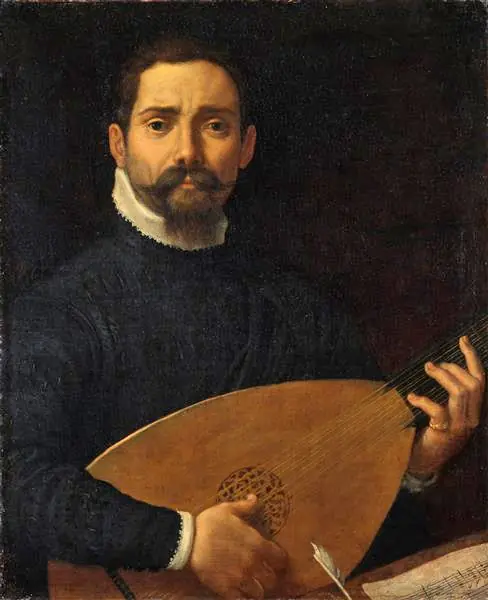 Portrait of the lute player Giulio Mascheroni
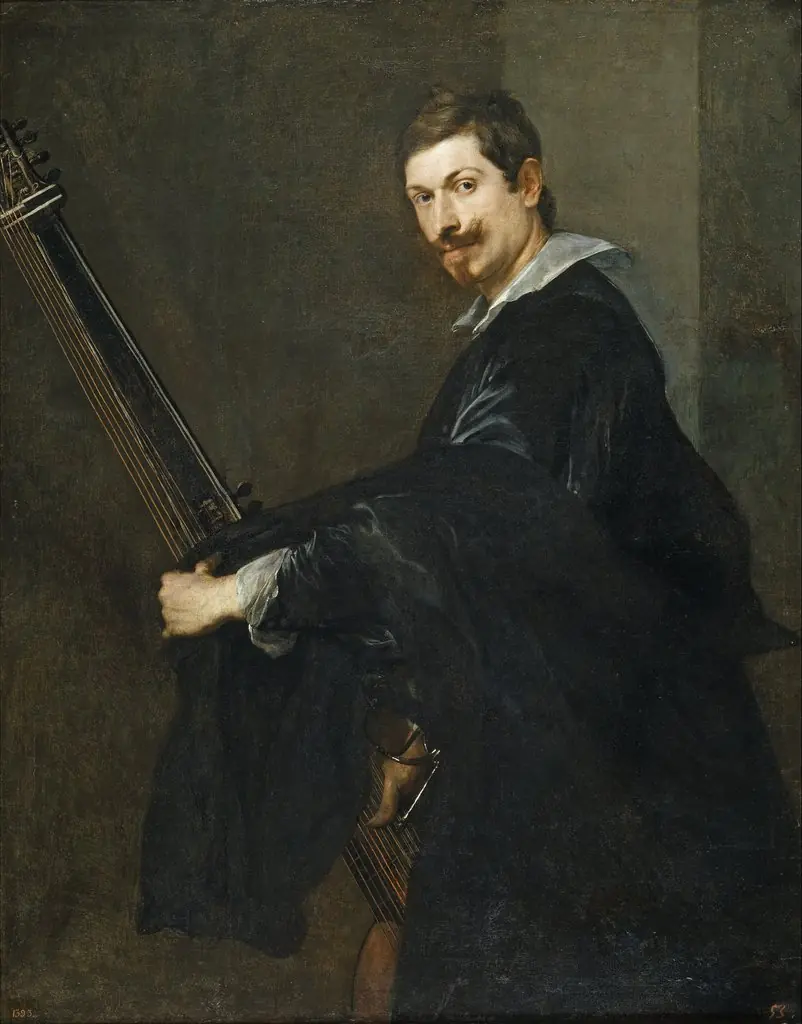 Man with a Lute
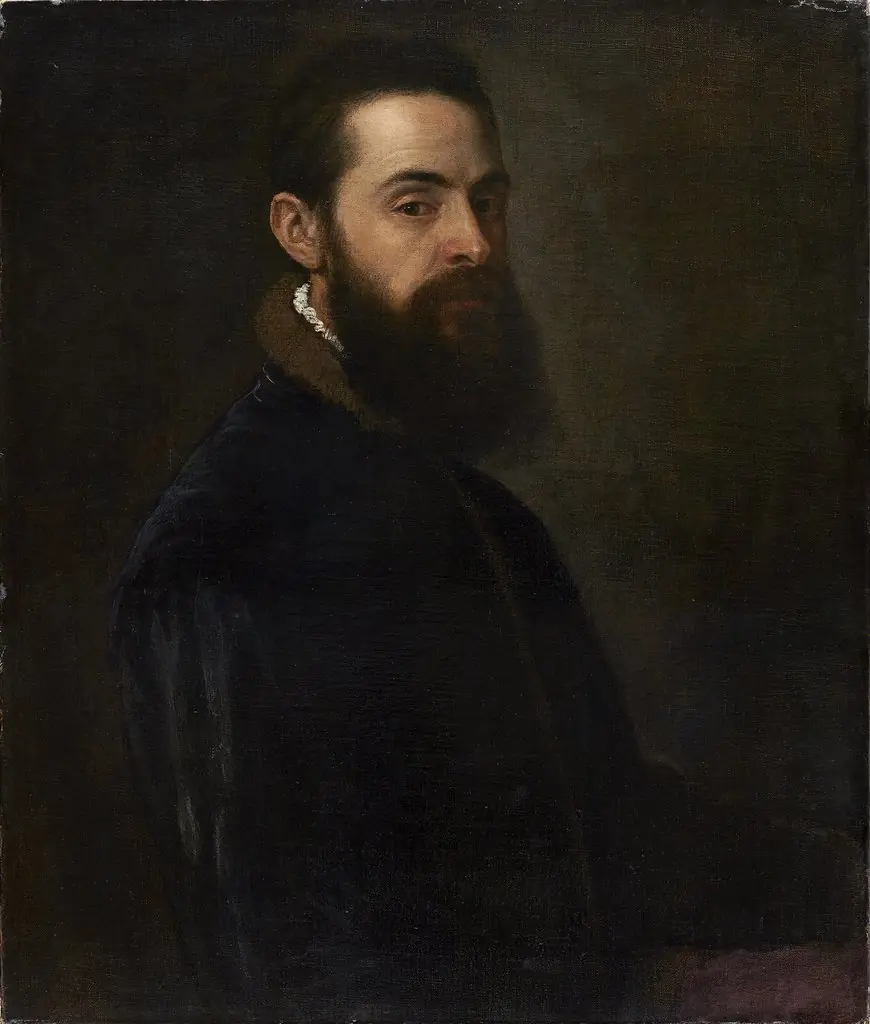 Portrait of Antonio Anselmi
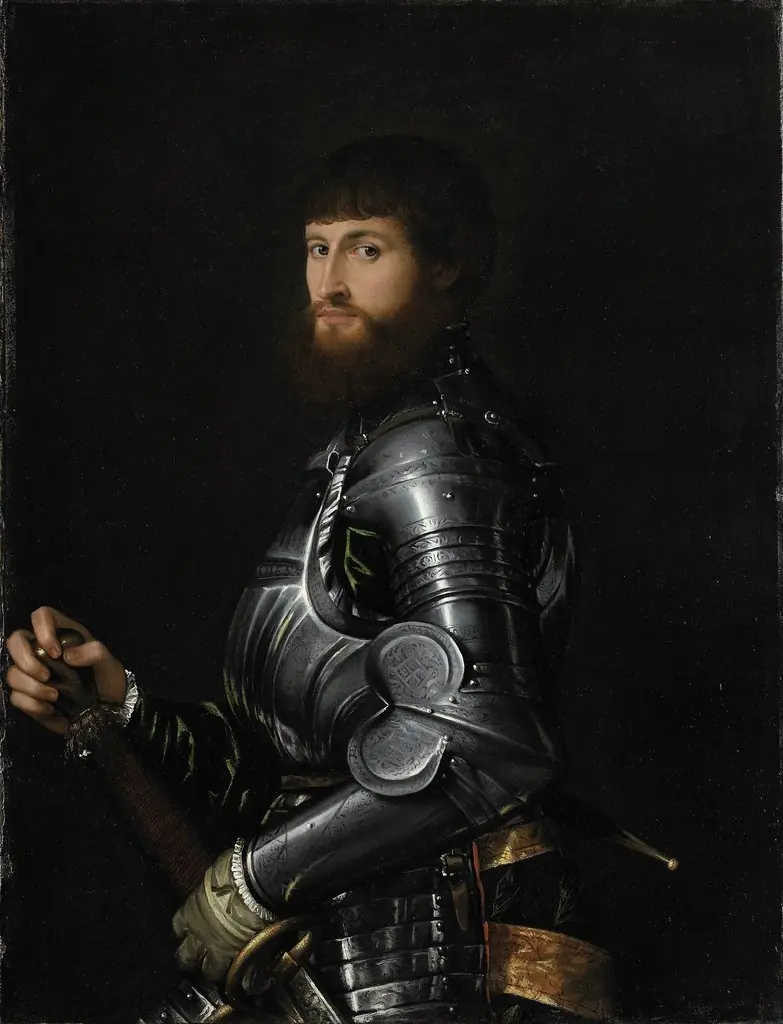 Portrait of a Nobleman in Armor
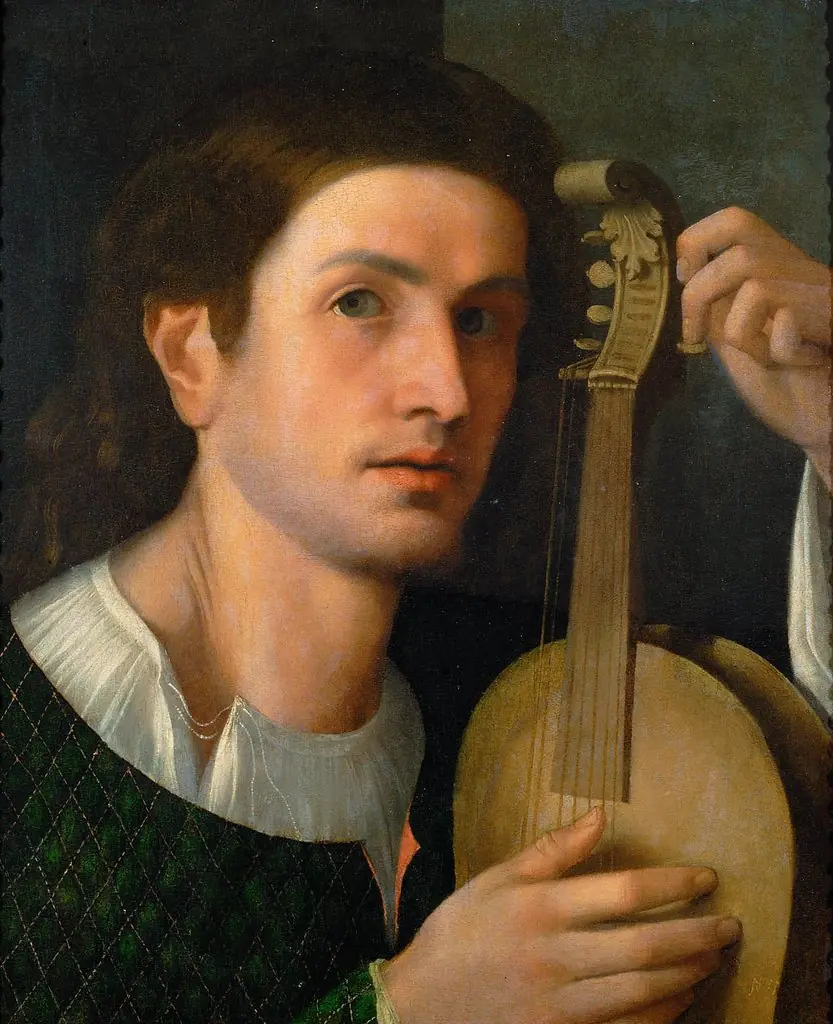 Lira da Braccio-Spieler
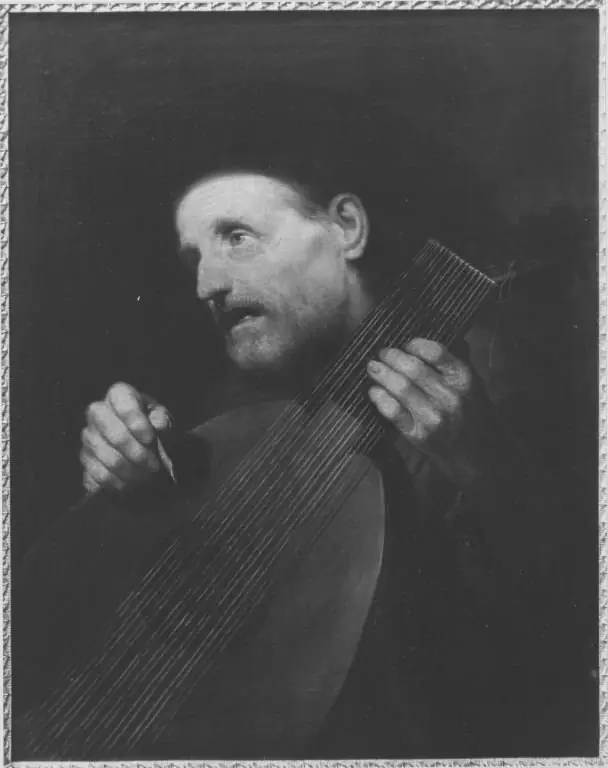 Old man singing and playing the lute
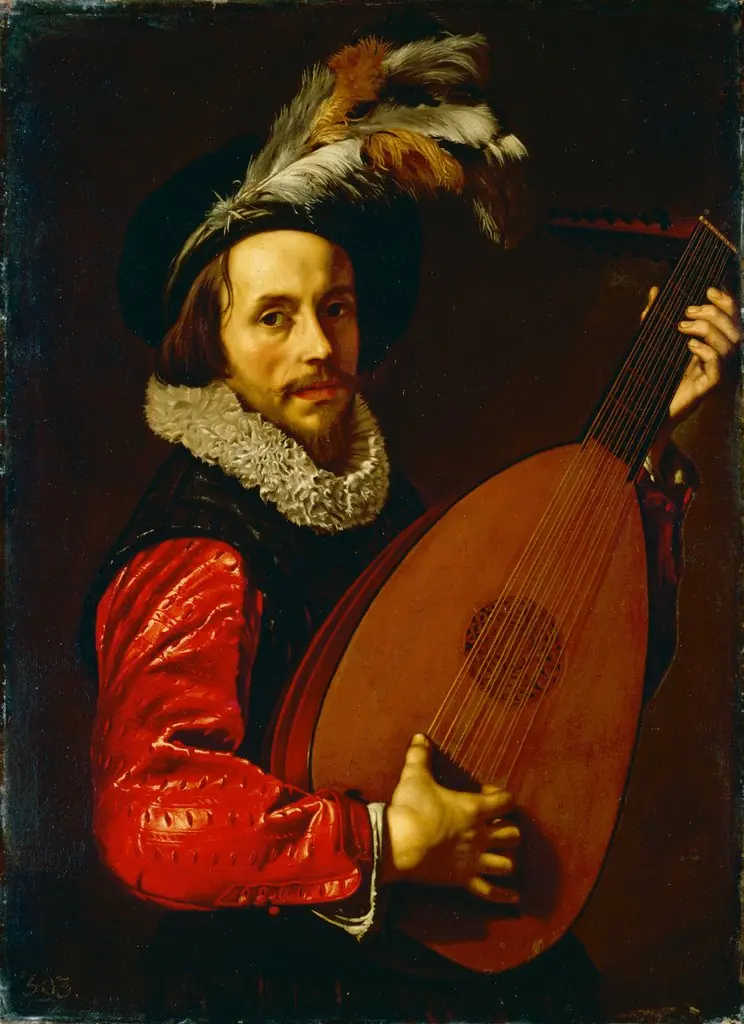 The lute player
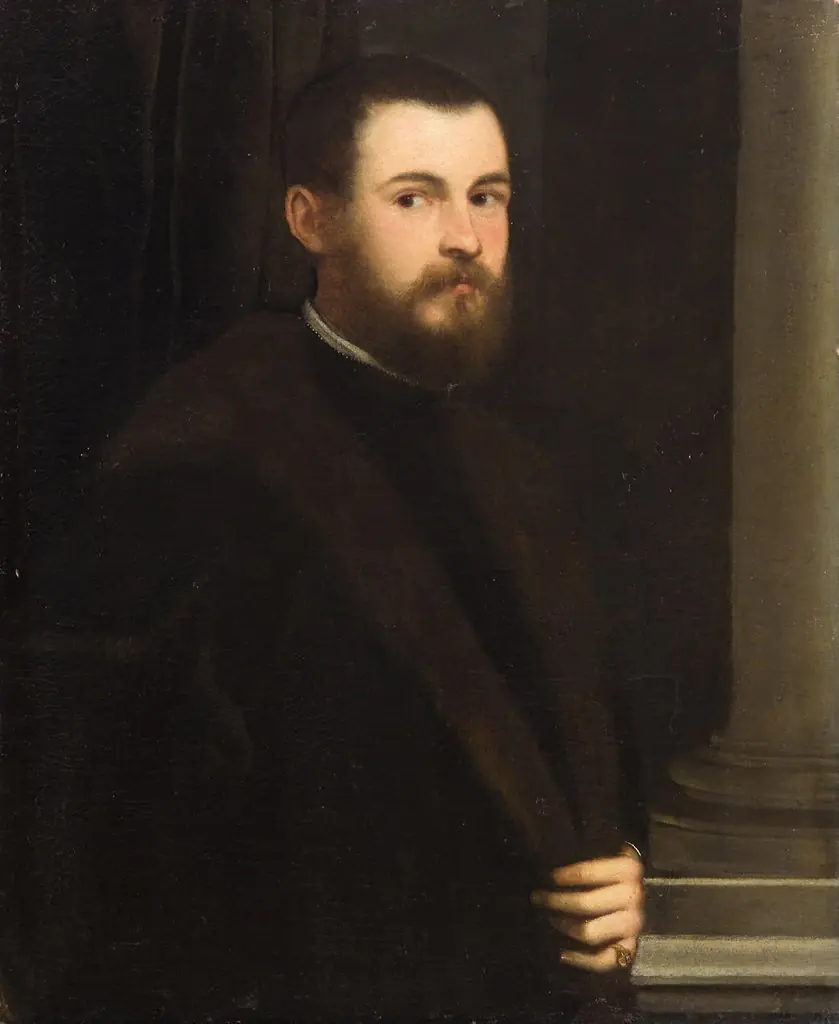 Portrait of a young bearded man
 Portrait of a Man with a Viola da Gamba