Artwork
Portrait of a Man with a Viola da Gamba
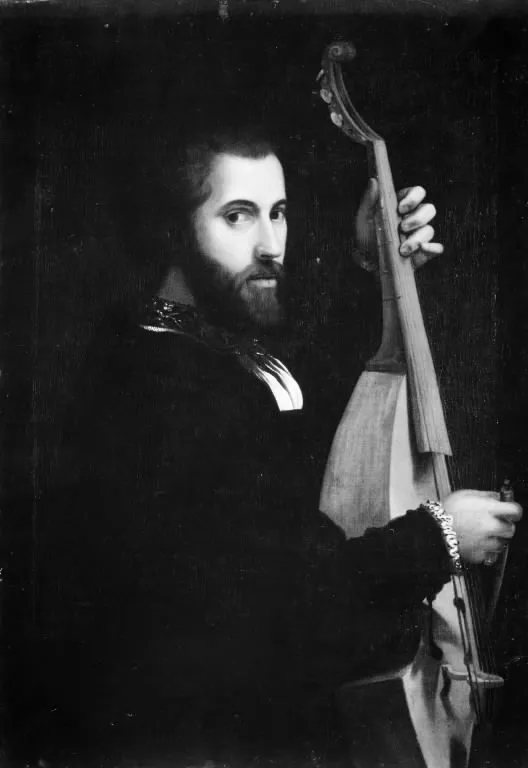
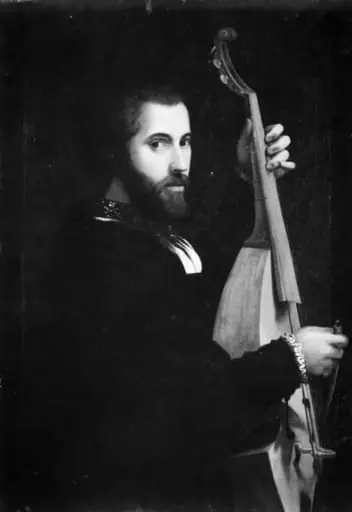
Portrait of a Man with a Viola da Gamba is an oil painting by the Mannerist artist Francesco Beccaruzzi. It dates from 1534 and is held in the collection of the Statens Museum for Kunst.
About this work
Overview
Francesco Beccaruzzi, an Italian painter active in the early sixteenth century around Conegliano and Treviso, executed the oil painting *Portrait of a Man with a Viola da Gamba* in 1534. The work exemplifies the Mannerist tendency toward stylized representation and is presently part of the collection of the Statens Museum for Kunst in Copenhagen.
Subject & Meaning
The canvas presents a bearded gentleman dressed in dark attire, his right hand supporting the neck of a tall, pear‑shaped viola da gamba while the left hand rests on its body. The solitary figure, isolated against a plain backdrop, suggests a focus on personal identity and the status associated with musical proficiency during the period.
Technique & Style
Beccaruzzi employs a stark chiaroscuro effect, using a deep black background to isolate the sitter and his instrument. The contrast between illuminated flesh and the surrounding darkness heightens the three‑dimensionality of the figure, a hallmark of Mannerist experimentation with light and shadow to enhance visual drama.
History & Provenance
Since its creation, the painting has remained in private and institutional hands before entering the Statens Museum for Kunst. The museum’s acquisition records indicate it was incorporated into the national collection in the twentieth century, where it continues to be displayed as part of the European Renaissance holdings.
Artist & collection
Artist
Francesco Beccaruzzi (c. 1492–1562) was an Italian painter of the Renaissance era, active near his hometown of Conegliano and in the neighborhood of Treviso. He was influenced by both Il Pordenone and later Titian. He…

 Man Holding a Flute
 Portrait of a man
 Lautenspieler
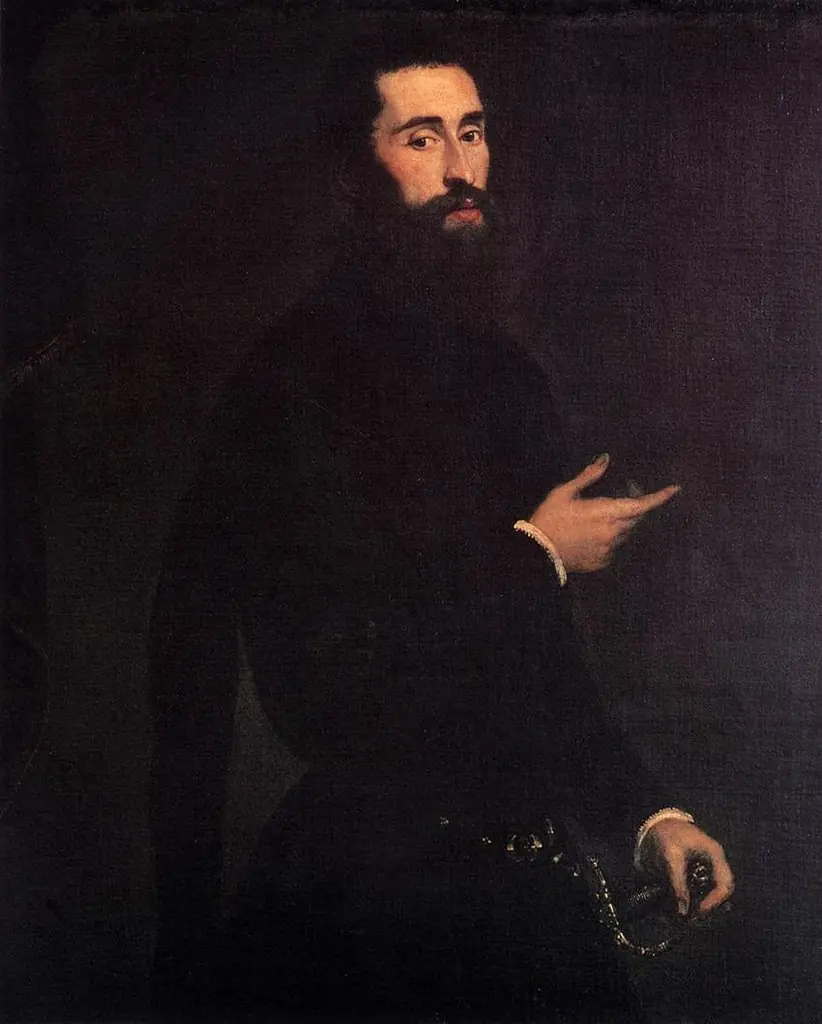 Portrait of a Genoese Nobleman
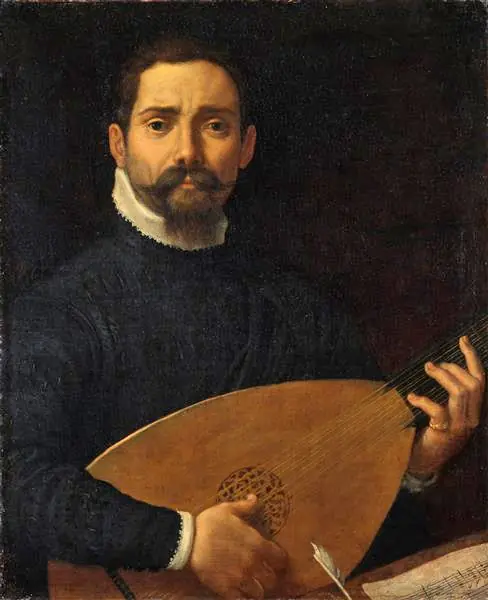 Portrait of the lute player Giulio Mascheroni
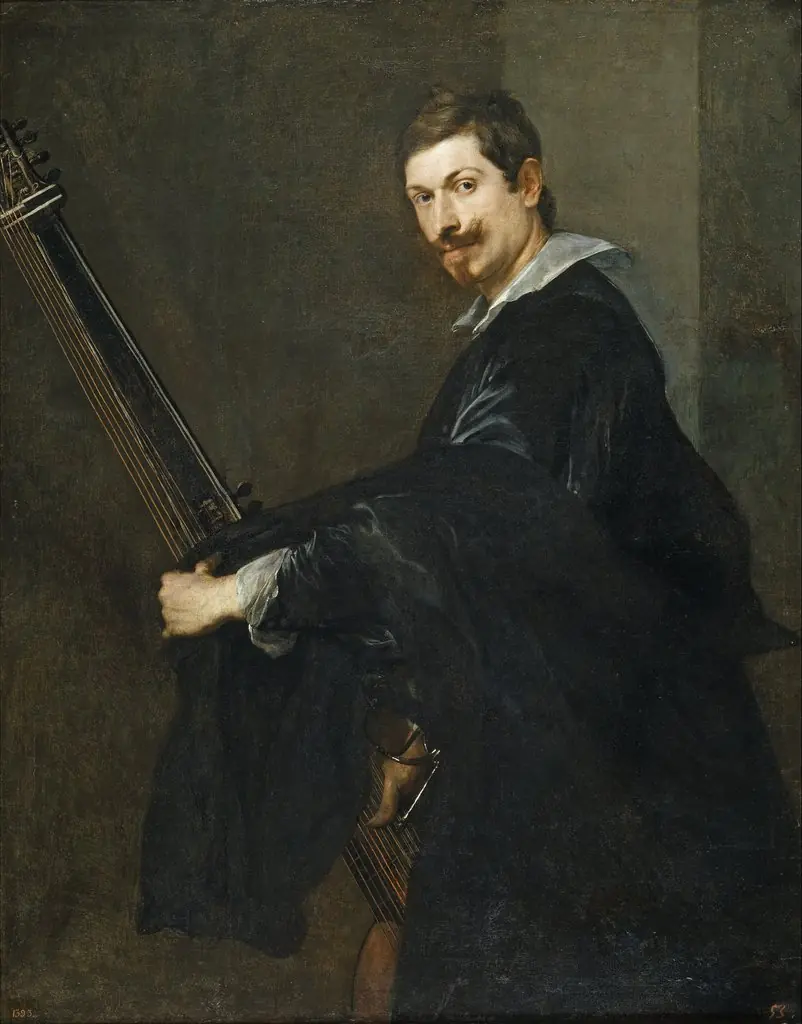 Man with a Lute
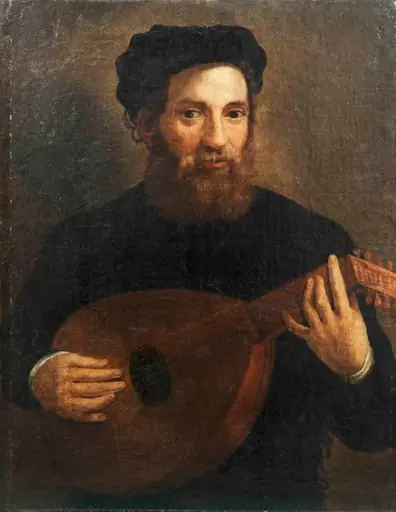 Bărbat cu lăută
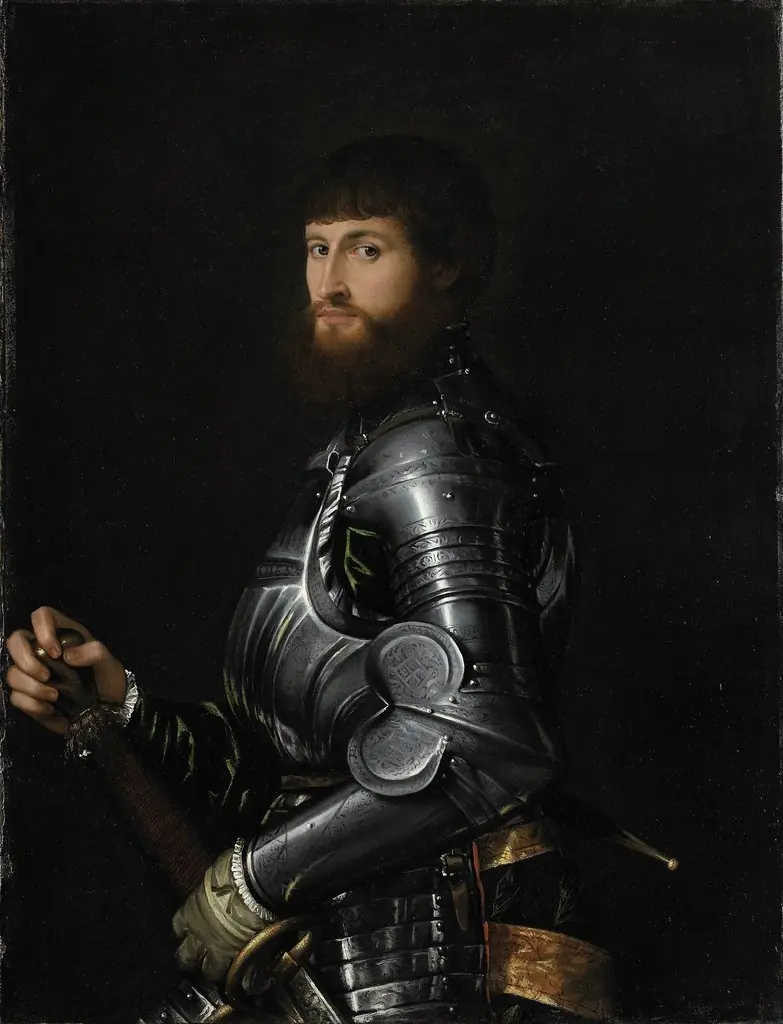 Portrait of a Nobleman in Armor
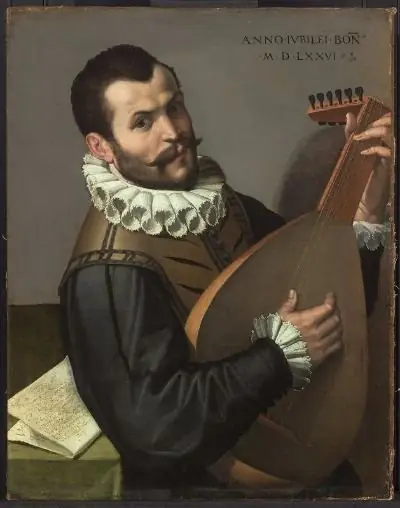 Portrait of a Man Playing a Lute
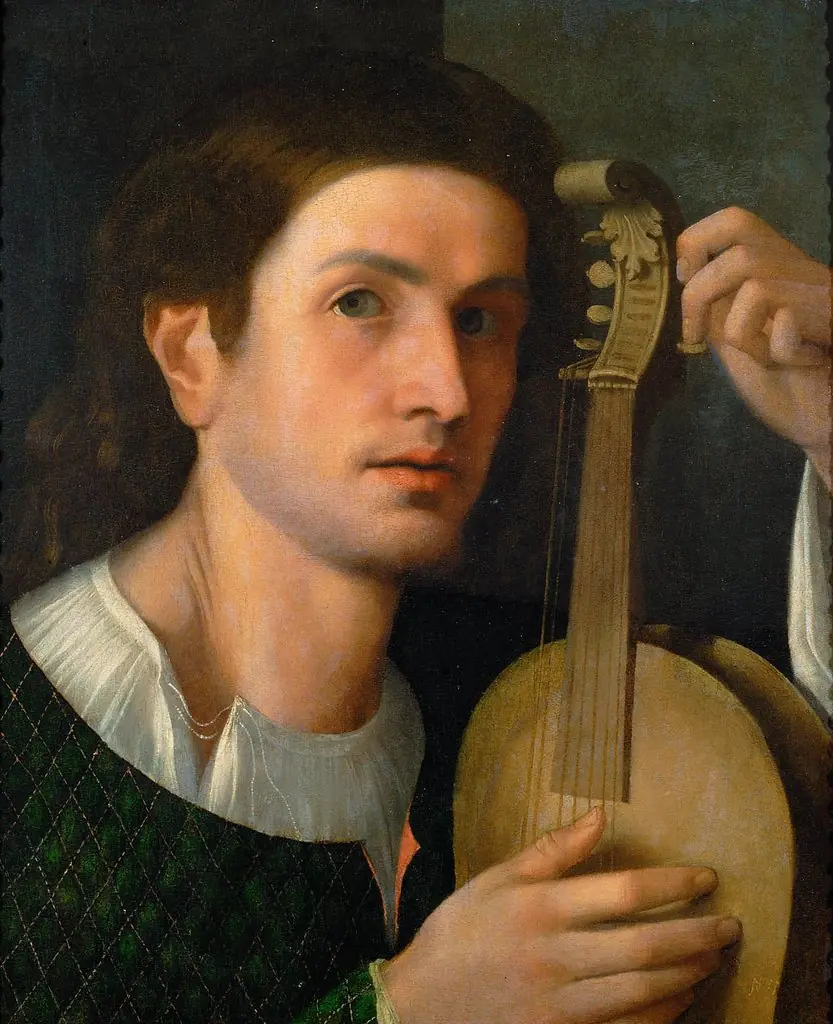 Lira da Braccio-Spieler
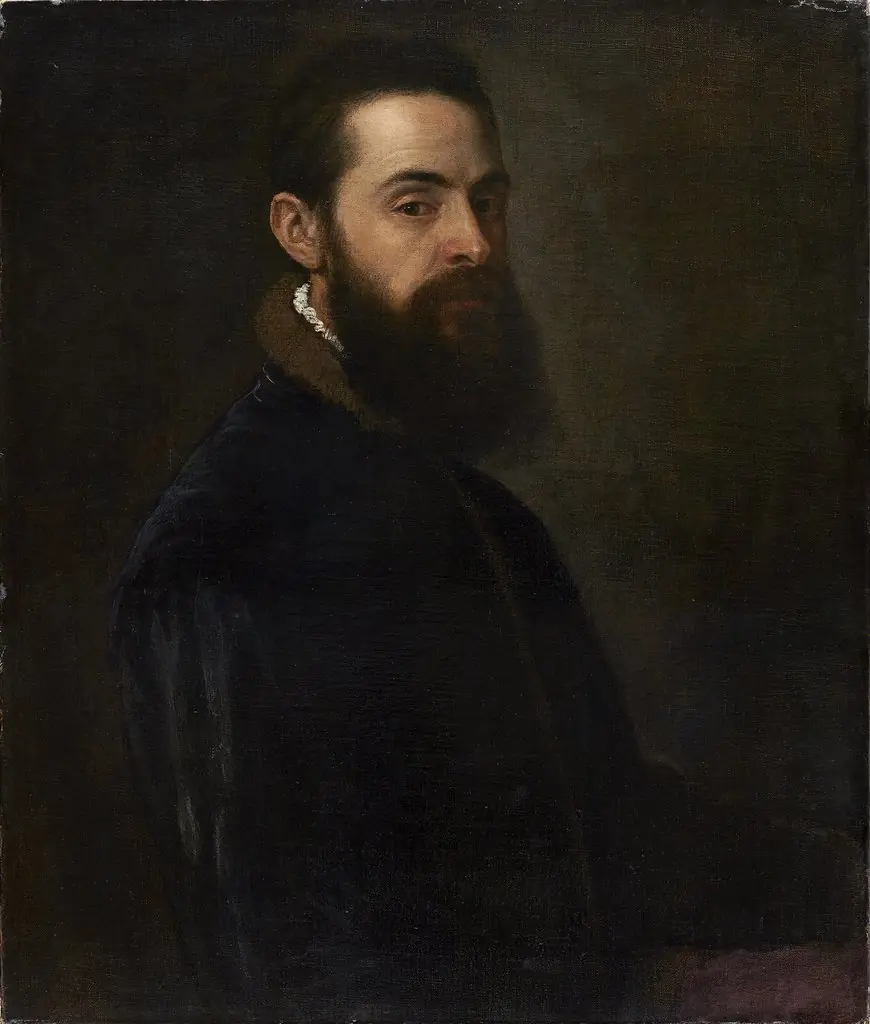 Portrait of Antonio Anselmi
 Portrait of a Man with a Viola da Gamba