Artwork
Man with a Lute
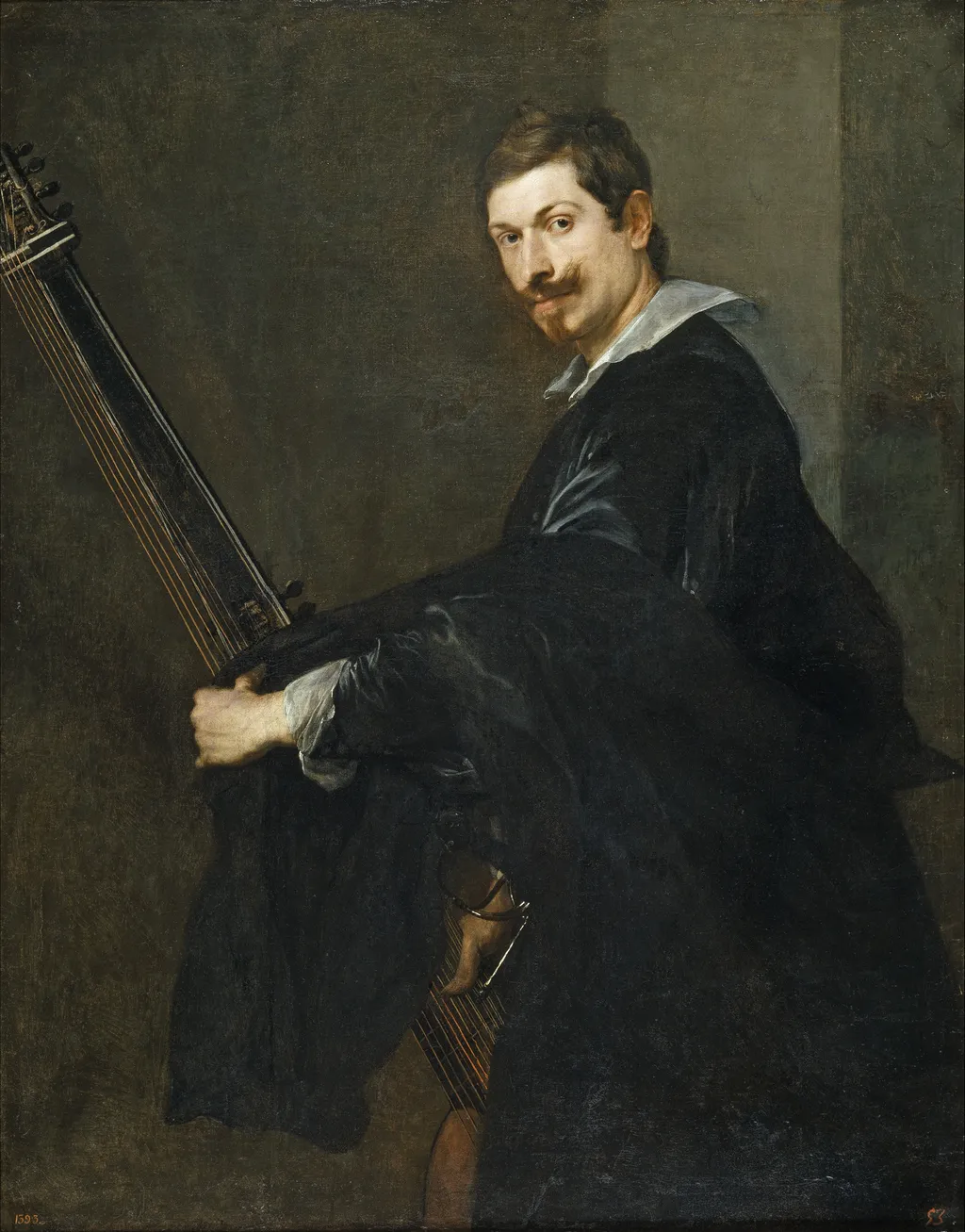
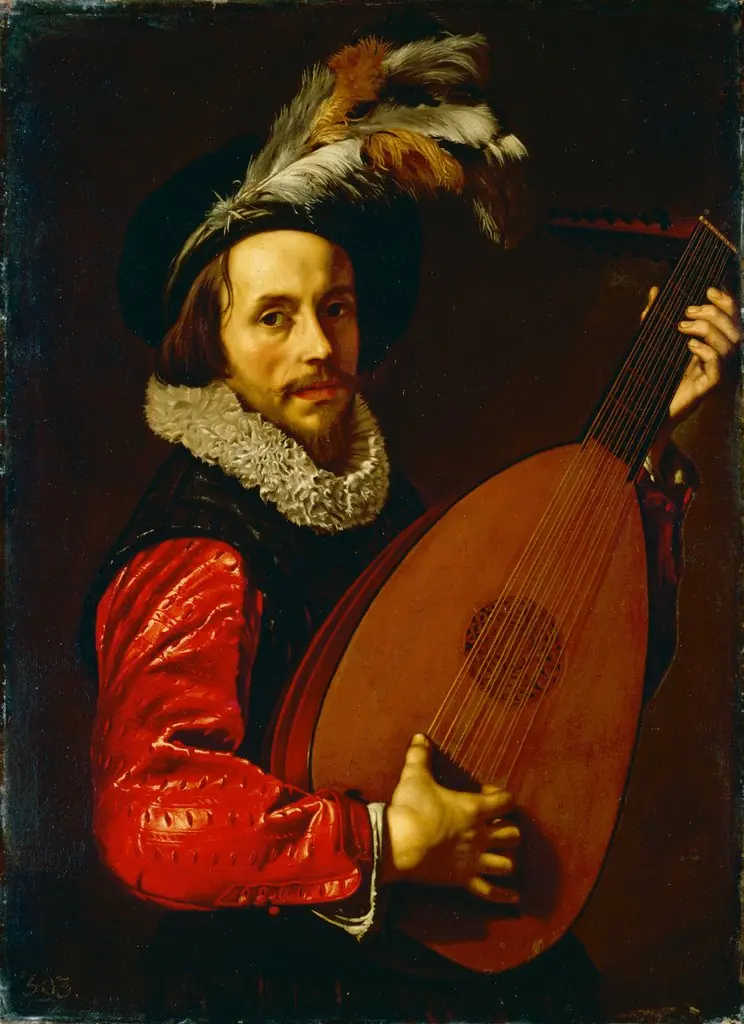
Man with a Lute is an oil painting by the Flemish Baroque painting artist Anthony van Dyck. It dates from 1627 and is held in the collection of the Museo del Prado.
About this work
Overview
Man with a Lute is a 1627 oil painting by Anthony van Dyck, created during his active period in the Spanish Netherlands. The work exemplifies Flemish Baroque portraiture.
Subject & Meaning
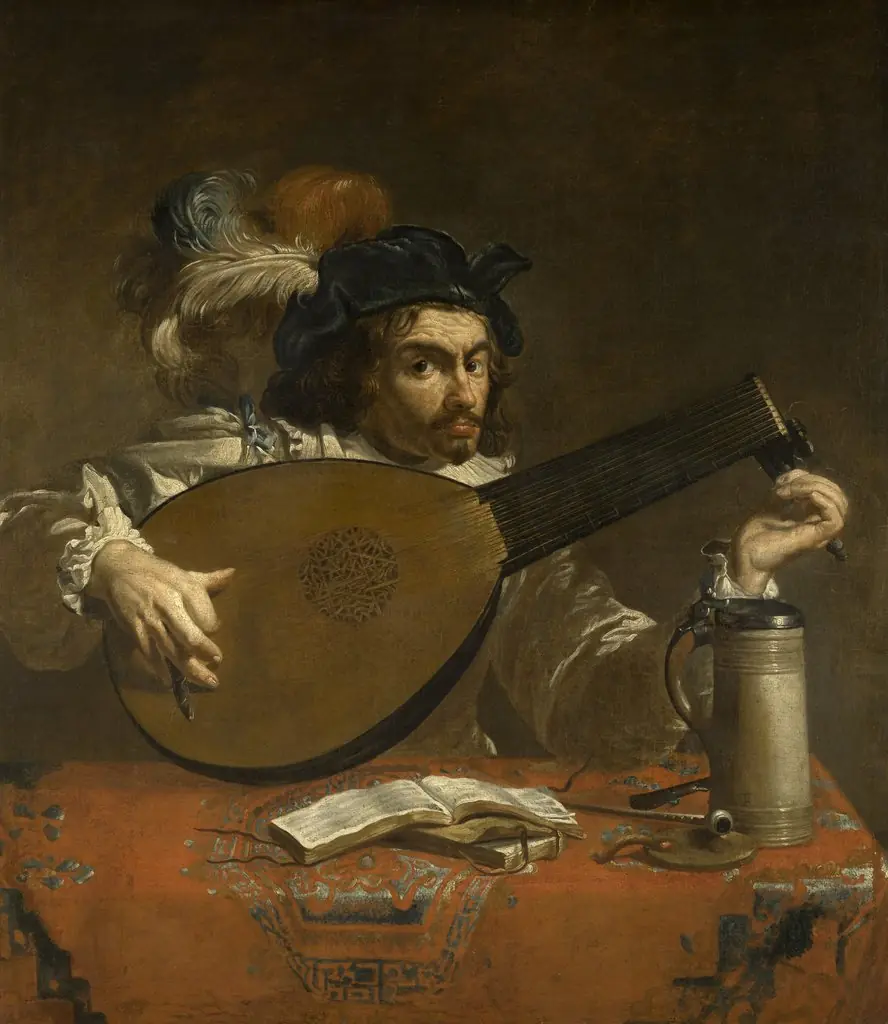
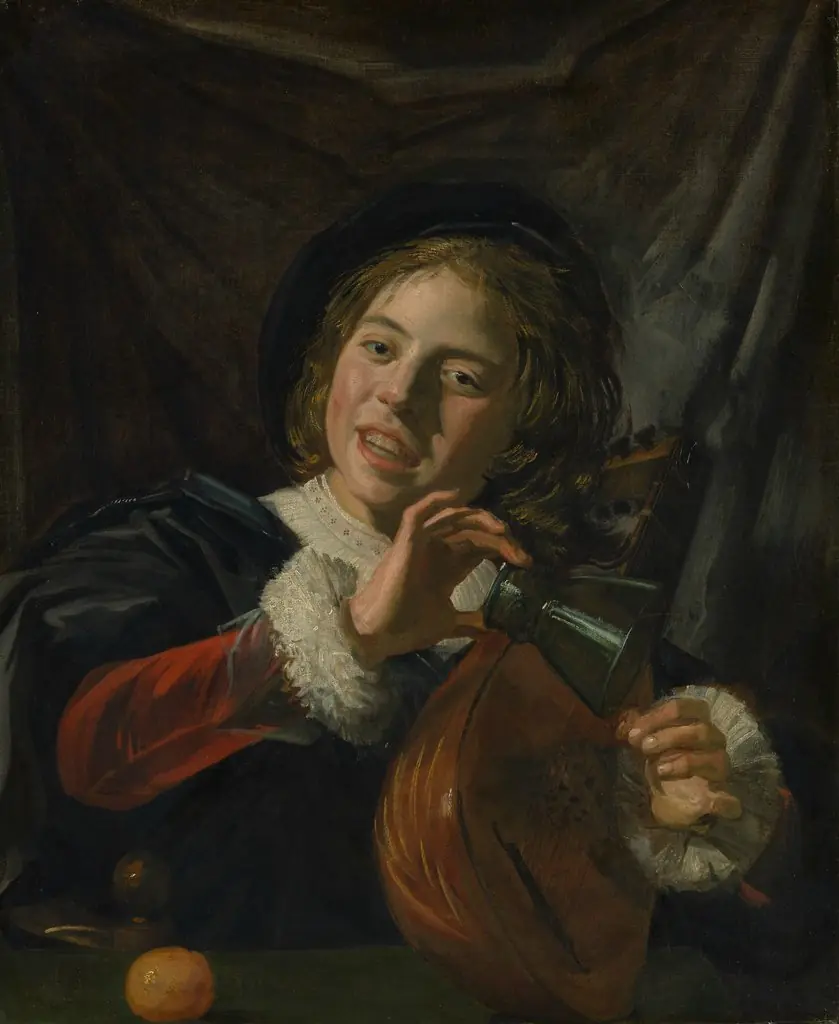
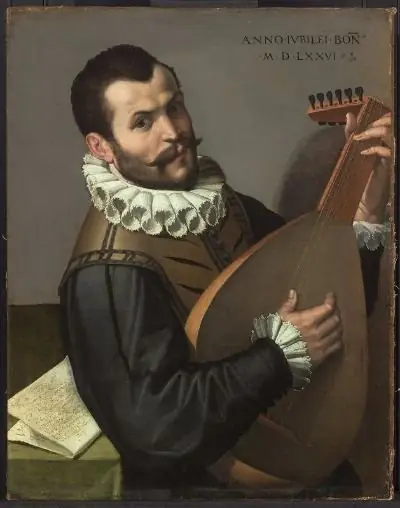
The painting portrays a seated man intently holding a lute, with subtle, engaged facial expression, suggesting a moment of contemplation before playing. The subject’s identity remains unspecified, focusing attention on the emotional and artistic nuances of the scene.
Technique & Style
Van Dyck employs chiaroscuro, juxtaposing a dark background with the illuminated subject, emphasizing his face and hands. The refined, expressive portrayal of the figure aligns with van Dyck’s distinctive portraiture style, characterized by subtlety and depth.
History & Provenance
Painted in 1627, the work precedes van Dyck’s later appointment as a court painter in England. Trained under Peter Paul Rubens, van Dyck had already achieved mastery by 1617, reflecting his early prominence in the Flemish art scene.
Context
Within the Flemish Baroque tradition, Man with a Lute reflects the era’s emphasis on dramatic lighting and emotional depth in portraiture, influenced by van Dyck’s training and the artistic climate of Antwerp.
Legacy
As part of van Dyck’s oeuvre, the painting contributes to the broader legacy of Flemish Baroque portraiture, notable for its expressive and technically adept approach to capturing the human form.
Own this work as a print
Artist & collection
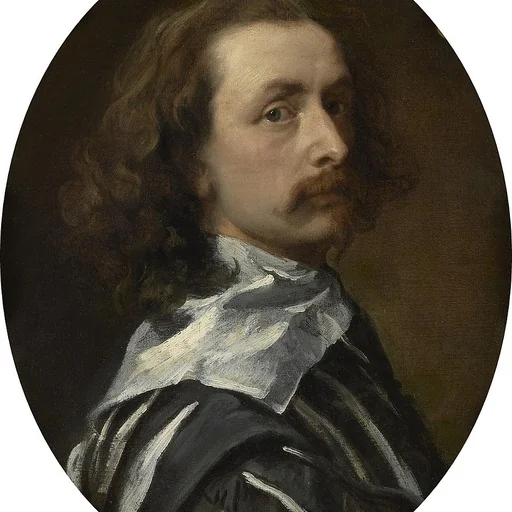
Artist
Sir Anthony van Dyck (; Dutch: Antoon van Dijck ; 22 March 1599 – 9 December 1641) was a Flemish Baroque artist, who became the leading court painter in England after success in the Spanish Netherlands and Italy.