Artwork
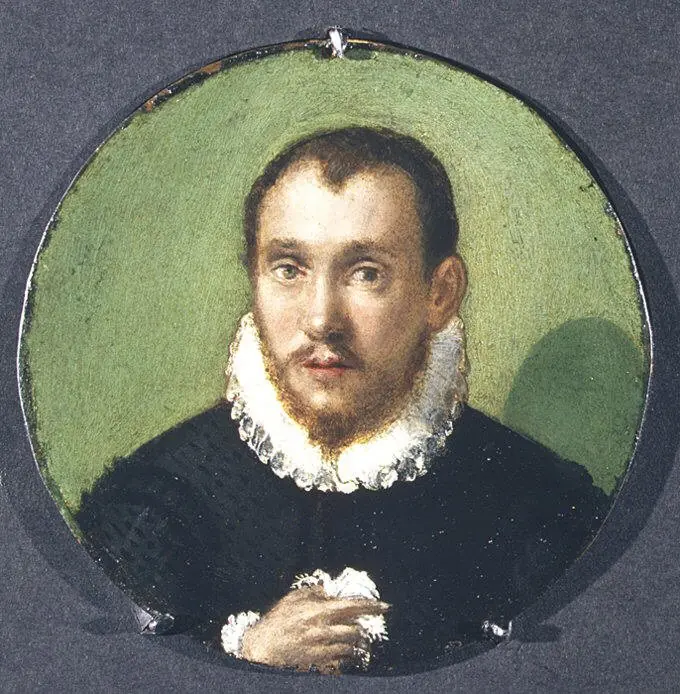
Portrait of a Man
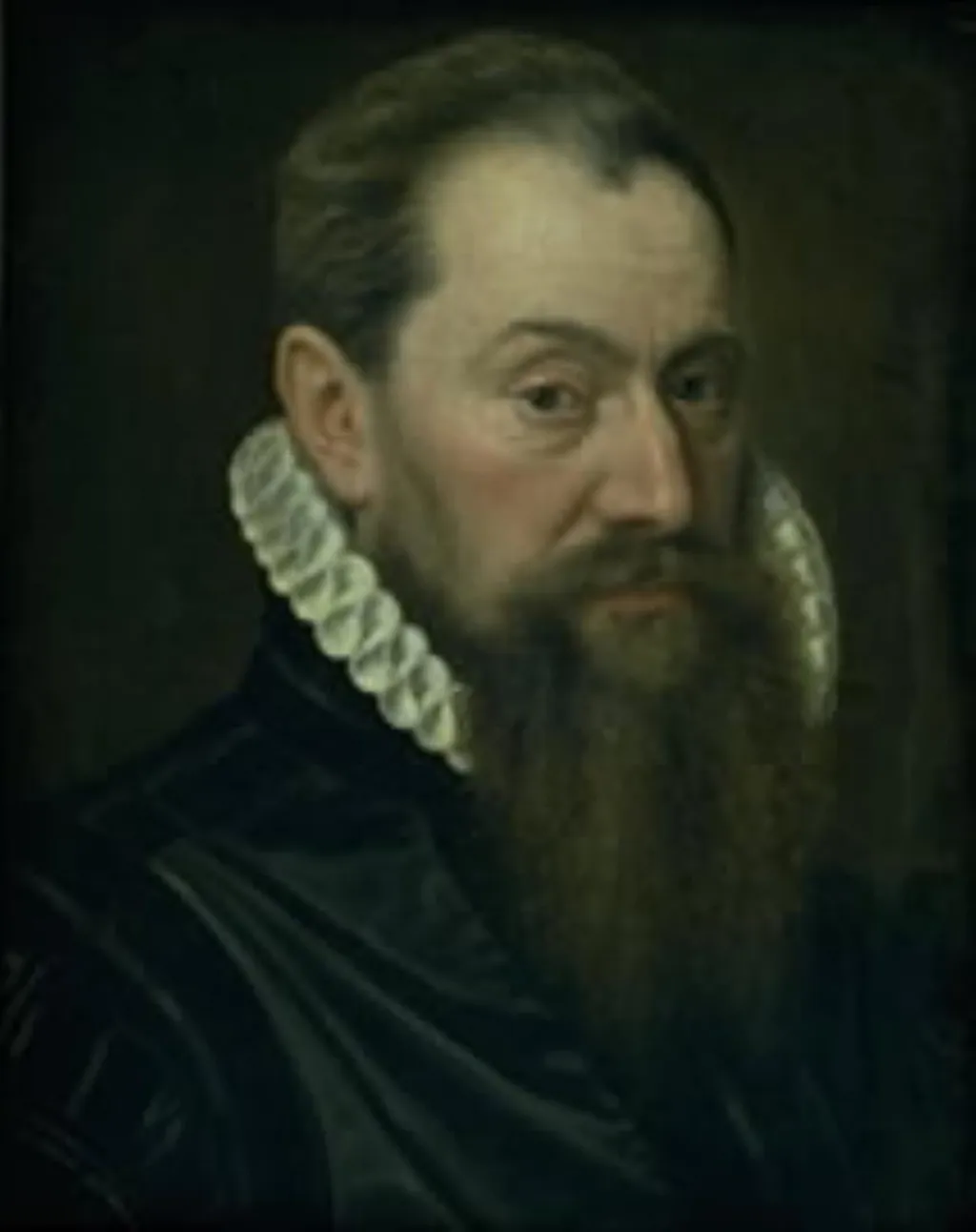
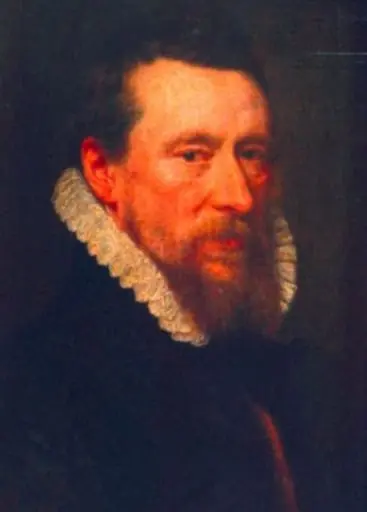
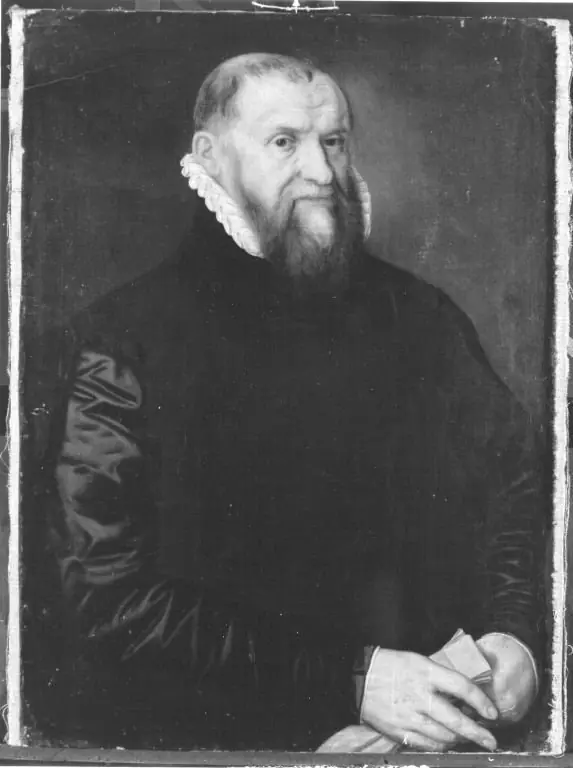
Portrait of a Man is an unspecified painting by the Mannerist artist Unknown. It dates from 1573 and is held in the collection of the Statens Museum for Kunst. Created in 1573 by the artist known as 22327_person, this work presents a solitary male figure rendered in a realistic manner.
About this work
Overview
Created in 1573 by the artist known as 22327_person, this work presents a solitary male figure rendered in a realistic manner. The painting resides in the Museum of Ethnography, where it is displayed as an example of late‑Renaissance portraiture that emphasizes personal presence through restrained composition and subdued lighting.
Subject & Meaning
A long, dark beard and neatly arranged hair frame his face, and a high‑collared dark shirt with a white ruffled collar suggests a degree of formality.
The sitter is shown from the chest upward, his torso turned slightly to the right while his gaze meets the viewer directly. A long, dark beard and neatly arranged hair frame his face, and a high‑collared dark shirt with a white ruffled collar suggests a degree of formality. The quiet, introspective demeanor conveyed by his posture and expression hints at a portrait intended to communicate dignity and contemplation.
Technique & Style
Executed with meticulous attention to detail, the artist employs a realistic style characteristic of the late Renaissance, using chiaroscuro to model the figure against a dark, shadowy backdrop. The contrast between the illuminated facial features and the surrounding gloom accentuates texture in the beard, hair, and fabric, while the subtle gradations of tone create a sense of three‑dimensionality.
History & Provenance
The painting was completed in 1573 and later entered the collection of the Museum of Ethnography, where it remains on public view. Documentation traces its ownership from the artist’s workshop through several private hands before its acquisition by the museum, confirming its attribution to 22327_person and its preservation in a controlled environment.
Context
Produced during a period when portraiture served both personal commemoration and social signaling, the work reflects contemporary conventions of attire and presentation. The high‑collared shirt with ruffled collar aligns with fashion trends of the late sixteenth century, while the restrained background underscores the shift toward focusing on the individual’s character rather than elaborate settings.
Artist & collection

 Domestic Scene
 Giacomo and Cardinal Marco, investing Andrea, Abbot of San Zeno, with his Benefice
 The Nymph of Fontainebleau
 Portrait of a Woman
 Madonna and Child with Saints in the Enclosed Garden
 Venus and Minerva
 Family Group of Four on Sofa
 Wall painting from Room H of the Villa of P. Fannius Synistor at Boscoreale
 Portrait of a Man
 Bildnis eines bärtigen Mannes
 Portrait of a man
 Portret de bărbat
 Untitled
 Untitled
 Portrait of Anthony de Wale (1573-1639)
 Portrait of a Man
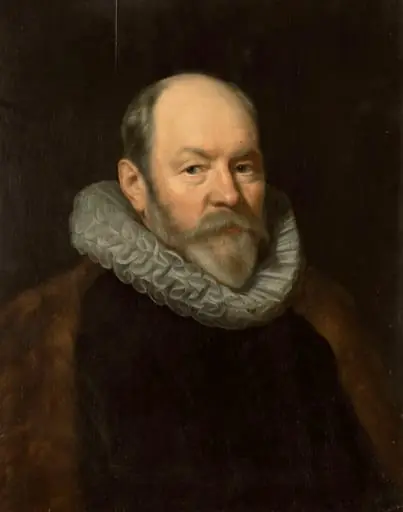 Portrait of Paulus Cornelisz van Beresteyn, Burgomaster of Delft
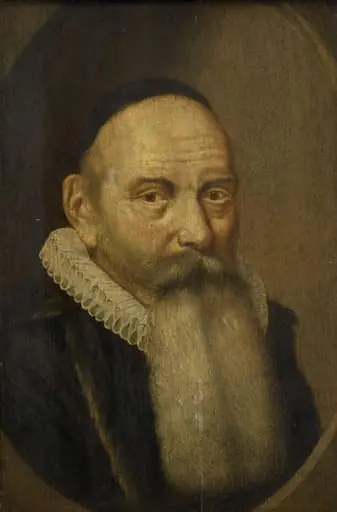 Untitled
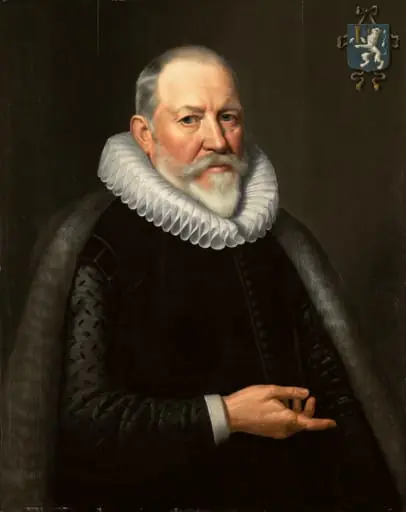 Portrait of Maerten Ruychaver, Burgomaster of Haarlem
 Bildnis eines Mannes (Art des)