Artwork
Apollo charging the Parcae to visit Ceres, who has fled from the Earth
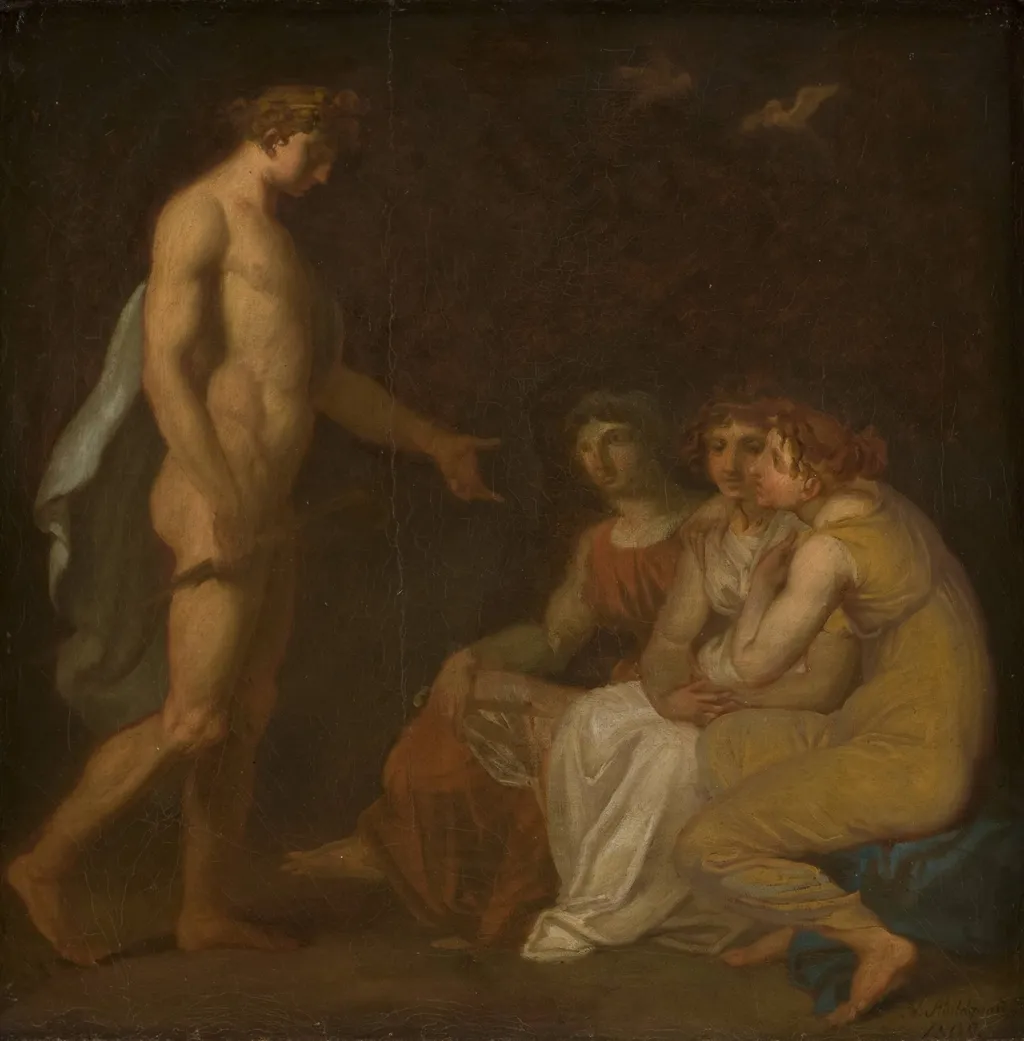
Apollo charging the Parcae to visit Ceres, who has fled from the Earth is a photography by the Romanticist artist Unknown. It dates from 1809 and is held in the collection of the Statens Museum for Kunst.
About this work
Overview
Painted in 1809, this mythological scene depicts Apollo instructing the Parcae—goddesses of fate—to seek out Ceres, who has withdrawn from the world.
Painted in 1809, this mythological scene depicts Apollo instructing the Parcae—goddesses of fate—to seek out Ceres, who has withdrawn from the world. The composition centers on a dynamic interaction between three figures: Apollo, standing assertively on the left, and the two Parcae seated together on the right, cradling a child. The dark, undefined background heightens the focus on the figures, emphasizing their emotional and narrative weight.
Subject & Meaning
The painting illustrates a moment from Roman myth in which Ceres, goddess of agriculture, has abandoned the earth in grief, causing famine. Apollo, as a divine messenger, commands the Parcae—often associated with destiny and the threads of life—to locate her and restore balance. The child between the Parcae may symbolize the vulnerability of mortal life, dependent on the earth’s fertility and the gods’ intervention.
Technique & Style
The artist employs strong chiaroscuro to sculpt the figures against a deep, shadowed backdrop, lending dramatic intensity to the scene. Apollo’s half-naked form is illuminated with sharp contrast, while the Parcae’s flowing robes in warm tones—yellow and white—draw the eye through their gestures and expressions. Their tense postures and downcast gazes convey urgency and unease, reinforcing the narrative’s gravity.
History & Provenance
Created in 1809, the painting entered the collection of the Museum of Ethnography, where it remains today. Its presence in an institution focused on cultural artifacts rather than fine art suggests an early interest in mythological imagery as a reflection of human belief systems. The artist’s identity, though recorded as 241_person, remains obscure in broader art historical records.
Context
Painted during the early 19th century, the work reflects lingering Neoclassical interests in classical mythology, even as Romanticism emphasized emotion and the sublime. The choice of a myth involving divine withdrawal and ecological imbalance may have resonated with contemporary anxieties about nature, order, and authority, though no direct political link is documented.
Legacy
Though not widely exhibited or reproduced, the painting contributes to a lesser-known body of mythological works from the period that prioritized psychological tension over idealized beauty. Its preservation in an ethnographic context underscores a broader 19th-century tendency to treat myth as cultural expression rather than purely aesthetic subject matter.
Artist & collection

 Domestic Scene
 Giacomo and Cardinal Marco, investing Andrea, Abbot of San Zeno, with his Benefice
 The Nymph of Fontainebleau
 Portrait of a Woman
 Madonna and Child with Saints in the Enclosed Garden
 Venus and Minerva
 Family Group of Four on Sofa
 Wall painting from Room H of the Villa of P. Fannius Synistor at Boscoreale
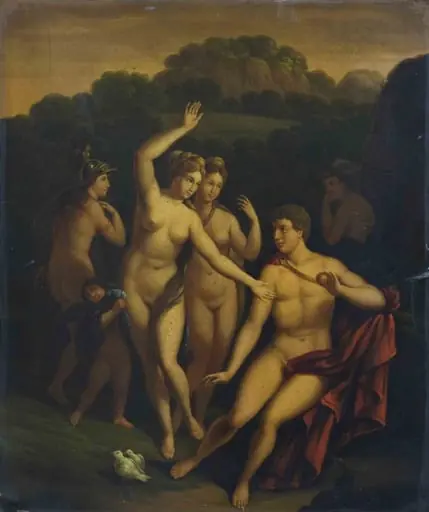 Judecata lui Paris
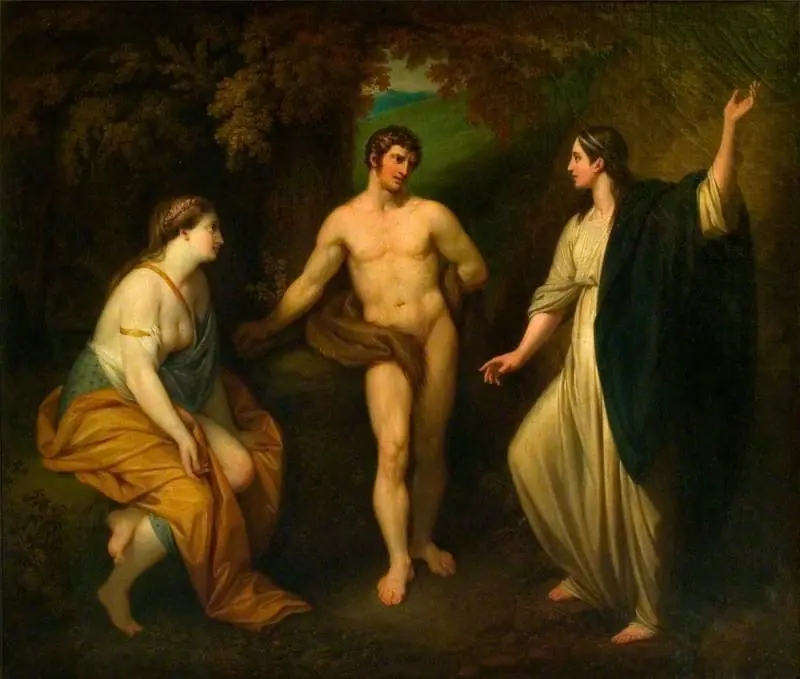 The Choice of Hercules between Virtue and Pleasure
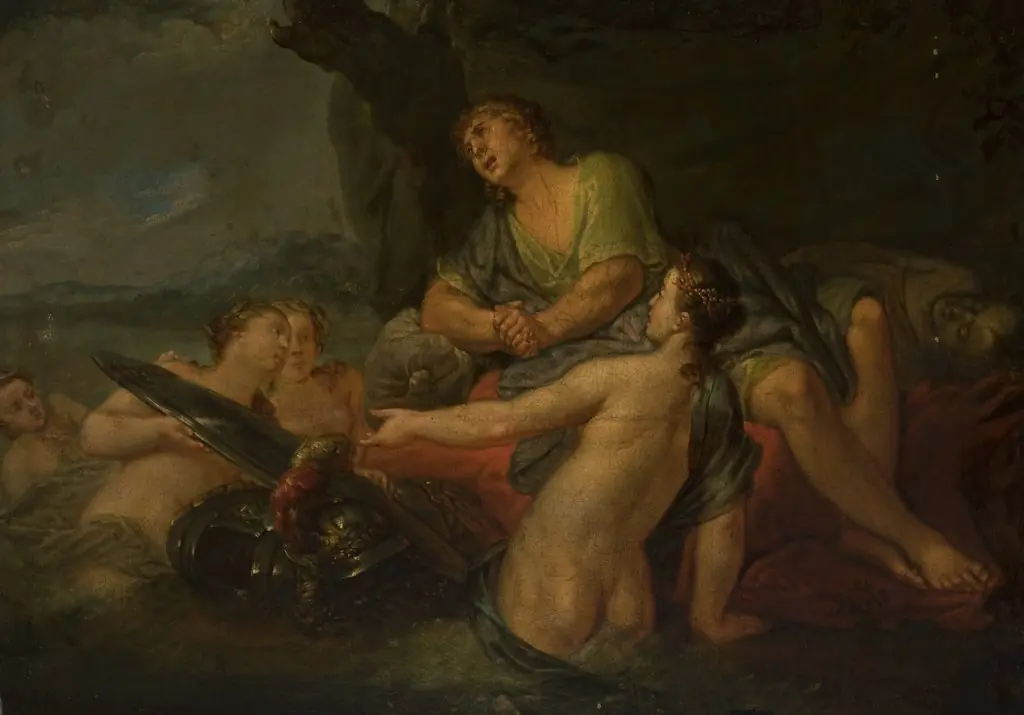 Mythological Scene
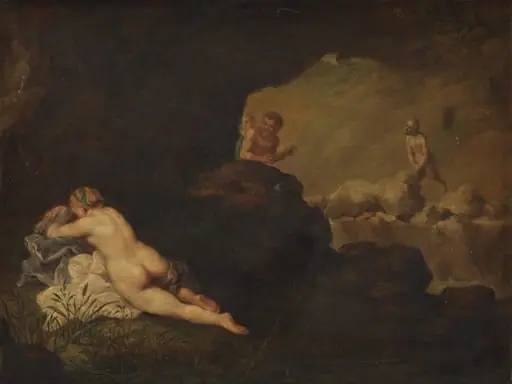 Sleeping Nymph
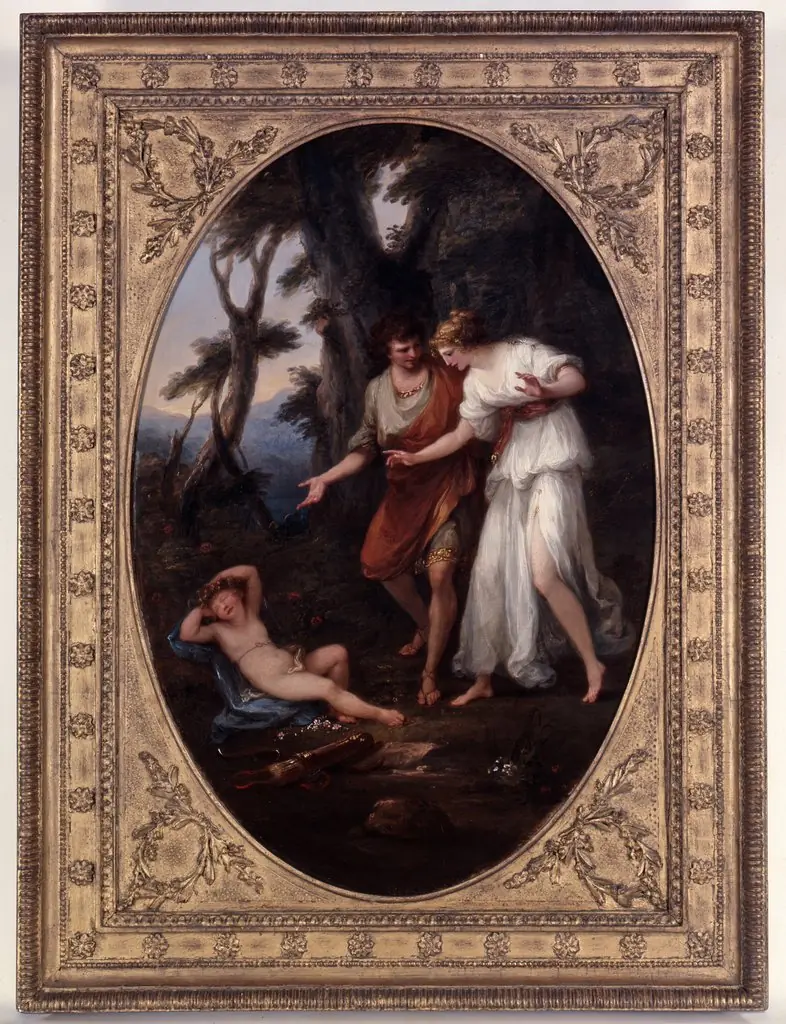 Cephise and her Lover discover the sleeping Cupid in the Woods of Idalia
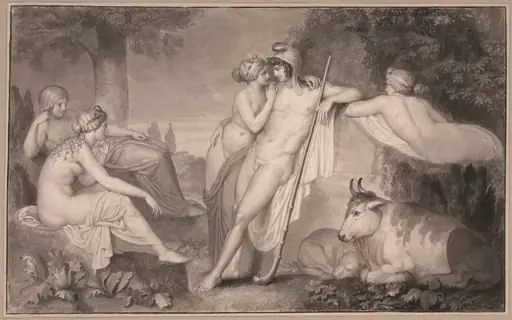 Paris and Oenone
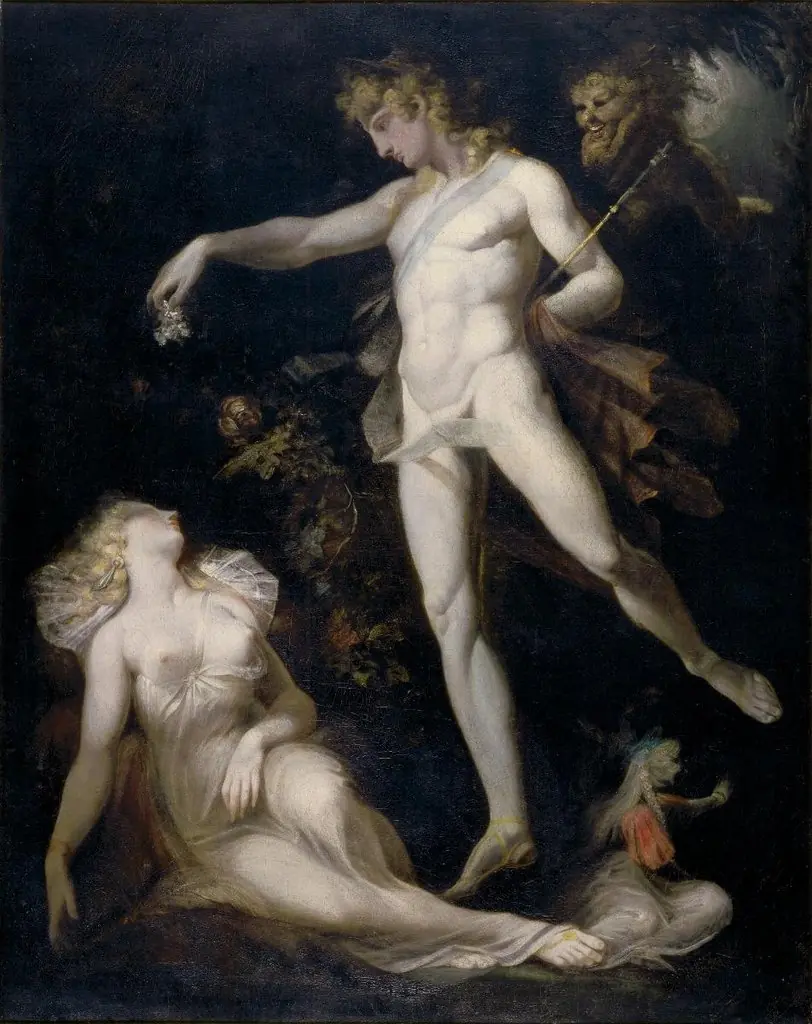 Oberon träufelt Blumensaft auf die Augen der schlafenden Titania
 Hercules at the Crossroads
 The Autumn - Baccus and Ariadne
 Bacchus și Ariadna