Artwork
Anna Cathrine Hauch, født von der Maase
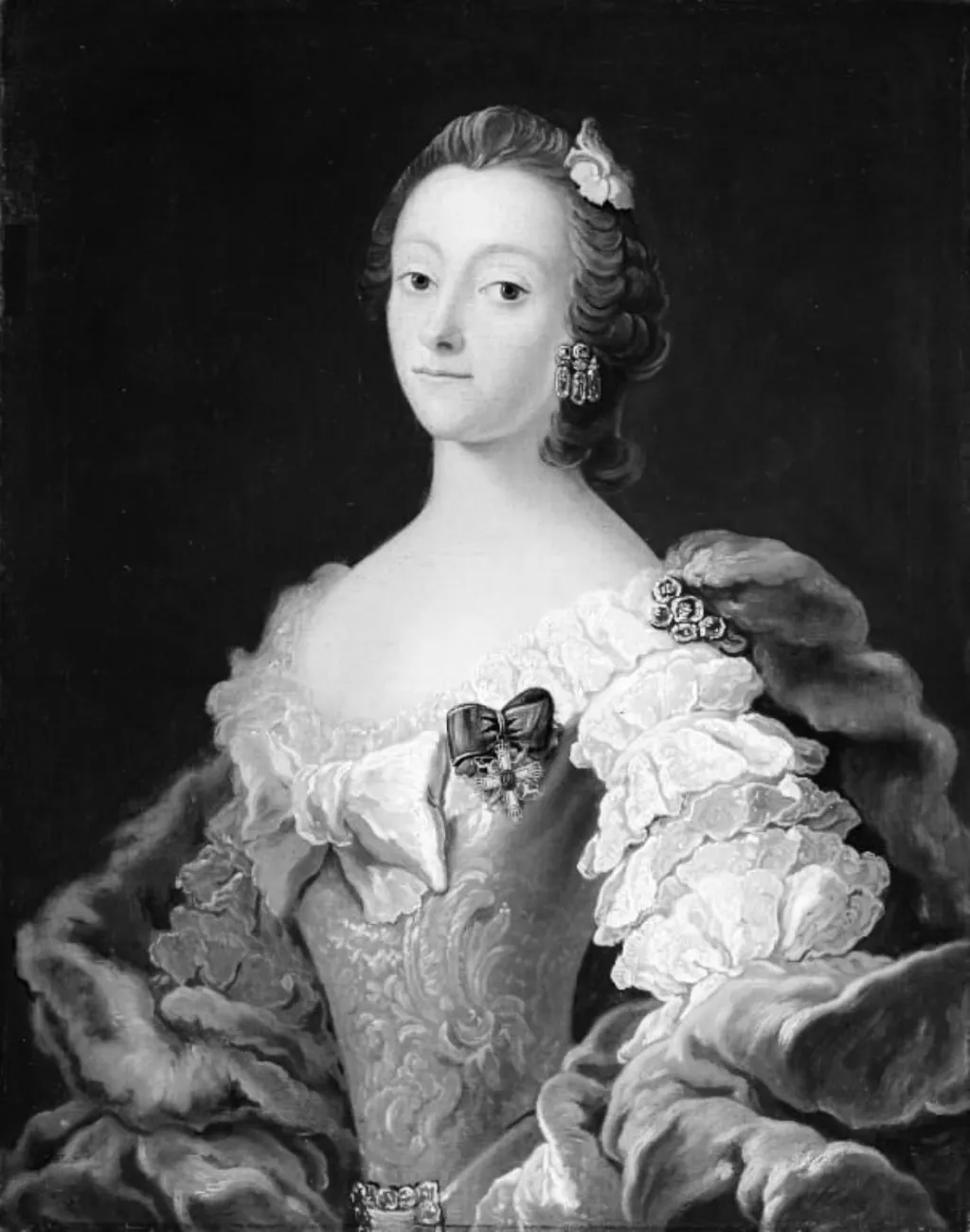
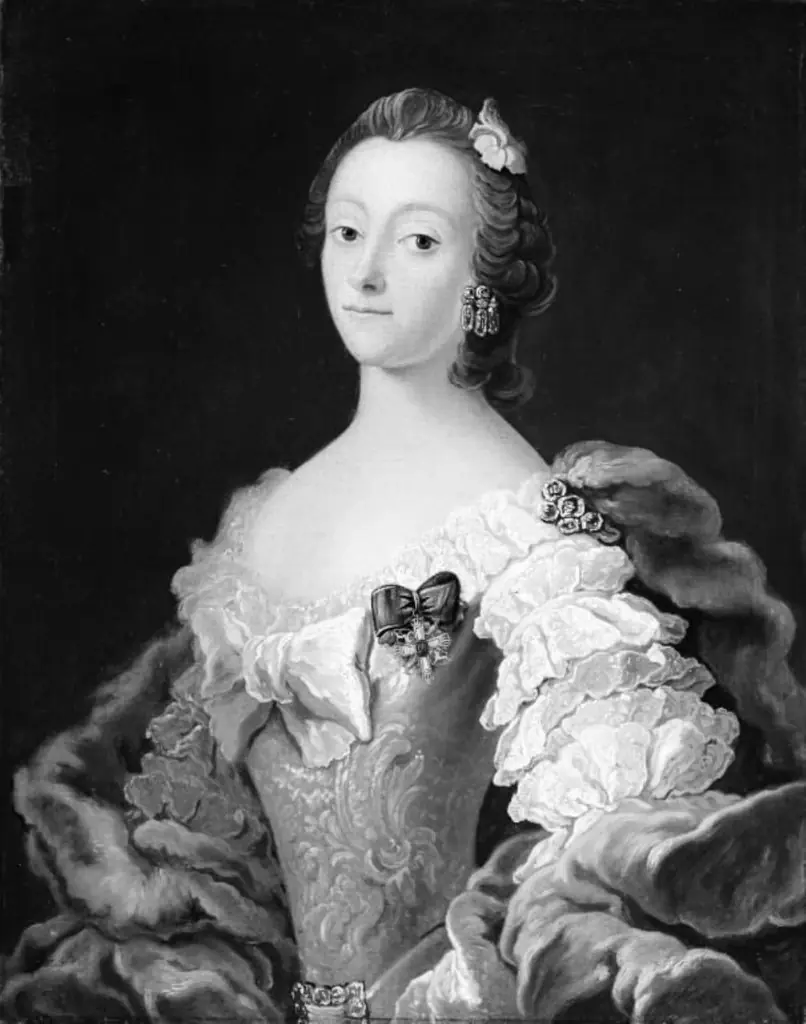
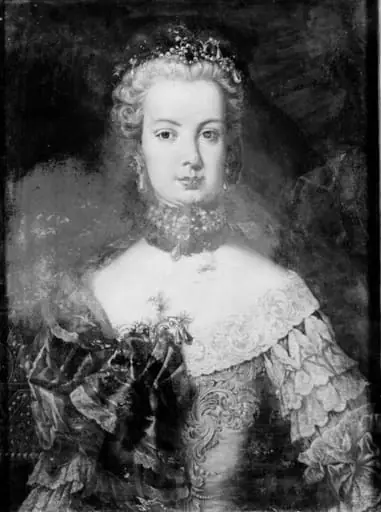
Anna Cathrine Hauch, født von der Maase is a photography by Unknown. It dates from 1773 and is held in the collection of the Statens Museum for Kunst. This portrait, dated around 1773, depicts Anna Cathrine Hauch, née von der Maase, a Danish noblewoman.
About this work
Overview
The composition centers on the sitter’s formal attire and poised demeanor, rendered with careful attention to textile detail and subtle lighting.
This portrait, dated around 1773, depicts Anna Cathrine Hauch, née von der Maase, a Danish noblewoman. Executed in oil on canvas, the work is part of the collection at the Museum of Ethnography. The composition centers on the sitter’s formal attire and poised demeanor, rendered with careful attention to textile detail and subtle lighting. The dark background isolates her figure, emphasizing the richness of her clothing and accessories.
Subject & Meaning
Anna Cathrine Hauch is portrayed in the attire of Danish aristocracy, reflecting her social standing. The flower in her hair and the large earring suggest personal adornment, possibly symbolic of status or familial identity. Her neutral expression and averted gaze convey composure rather than emotional display, aligning with 18th-century ideals of dignified femininity. The portrait functions as a record of personal identity within a rigid social hierarchy.
Technique & Style
The artist employs fine brushwork to render the textures of silk, lace, and embroidery with precision. The shawl’s folds and the ruffles of the dress are modeled with soft transitions, while the dark background enhances the luminosity of the fabric. Lighting is subtle and directional, highlighting contours without dramatic contrast. The style is restrained, favoring realism over theatricality, typical of late 18th-century portraiture in Northern Europe.
History & Provenance
The painting was likely commissioned by Hauch’s family shortly before or after her marriage. It remained in private Danish collections until transferred to the Museum of Ethnography, where it is now preserved. Its inclusion in an ethnographic institution suggests later scholarly interest in its cultural and costume significance, rather than its artistic merit alone.
Context
Created during a period when Danish nobility increasingly adopted French-inspired fashions, the portrait reflects transnational trends in elite dress. The elaborate bow, ruffles, and shawl align with styles seen in court portraiture across Scandinavia and Western Europe. Such images served not only as personal mementos but also as visual assertions of lineage and social conformity within a rapidly changing aristocratic culture.
Legacy
The portrait endures as a documented example of late 18th-century Danish elite portraiture. While the artist’s identity remains unconfirmed, the work contributes to studies of gender, fashion, and class representation in Nordic art. Its preservation in an ethnographic context underscores its value as a material artifact of historical social practice, beyond its aesthetic qualities.
Artist & collection

 Domestic Scene
 Giacomo and Cardinal Marco, investing Andrea, Abbot of San Zeno, with his Benefice
 The Nymph of Fontainebleau
 Portrait of a Woman
 Madonna and Child with Saints in the Enclosed Garden
 Venus and Minerva
 Family Group of Four on Sofa
 Wall painting from Room H of the Villa of P. Fannius Synistor at Boscoreale
 Prinzessin Hedwig Elisabeth Amalie
 Dronning Sophie Magdalene
 Bildnis einer jungen Prinzessin
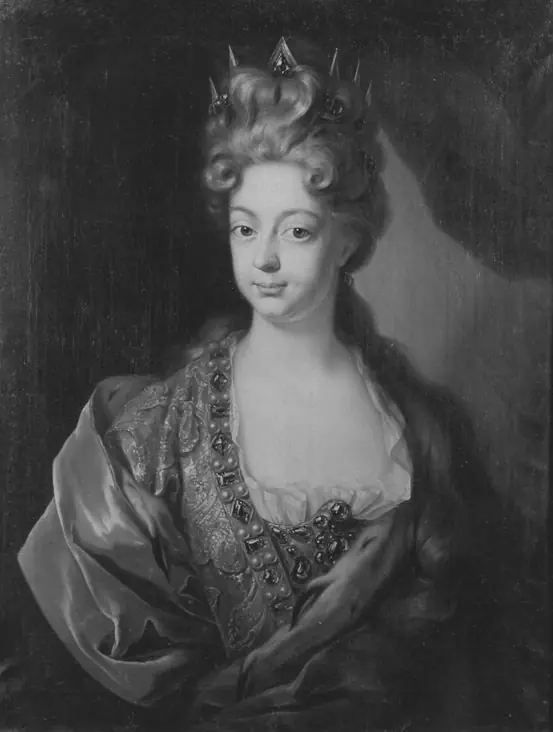 Portrait of Wilhelmine Amalie of Braunschweig-Lüneburg
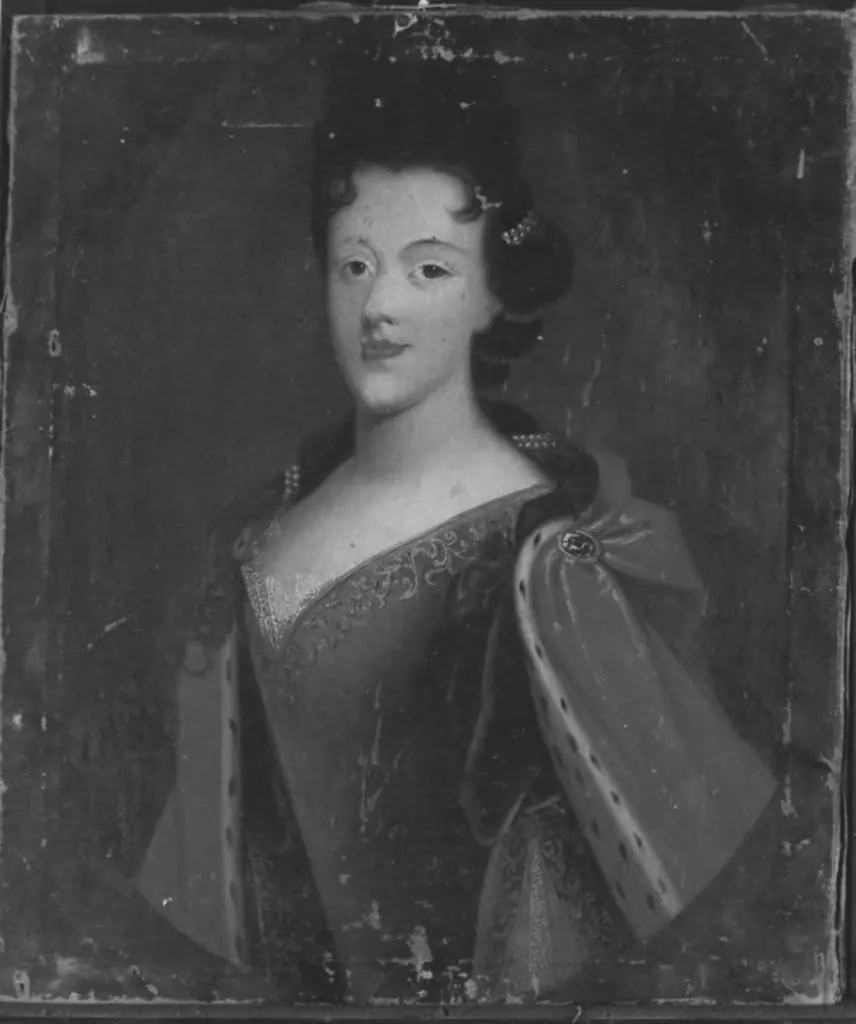 Bildnis einer Fürstin
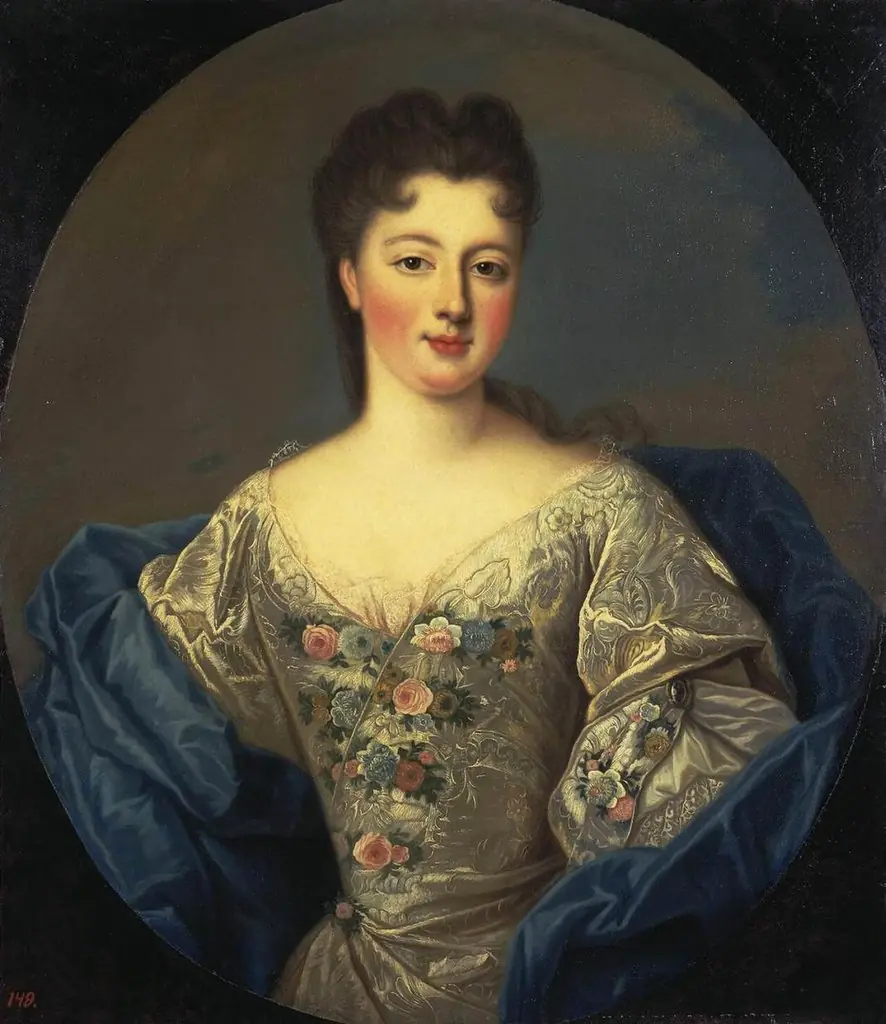 Portrait of Luiza Adelaida of Orleans
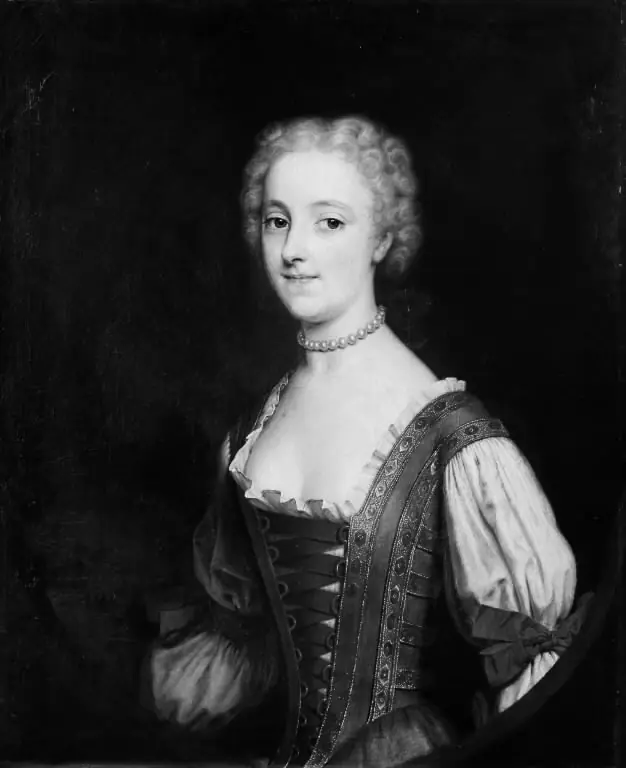 Dame i ungarsk dragt
 Dame i grålig silkekjole og løs hætte
 Prinsesse Sofie Hedevig ?
 Prinsesse Sofie Hedevig ?
 Anna Cathrine Hauch, født von der Maase
 Elisabeth Christine von Braunschweig-Wolfenbüttel