Artwork
Portrait of a Man
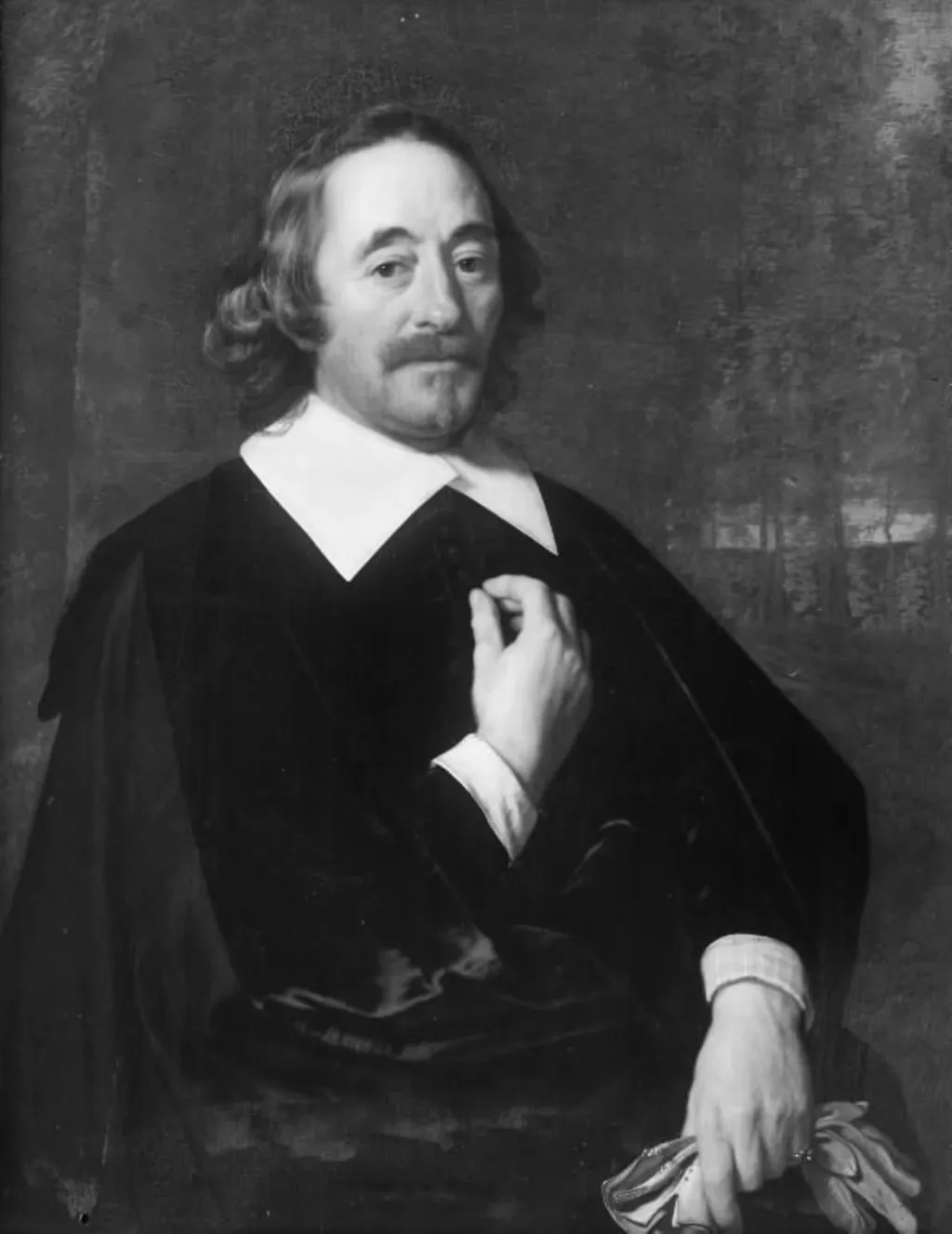
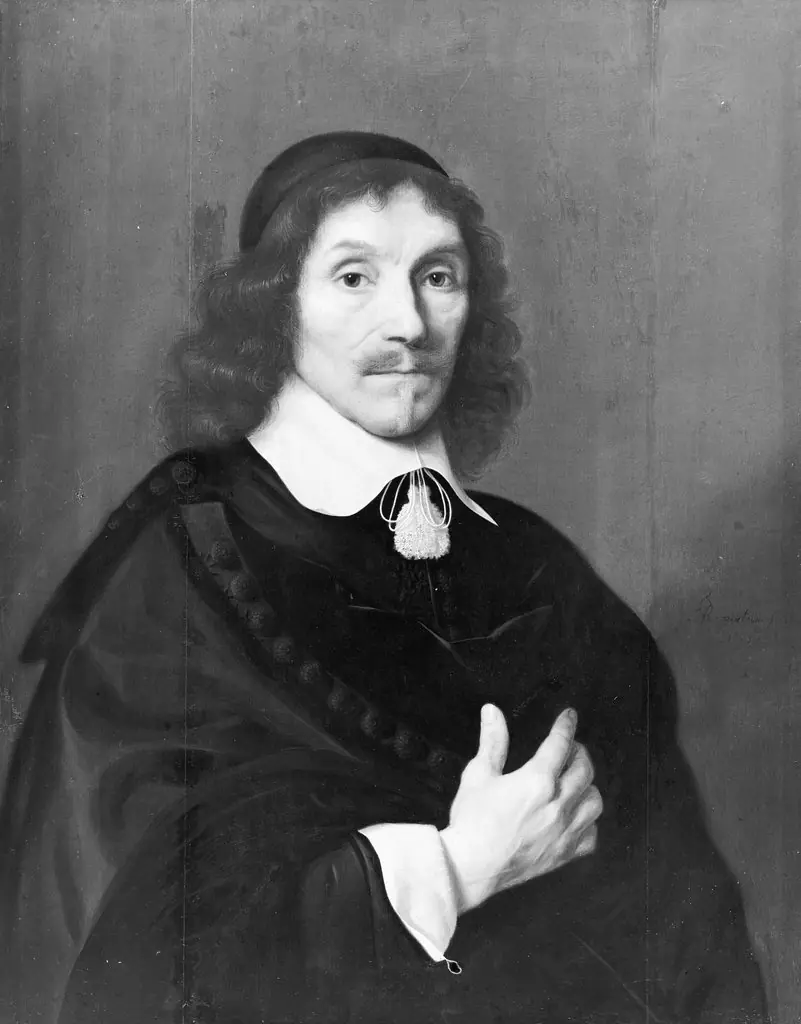
Portrait of a Man is an unspecified painting by the Baroque artist Unknown. It dates from 1651 and is held in the collection of the Statens Museum for Kunst. Painted in 1651, this black-and-white portrait depicts a man in formal attire of the mid-seventeenth century.
About this work
Overview
The absence of color and extraneous detail directs focus entirely to the figure’s presence and demeanor, characteristic of portraiture from this period.
Painted in 1651, this black-and-white portrait depicts a man in formal attire of the mid-seventeenth century. Executed with careful attention to tonal contrast, the work emphasizes the subject’s facial features and hands against a deep, unbroken background. The absence of color and extraneous detail directs focus entirely to the figure’s presence and demeanor, characteristic of portraiture from this period.
Subject & Meaning
The man is rendered with a composed, introspective expression, his right hand resting gently on his chest—a gesture often associated with sincerity or self-reflection. His elaborate facial hair and curled, shoulder-length hair suggest a man of some social standing, possibly a scholar or civic figure. The stillness of his gaze and the restrained posture convey dignity rather than grandeur, reflecting values of quiet authority common in the era.
Technique & Style
The artist employs chiaroscuro to model the face and hands, using sharp contrasts between light and shadow to create volume and depth. The dark, neutral background eliminates distraction, enhancing the three-dimensionality of the figure. Brushwork is precise yet unobtrusive, favoring subtle gradations over decorative flourish. The monochromatic palette reinforces the portrait’s solemn tone and structural clarity.
History & Provenance
The portrait has been held by the Museum of Ethnography since at least the early twentieth century, though its origins prior to that remain undocumented. Its inclusion in an ethnographic collection suggests it may have been acquired as an example of historical dress or regional portraiture, rather than as the work of a named artist. No definitive records of its commission or early ownership have been identified.
Context
Created during the Dutch Golden Age, this portrait aligns with contemporary trends in northern European painting that valued psychological depth and restrained elegance. While not the work of a major master, it reflects the widespread practice of producing intimate, lifelike likenesses for private or civic patrons. The emphasis on facial expression and texture of fabric echoes broader artistic interests in human individuality.
Legacy
Though unsigned and unattributed to a known painter, the portrait endures as a representative example of mid-seventeenth-century portraiture in monochrome. Its preservation in an ethnographic context underscores its value as a cultural artifact, offering insight into dress, grooming, and social presentation of the time. It continues to serve as a reference for studies of visual representation in early modern Europe.
Artist & collection

 Domestic Scene
 Giacomo and Cardinal Marco, investing Andrea, Abbot of San Zeno, with his Benefice
 The Nymph of Fontainebleau
 Portrait of a Woman
 Madonna and Child with Saints in the Enclosed Garden
 Venus and Minerva
 Family Group of Four on Sofa
 Wall painting from Room H of the Villa of P. Fannius Synistor at Boscoreale
 Portrait of a Man
 Portrait of a Man
 Portrait of a young man
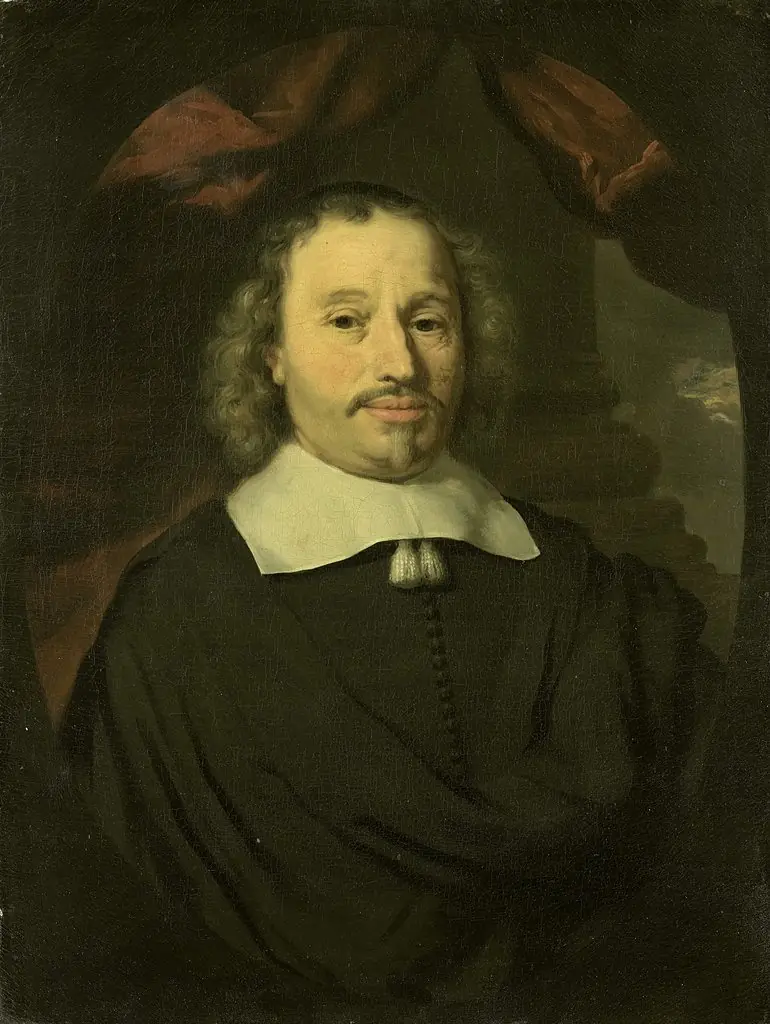 Portrait of Hendrick Wijnands (1601/2 - 76), grocer of Amsterdam
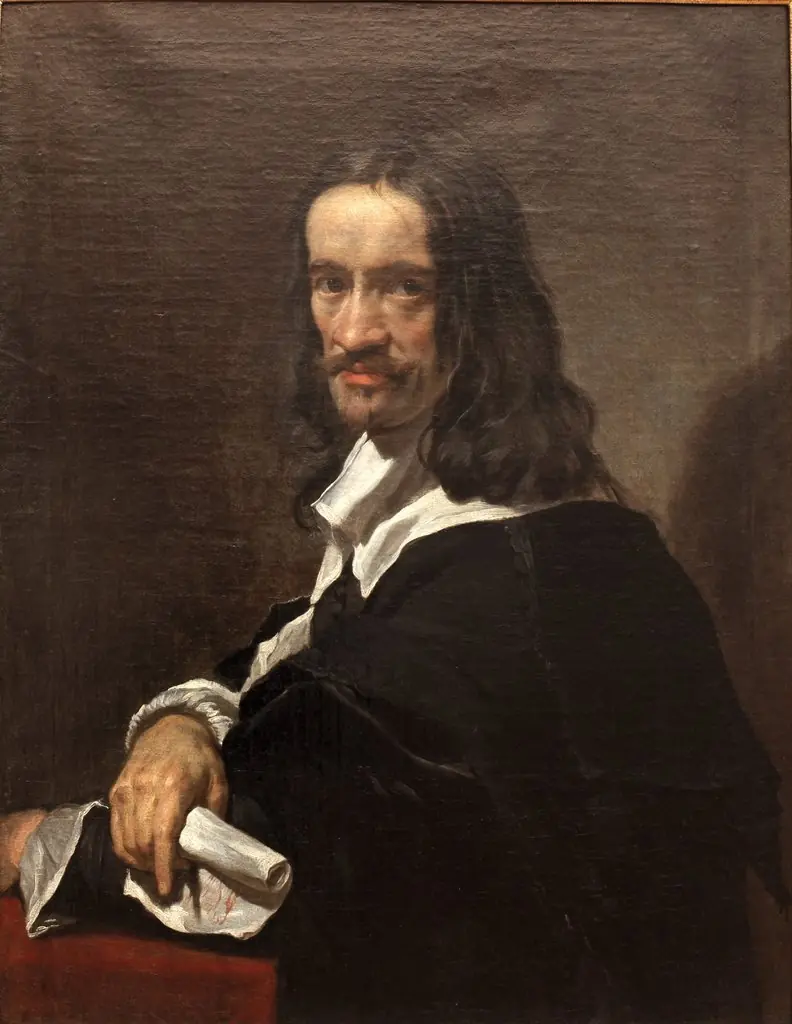 Self-portrait
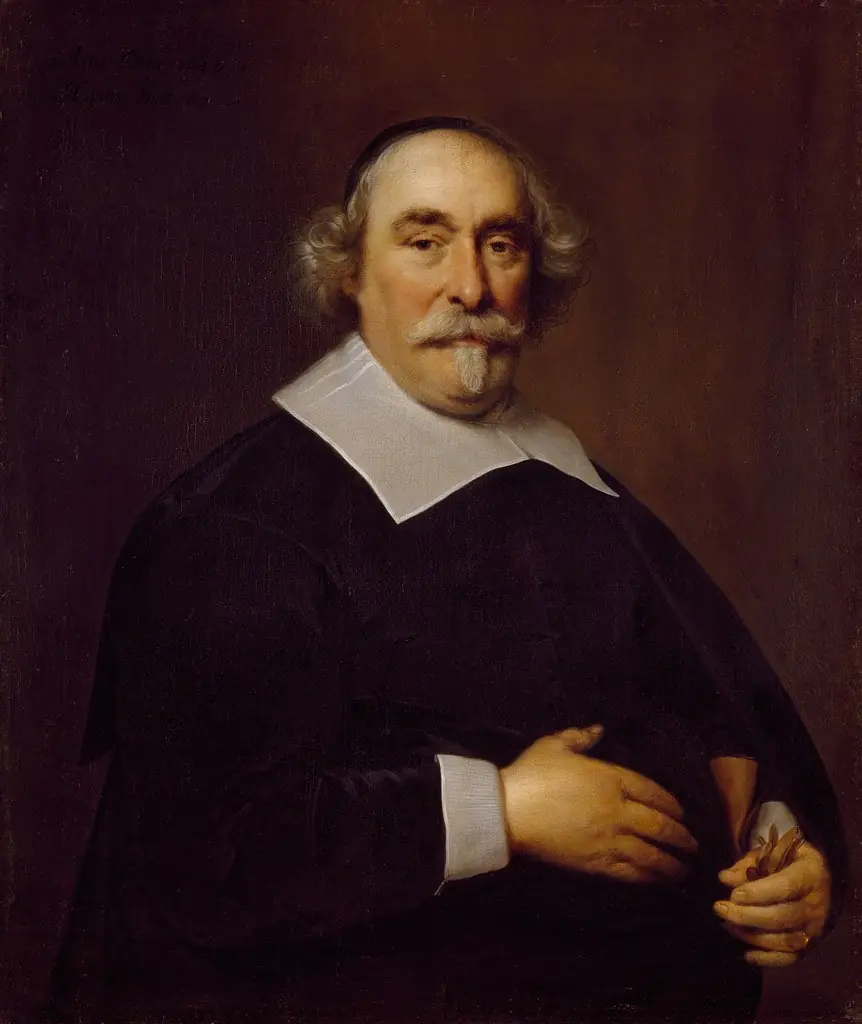 Portrait of Jan Corneliszoon Geelvinck
![Portrait of a Gentleman [possibly Jacob van Campen], by Thomas de Keyser](https://artifactworldgallery.com/img/thomas-de-keyser--portrait-of-a-gentleman-possibly-jacob-van-campen--d0c829ca95efaf31-w320.webp) Portrait of a Gentleman [possibly Jacob van Campen]
Portrait of a Gentleman [possibly Jacob van Campen]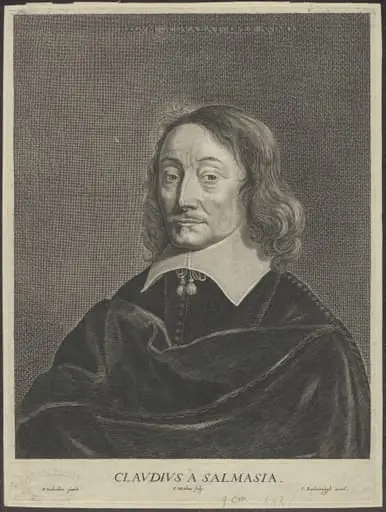 Portrait of Claudius Salmasius, professor at Leiden
 Man's portrait
 Portrait of a Man
 The Painter Andrea Sacchi
 Joost van den Vondel (1587-1679), Poet