Artwork
Portrait of a Gentleman [possibly Jacob van Campen]
![Portrait of a Gentleman [possibly Jacob van Campen], by Thomas de Keyser, unspecified, 1659](https://artifactworldgallery.com/img/thomas-de-keyser--portrait-of-a-gentleman-possibly-jacob-van-campen--d0c829ca95efaf31-w1024.webp)
Portrait of a Gentleman [possibly Jacob van Campen] is an unspecified painting by the Dutch Golden Age artist Thomas de Keyser. It dates from 1659 and is held in the collection of the Philadelphia Museum of Art.
About this work
Overview
De Keyser, known for his portraiture and involvement in architectural materials, produced works that preceded Rembrandt’s dominance in the field.
Painted in 1659 by Thomas de Keyser, this portrait captures a man of refined bearing during the height of the Dutch Golden Age. De Keyser, known for his portraiture and involvement in architectural materials, produced works that preceded Rembrandt’s dominance in the field. The painting is part of the Philadelphia Museum of Art’s collection, representing a quiet yet assertive moment in Dutch visual culture.
Subject & Meaning
The sitter, possibly Jacob van Campen, an architect and artist, is rendered with solemn dignity. His direct gaze and composed posture suggest intellectual authority and social standing. The absence of overt symbols of profession or wealth implies a preference for personal presence over status markers, aligning with emerging ideals of individuality in mid-17th-century Dutch society.
Technique & Style
De Keyser employs chiaroscuro to model the sitter’s face and collar with subtle gradations of light and shadow, enhancing three-dimensionality. The dark, unbroken background isolates the figure, focusing attention on his features. The fine rendering of the mustache and parted hair reflects attention to detail, while the black garment and crisp white collar convey restraint and elegance characteristic of elite portraiture of the period.
History & Provenance
The painting entered the Philadelphia Museum of Art’s collection through documented acquisitions in the 20th century. Its attribution to Thomas de Keyser is supported by stylistic parallels with his other works and historical records of his activity in Amsterdam. Though once prominent, de Keyser’s reputation waned after Rembrandt’s ascendancy, and this portrait remains a testament to his earlier influence.
Context
In the 1650s, Dutch portraiture shifted from elaborate displays of wealth toward introspective, psychologically nuanced depictions. De Keyser’s work reflects this trend, favoring quiet confidence over ornamentation. His clientele included intellectuals and civic leaders, and this portrait exemplifies the era’s preference for understated gravitas in representing male identity.
Legacy
Though overshadowed in his time by Rembrandt’s innovations, de Keyser’s portraits preserved a distinct vein of Dutch realism. This painting endures as an example of refined, unadorned representation, contributing to the broader understanding of how individual identity was visually constructed in the Dutch Republic beyond the most celebrated names of the age.
Artist & collection

Artist
Thomas de Keyser (c. 1596 – 1667) was a Dutch portrait painter and a dealer in Belgium bluestone and stone mason. He was the most in-demand portrait painter in the Netherlands until the 1630s, when Rembrandt eclipsed…

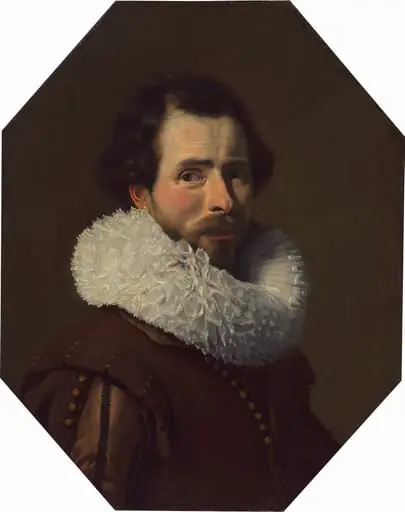 Portrait of a Gentleman Wearing a Fancy Ruff
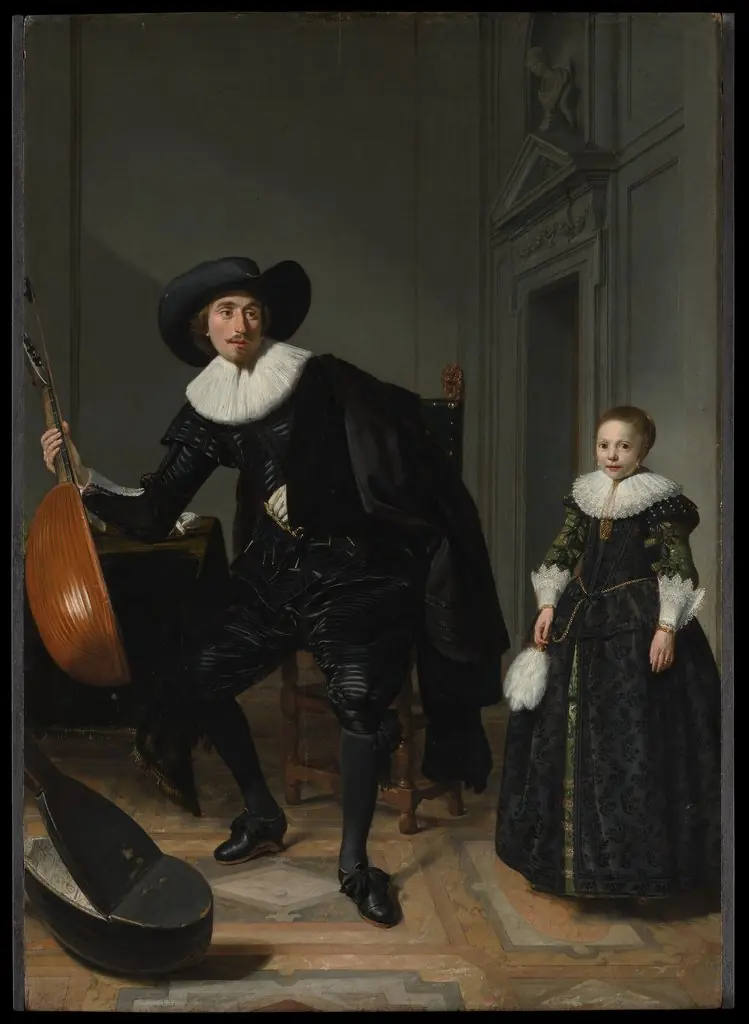 A Musician and His Daughter
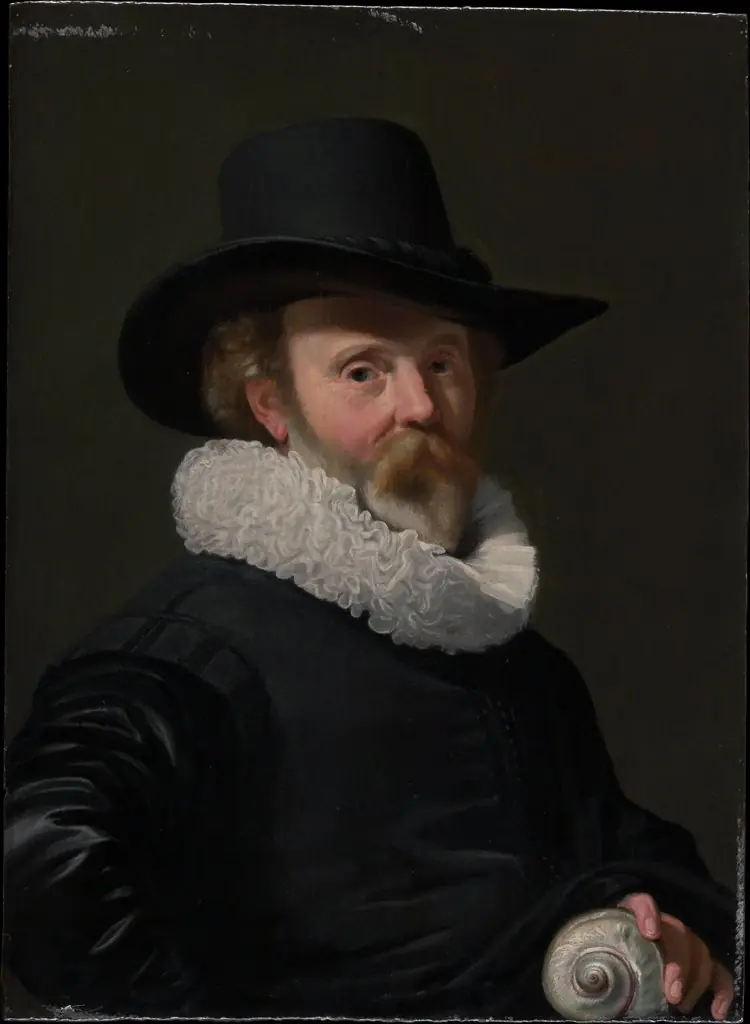 Portrait of a Man with a Shell
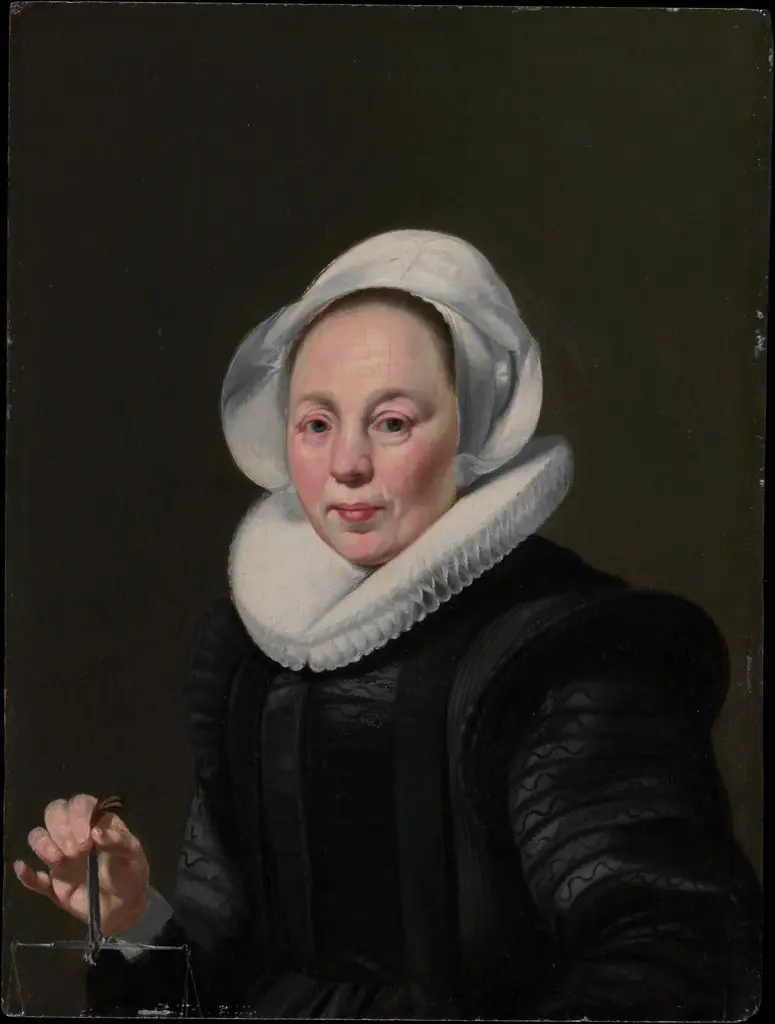 Portrait of a Woman with a Balance
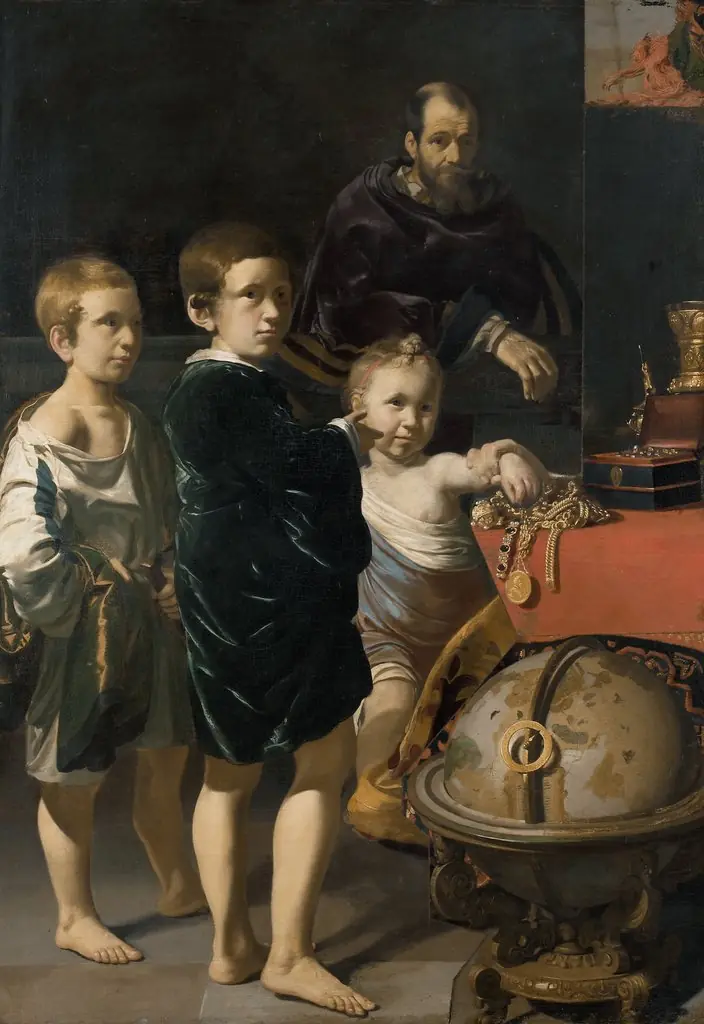 Portrait of three children and a man
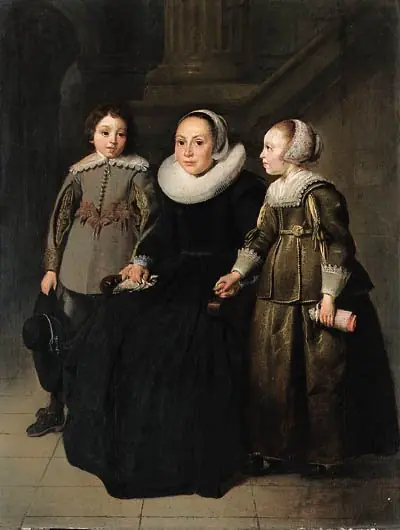 Portrait of a seated woman and two children
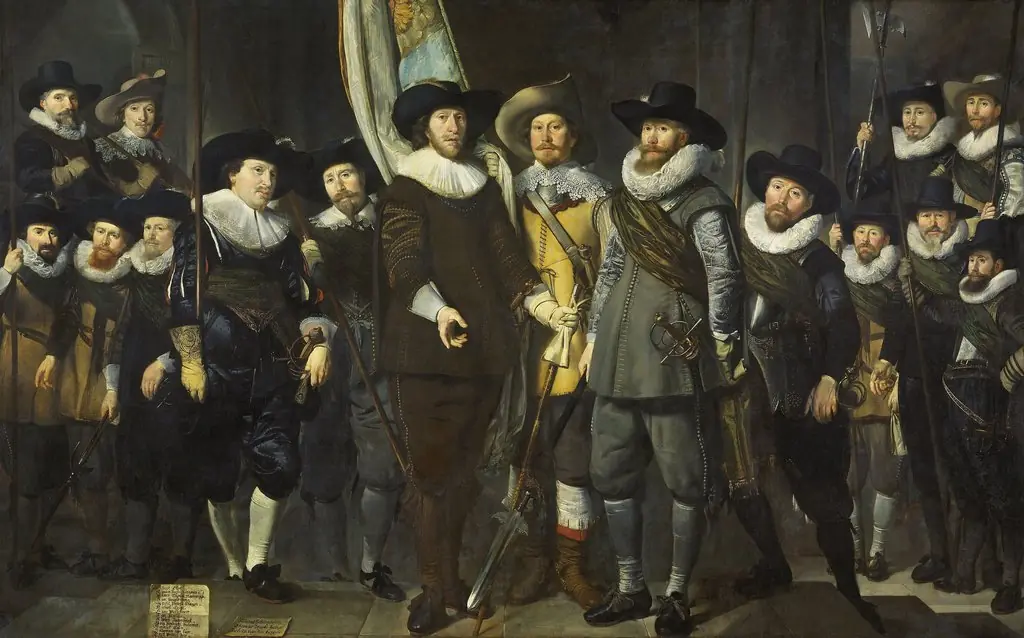 Officers and other civic guardsmen of the IIIrd District of Amsterdam, under the command of Captain Allaert Cloeck and Lieutenant Lucas Jacobsz Rotgans
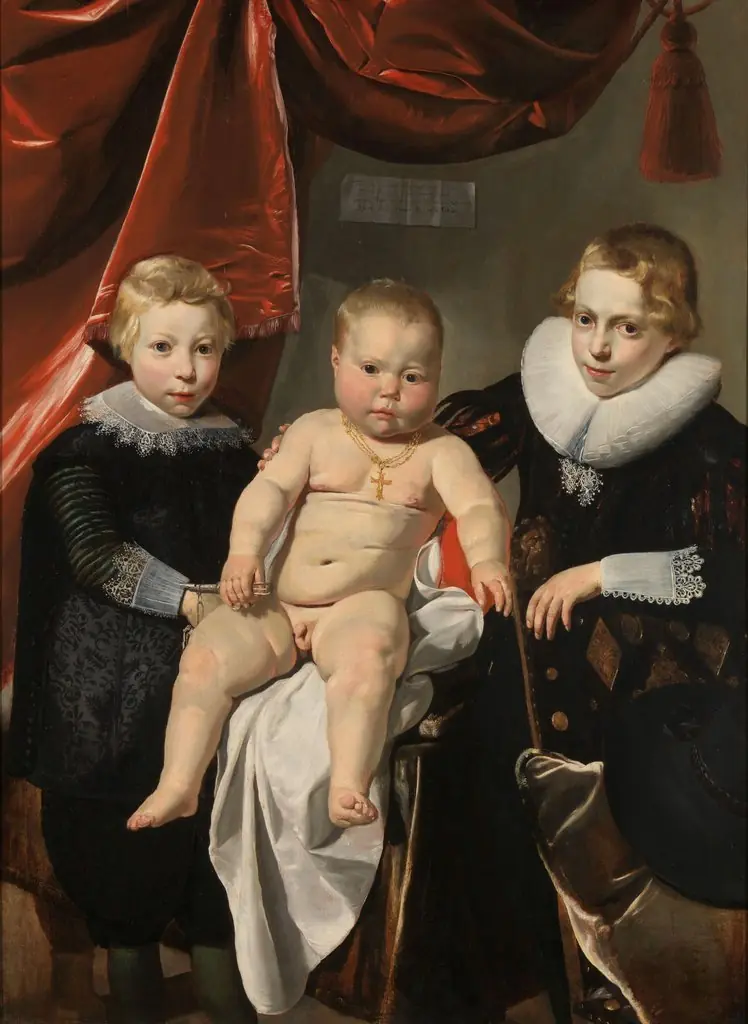 Group Portrait of Three Brothers
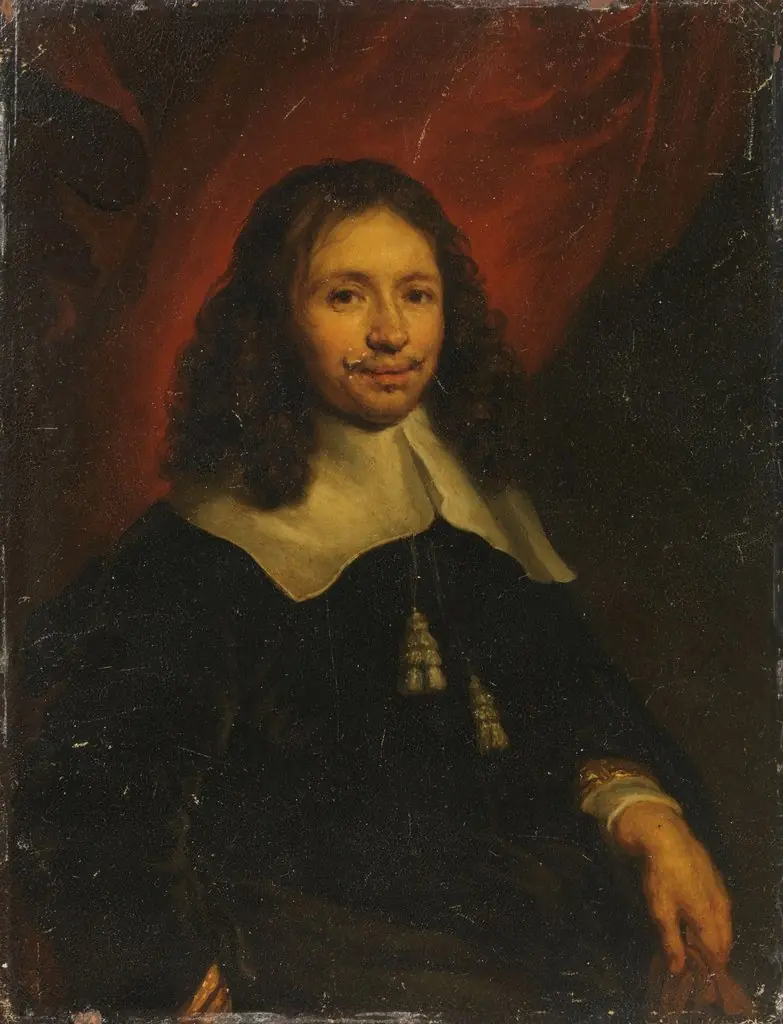 Dionijs Wijnands (1628-73). Amsterdam merchant
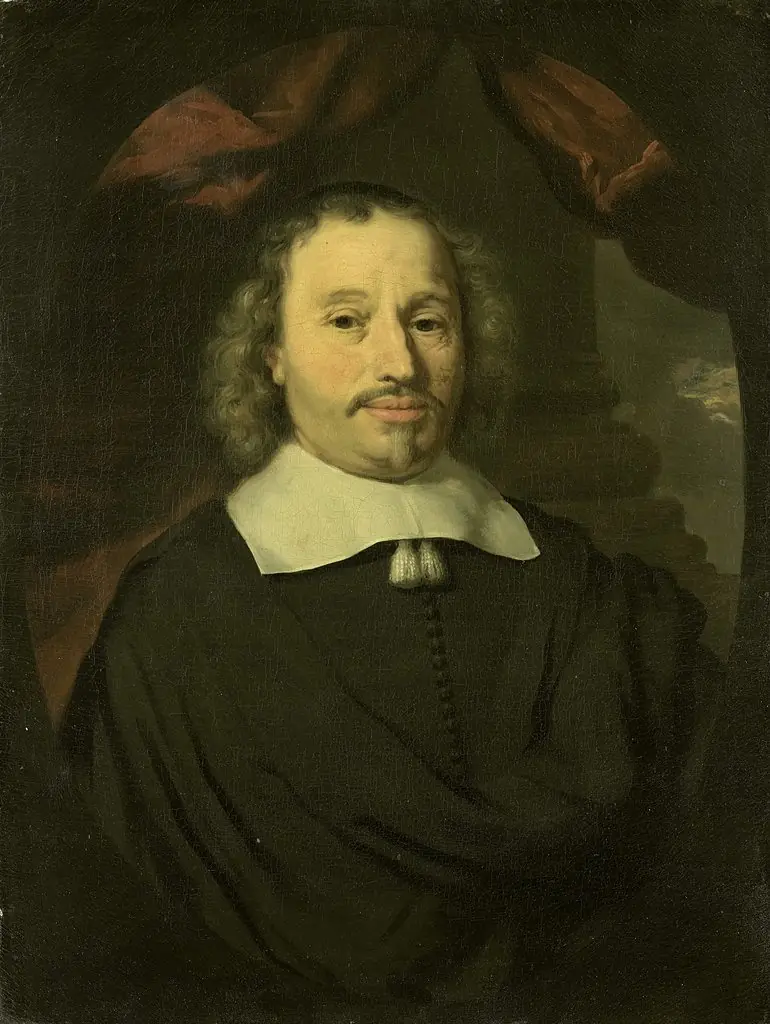 Portrait of Hendrick Wijnands (1601/2 - 76), grocer of Amsterdam
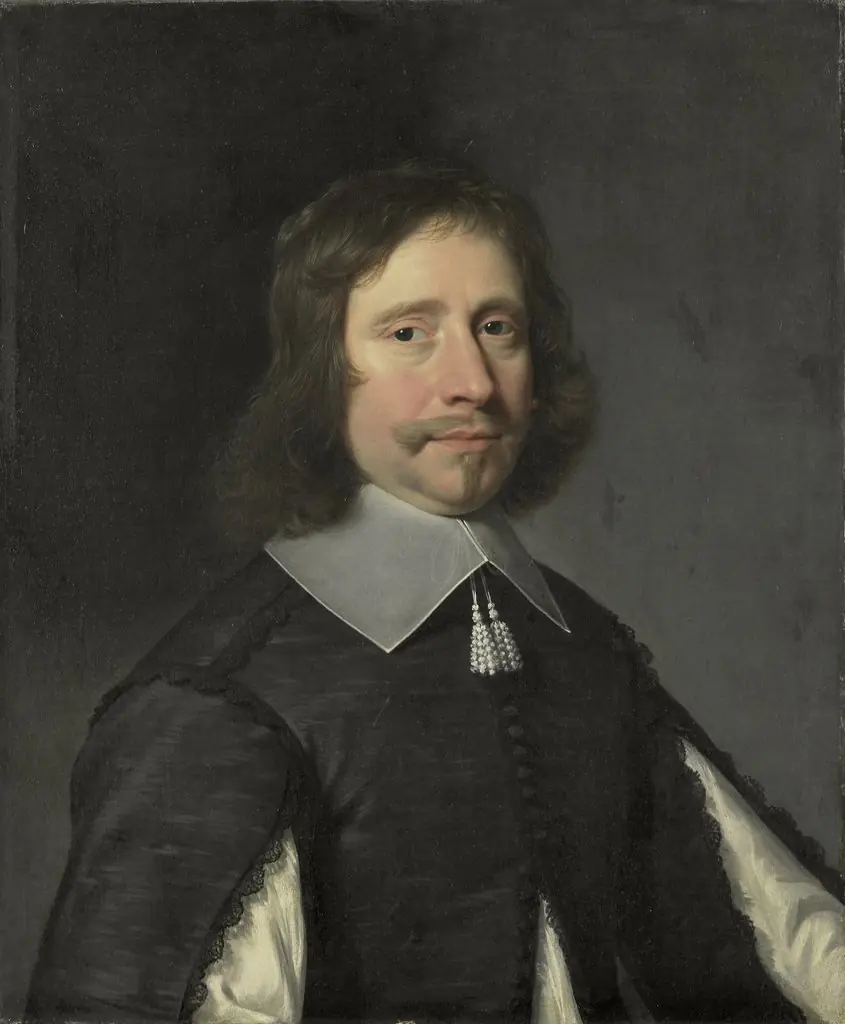 Portrait of a man, perhaps Philippe de la Trémoïlle (1596-?), count of Olonne
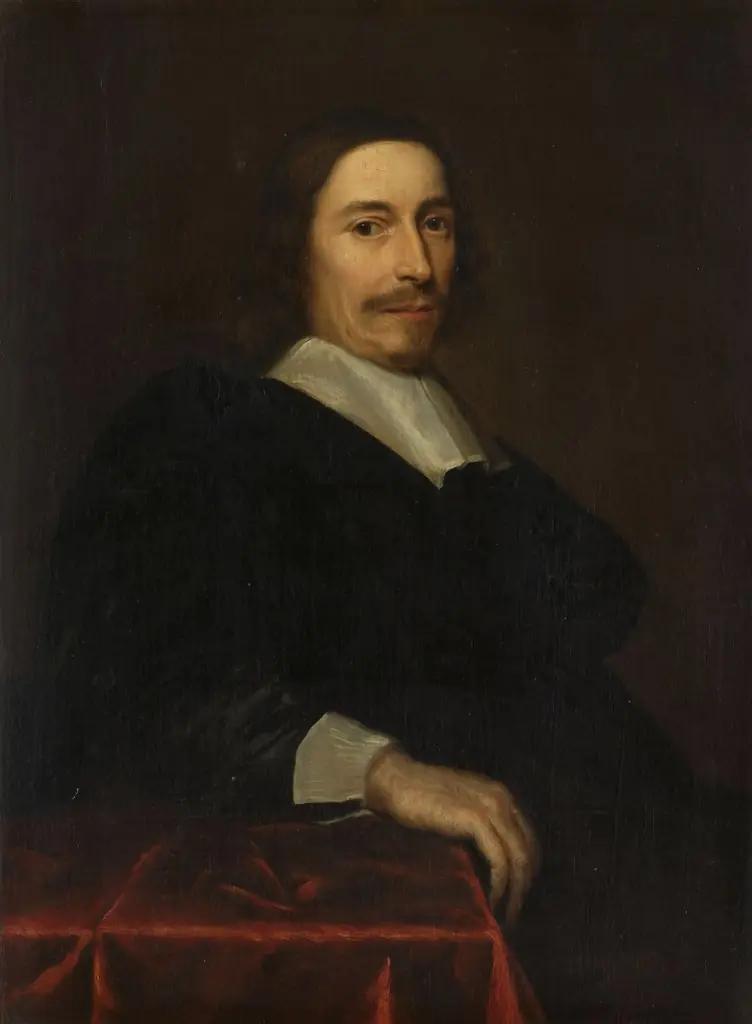 Jacob de Witt (1589-1674)
 Godard van Reede (1588-1648), lord of Nederhorst. Delegate of the province of Utrecht at the peace conference at Münster (1646-48)
 Portrait of a Man
 Portrait of Daniel Nellius, elder of the Remonstrant church and sampling official of Alkmaar
 Joost van den Vondel (1587-1679). Poet
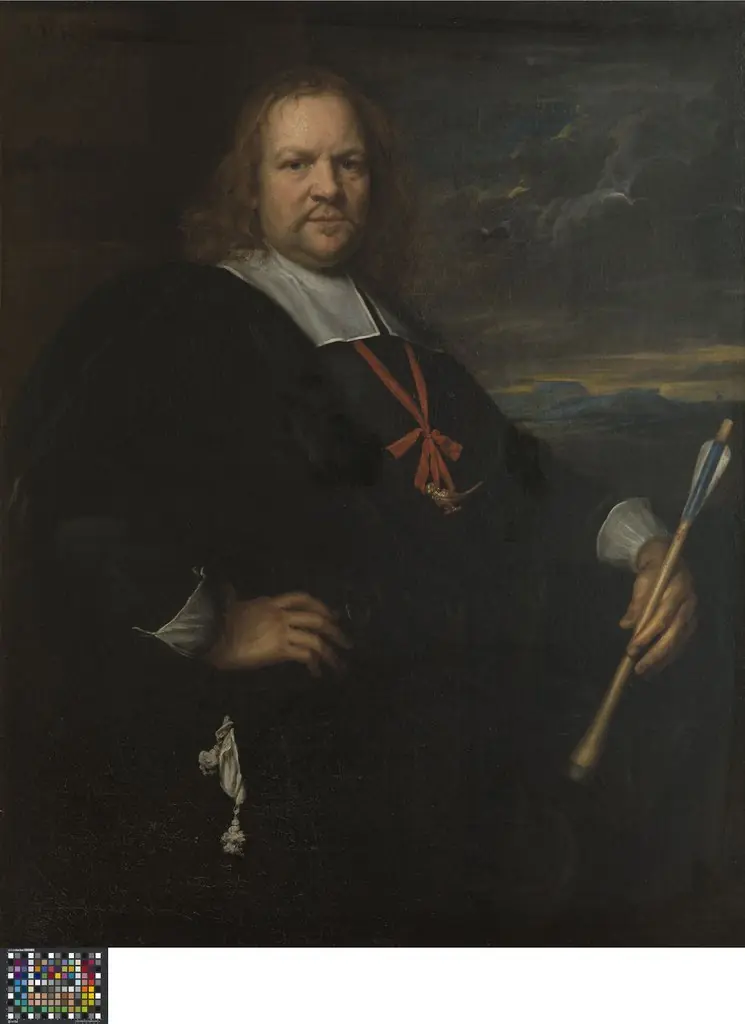 Portrait of Leonard van Kerckhove, King of the Guild of St. George in Bruges
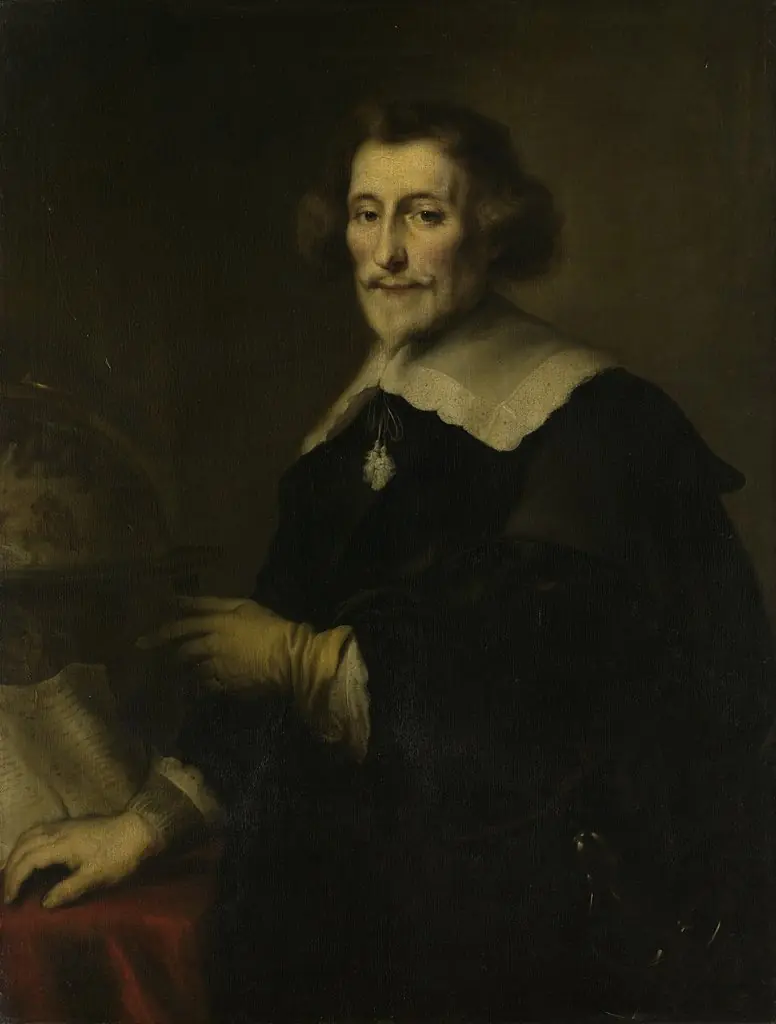 Pieter Cornelisz Hooft (1581-1647). High bailiff of Muiden, historian and poet
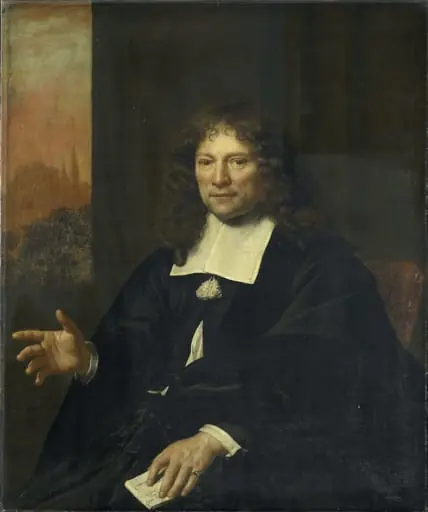 Portrait of Daniel Niellius. Elder of the Remonstrant Church and Sampling Official of Alkmaar
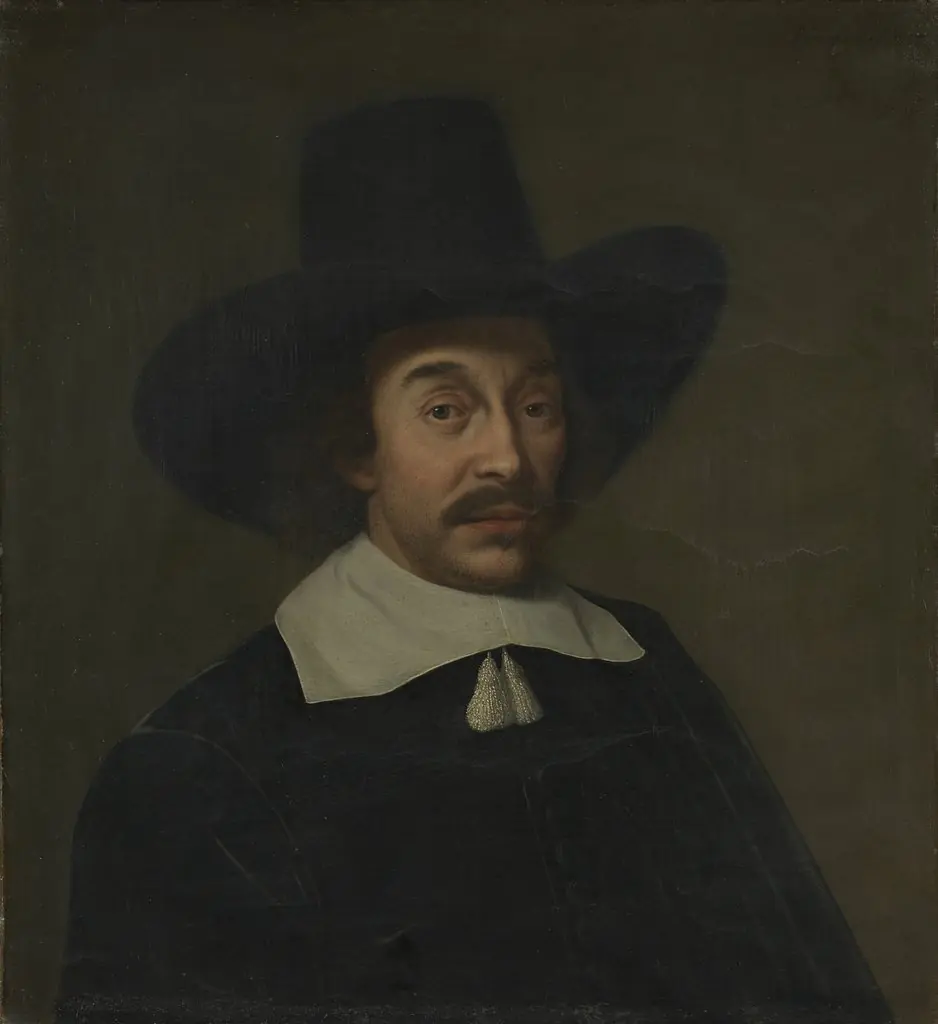 Jan de Hooghe (1608-82). Father-in-law of the painter Ludolf Bakhuysen