Artwork
Portrait of Claudius Salmasius, professor at Leiden
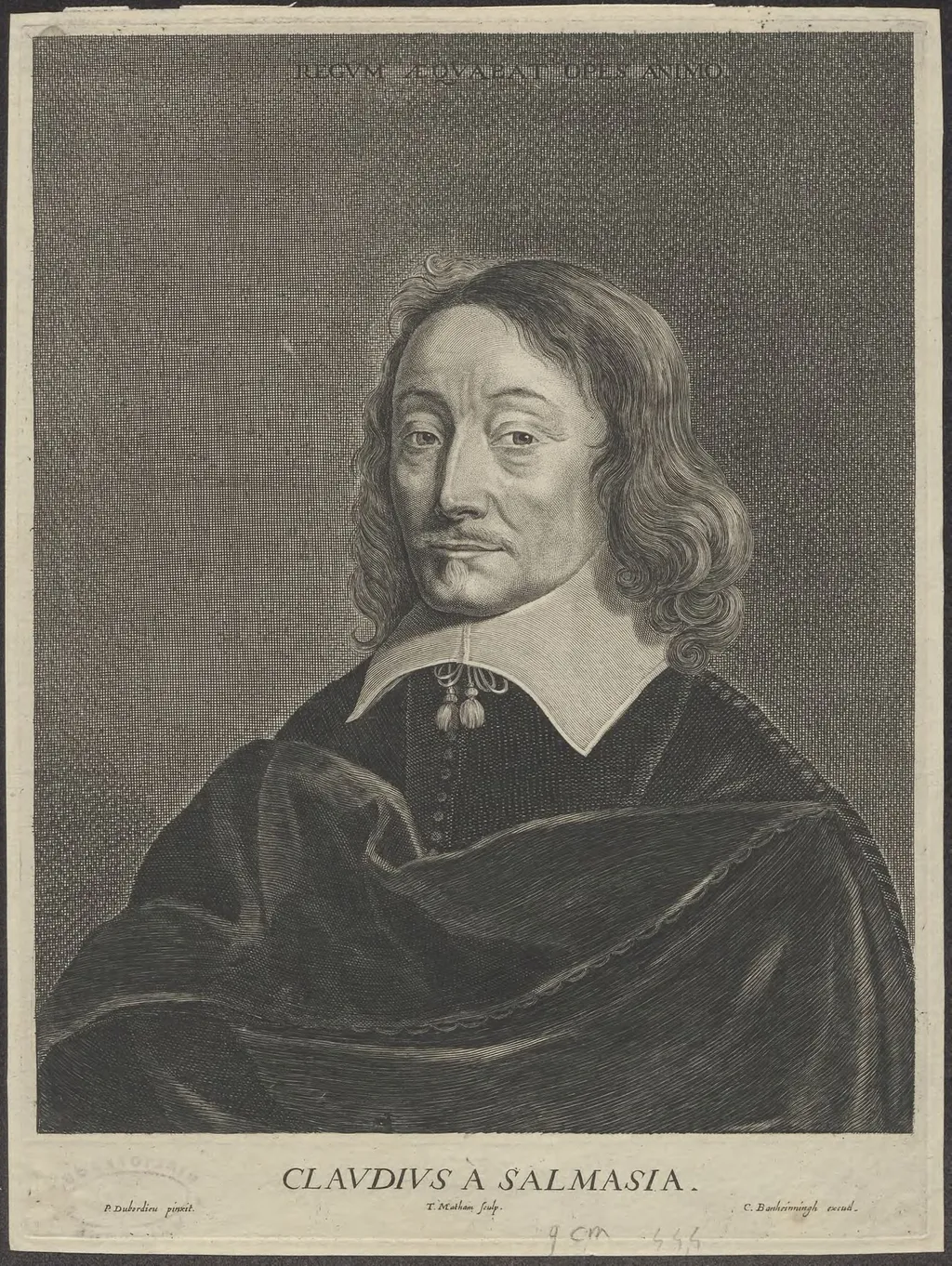
Portrait of Claudius Salmasius, professor at Leiden is an unspecified painting by the Dutch Golden Age artist Theodoor, Matham. It dates from 1650 and is held in the collection of the Leiden University Libraries. This portrait depicts Claudius Salmasius, a professor at Leiden University, in a scholarly setting.
About this work
This painting shows a man sitting at a desk with papers and books around him.
He looks like a scholar, and the details in the room give us clues about his life.
The man is Claudius Salmasius, a professor at Leiden, and this portrait is based on a painting by P. Dubordieu.
You can learn more about the artist who made this portrait by looking up Matham, Theodoor, (1605-1676).
Overview
This portrait depicts Claudius Salmasius, a professor at Leiden University, in a scholarly setting. Based on a painting by P. Dubordieu, the image shows Salmasius seated at a desk surrounded by papers and books, conveying his intellectual pursuits.
Subject & Meaning
The subject, Claudius Salmasius, is portrayed in a manner reflecting his academic profession. The cluttered desk with papers and books symbolizes his engagement in scholarly activities, providing insight into his role as a professor.
Technique & Style
The portrait's technique and style are indirectly attributed through its basis on P. Dubordieu's original painting. For specifics on the artistic approach, reference can be made to Theodoor Matham (1605-1676), the artist behind this rendition.
History & Provenance
Originally painted by P. Dubordieu, this version of the portrait is attributed to Theodoor Matham. A manuscript note mentions dimensions (9cm x 44.4cm), but detailed provenance information is not provided in the available context.
Context
Created in the 17th century, the portrait situates Salmasius within the academic environment of Leiden University during that period. The setting and attire reflect the scholarly norms of the time.
Legacy
The portrait's legacy is tied to its subjects and artists. As a representation of Claudius Salmasius, it preserves his image for historical record. Artistically, it connects to the oeuvres of both Dubordieu and Matham, though its individual impact is not detailed here.
Artist & collection
 Sir William Sanderson
 Cardinal de Coislin
 Sir William Sanderson
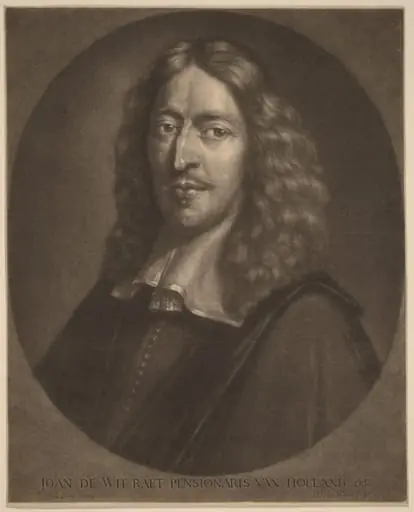 Johan de Wit
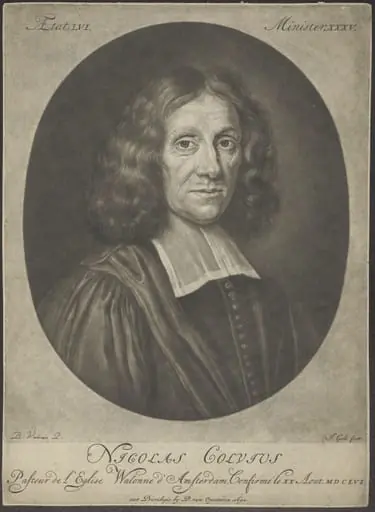 Portrait of Nicolas Colvius, Walloon minister in AmsterdaM
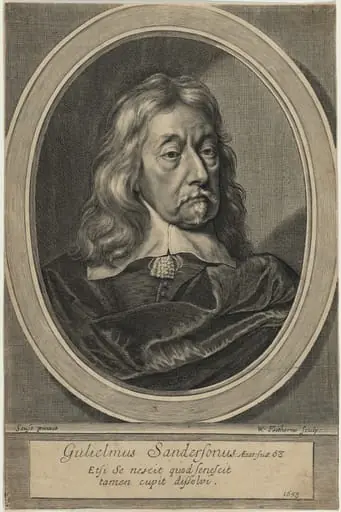 Sir William Sanderson
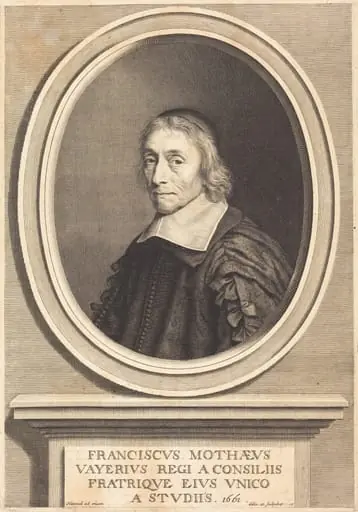 Francois de la Mothe Le Vayer
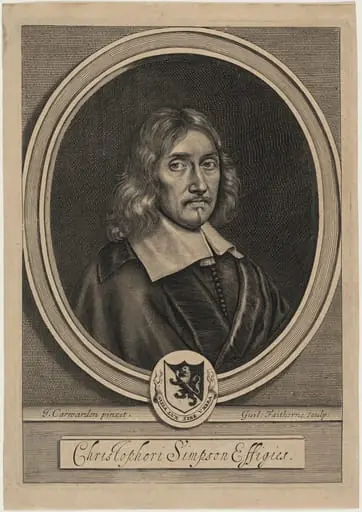 Christopher Chelys Simpson
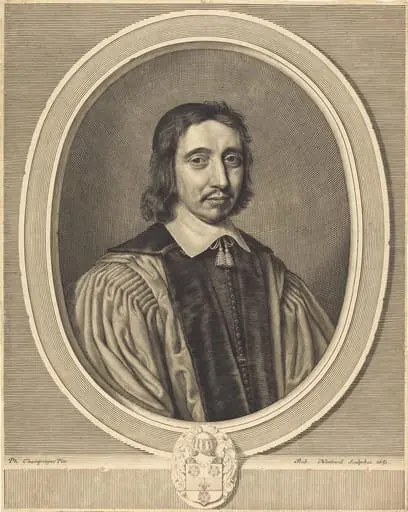 Charles Benoise
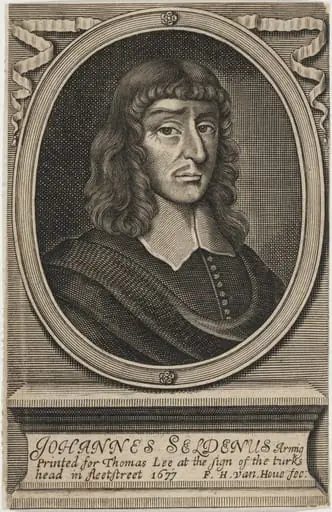 John Selden
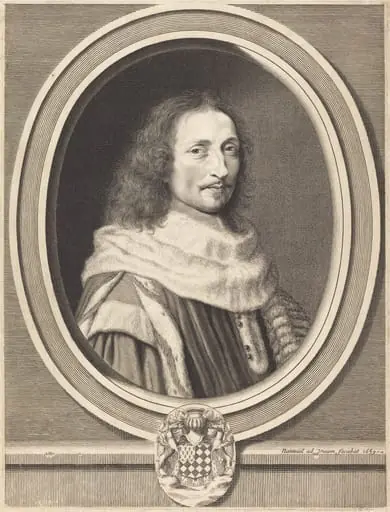 Guillaume de Lamoignon
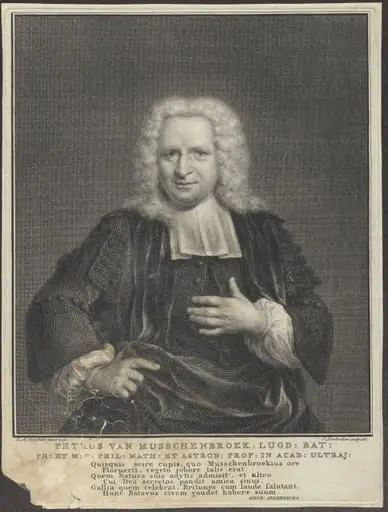 Portrait of Petrus van den Musschenbroek, profesor of philosophy, mathematics and astronomy at Leiden