Artwork
Blomstrende planter
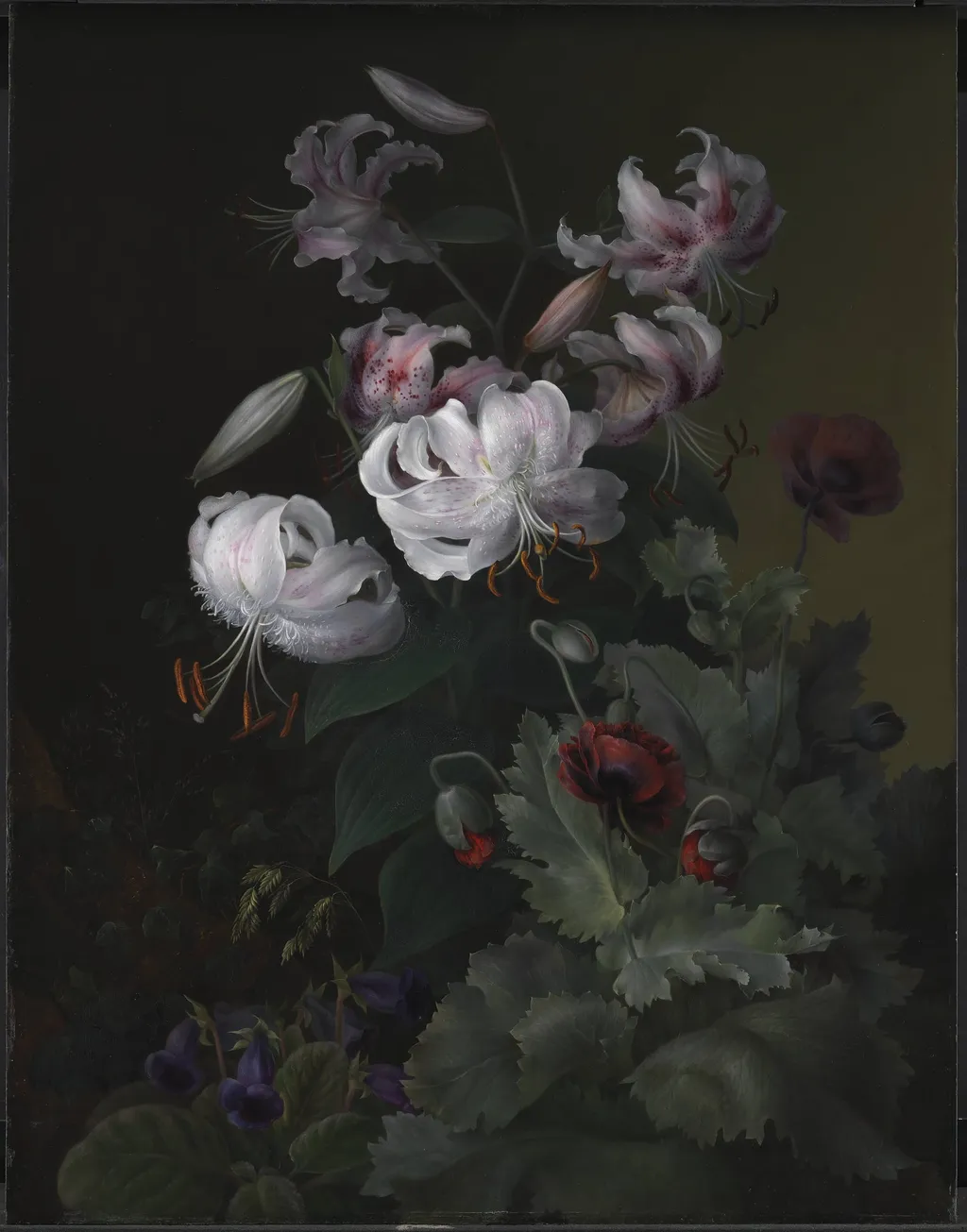
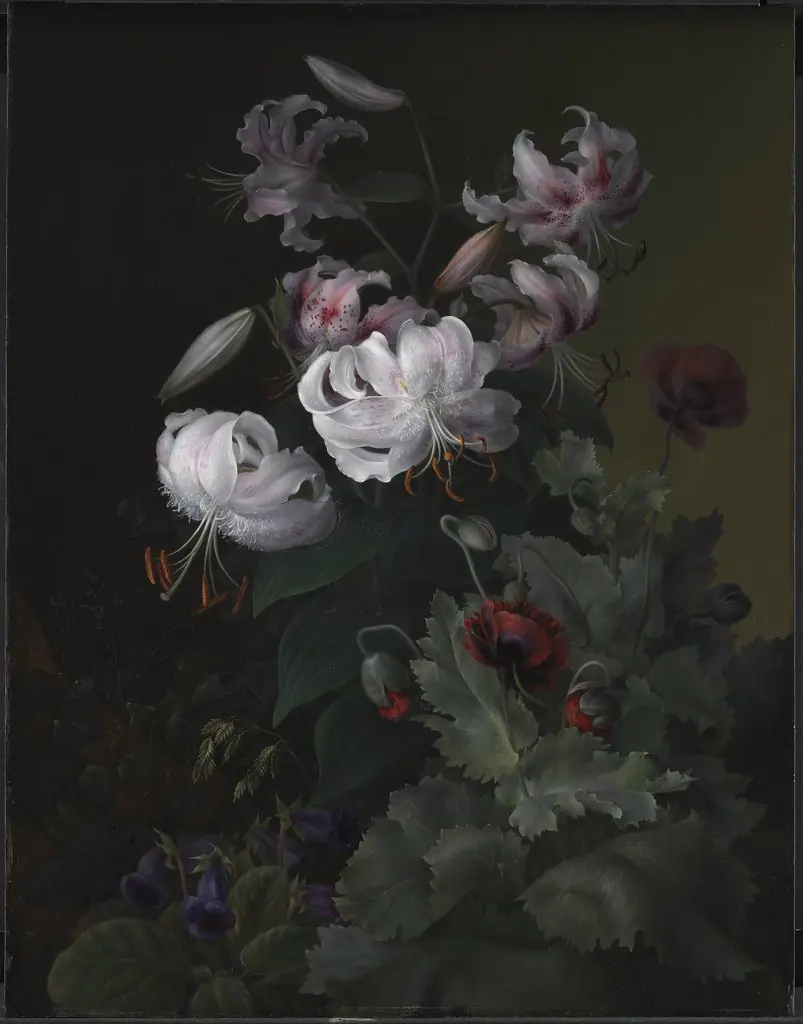
Blomstrende planter is a photography by the Romanticist artist Unknown. It dates from 1845 and is held in the collection of the Statens Museum for Kunst. Created in 1845 by 2691_person, this painting depicts a naturalistic arrangement of flowering plants.
About this work
Overview
Created in 1845 by 2691_person, this painting depicts a naturalistic arrangement of flowering plants. Executed in oil or similar medium, it captures botanical specimens with close attention to form and texture. The work resides in the Museum of Ethnography, where it is preserved as part of a collection focused on cultural representations of nature.
Subject & Meaning
The composition centers on a loose cluster of white, pink, and red blooms alongside lush green foliage. The arrangement suggests wild growth rather than formal cultivation, evoking a sense of organic abundance. While no explicit symbolic meaning is documented, the emphasis on vitality and detail may reflect 19th-century interest in natural observation and botanical study.
Technique & Style
Rendered with precise realism, the painting emphasizes fine textures—petals, veins, and stems are carefully delineated. The dark background isolates the flora, heightening contrast and three-dimensionality. Brushwork is controlled yet fluid, capturing subtle variations in light and surface without idealization, aligning with scientific illustration traditions of the period.
History & Provenance
The work was completed in 1845 and entered the collection of the Museum of Ethnography at an unknown date. Its origin as a standalone piece or part of a larger study remains undocumented. No exhibition history or early ownership records are publicly available, though its preservation suggests early institutional recognition of its botanical accuracy.
Context
In mid-19th-century Europe, detailed botanical imagery flourished alongside scientific exploration and colonial collection practices.
In mid-19th-century Europe, detailed botanical imagery flourished alongside scientific exploration and colonial collection practices. This painting aligns with a broader trend of documenting plant life, often for academic or ethnographic purposes. Its presence in an ethnographic museum hints at its use in understanding cultural relationships with flora, though its specific anthropological role is unrecorded.
Legacy
Though not widely reproduced or studied outside institutional archives, the painting endures as a quiet example of 19th-century naturalistic observation. It contributes to the museum’s representation of how non-Western or indigenous plant knowledge was visually recorded, even when the artist’s intent remains unclear. Its value lies in its unembellished fidelity to botanical form.
Artist & collection

 Domestic Scene
 Giacomo and Cardinal Marco, investing Andrea, Abbot of San Zeno, with his Benefice
 The Nymph of Fontainebleau
 Portrait of a Woman
 Madonna and Child with Saints in the Enclosed Garden
 Venus and Minerva
 Family Group of Four on Sofa
 Wall painting from Room H of the Villa of P. Fannius Synistor at Boscoreale
 Et glas med forårsblomster
 Et glas med forårsblomster
 A Hanging Bouquet of Flowers
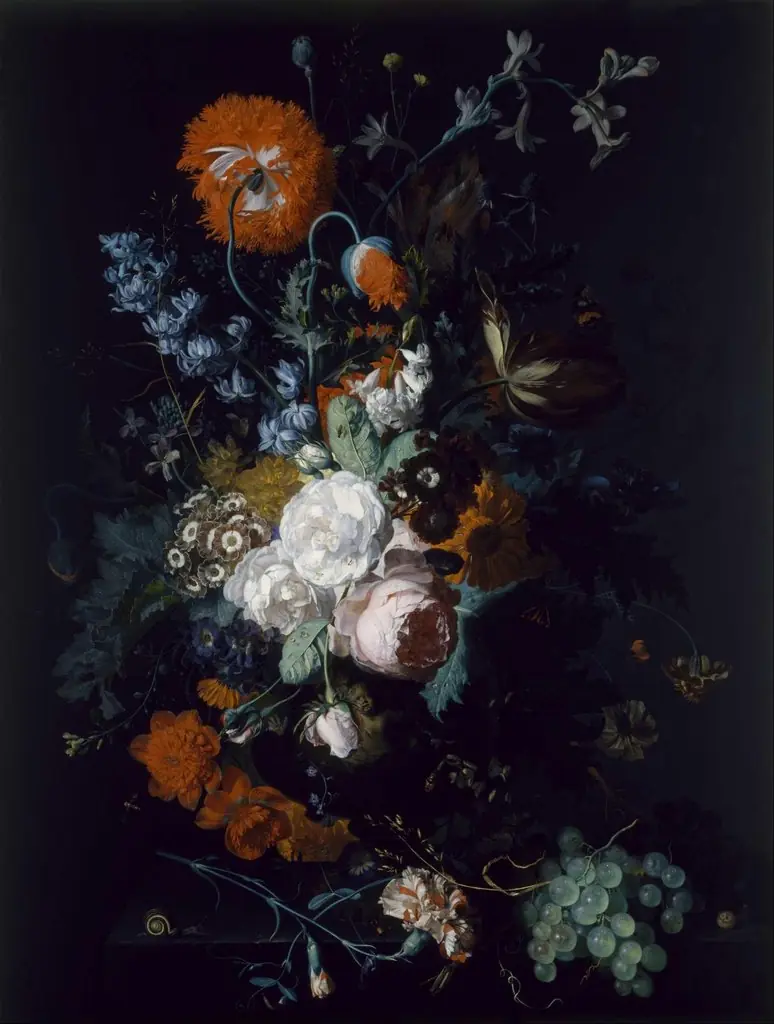 Still Life of Flowers and Fruit
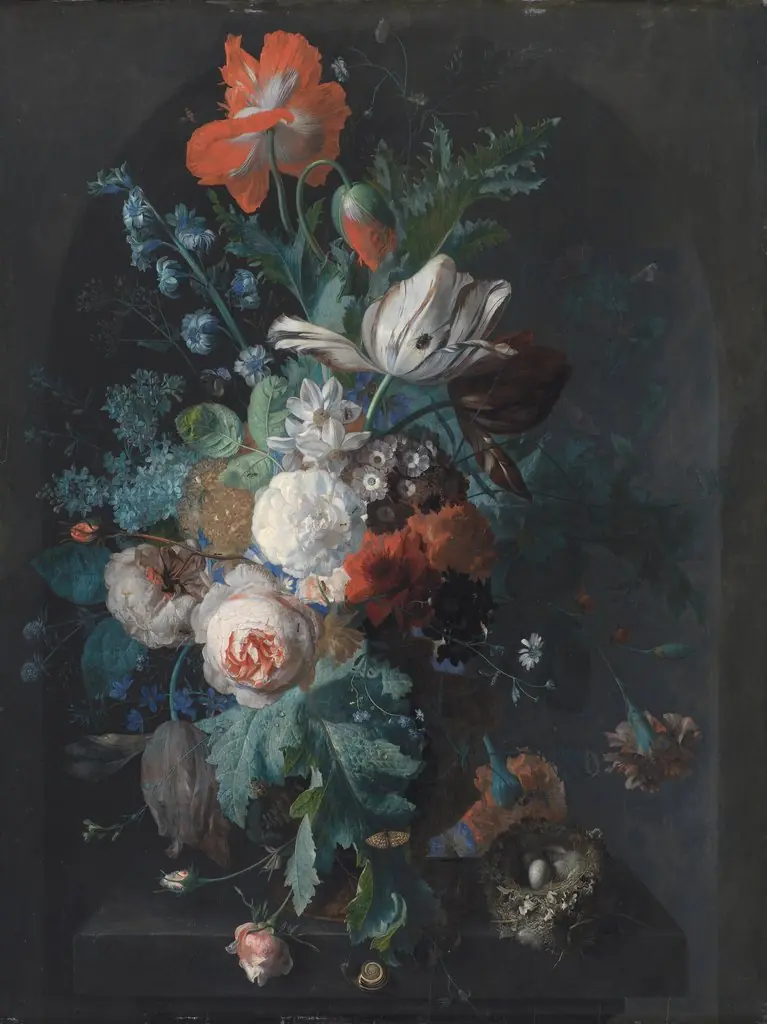 A Vase with Flowers
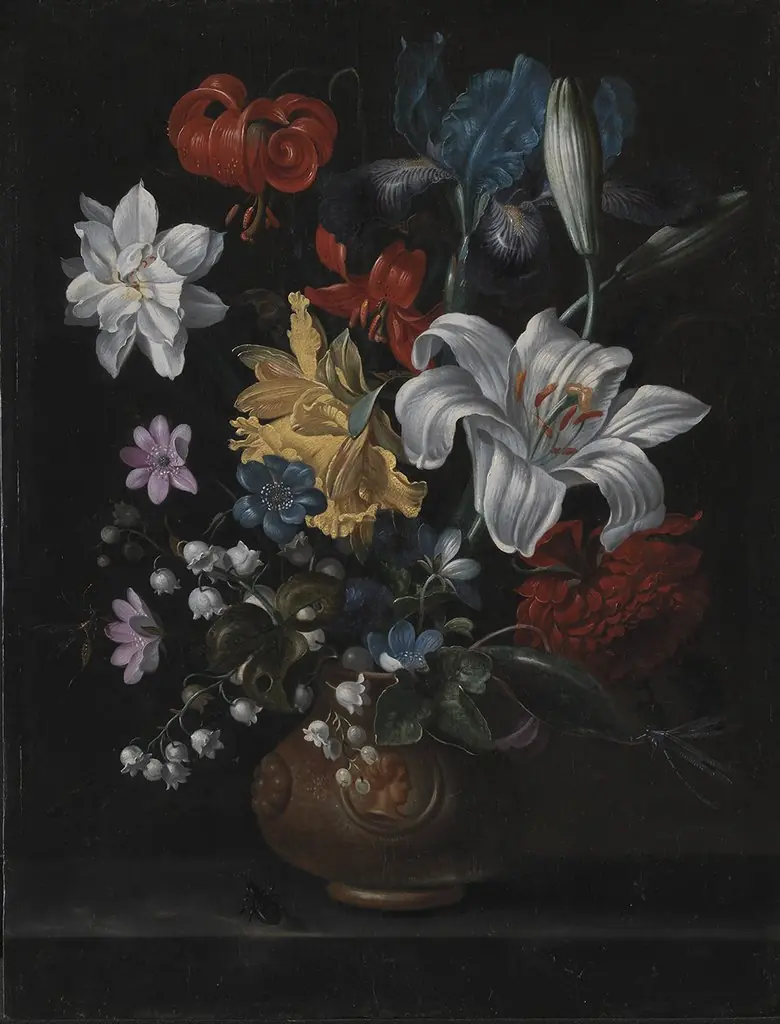 En stentøjskrukke med blomster
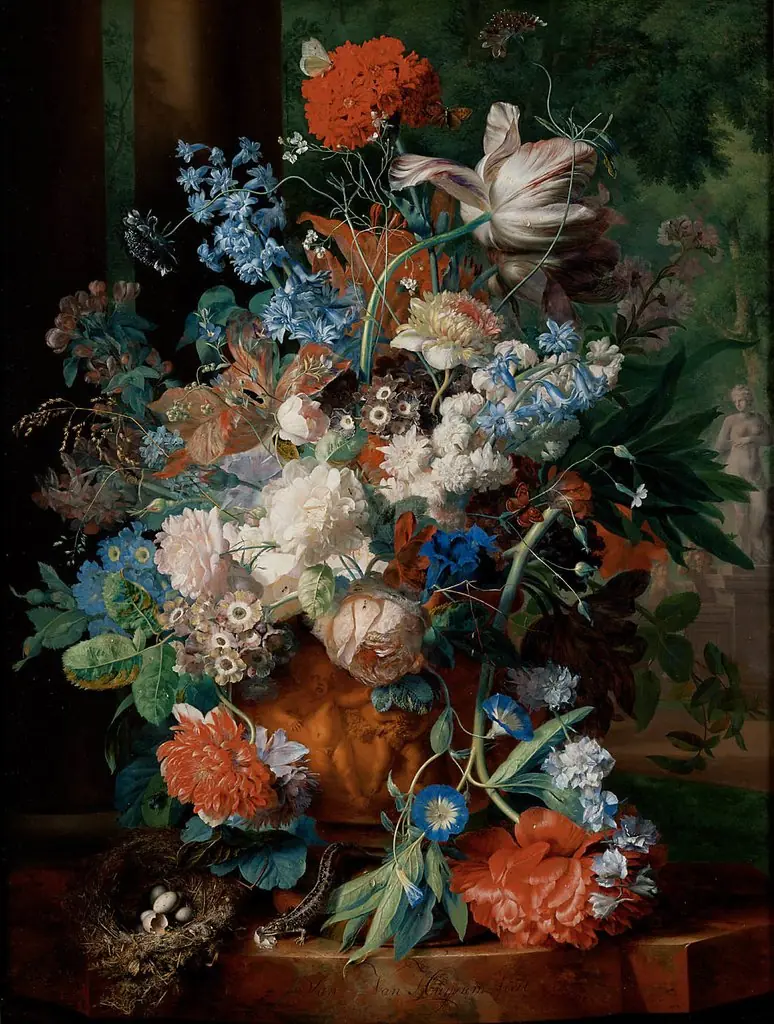 Flower still life in a terracotta vase, for two columns and a park landscape with a statue of Venus
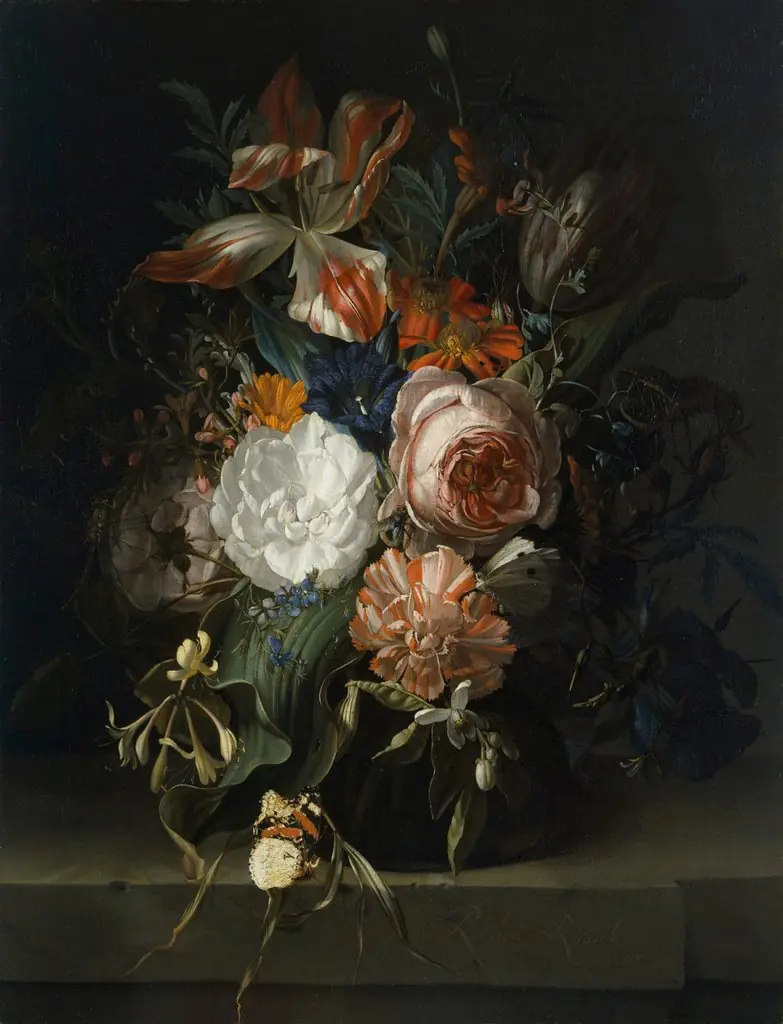 Flowers in a glass vase on a marble ledge, 1691
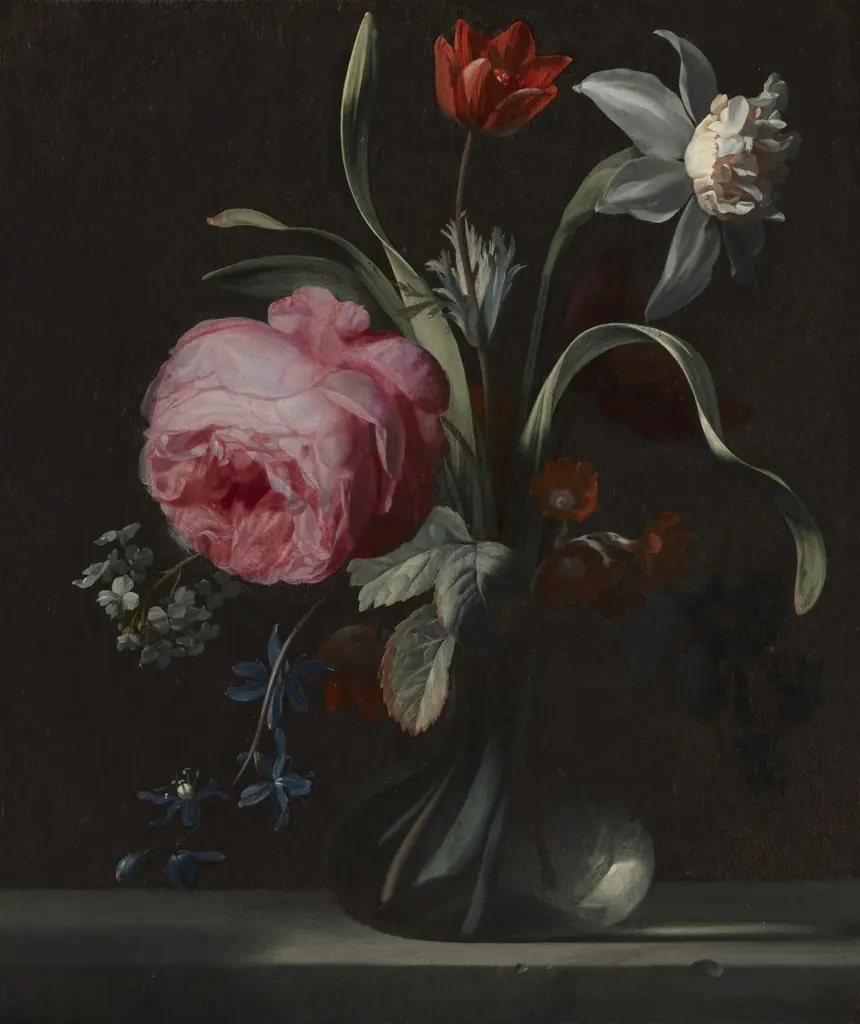 Flowers in a Vase
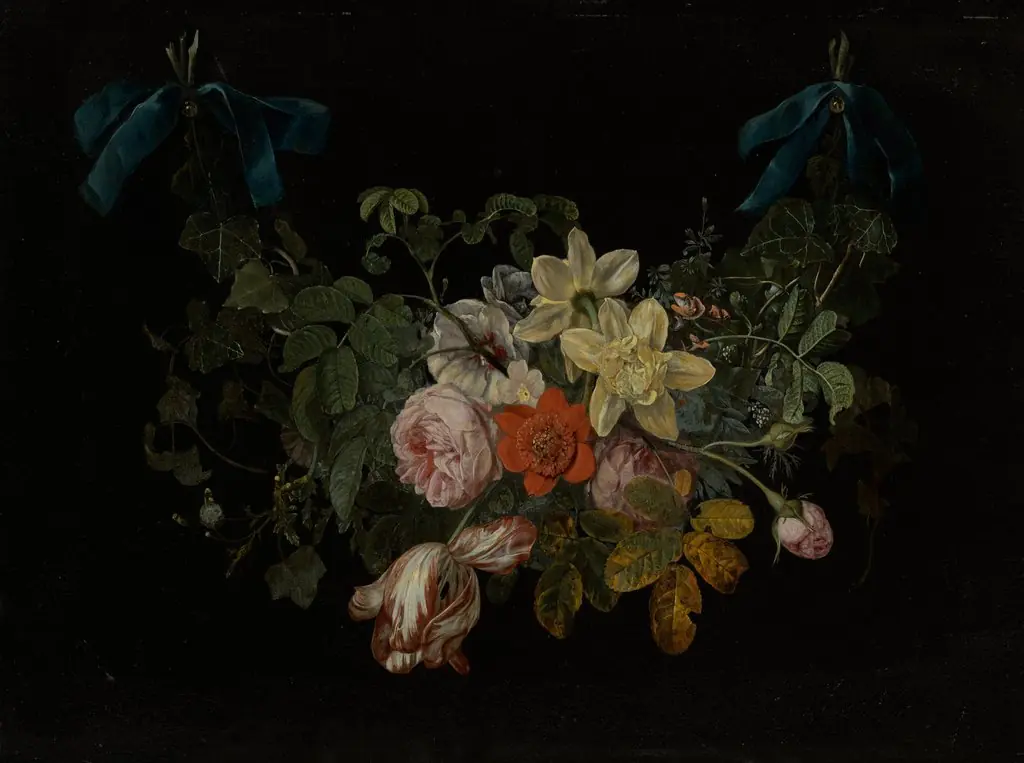 Blumengewinde an blauen Schleifen
 Flowers in a Vase
 Blomstrende planter