Artwork
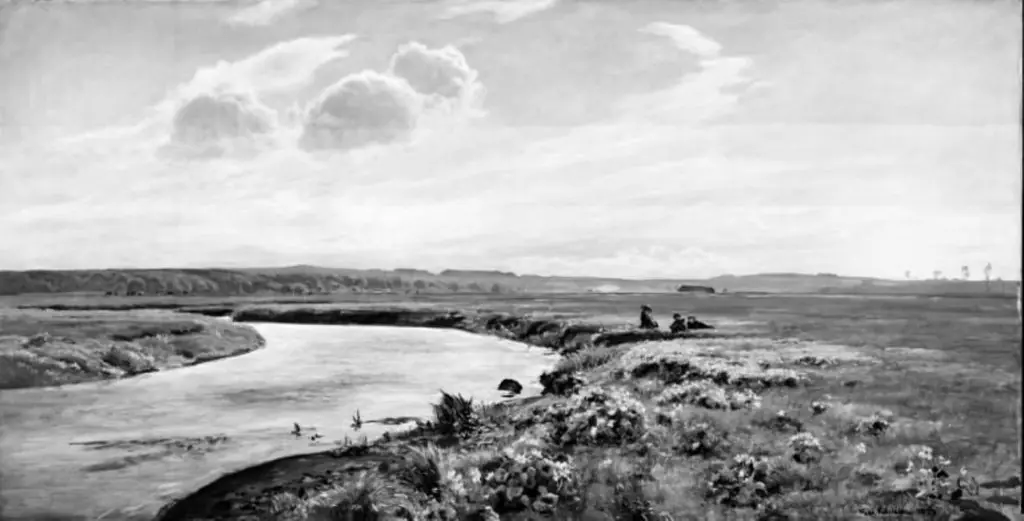
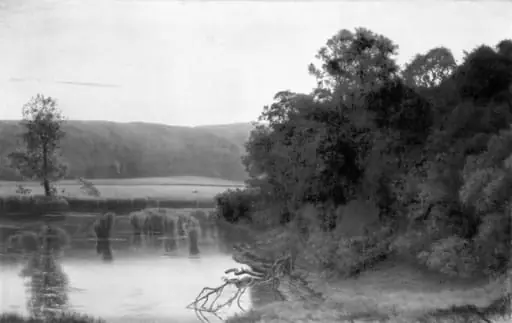
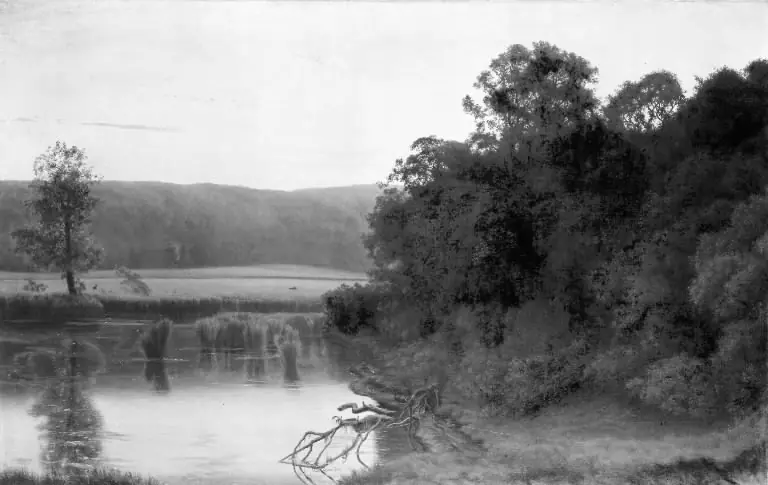
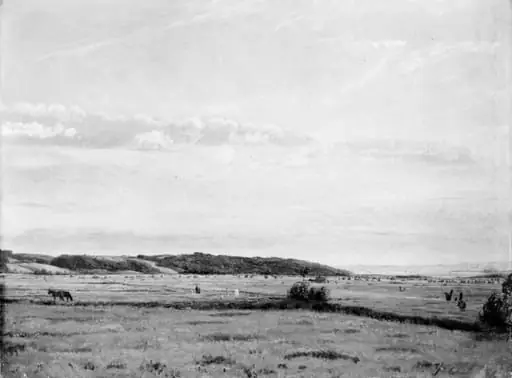
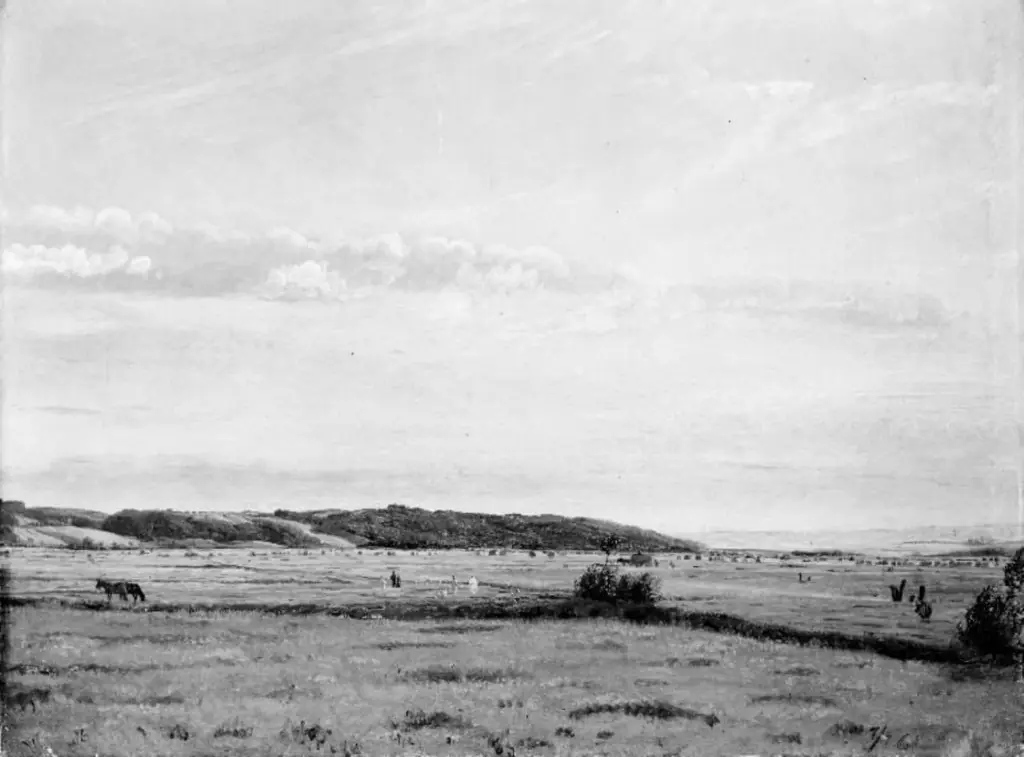
Landskab fra Vejleegnen. Stille sommerdag
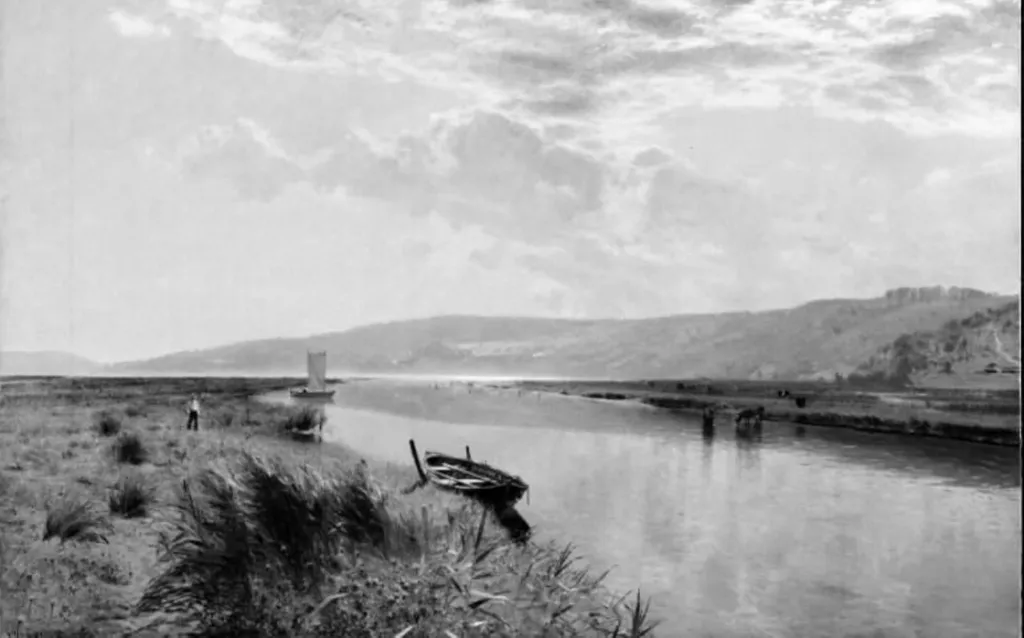
Landskab fra Vejleegnen. Stille sommerdag is a photography by the Impressionist artist Unknown. It dates from 1892 and is held in the collection of the Statens Museum for Kunst. Painted in 1892, Landskab fra Vejleegnen.
About this work
Overview
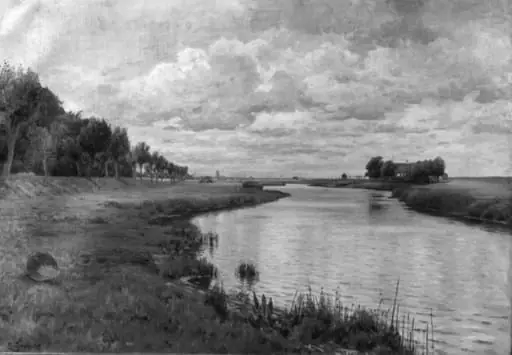
Painted in 1892, Landskab fra Vejleegnen. Stille sommerdag captures a tranquil riverside in the Vejle region of Denmark. Executed in oil on canvas, the work presents a quiet, unembellished moment in nature. It is currently held in the collection of the Museum of Ethnography, though its subject matter is secular and rooted in the Danish countryside rather than ethnographic themes.
Subject & Meaning
The scene depicts a solitary figure walking along a quiet riverbank, flanked by tall, wind-swept grass and two small boats—one beached, the other gently adrift.
The scene depicts a solitary figure walking along a quiet riverbank, flanked by tall, wind-swept grass and two small boats—one beached, the other gently adrift. The absence of human activity beyond the lone walker emphasizes solitude and stillness. The painting conveys no narrative or symbolism, instead offering a quiet meditation on the ordinary rhythms of rural life and the calm of a summer day.
Technique & Style
The artist employed soft, diffused lighting and muted tones to evoke a sense of atmospheric calm. Brushwork is restrained, with subtle transitions between land, water, and sky. The composition avoids dramatic contrasts, favoring a balanced, horizontal structure that reinforces the serenity of the moment. The style aligns with late 19th-century Danish Realism, prioritizing observational accuracy over idealization.
History & Provenance
Created in 1892, the painting entered the collection of the Museum of Ethnography shortly after its completion. Its presence there may reflect early institutional interest in documenting Danish rural life as part of broader cultural records. Despite its non-ethnographic subject, it has remained in the museum’s holdings without significant public exhibition history.
Context
This work emerged during a period when Danish artists increasingly turned to local landscapes as subjects, moving away from historical or mythological themes. The quiet, unpopulated scenes of the Vejle region reflected a national interest in authenticity and the everyday. Similar works by contemporaries sought to capture the emotional resonance of ordinary nature, often linked to broader European Realist movements.
Legacy
Though not widely reproduced or critically celebrated, the painting stands as a quiet example of Danish Realist landscape painting from the late 19th century. It contributes to a body of work that documented rural Denmark with sensitivity and restraint, preserving a visual record of a time and place before industrialization transformed the countryside.
Artist & collection

 Domestic Scene
 Giacomo and Cardinal Marco, investing Andrea, Abbot of San Zeno, with his Benefice
 The Nymph of Fontainebleau
 Portrait of a Woman
 Madonna and Child with Saints in the Enclosed Garden
 Venus and Minerva
 Family Group of Four on Sofa
 Wall painting from Room H of the Villa of P. Fannius Synistor at Boscoreale