Artwork
Loke styrtes i afgrunden af Hother
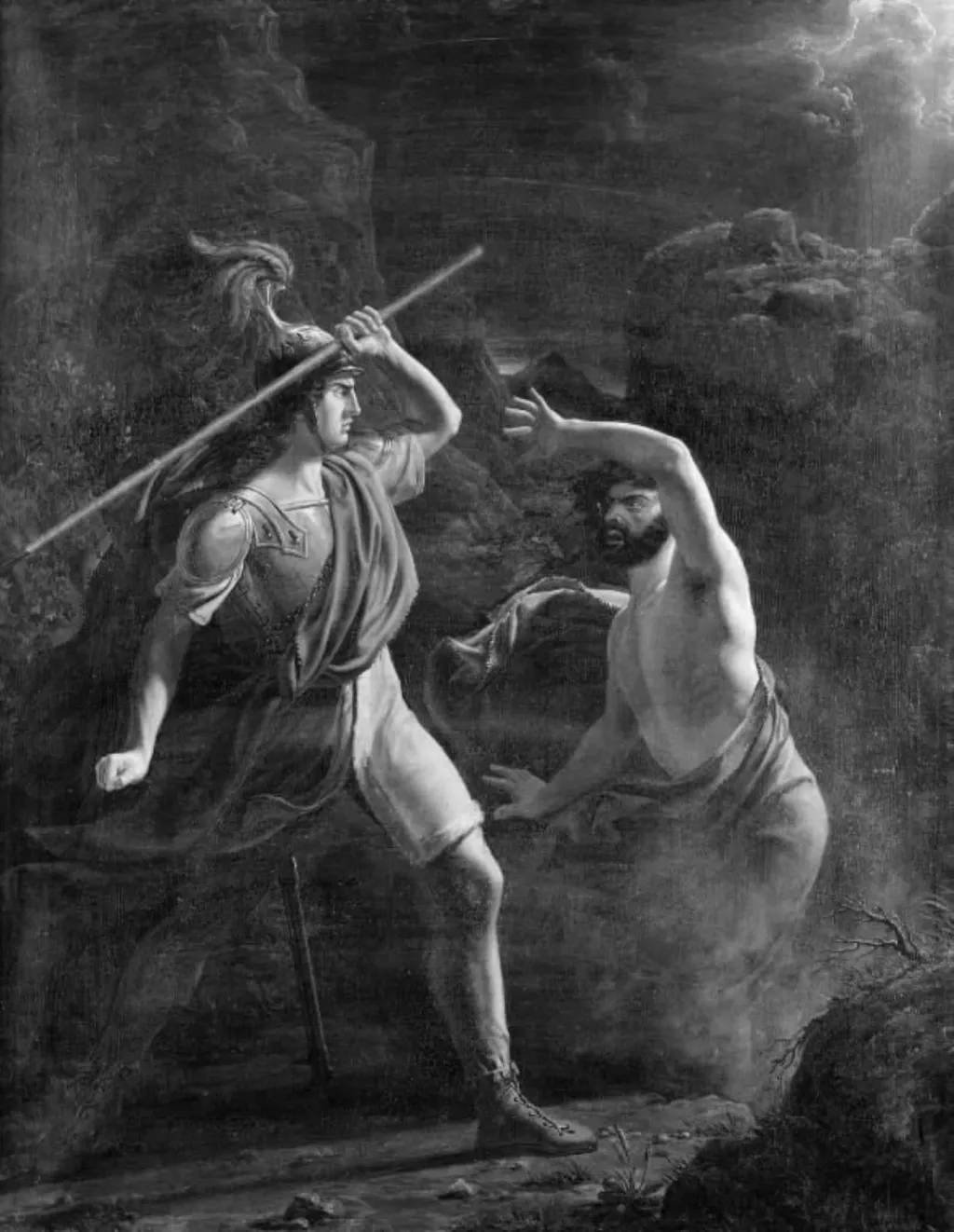
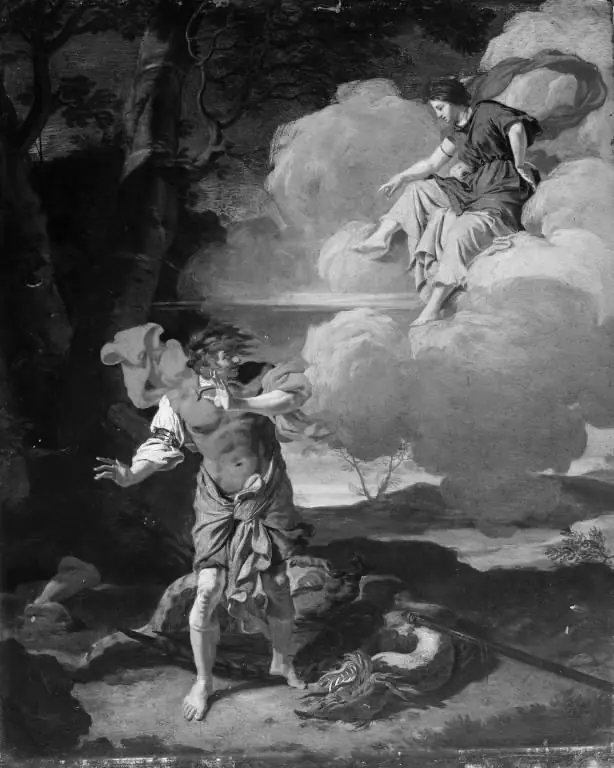
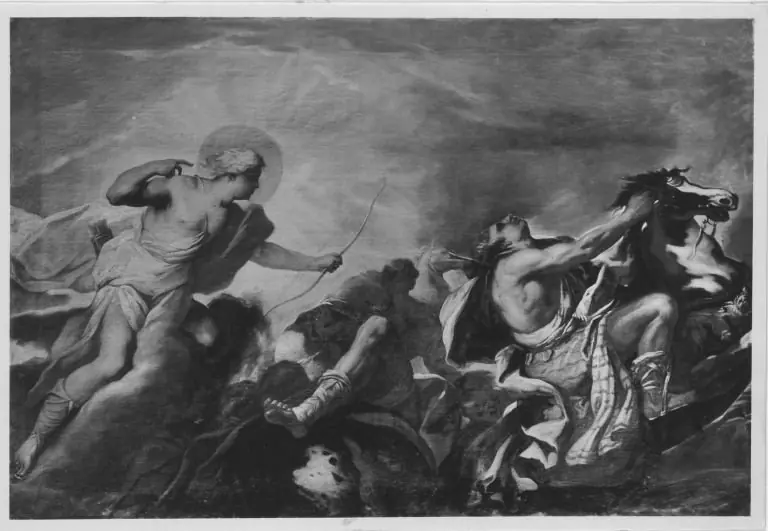
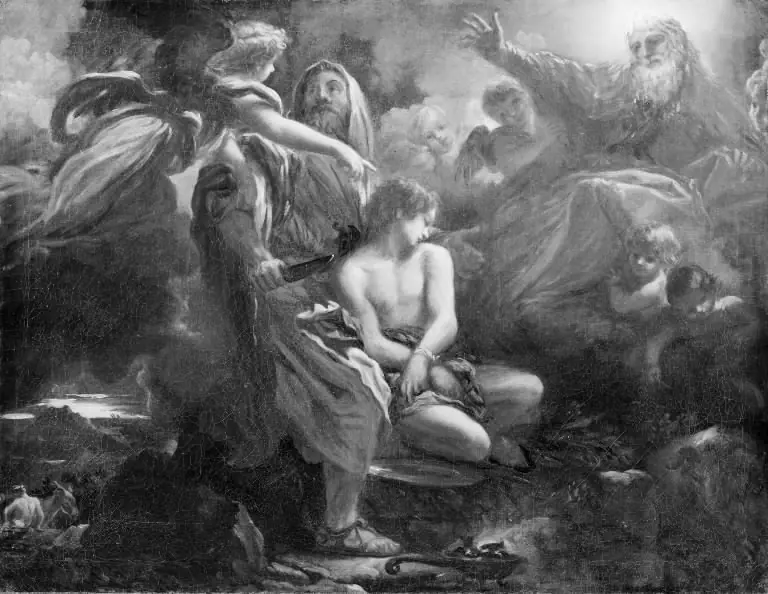
Loke styrtes i afgrunden af Hother is a photography by Unknown. It dates from 1825 and is held in the collection of the Statens Museum for Kunst. Created around 1825, this black-and-white photograph depicts a mythological confrontation between two figures.
About this work
Overview
The stark contrast between light and shadow dominates the visual impact, drawing attention to the physical tension between the two figures.
Created around 1825, this black-and-white photograph depicts a mythological confrontation between two figures. The image is held in the collection of the Museum of Ethnography. Though labeled as an image, its composition suggests a staged theatrical scene rather than a documentary record. The stark contrast between light and shadow dominates the visual impact, drawing attention to the physical tension between the two figures.
Subject & Meaning
The scene illustrates a moment from Norse mythology in which the god Loke is overpowered by Hother, a mortal hero. The armored figure represents Loke, often associated with chaos, while the bare-chested opponent embodies Hother, the destined slayer. The confrontation symbolizes the inevitable downfall of trickster figures through mortal resolve. The dramatic pose and focused lighting reinforce the narrative weight of this mythic defeat.
Technique & Style
The image employs chiaroscuro to heighten emotional intensity, with sharp illumination on the figures’ torsos and faces contrasting against a dark, indistinct background. The armored figure’s twisted posture conveys force in motion, while the other’s crouched stance suggests evasion and readiness. Textures of fabric and skin are rendered with clarity, though the environment remains blurred, directing focus entirely to the human drama.
History & Provenance
The photograph was produced in the early 19th century, likely as part of a scholarly or artistic effort to visualize Norse legends. It entered the Museum of Ethnography’s collection in the decades following its creation, where it was preserved as an example of how mythological narratives were interpreted through contemporary visual media. Its origin as a staged performance remains undocumented.
Context
During the 1820s, European interest in Nordic folklore surged, fueled by Romanticism’s fascination with ancient heroism and pagan traditions. This image reflects that cultural moment, translating myth into a photographic format that mimicked theatrical staging. It aligns with broader efforts to reconstruct and preserve oral traditions through visual representation, even when historical accuracy was secondary to symbolic expression.
Legacy
The photograph endures as a rare early attempt to capture Norse myth in a photographic medium. Though not widely exhibited, it remains a significant artifact in the study of how mythology was visually reimagined in the 19th century. Its stylistic choices influenced later illustrators and ethnographers seeking to convey mythic narratives with emotional immediacy through controlled lighting and gesture.
Artist & collection

 Domestic Scene
 Giacomo and Cardinal Marco, investing Andrea, Abbot of San Zeno, with his Benefice
 The Nymph of Fontainebleau
 Portrait of a Woman
 Madonna and Child with Saints in the Enclosed Garden
 Venus and Minerva
 Family Group of Four on Sofa
 Wall painting from Room H of the Villa of P. Fannius Synistor at Boscoreale