Artwork
A Building near Tor di Quinto outside Rome
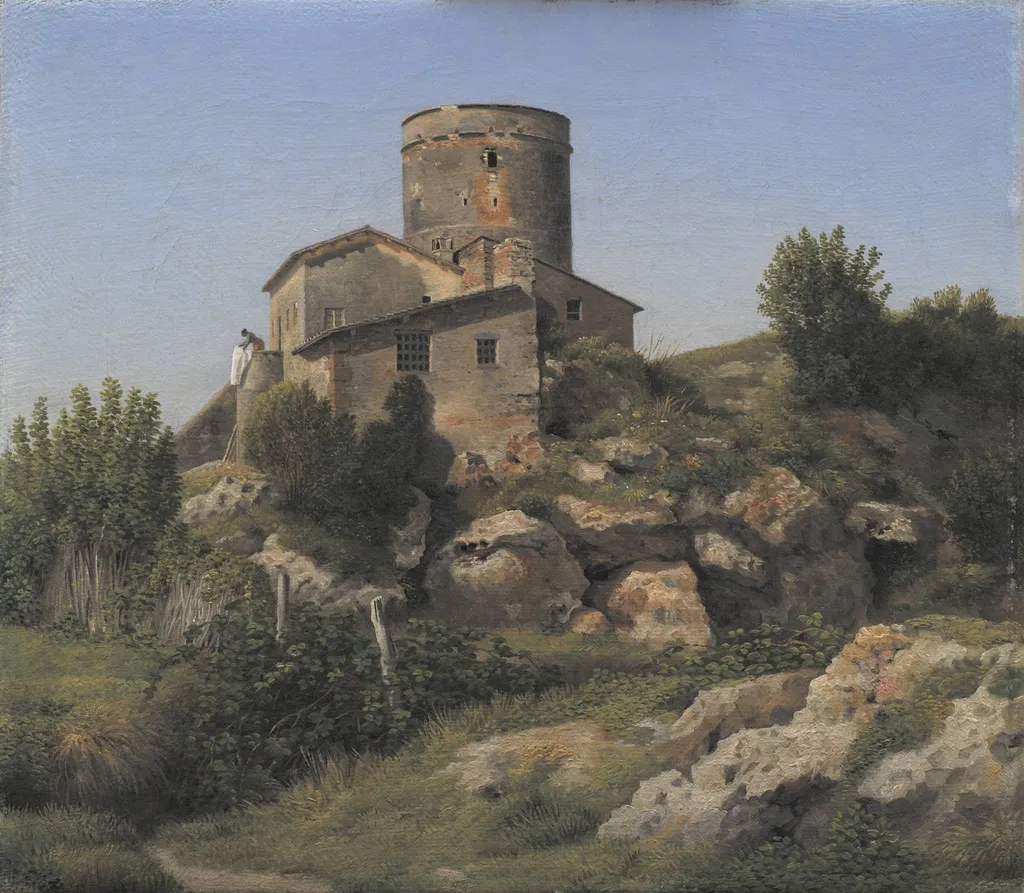
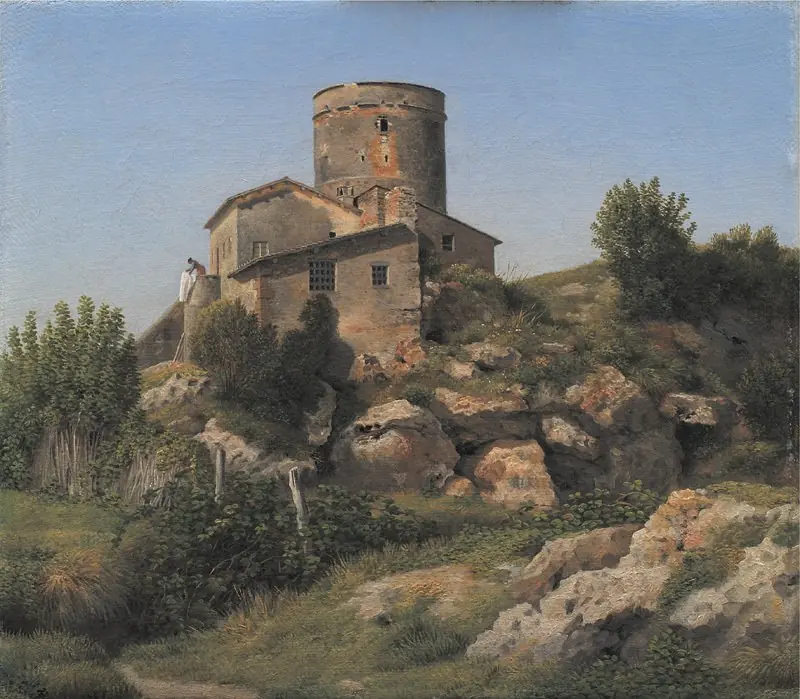
A Building near Tor di Quinto outside Rome is a photography by the Romanticist artist Unknown artist. It is held in the collection of the Statens Museum for Kunst. This painting depicts a solitary stone structure on a hillside near Tor di Quinto, outside Rome.
About this work
Overview
This painting depicts a solitary stone structure on a hillside near Tor di Quinto, outside Rome. Though attributed to Xun Xu, a Chinese official and artist of the third century, the date of 1815 and location are historically inconsistent with his lifetime. The work is cataloged in the Museum of Ethnography, but its origins and authorship remain unverified by scholarly sources.
Subject & Meaning
The scene centers on a weathered building with a tall cylindrical tower and a smaller adjacent roof, perched precariously on rocky terrain.
The scene centers on a weathered building with a tall cylindrical tower and a smaller adjacent roof, perched precariously on rocky terrain. A solitary figure stands at the edge, suggesting contemplation or solitude. The ruins, overgrown with vegetation, evoke themes of time, abandonment, and the quiet persistence of nature—common motifs in 19th-century European landscape traditions, though not in early Chinese art.
Technique & Style
Brushwork is deliberately uneven, emphasizing texture through rough strokes that mimic moss, cracked stone, and tangled undergrowth. Soft, diffused light defines the building’s contours without harsh shadows, enhancing the sense of age and stillness. The pale blue sky and distant trees frame the ruin in a calm, atmospheric space, prioritizing mood over topographical accuracy.
History & Provenance
The painting is listed as held by the Museum of Ethnography, but no verifiable records link it to Xun Xu, who died in 271 CE—over 1500 years before the stated date of 1815. The attribution appears to be a modern error, possibly conflating Chinese artistic traditions with European Romantic landscape painting. Its true origin and creator remain undocumented.
Context
The composition resembles European Romantic-era depictions of classical ruins, popular in the early 1800s as expressions of melancholy and the sublime. Such works often idealized decay as a poetic contrast to industrial progress. This painting’s style and subject align more closely with Western 19th-century aesthetics than with any known tradition of Chinese painting from the Jin dynasty.
Legacy
Despite its questionable provenance, the painting continues to circulate in institutional records, illustrating how misattributions can persist in museum collections. It serves as a case study in the challenges of cross-cultural art classification and the risks of imposing narrative frameworks onto works whose origins are unclear.
Artist & collection
Artist
Xun Xu (c. 221 – 289), courtesy name Gongzeng, was a Chinese musician, painter, politician, and writer who lived during the late Three Kingdoms period and early Jin dynasty of China. Born in the influential Xun family,…

 Portrait of Emilie Henriette Massmann, Betrothed of Frederik Wilhelm Caspar von Benzon
 Landscape with Trees near Paris
 Linear Perspective as Applied in Painting - Plate VII, 1 - A Street Corner Encounter
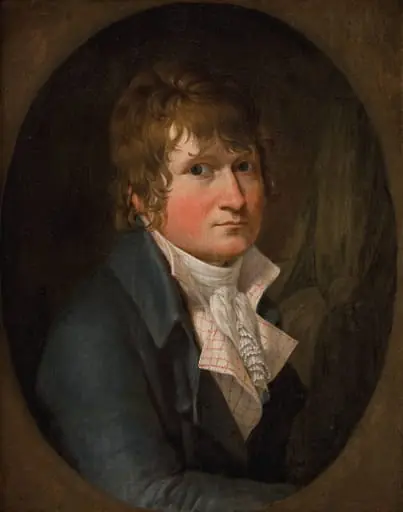 Self-Portrait
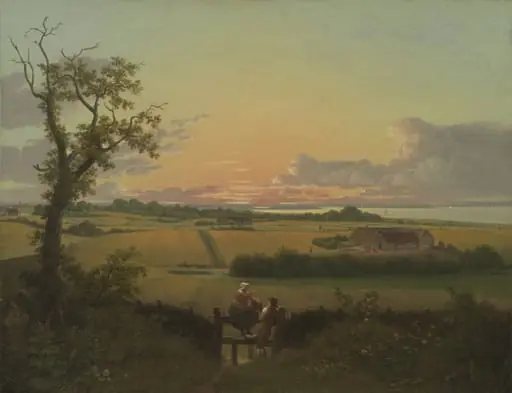 Landscape with a Stile. The Isle of Møn
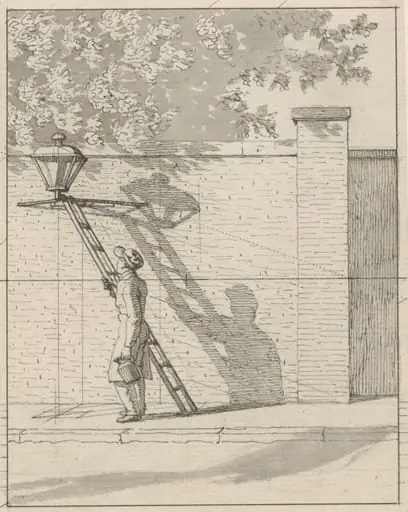 Linear Perspctive as Applied in Painting - Plate VI. The Street Lamp on the Garden Wall, Daylight
 Study of a Wood
 Study of Clouds over the Sea
 Châteauvieux-sur-Suran
 Châteauvieux-sur-Suran
 Porta Angelica and Part of the Vatican
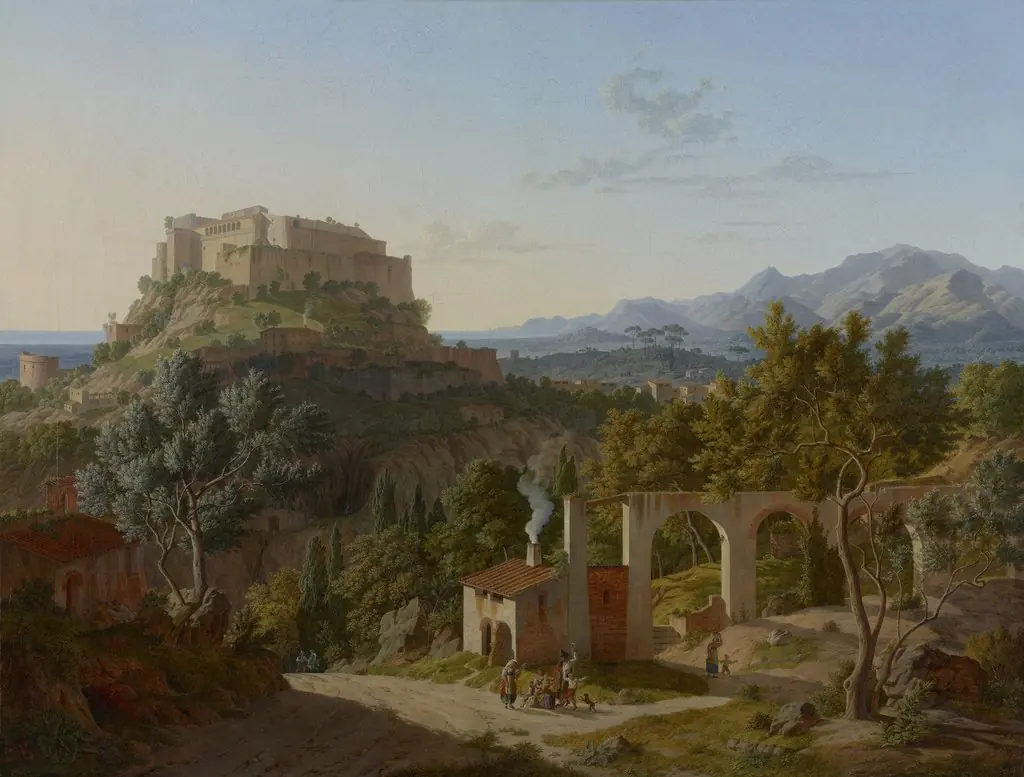 Landscape with the Castle of Massa di Carrara
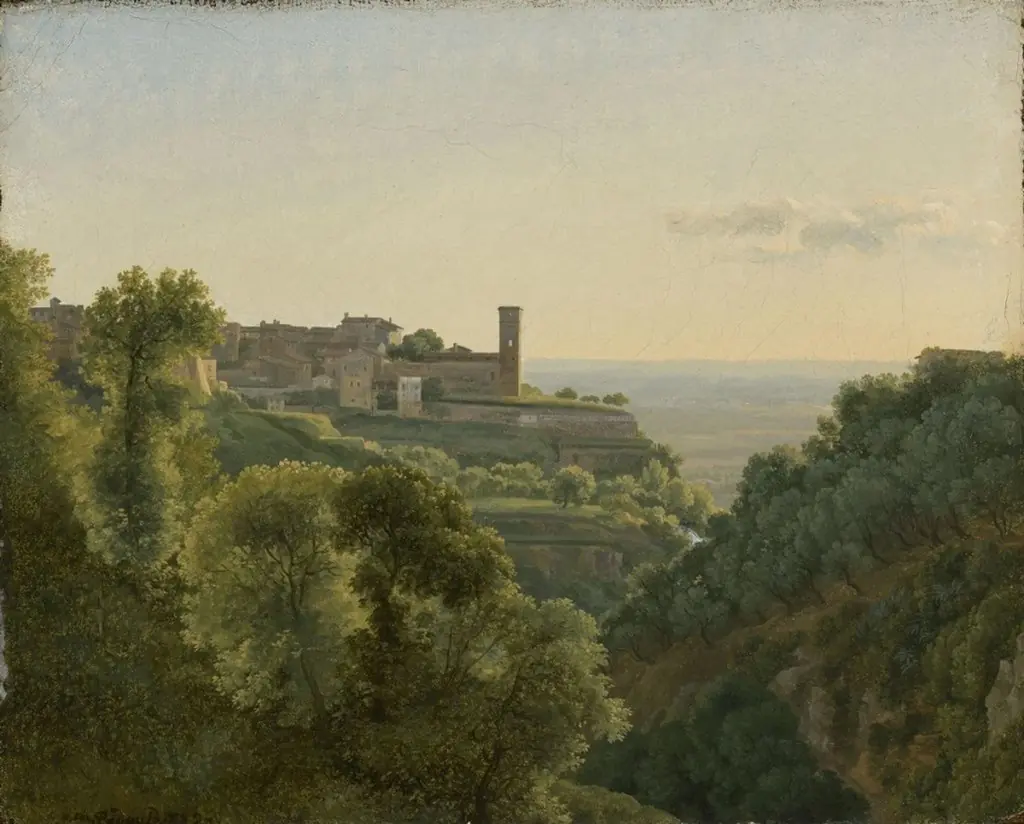 View of Tivoli
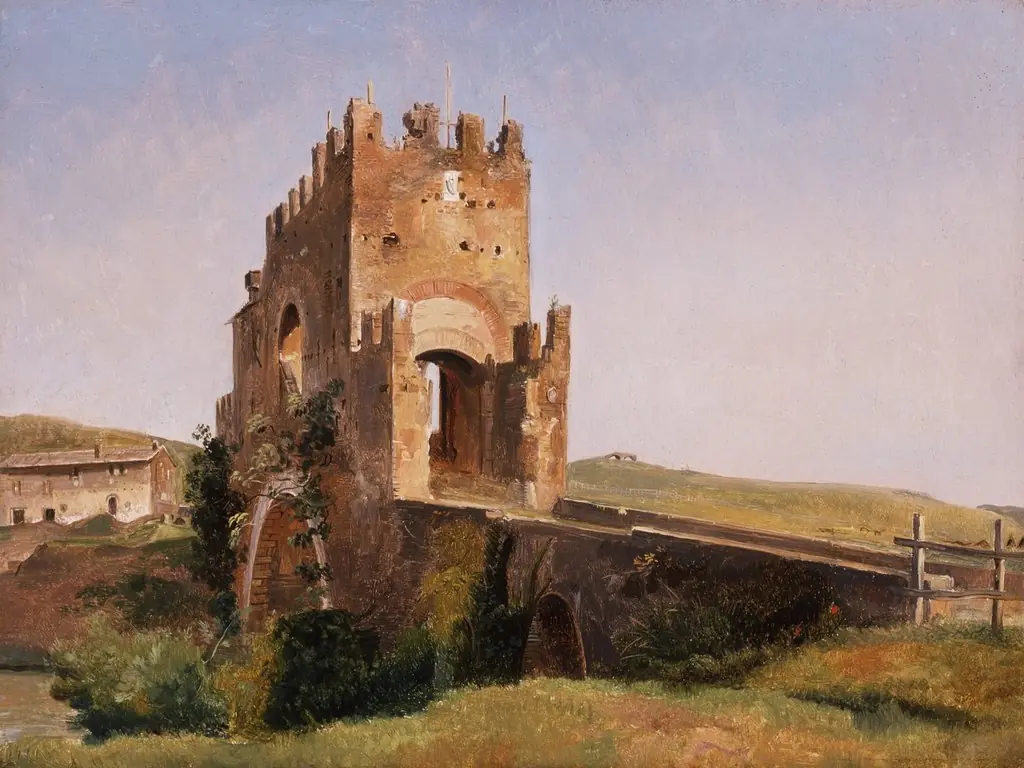 View of the Ponte Nomentano (Roman Campagna)
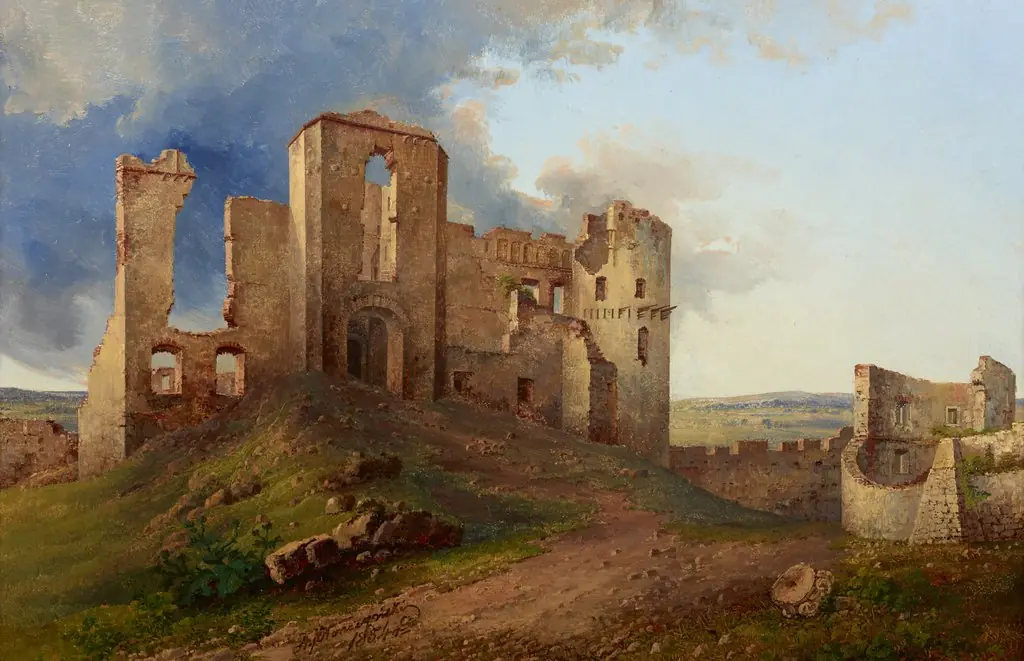 Ruins of the Tenczyn Castle
 View of Ariccia
 Italian landscape
 Umgebung der Ruine Habsburg
 Sant'Agnese fuori le mura, Rome
 A Building near Tor di Quinto outside Rome