Artwork
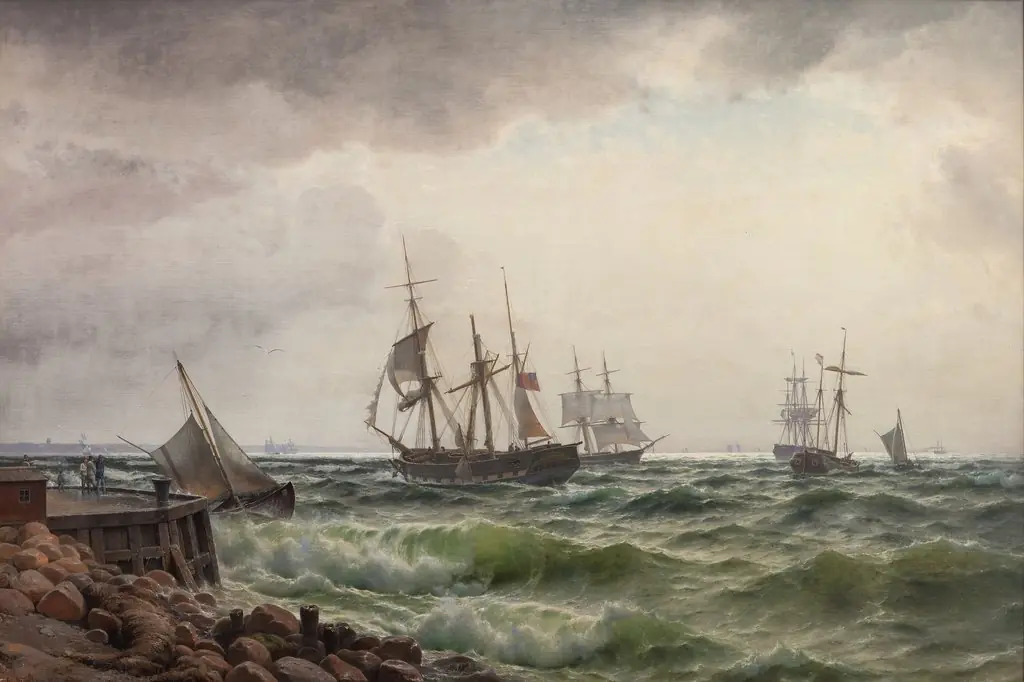
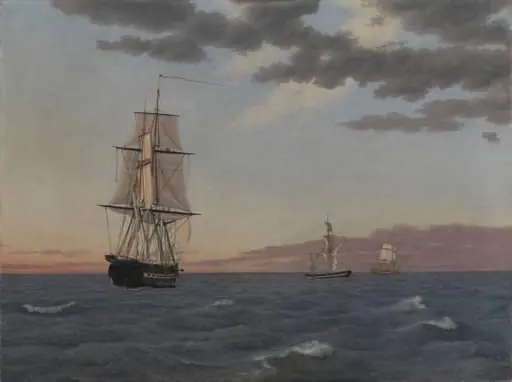
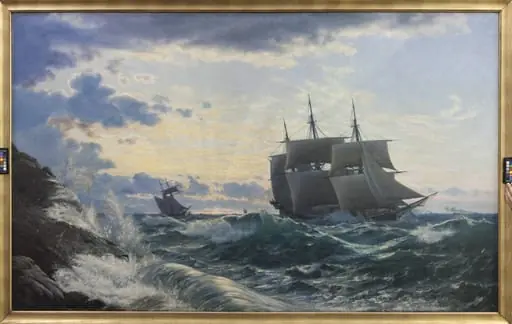
A Corvette Reefing Sails in a Freshening Wind and some other Ships
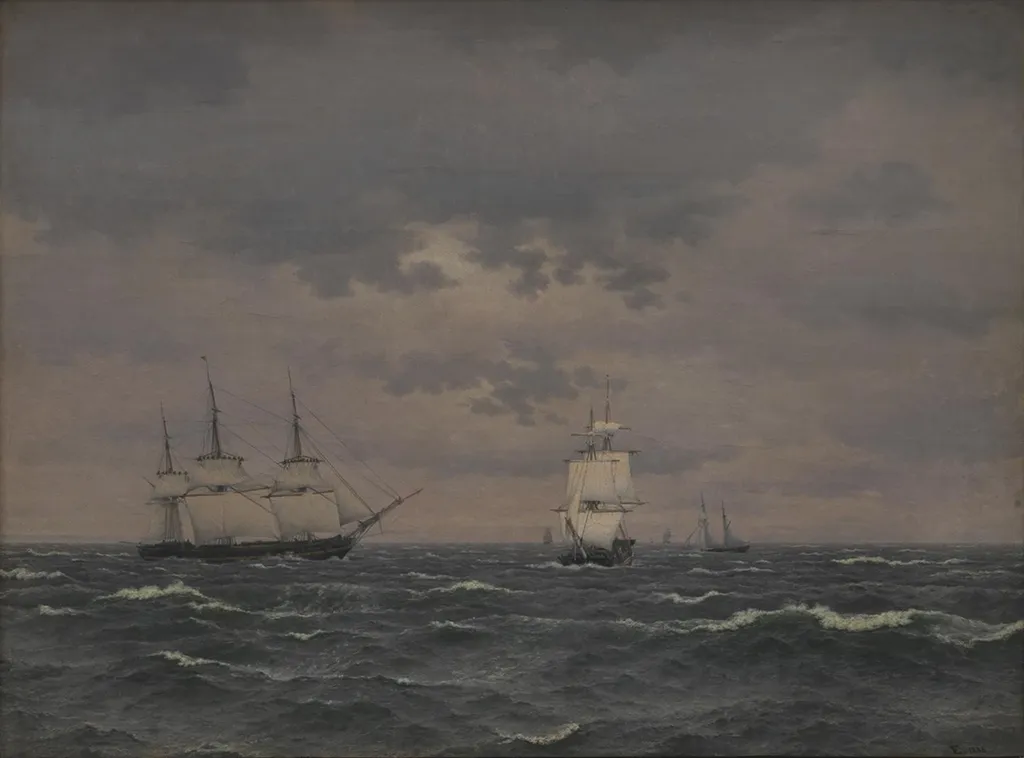
A Corvette Reefing Sails in a Freshening Wind and some other Ships is a photography by the Romanticist artist Unknown artist. It is held in the collection of the Statens Museum for Kunst. This marine painting, attributed to Xun Xu, depicts a fleet of traditional Chinese vessels navigating turbulent seas.
About this work
Overview
This marine painting, attributed to Xun Xu, depicts a fleet of traditional Chinese vessels navigating turbulent seas.
This marine painting, attributed to Xun Xu, depicts a fleet of traditional Chinese vessels navigating turbulent seas. Created in 1836, it belongs to the collection of the Museum of Ethnography. Though often described as a genre scene, its focus on natural forces and vessel dynamics aligns with broader East Asian traditions of depicting maritime life with observational precision rather than dramatic flourish.
Subject & Meaning
The central vessel is shown reefing its sails, a practical maneuver to reduce sail area in strengthening winds. Two smaller ships flank it, suggesting a coordinated response to changing conditions. The scene conveys no mythological or symbolic narrative; instead, it captures the routine labor of seafaring, emphasizing human adaptation to nature’s unpredictability through disciplined action.
Technique & Style
The artist employs ink and wash to render the sea’s agitation, using layered brushstrokes for wave texture and atmospheric depth. Dark, fluid tones dominate the water and sky, contrasted by the pale sliver of horizon light. Masts and rigging are rendered with fine, controlled lines, highlighting structural detail without ornamentation. The composition avoids idealization, favoring a restrained, documentary tone.
History & Provenance
Xun Xu, a scholar-official of the early Jin dynasty, was known for literary and administrative contributions, not visual art. The attribution of this work to him lacks documentary support and may reflect later association with his family’s prestige. The painting entered the Museum of Ethnography’s holdings in the 20th century, likely through regional collection efforts focused on maritime cultural artifacts.
Context
Produced during the Daoguang reign of the Qing dynasty, the painting reflects a period of increased maritime activity and coastal defense concerns. While Western Romanticism was dramatizing nature’s sublime power, Chinese artists like Xun Xu—wherever their authorship is confirmed—tended to depict seascapes with functional realism, rooted in bureaucratic and navigational records rather than emotional expression.
Legacy
The painting remains a rare example of 19th-century Chinese marine imagery preserved in a museum context. It contributes to scholarly understanding of how Chinese officials engaged with maritime themes, not as artists in the Western sense, but as observers of practical seafaring life. Its preservation underscores the value placed on documenting naval customs within imperial administrative culture.
Artist & collection
Artist
Xun Xu (c. 221 – 289), courtesy name Gongzeng, was a Chinese musician, painter, politician, and writer who lived during the late Three Kingdoms period and early Jin dynasty of China. Born in the influential Xun family,…

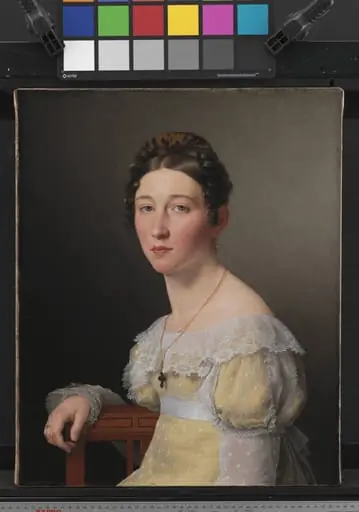 Portrait of Emilie Henriette Massmann, Betrothed of Frederik Wilhelm Caspar von Benzon
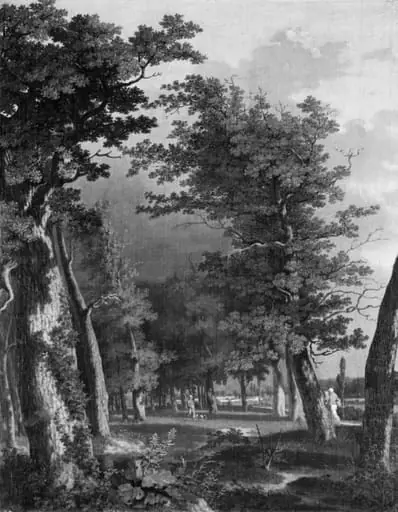 Landscape with Trees near Paris
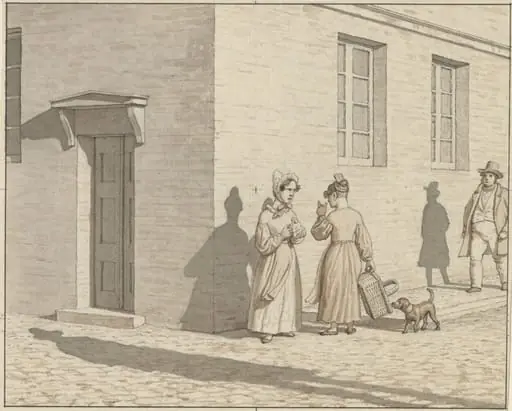 Linear Perspective as Applied in Painting - Plate VII, 1 - A Street Corner Encounter
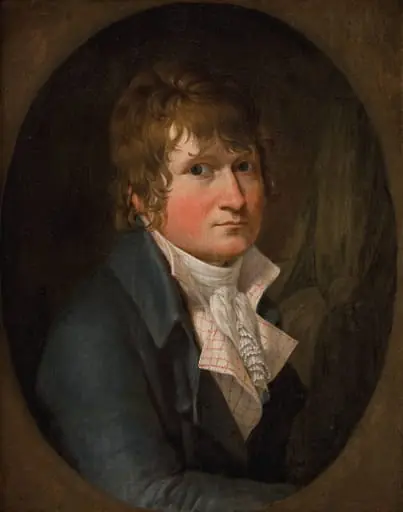 Self-Portrait
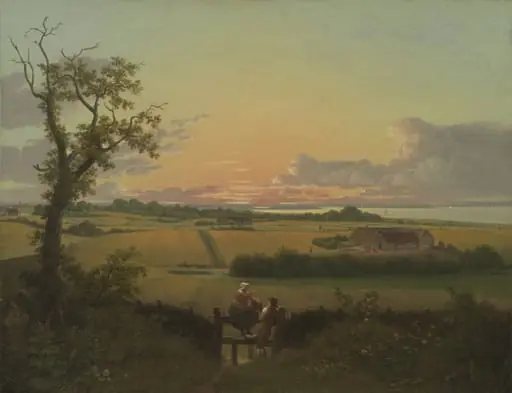 Landscape with a Stile. The Isle of Møn
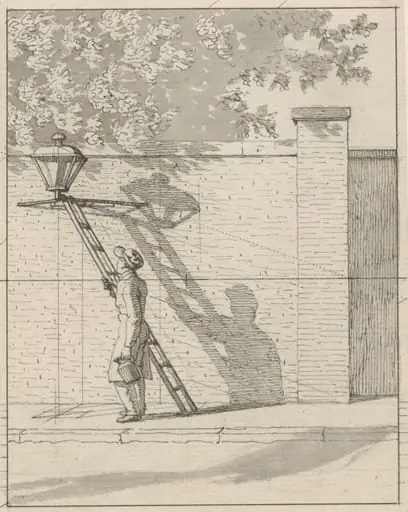 Linear Perspctive as Applied in Painting - Plate VI. The Street Lamp on the Garden Wall, Daylight
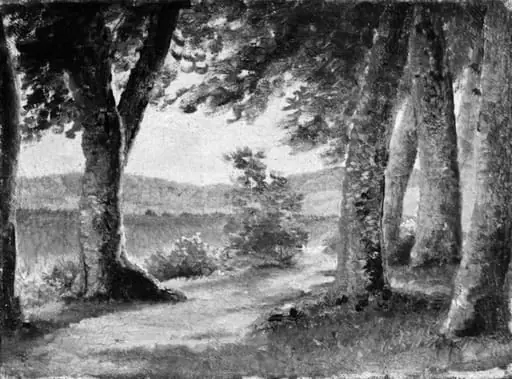 Study of a Wood
 Study of Clouds over the Sea
 Marine
 Skibe under land efter en byge
 Skibe under land efter en byge
 The Corvette "Galathea" Lying to in order to Send Help to the Brig "St Jean"
 Marine
 Linieskibet "Valdemar" krydser Sundet ind for en frisk bramsejlskuling
 A Seascape. The coast of the Island of Rügen in Evening Light
 Skibe som morgenen efter en storm klarer landet for sig