Artwork
Fantastic Tomb in a Cave
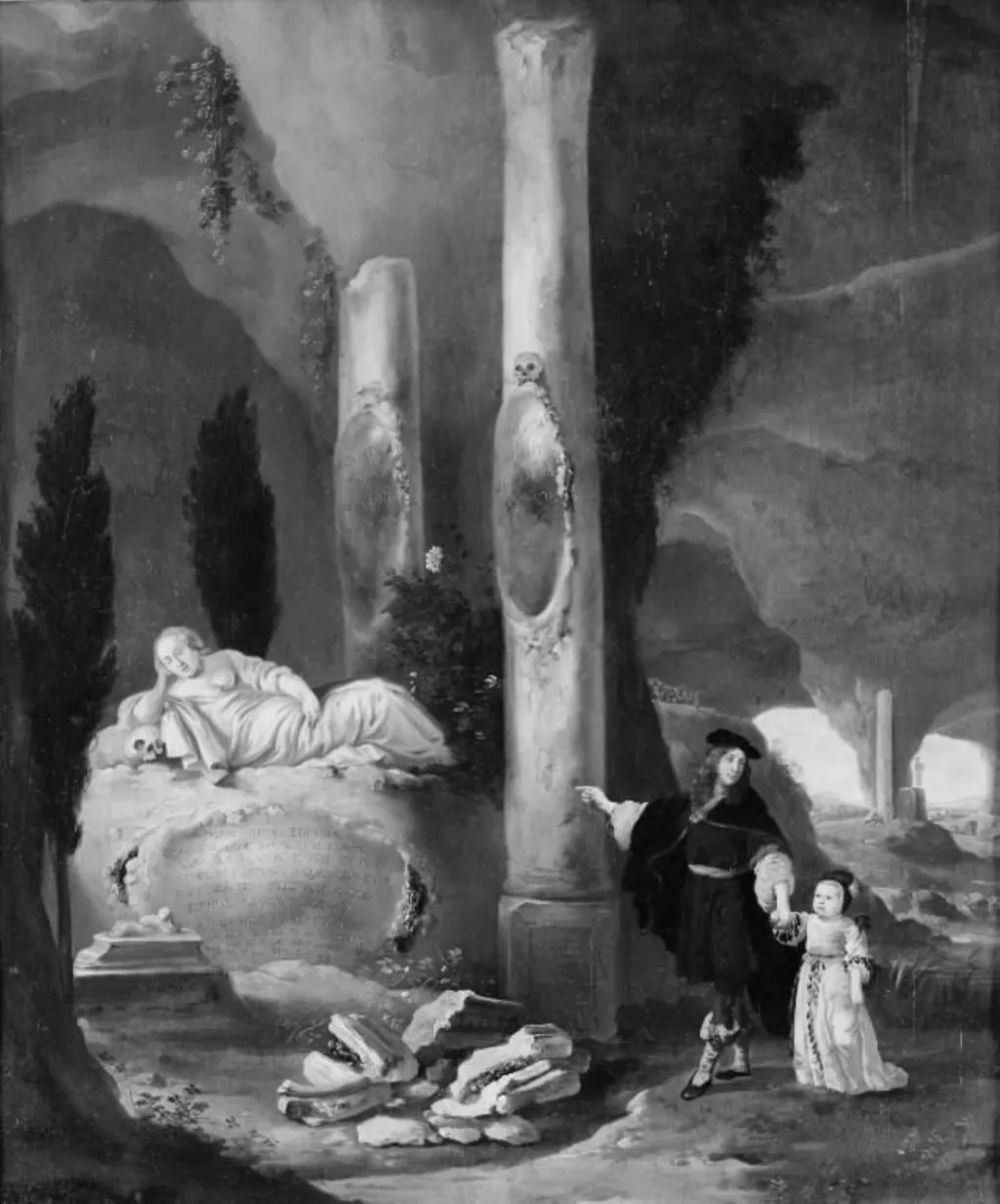
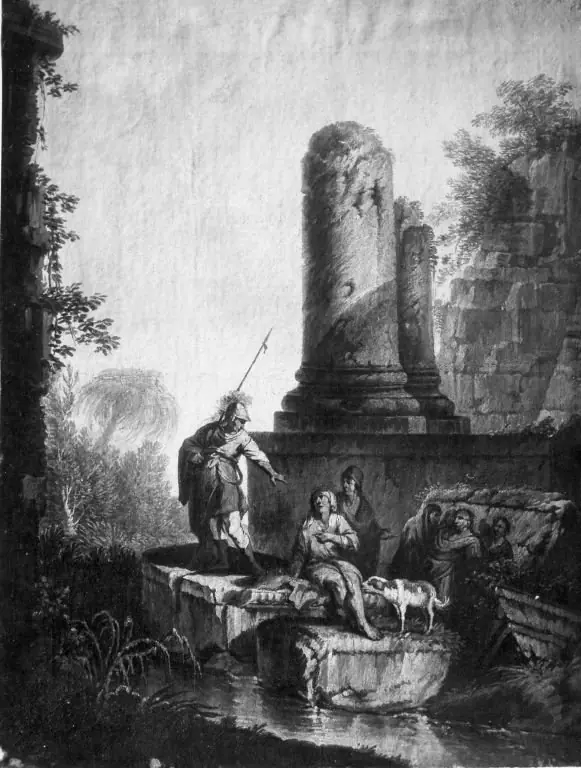
Fantastic Tomb in a Cave is a photography by Unknown. It dates from 1655 and is held in the collection of the Statens Museum for Kunst. Created around 1655, this image depicts a secluded cave containing a tomb, surrounded by natural elements like rocks and sparse vegetation.
About this work
Overview
Created around 1655, this image depicts a secluded cave containing a tomb, surrounded by natural elements like rocks and sparse vegetation.
Created around 1655, this image depicts a secluded cave containing a tomb, surrounded by natural elements like rocks and sparse vegetation. The scene is rendered with meticulous attention to detail, emphasizing textures and atmospheric depth. The palette is dominated by muted, earthy tones, with subtle contrasts highlighting figures and architectural forms. It is held in the collection of the Museum of Ethnography, where it is cataloged as a work by 30423_person.
Subject & Meaning
The composition centers on a recumbent figure atop a tomb, flanked by three individuals in period attire—a man, a woman, and a young girl—suggesting a ritual or mourning scene. Their positioning implies a moment of contemplation or ceremony, possibly tied to ancestral veneration. The cave setting evokes themes of mortality and the afterlife, common in early modern visual traditions that blended folklore with spiritual belief.
Technique & Style
The artist employed fine brushwork to render intricate details in clothing, rock surfaces, and foliage, creating a sense of tactile realism. Light is carefully modulated to define form without dramatic chiaroscuro, favoring a subdued, even illumination. The lack of overt perspective cues and the flattened spatial arrangement reflect a stylized approach, possibly influenced by regional narrative traditions rather than Renaissance naturalism.
History & Provenance
The work entered the Museum of Ethnography’s collection in the late 19th or early 20th century, though its earlier ownership remains undocumented. No records confirm its original commission or location of creation. Its survival suggests it may have been part of a private collection or acquired during ethnographic expeditions, but its precise journey from creation to museum remains unclear.
Context
This image aligns with a broader trend in 17th-century regional art that depicted mythic or ancestral themes in domestic or natural settings. While not tied to a known religious canon, its imagery resonates with folk narratives of death and remembrance prevalent in rural communities. The absence of overt religious symbols points to a localized, possibly secularized tradition of memorial representation.
Legacy
The work is not widely referenced in broader art historical discourse, and no direct influence on later artists has been established. It remains primarily significant as a rare visual record of early modern attitudes toward death and commemoration in its cultural milieu. Its value lies in its preservation of a specific, understudied visual language rather than its impact on artistic development.
Artist & collection

 Domestic Scene
 Giacomo and Cardinal Marco, investing Andrea, Abbot of San Zeno, with his Benefice
 The Nymph of Fontainebleau
 Portrait of a Woman
 Madonna and Child with Saints in the Enclosed Garden
 Venus and Minerva
 Family Group of Four on Sofa
 Wall painting from Room H of the Villa of P. Fannius Synistor at Boscoreale
 Seven Nymphs in a Grotto
 Seven Nymphs in a Grotto
 Italienisch-klassische Landschaft
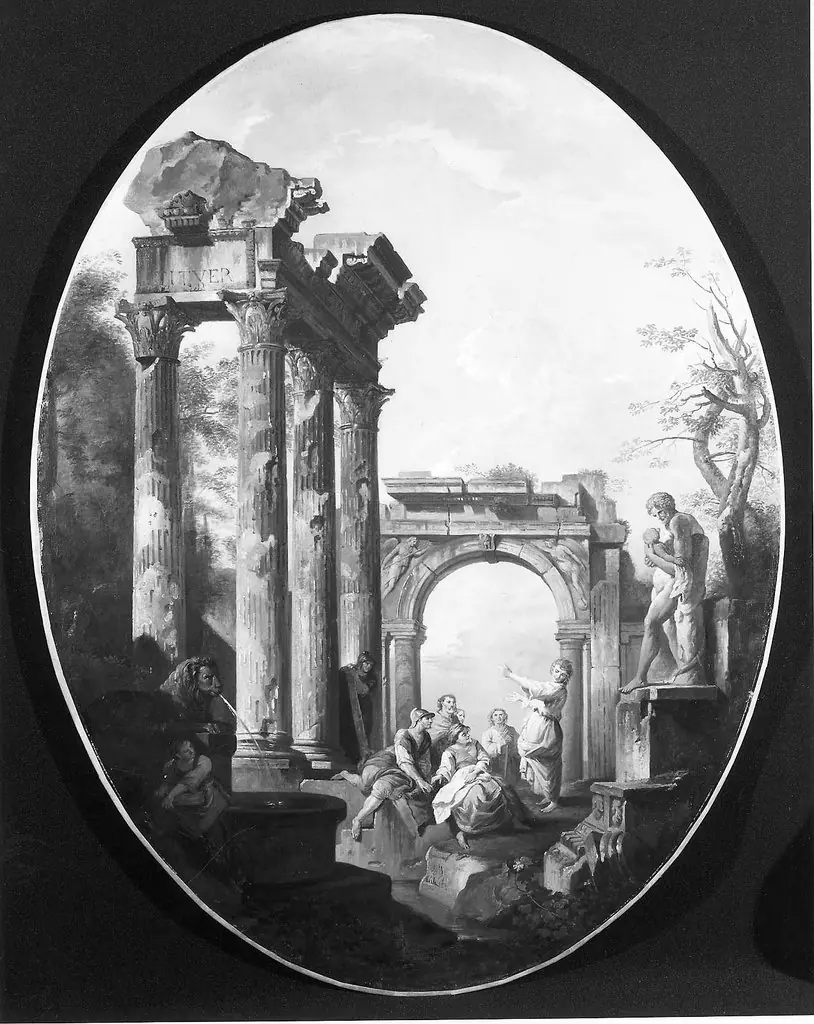 Capriccio of Roman Ruins with a Statue of Silenus and Dionysus
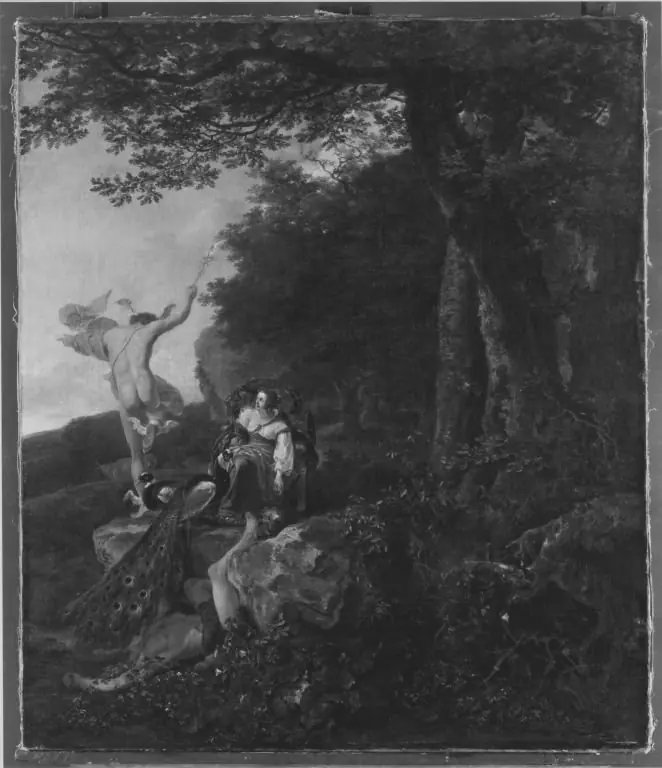 Landschaft mit Merkur, Juno und dem toten Argus
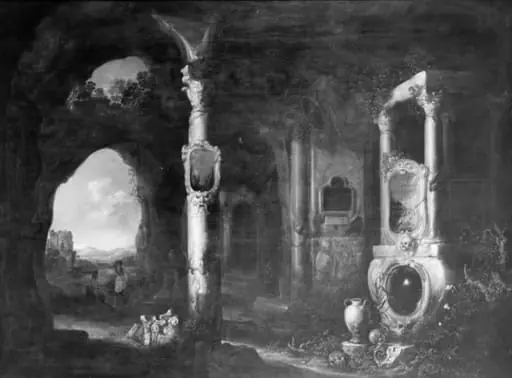 Grotto. Fantasy
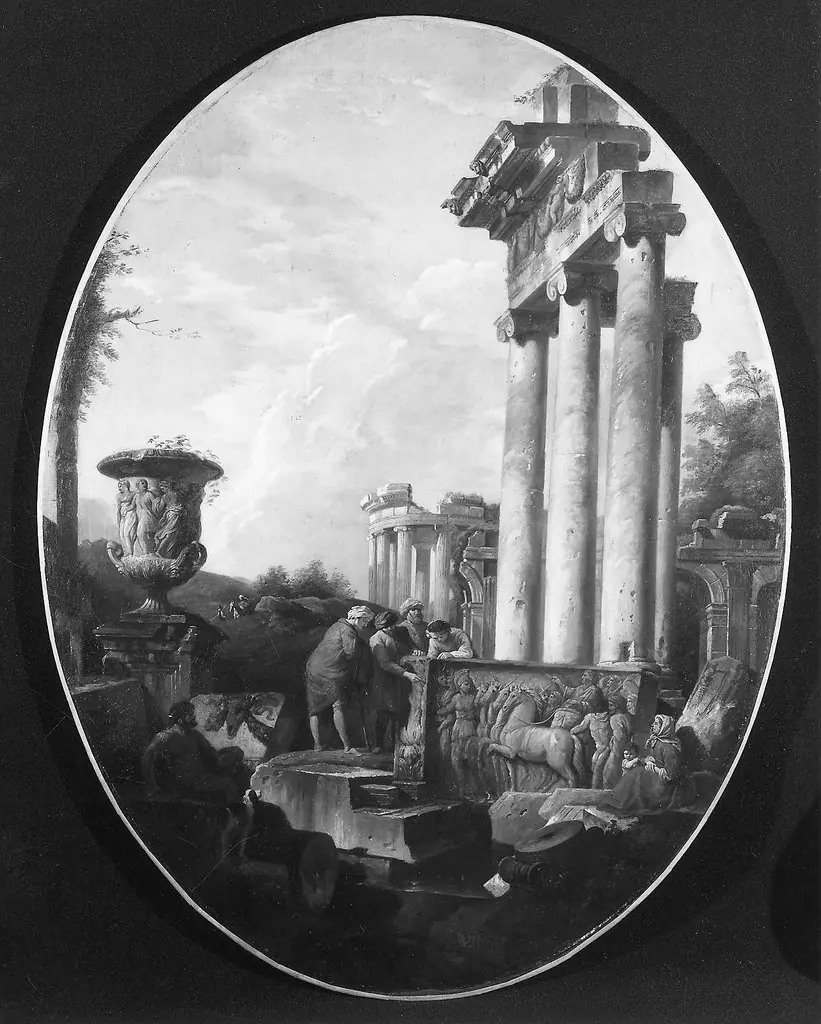 Capriccio of Roman Ruins with a Bas-Relief of a Charioteer
 Architekturbild mit zwei Bettlern, Soldat und Hund (Kopie nach)
 Faun and Nymph