Artwork
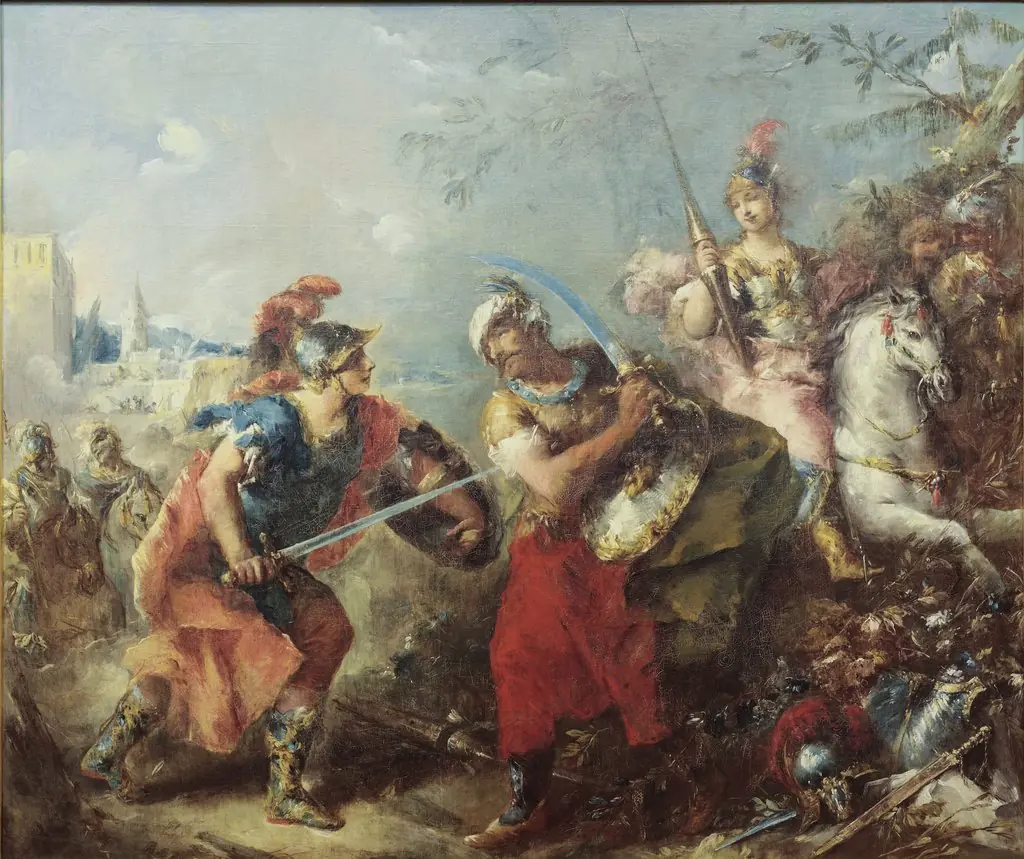
The Fight between Tancred and Argante With Clorinda in the Background
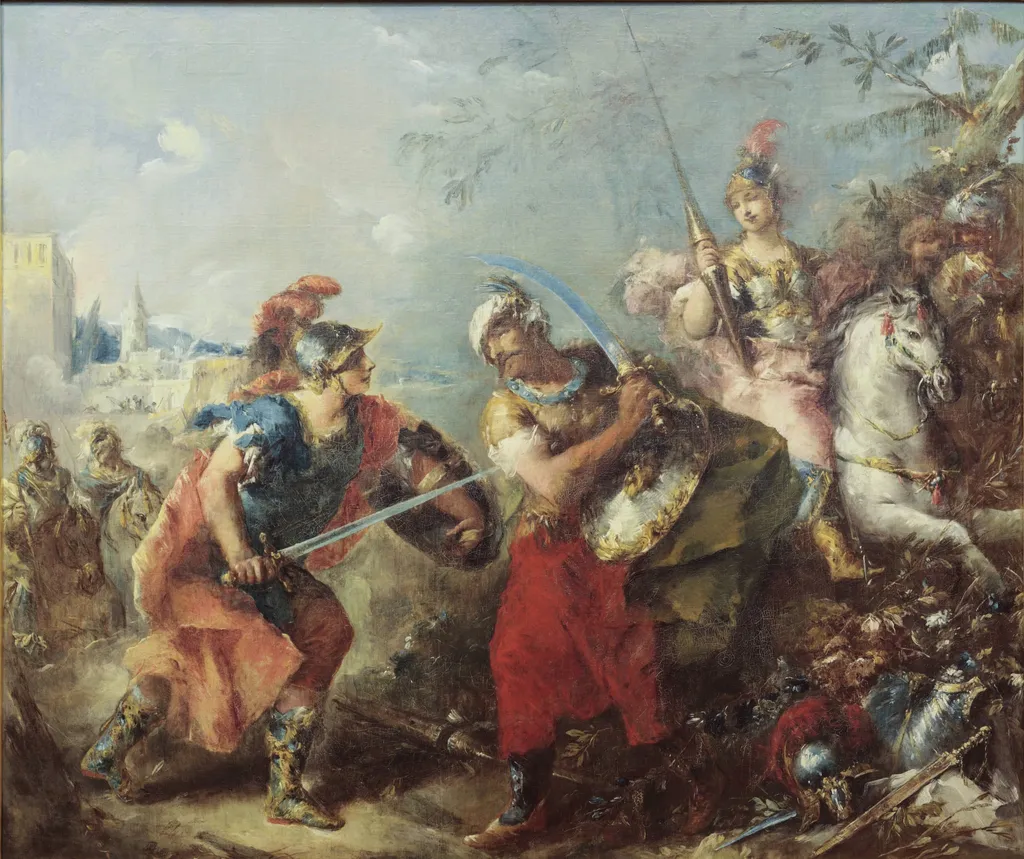
The Fight between Tancred and Argante With Clorinda in the Background is a photography by Unknown. It dates from 1750 and is held in the collection of the Statens Museum for Kunst. Painted around 1750, this work depicts a moment from the crusading epic of Torquato Tasso’s Gerusalemme Liberata.
About this work
Overview
Painted around 1750, this work depicts a moment from the crusading epic of Torquato Tasso’s Gerusalemme Liberata.
Painted around 1750, this work depicts a moment from the crusading epic of Torquato Tasso’s Gerusalemme Liberata. It captures a confrontation between two knights, Tancred and Argante, with Clorinda observing from behind. Executed in oil on canvas, the painting is part of the Museum of Ethnography’s collection, though its subject draws from European literary tradition rather than non-European cultures.
Subject & Meaning
The scene illustrates a pivotal episode from Tasso’s poem, where Tancred, a Christian knight, battles Argante, a pagan warrior, unaware that Clorinda—whom Tancred loves—is fighting on the opposing side. Her presence in the background, poised yet detached, introduces a layer of tragic irony. The moment reflects themes of identity, duty, and unintended violence amid religious conflict.
Technique & Style
The artist employs dynamic brushwork and vivid color contrasts to heighten the tension of the clash. Figures are rendered with muscular tension, their armor and cloaks catching light sharply against darker backgrounds. Chiaroscuro is used to model forms and direct focus, while the hazy cityscape and scattered figures in the distance suggest scale and chaos beyond the central duel.
History & Provenance
The painting’s origins are tied to 18th-century European interest in literary and historical subjects drawn from classical and medieval epics. It entered the Museum of Ethnography’s holdings in the late 19th or early 20th century, likely through a private collection. Its classification within an ethnographic institution reflects historical curatorial practices that sometimes grouped all non-contemporary imagery under broad cultural categories.
Context
During the mid-18th century, scenes from Tasso’s Gerusalemme Liberata were popular among artists across Europe, particularly in regions with strong Catholic traditions. The poem’s blend of chivalry, romance, and religious struggle resonated with Enlightenment-era audiences. This painting aligns with a broader trend of visualizing literary narratives as moral or emotional dramas rather than strict historical records.
Legacy
Though not widely reproduced or studied today, the painting remains a representative example of how 18th-century artists interpreted Renaissance literature through Baroque visual language. Its presence in an ethnographic museum underscores shifting institutional frameworks and the evolving understanding of cultural categorization in art history.
Artist & collection

 Domestic Scene
 Giacomo and Cardinal Marco, investing Andrea, Abbot of San Zeno, with his Benefice
 The Nymph of Fontainebleau
 Portrait of a Woman
 Madonna and Child with Saints in the Enclosed Garden
 Venus and Minerva
 Family Group of Four on Sofa
 Wall painting from Room H of the Villa of P. Fannius Synistor at Boscoreale
 Battle
 Queen Zenobia before the Emperor Aurelian
 The Meeting of David and Abigail
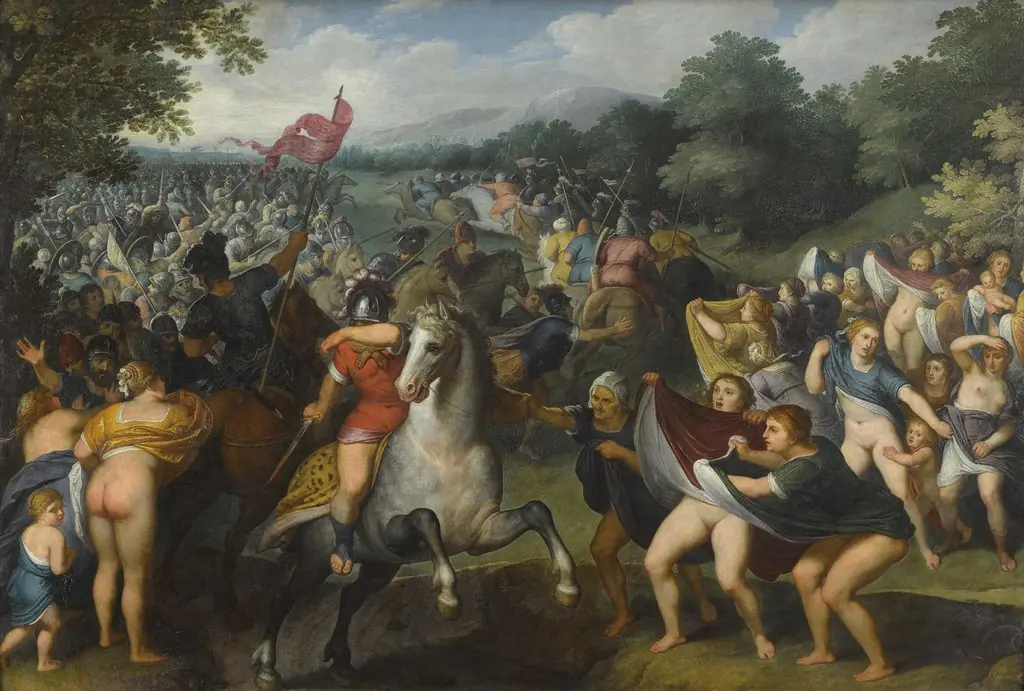 The Persian women
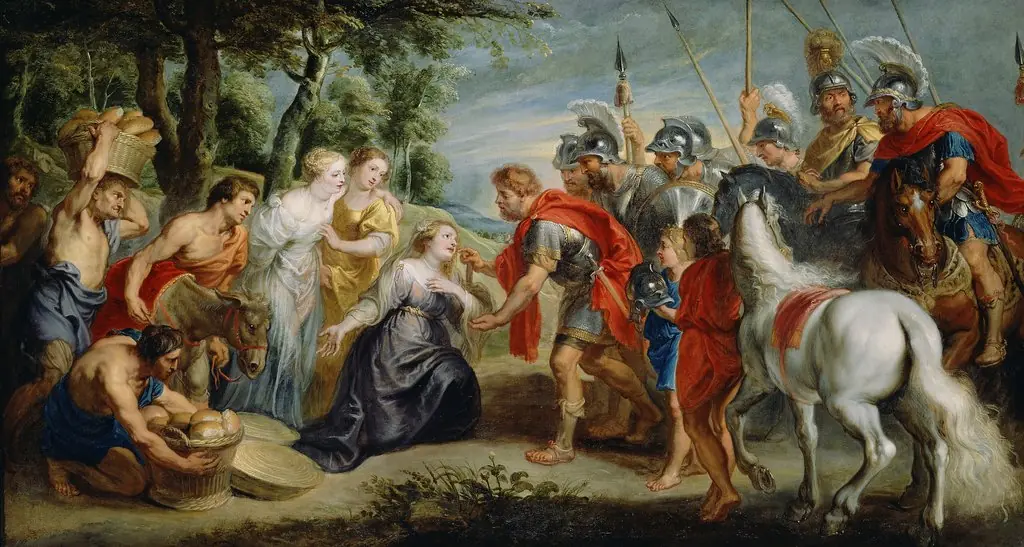 David Meeting Abigail
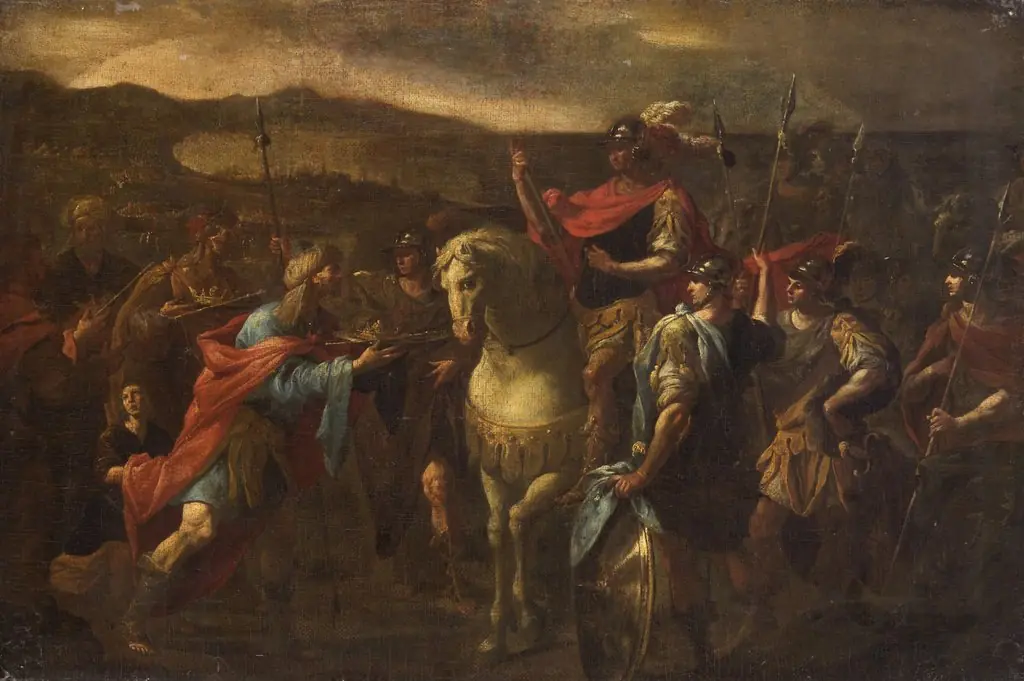 Indische Könige huldigen Alexander dem Großen
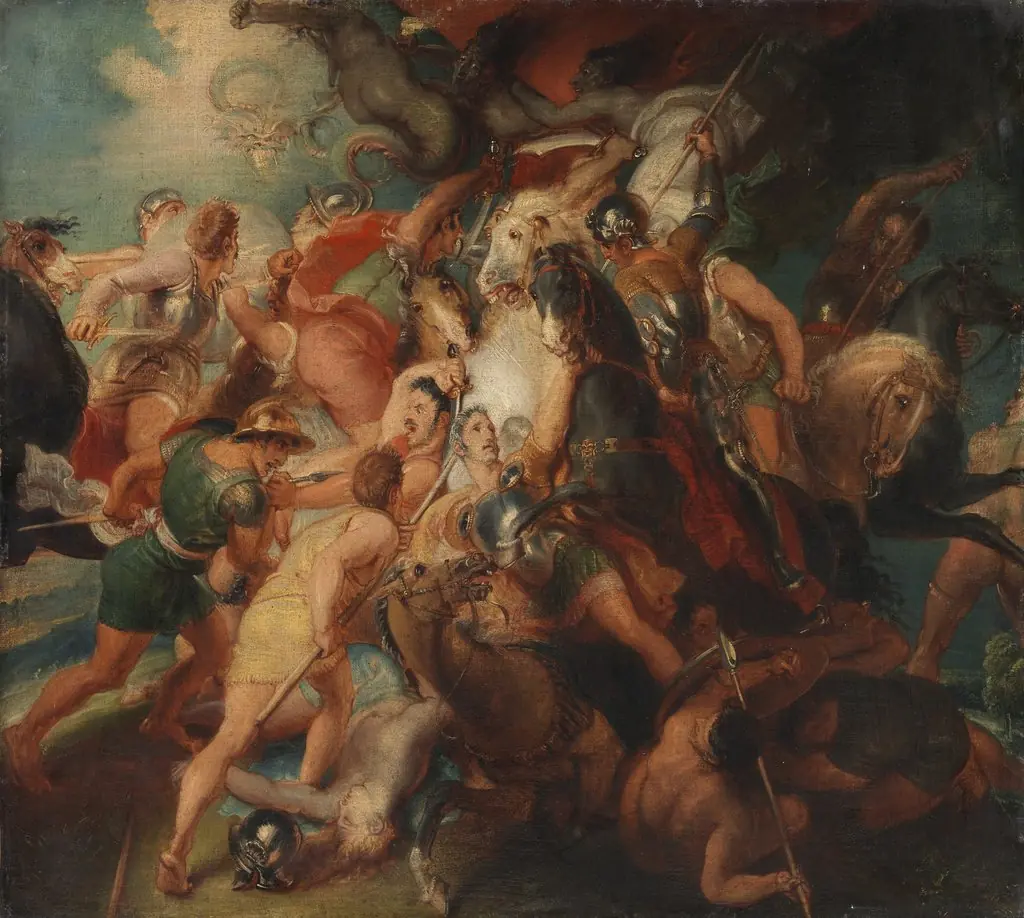 The Horrors of War, Sketch for Burghley House Mural
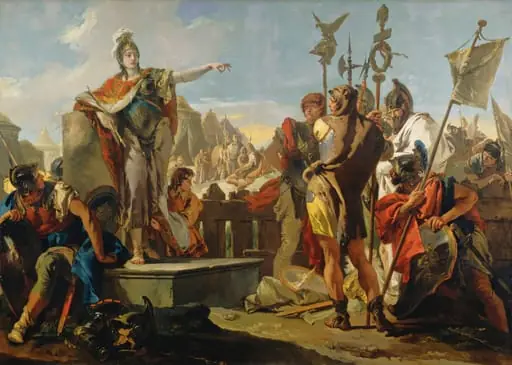 Queen Zenobia Addressing Her Soldiers
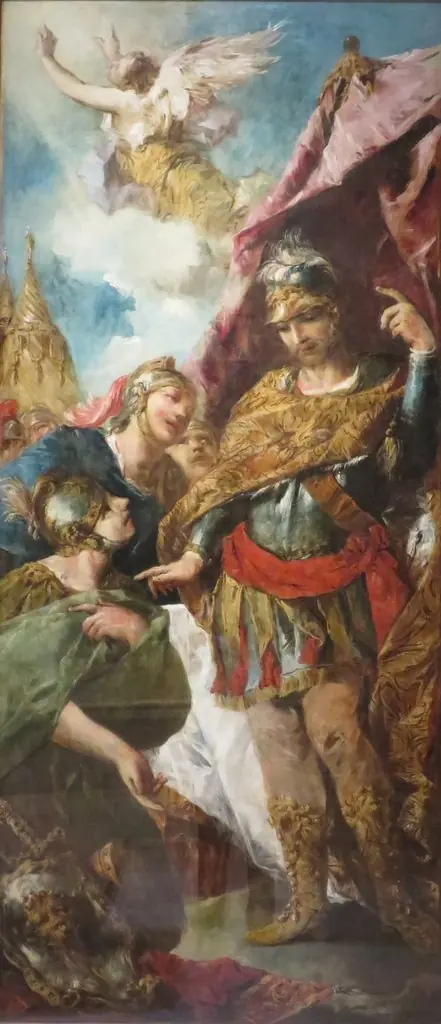 Godfrey of Boulogne Summons His Chiefs to Council
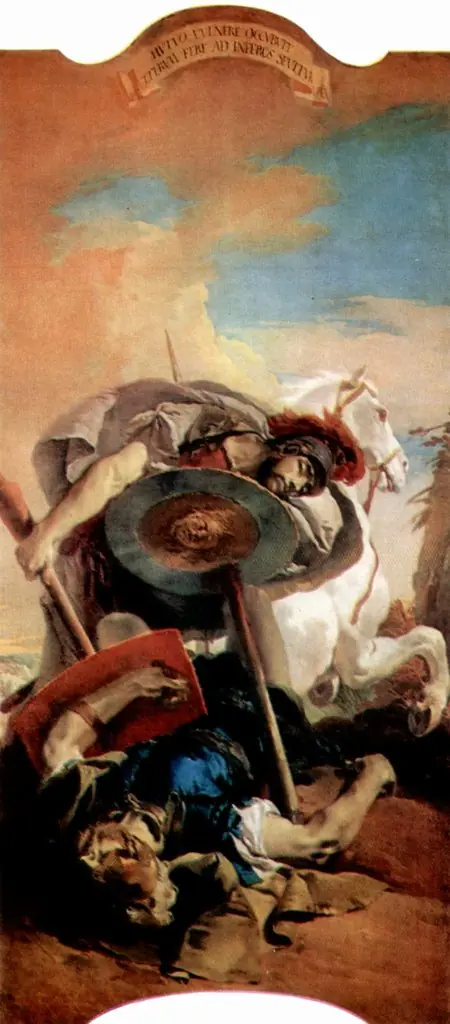 Death of Consul L. J. Brutus in a duel with Aruns
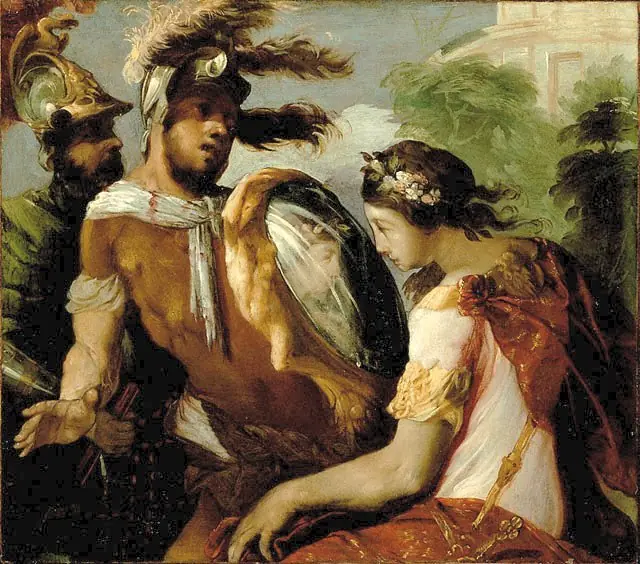 Rinaldo and the Mirror-Shield
 The Fight between Tancred and Argante With Clorinda in the Background