Artwork
The Persian women
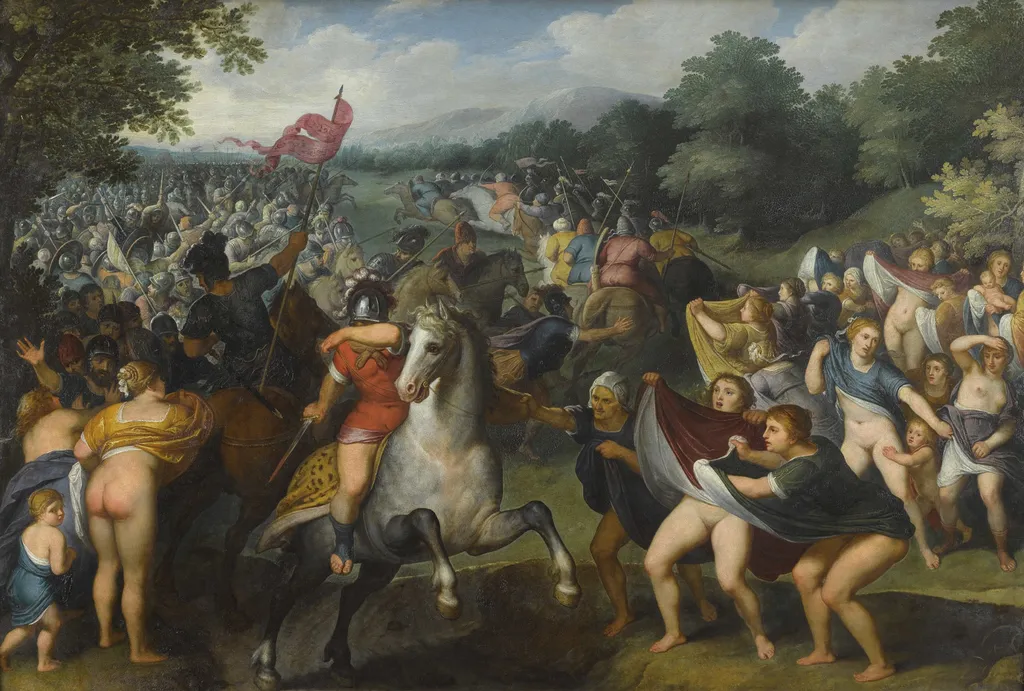
The Persian women is an oil painting by the Dutch Golden Age artist Otto van Veen. It dates from 1629 and is held in the collection of the Kunsthistorisches Museum.
About this work
Overview
Otto van Veen’s oil on canvas, dated 1629, depicts a bustling tableau of figures and horses set against a rolling landscape of trees and hills.
Otto van Veen’s oil on canvas, dated 1629, depicts a bustling tableau of figures and horses set against a rolling landscape of trees and hills. The composition is crowded with both clothed and nude women in the foreground, while armored riders and armed men dominate the middle ground, and a distant mass of mounted troops suggests a larger gathering. The work resides in Vienna’s Kunsthistorisches Museum.
Subject & Meaning
The scene presents a chaotic encounter, possibly a military encampment or a ceremonial procession, where women—some exposed, others draped—interact with soldiers on horseback. The juxtaposition of vulnerability and martial power may reflect contemporary attitudes toward gender and warfare, inviting viewers to contemplate the tension between civilian life and the demands of conflict.
Technique & Style
Executed in oil, the painting showcases van Veen’s meticulous handling of texture and colour, employing a rich palette to differentiate flesh, fabric, armour and landscape. Fine brushwork renders the intricate details of horse tack and weaponry, while broader strokes convey the depth of the background, creating a layered visual narrative typical of early‑17th‑century Flemish realism.
History & Provenance
Created in 1629, the work entered the collection of the Kunsthistorisches Museum, where it remains on public display. Its provenance traces back to the artist’s workshop in the Southern Netherlands, reflecting the period’s market for large, narrative-driven compositions that appealed to aristocratic patrons interested in exotic or historical subjects.
Context
Van Veen, a prominent teacher of Peter Paul Rubens, operated within the Baroque milieu that emphasized dramatic movement and complex groupings. The painting’s subject matter aligns with contemporary European fascination with the East, as “Persian” themes were often employed to convey exoticism and to explore moral or political allegories through foreign settings.
Own this work as a print
Artist & collection

Artist
Otto van Veen, was a painter, draughtsman, and humanist active primarily in Antwerp and Brussels in the late 16th and early 17th centuries.

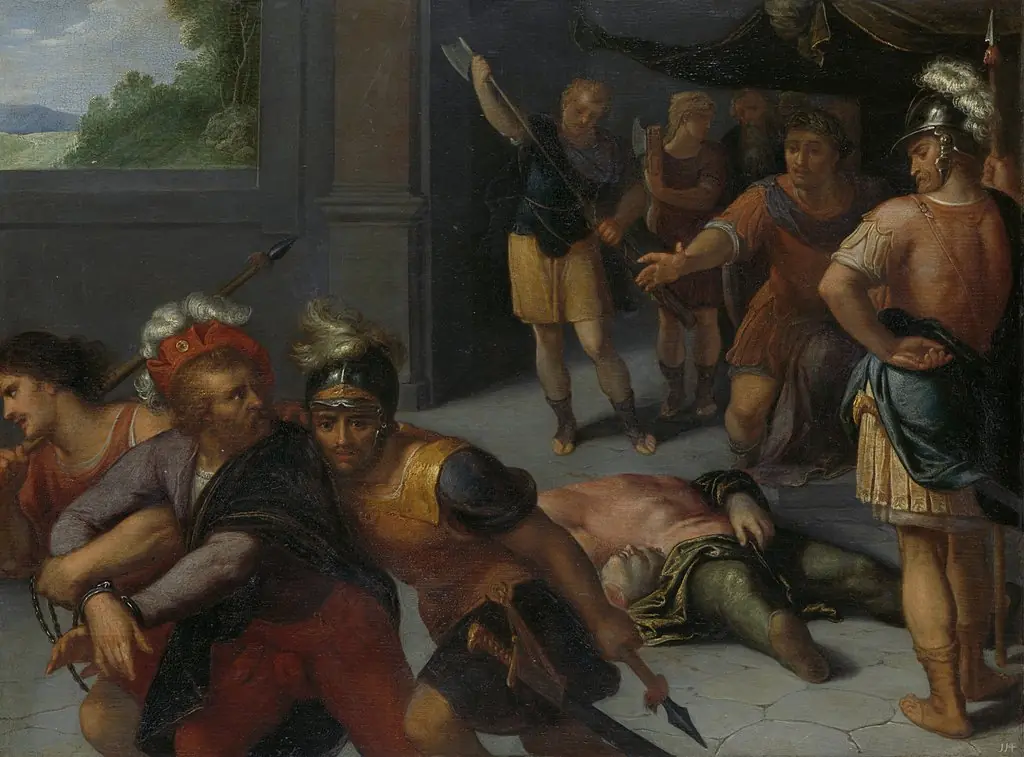 Beheading of Julius Paulus and Imprisonment of Claudius Civilis
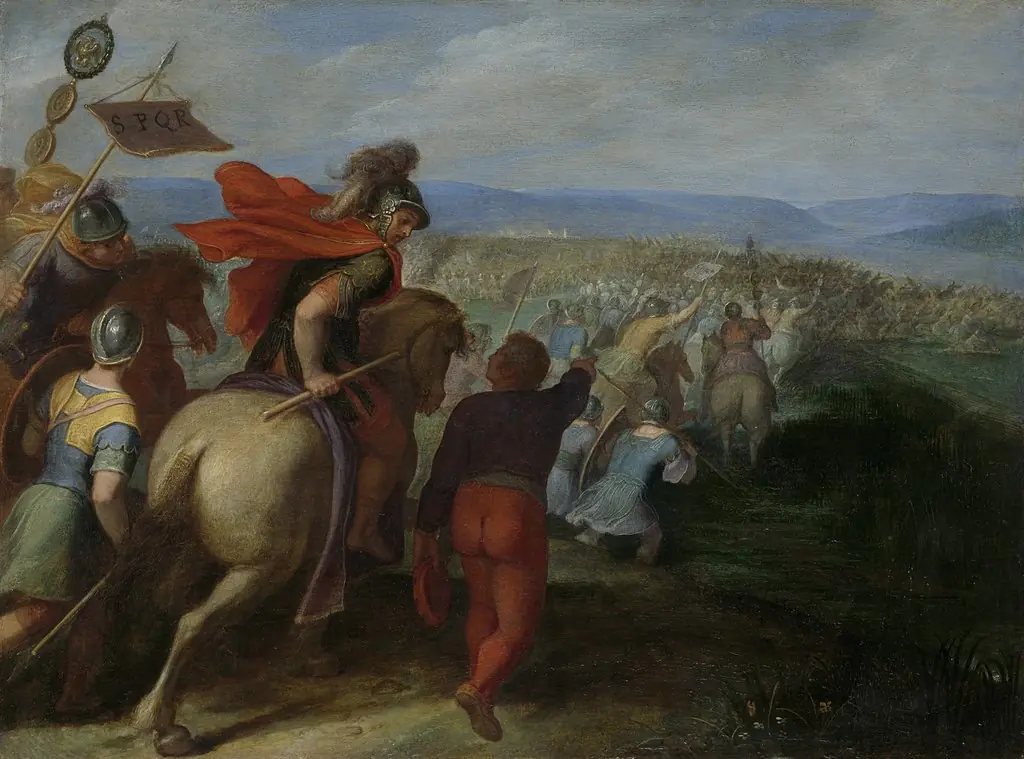 The Romans under Cerealis Defeat Claudius Civilis and the Batavians following betrayal from within
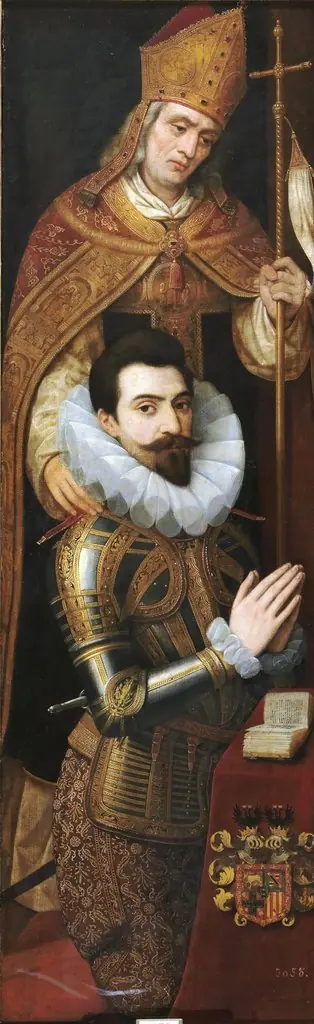 Alonso de Idiáquez duque de Ciudad Real (Cittá-Reale en Nápoles)
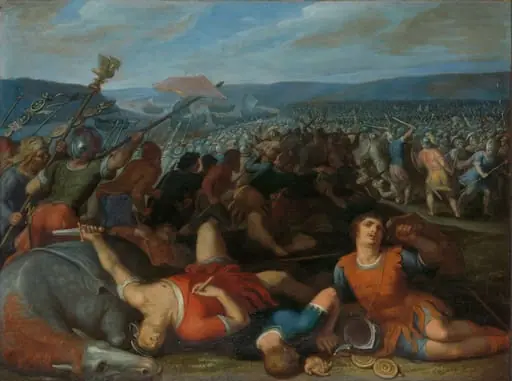 De Bataven verslaan de Romeinen bij de Rijn
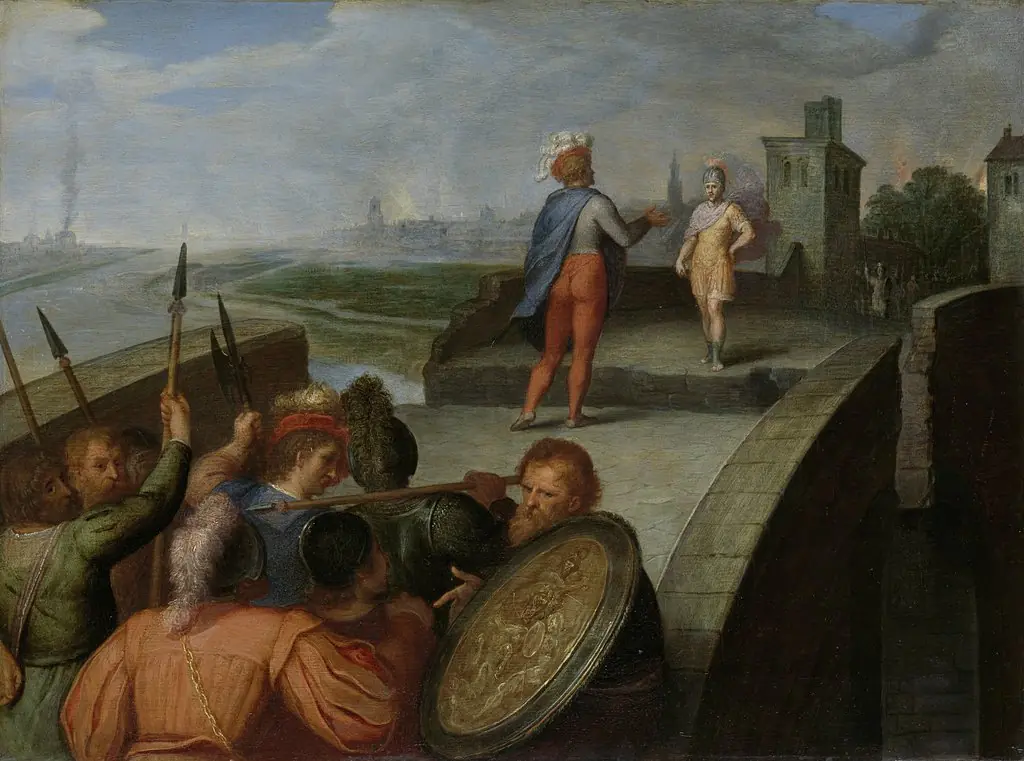 Peace Negotiations between Claudius Civilis and Cerealis
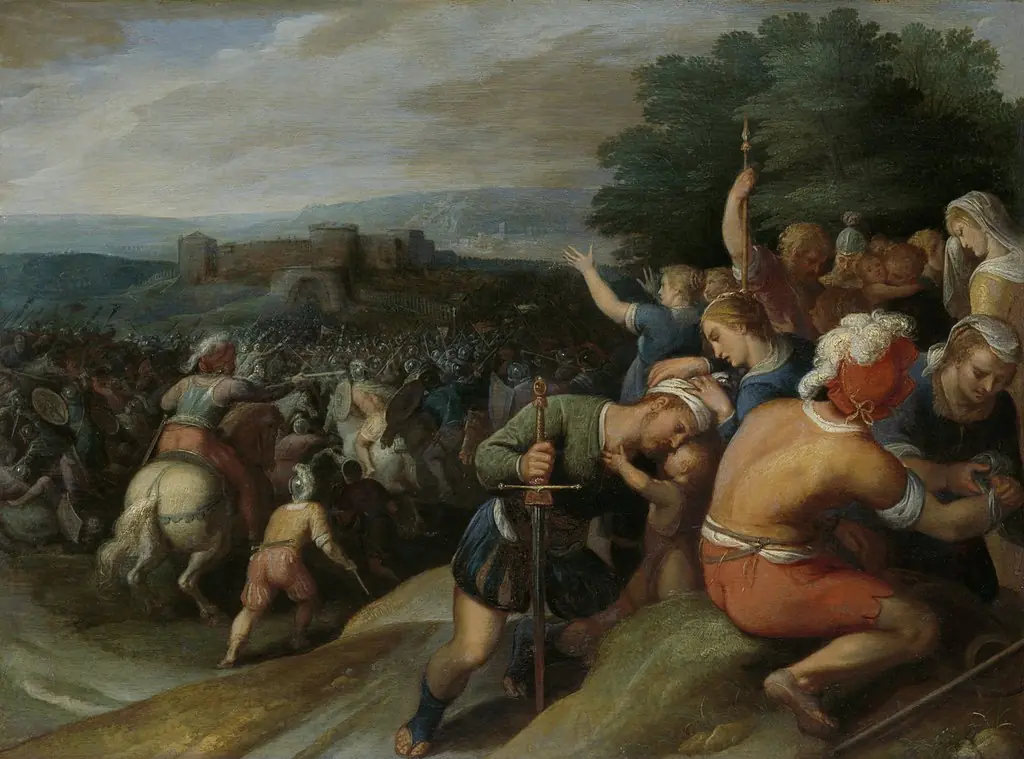 The Batavians Surround the Romans at Vetera
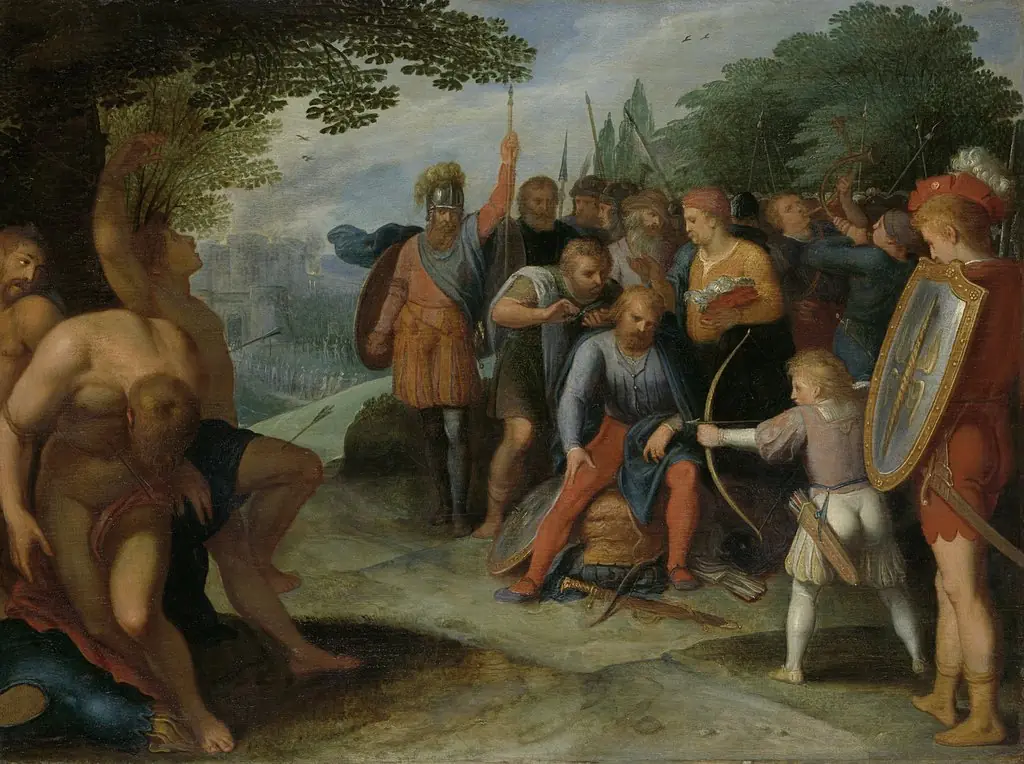 After the Fall of Vetera Castra Claudius Civilis has his hair cut while his son shoots some prisoners
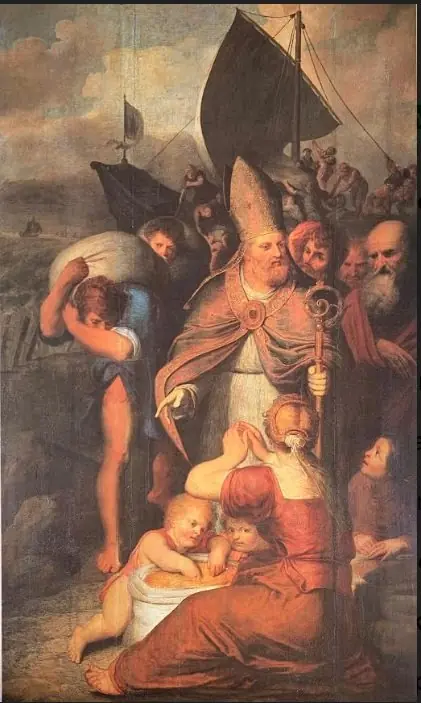 During a Famine in Myra Saint Nicholas Saves the People
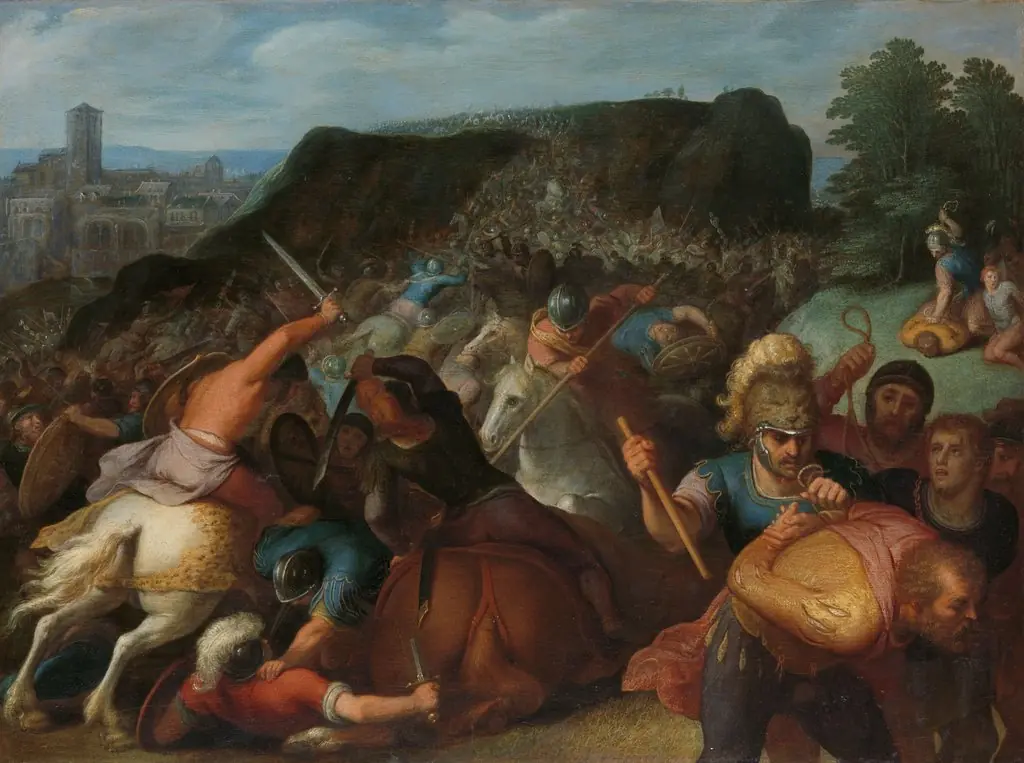 Valentinus Is Taken Prisoner
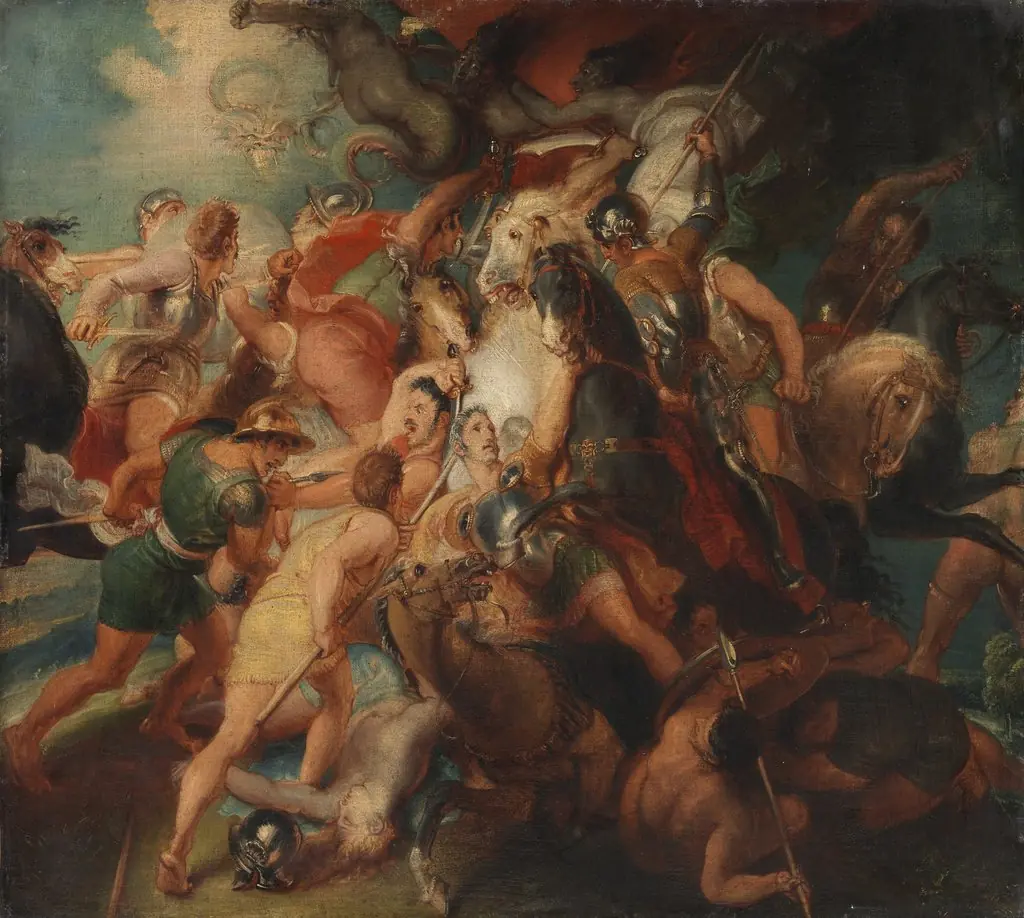 The Horrors of War, Sketch for Burghley House Mural
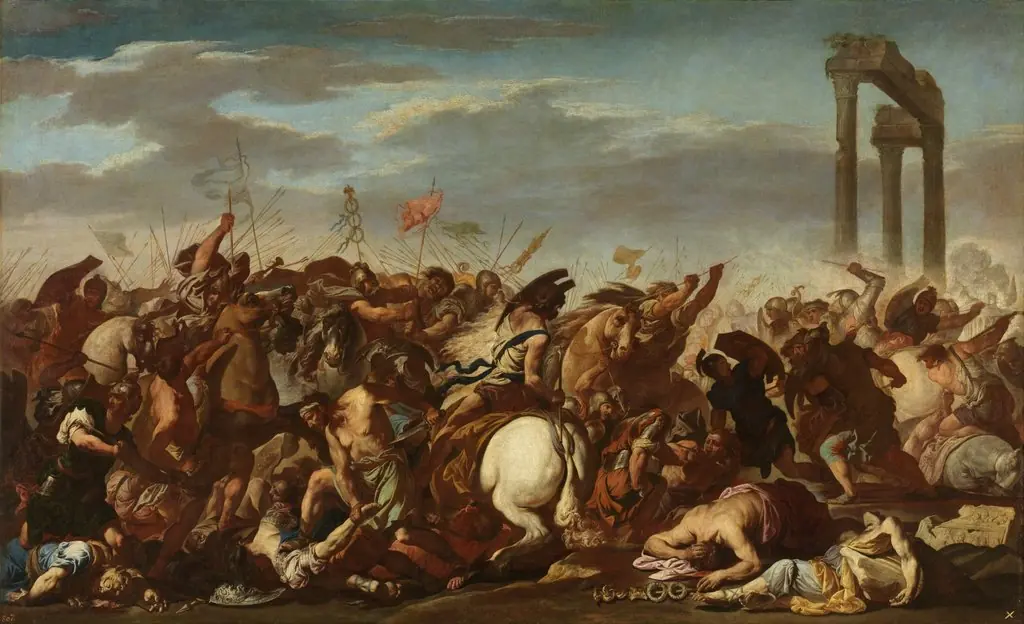 Batalla
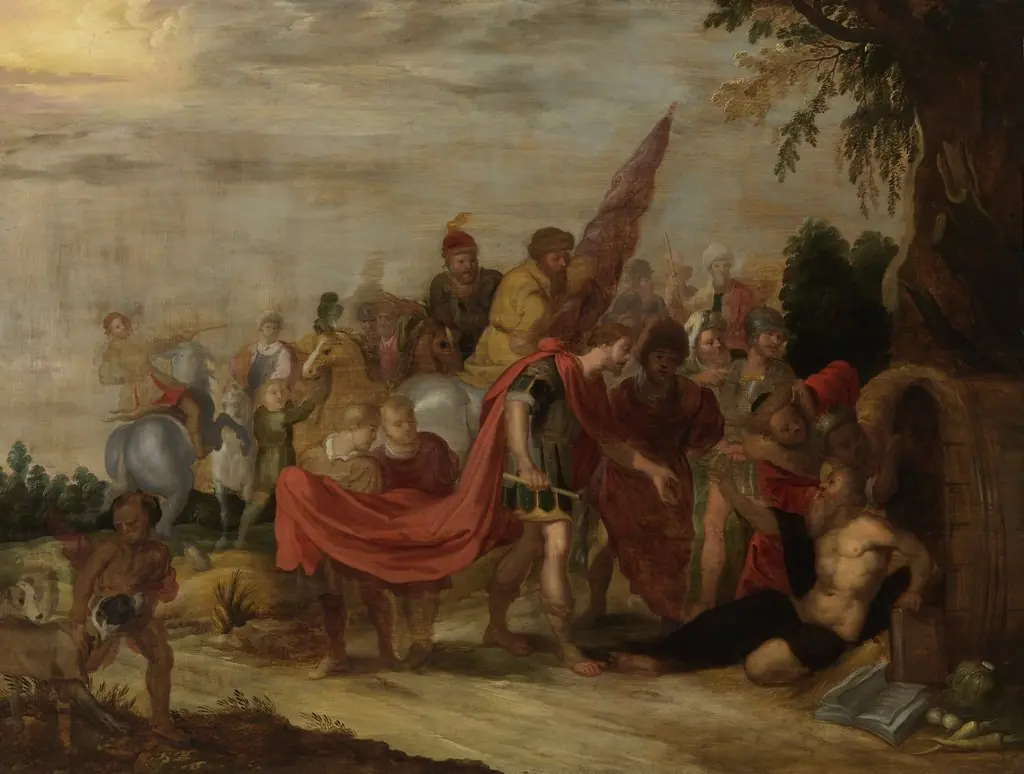 Alexander en Diogenes
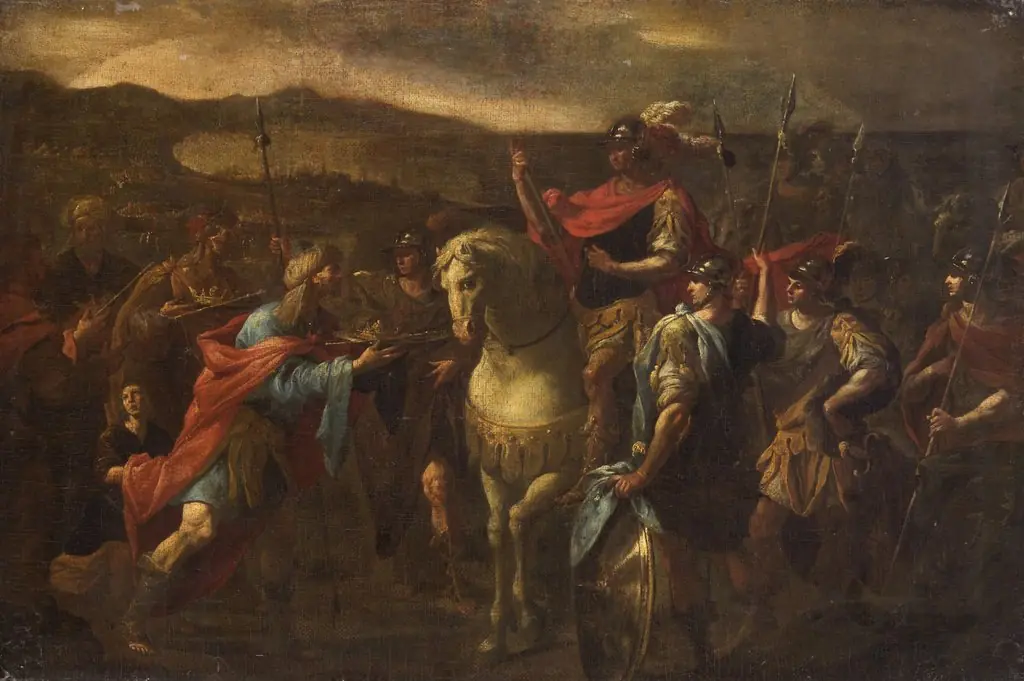 Indische Könige huldigen Alexander dem Großen
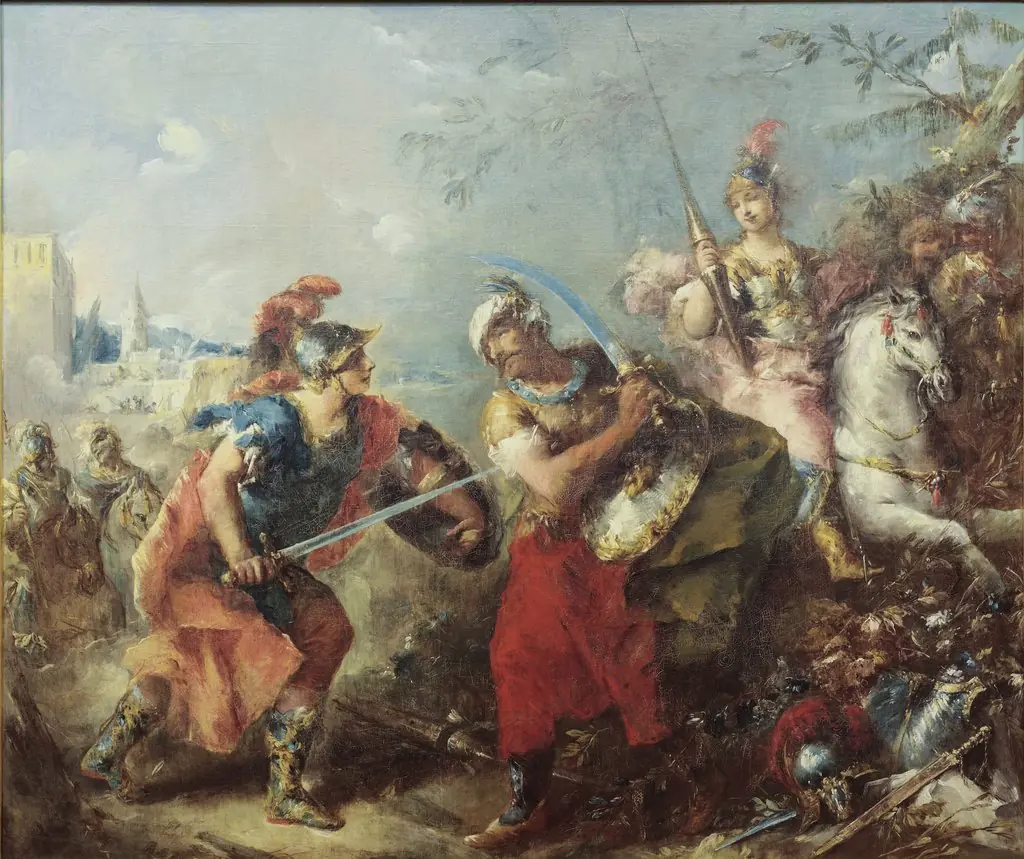 The Fight between Tancred and Argante With Clorinda in the Background
 The Fight between Tancred and Argante With Clorinda in the Background
 Army Camp
 A Cavalry Charge
 Battle