Artwork
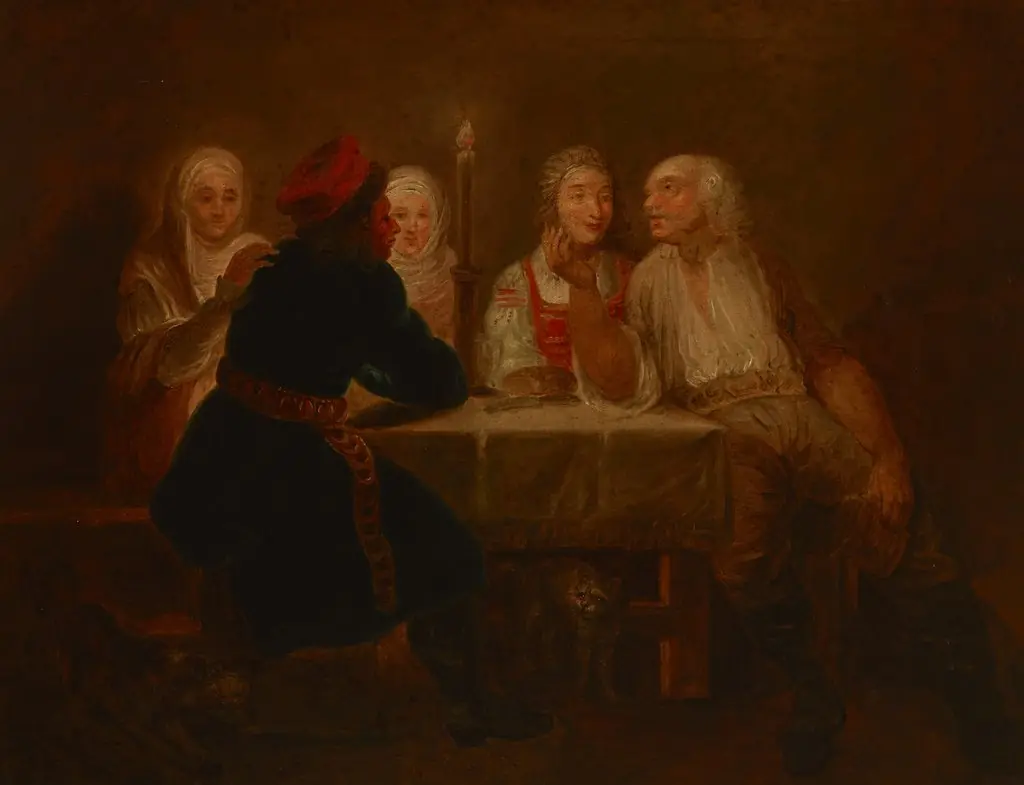
Den fortabte søns hjemkomst
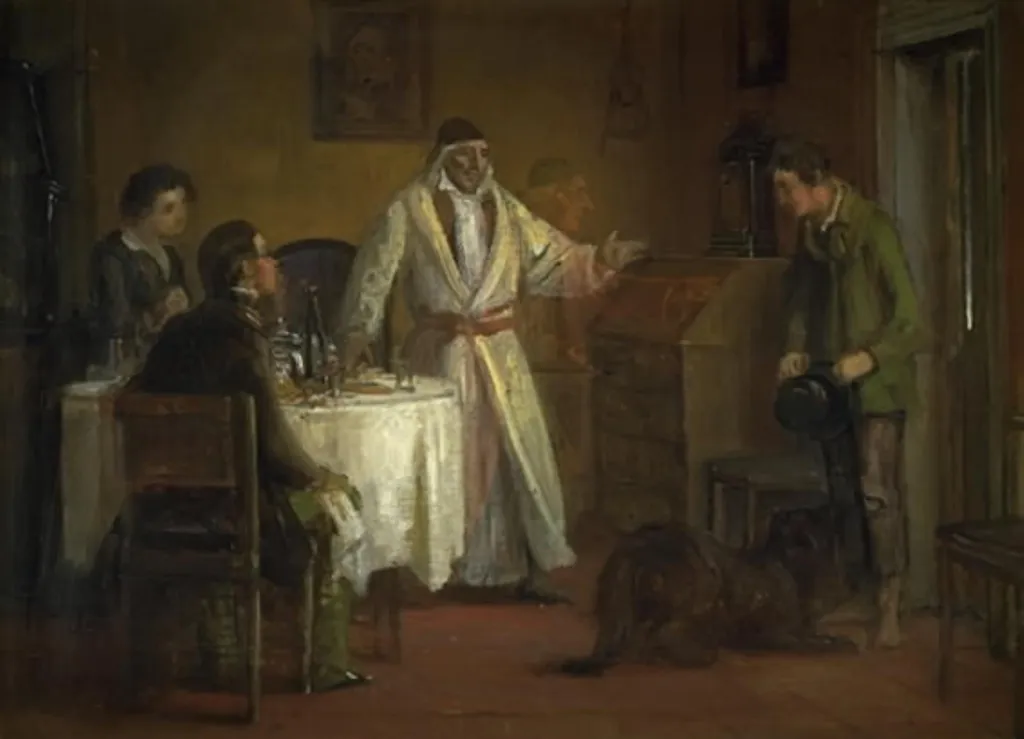
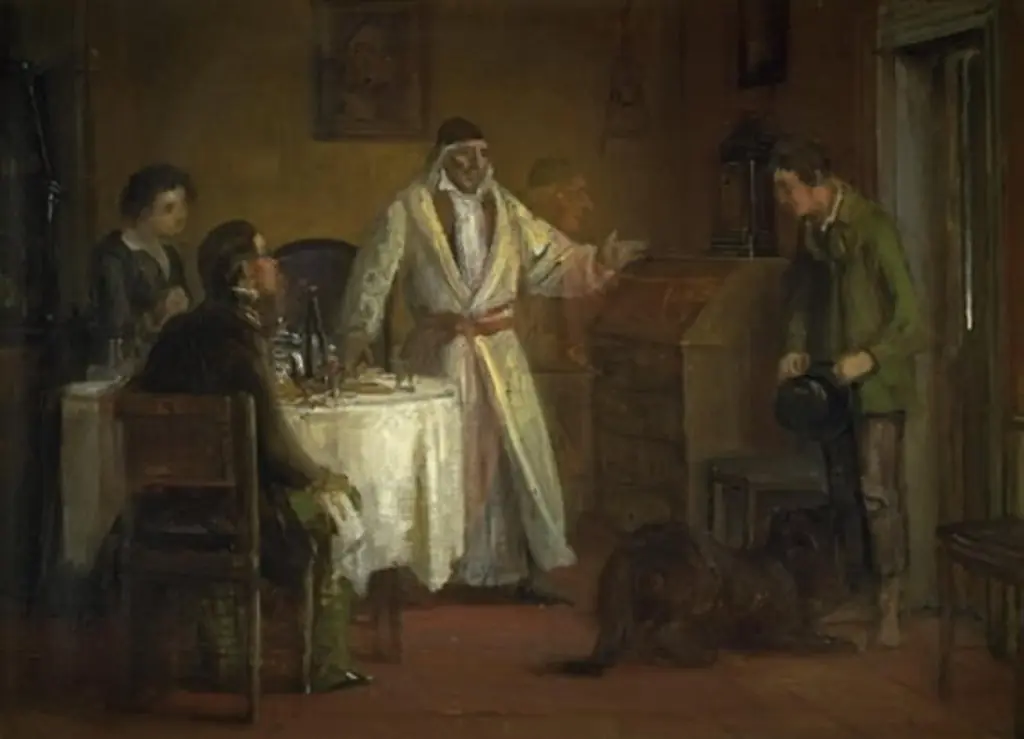
Den fortabte søns hjemkomst is a photography by Unknown. It dates from 1850 and is held in the collection of the Statens Museum for Kunst. Painted around 1850, this work depicts a moment of reunion between a returning son and his family.
About this work
Overview
The painting resides in the Museum of Ethnography, where it is contextualized within broader studies of familial and cultural rituals.
Painted around 1850, this work depicts a moment of reunion between a returning son and his family. The scene is set in a modest interior, rendered with subdued tones and careful attention to light. The artist, known for intimate domestic narratives, uses minimal props and restrained composition to emphasize emotional tension. The painting resides in the Museum of Ethnography, where it is contextualized within broader studies of familial and cultural rituals.
Subject & Meaning
The scene illustrates the return of a prodigal son, a biblical parable adapted into a domestic setting. The standing woman, dressed in white and wearing a head covering, may represent a maternal or spiritual figure, holding an object of symbolic weight. The slumped woman suggests grief, while the leaning man appears to be in contemplation or restraint. The green-clad figure, seated apart, may signify distance or judgment, reinforcing themes of repentance and reconciliation.
Technique & Style
The composition employs soft chiaroscuro to model forms and guide the viewer’s eye toward the central figures. Shadows blend gradually into the background, creating a quiet, introspective mood. The lighting is diffused, avoiding harsh contrasts, which lends the scene a sense of stillness. Brushwork is controlled, with attention to fabric texture and subtle facial expressions, suggesting a preference for psychological realism over theatricality.
History & Provenance
The painting entered the Museum of Ethnography’s collection in the late 19th century, likely through a donation or acquisition tied to religious or moral-themed artworks. Its attribution to the artist remains consistent across institutional records, though little documentation exists regarding its early ownership or exhibition history prior to museum acquisition.
Context
Created during a period of heightened interest in biblical narratives within Scandinavian art, the work reflects a broader cultural trend of translating religious stories into everyday settings. The unusual head covering worn by the standing woman may indicate regional dress or symbolic intent, possibly aligning with contemporary interpretations of piety or mourning. The plain walls and sparse furnishings reinforce the focus on human emotion over material wealth.
Legacy
Though not widely reproduced or publicly celebrated, the painting remains a significant example of 19th-century Nordic genre painting that prioritizes emotional nuance over spectacle. It continues to be studied for its quiet treatment of moral themes and its departure from overtly dramatic religious imagery, offering insight into how personal and spiritual reconciliation were visually conceived in its time.
Artist & collection

 Domestic Scene
 Giacomo and Cardinal Marco, investing Andrea, Abbot of San Zeno, with his Benefice
 The Nymph of Fontainebleau
 Portrait of a Woman
 Madonna and Child with Saints in the Enclosed Garden
 Venus and Minerva
 Family Group of Four on Sofa
 Wall painting from Room H of the Villa of P. Fannius Synistor at Boscoreale
 Courtship
 Gæstgiveriet i Sora
 The Inn
 Interior de cârciumă
 Tavern Scene
 Collegium Politicum. From Ludvig Holberg’s The Political Tinker, Act I, Scene 2.
 The Condemned Cell I
 Peasants in an Inn
 Tam O' Shanter at the Inn
 At bonfire
 Standing Young Man at the Window in his Study Reading, known as"The Student"
 Den fortabte søns hjemkomst