Artwork
Peasants in an Inn
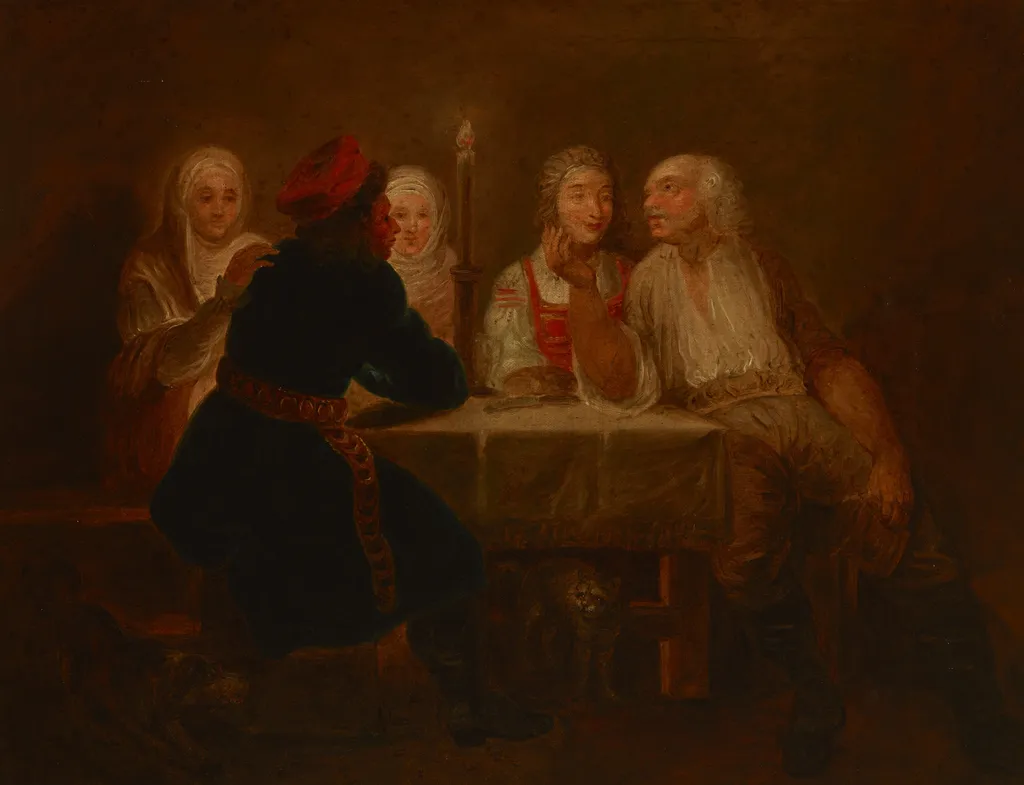
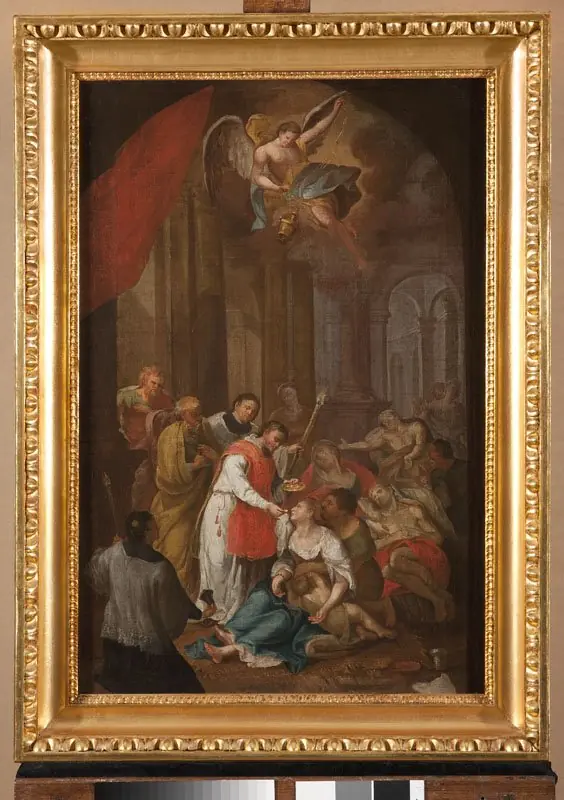
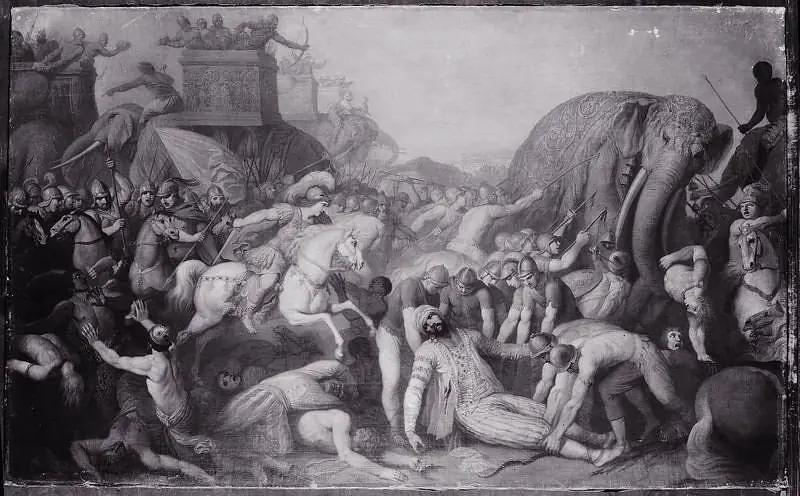
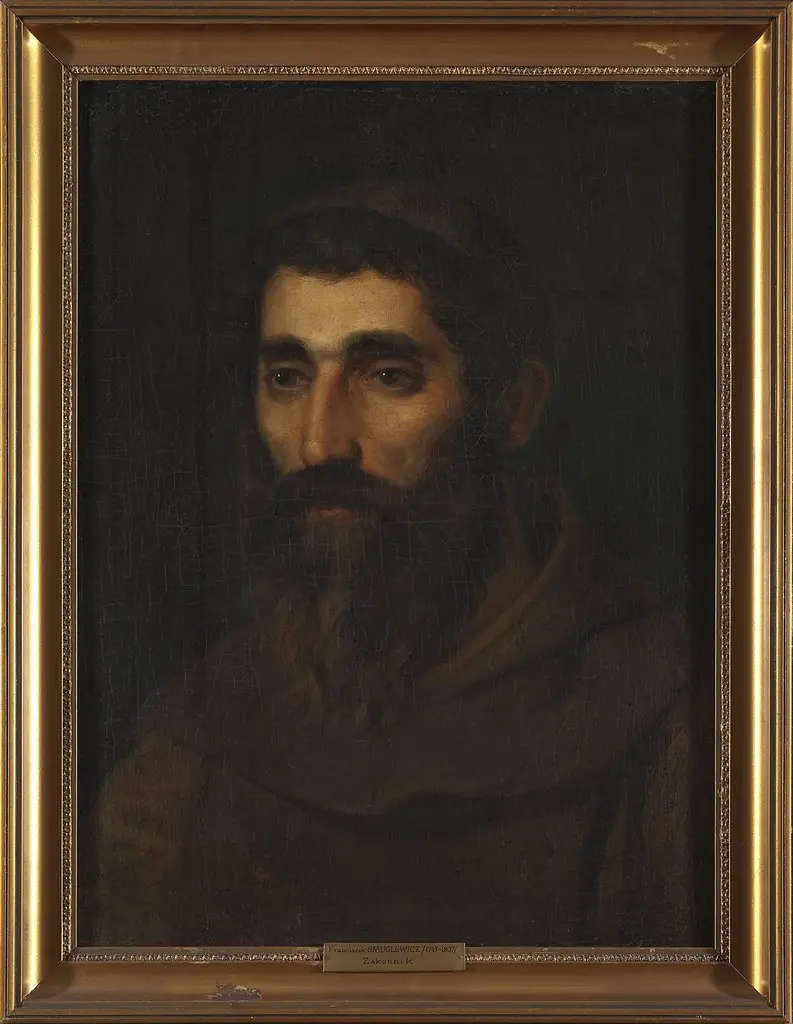
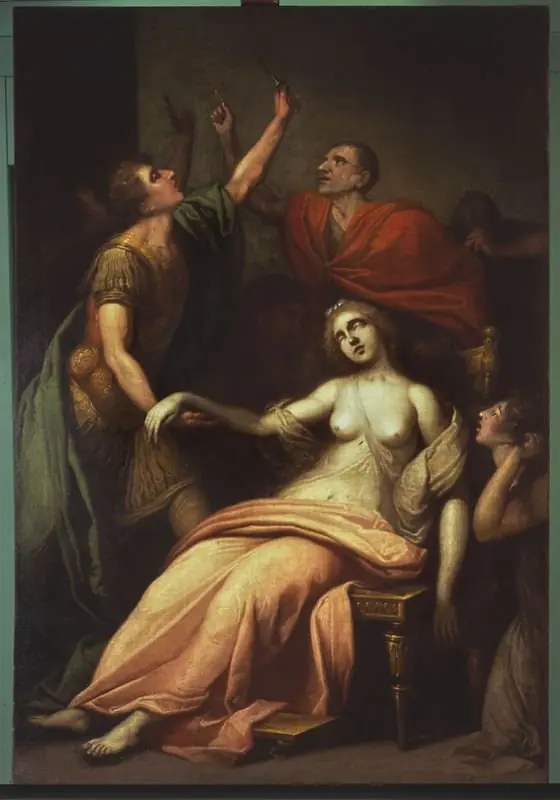
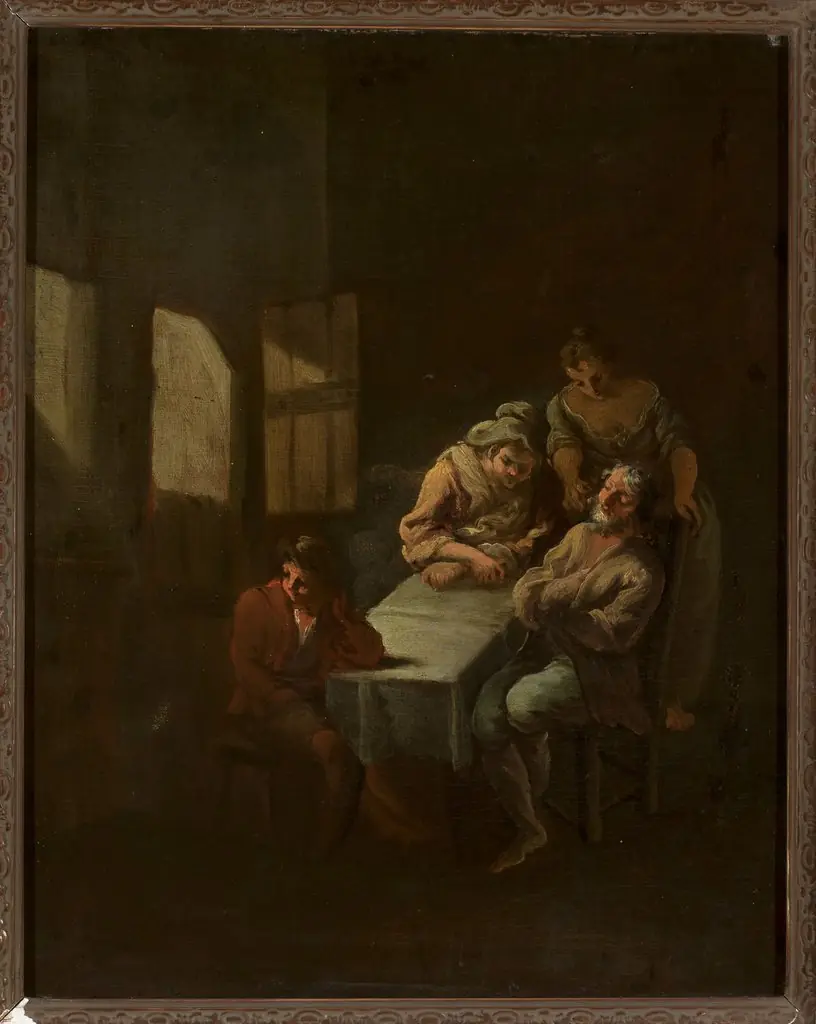
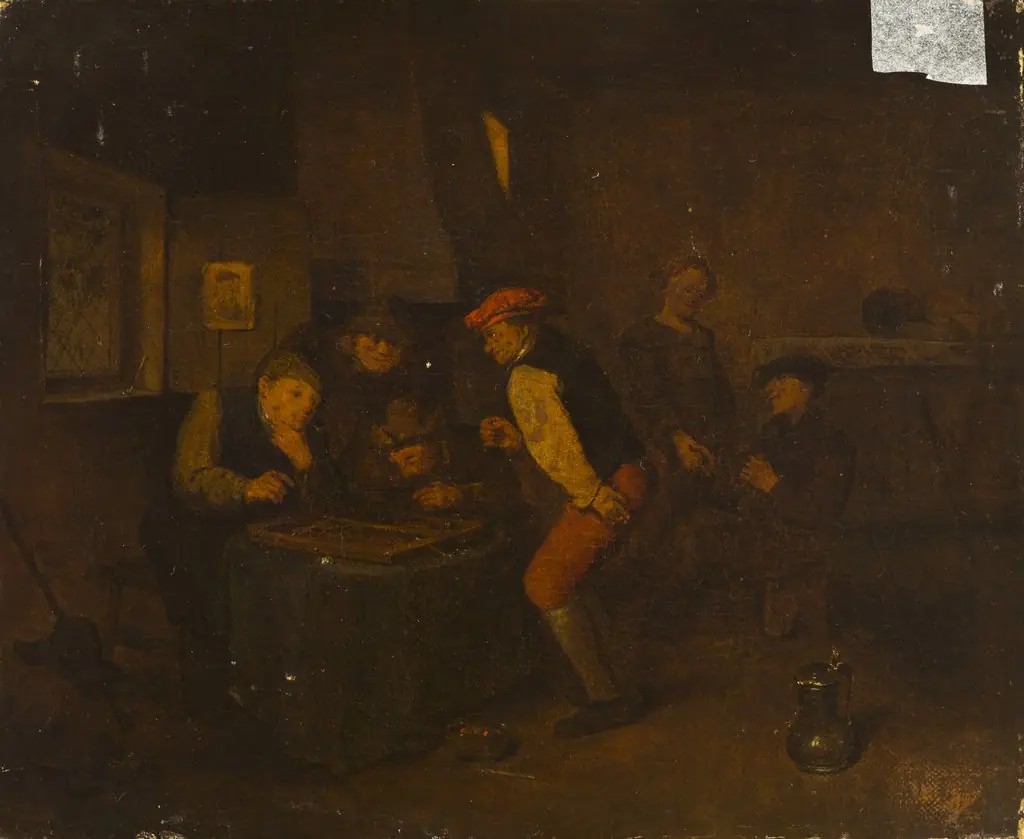
Peasants in an Inn is an oil painting by Franciszek Smuglewicz. It dates from 1786 and is held in the collection of the National Museum in Kraków.
About this work
Overview
Smuglewicz, a key figure in the cultural development of the Polish-Lithuanian Commonwealth, used this subject to explore everyday life with quiet dignity.
Painted around 1786 by Franciszek Smuglewicz, *Peasants in an Inn* is an oil-on-canvas work depicting a quiet interior scene of rural figures gathered in a modest setting. Smuglewicz, a key figure in the cultural development of the Polish-Lithuanian Commonwealth, used this subject to explore everyday life with quiet dignity. The painting resides today in the National Museum in Kraków, part of a broader effort to document vernacular culture through art.
Subject & Meaning
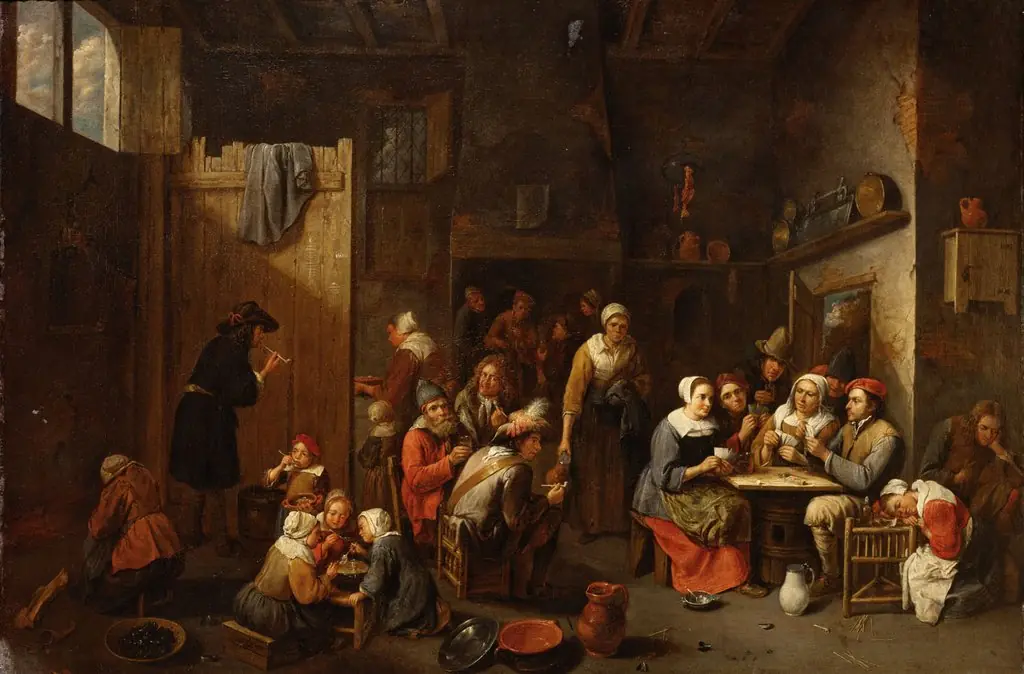
The scene shows a group of peasants engaged in a moment of shared repose—some seated, one standing—as if mid-conversation or after a meal. The figures, dressed in simple, varied garments, suggest regional diversity within the Commonwealth. The candle’s glow and relaxed postures convey intimacy rather than hardship, emphasizing communal bonds over poverty. Smuglewicz avoids caricature, presenting his subjects with observational sincerity.
Technique & Style
Smuglewicz employed soft chiaroscuro to model forms under the candle’s warm light, creating a sense of depth without dramatic contrast. Brushwork is restrained, favoring texture over detail—fabric folds, wooden surfaces, and skin tones are rendered with subtle tonal shifts. The palette leans toward earthy reds, browns, and ochres, reinforcing the scene’s domestic warmth. Composition is informal, with figures arranged naturally around the table, avoiding theatricality.
History & Provenance
Created during Smuglewicz’s return to the Polish-Lithuanian Commonwealth after studies in Rome, the painting reflects his engagement with Northern European genre traditions. It entered the National Museum in Kraków’s collection in the 19th century, likely through institutional acquisitions focused on national artistic heritage. Its preservation aligns with broader efforts to document regional identity amid political fragmentation.
Context
In the late 18th century, as Enlightenment ideals spread, artists across Central Europe began turning to ordinary life as worthy subject matter. Smuglewicz, influenced by Dutch and Flemish genre painting, contributed to this shift within the Commonwealth. His work helped establish a visual language for local identity, distinct from aristocratic or religious themes dominant in earlier Polish art.
Legacy
Smuglewicz’s focus on peasant life laid groundwork for later realist movements in Polish and Lithuanian art. As founder of the Vilnius school, he trained a generation of artists who continued his emphasis on native subjects. *Peasants in an Inn* remains a quiet example of how regional identity was cultivated through attentive, unidealized observation of daily existence.
Own this work as a print
Artist & collection
Artist
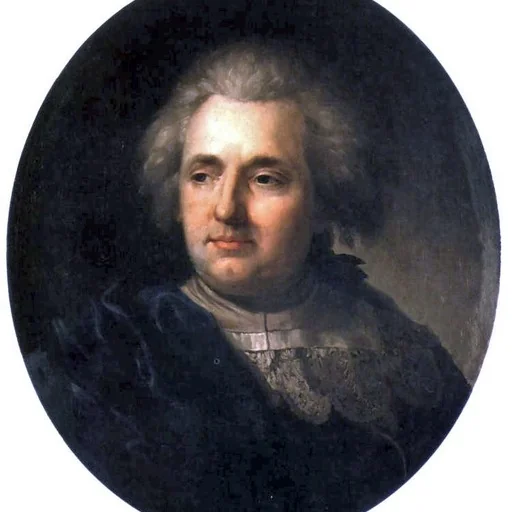
Franciszek Smuglewicz (Lithuanian: Pranciškus Smuglevičius; 6 October 1745 – 18 September 1807) was a Polish-Lithuanian draughtsman and painter.