Artwork
Alexander the Great Cutting the Gordian Knot
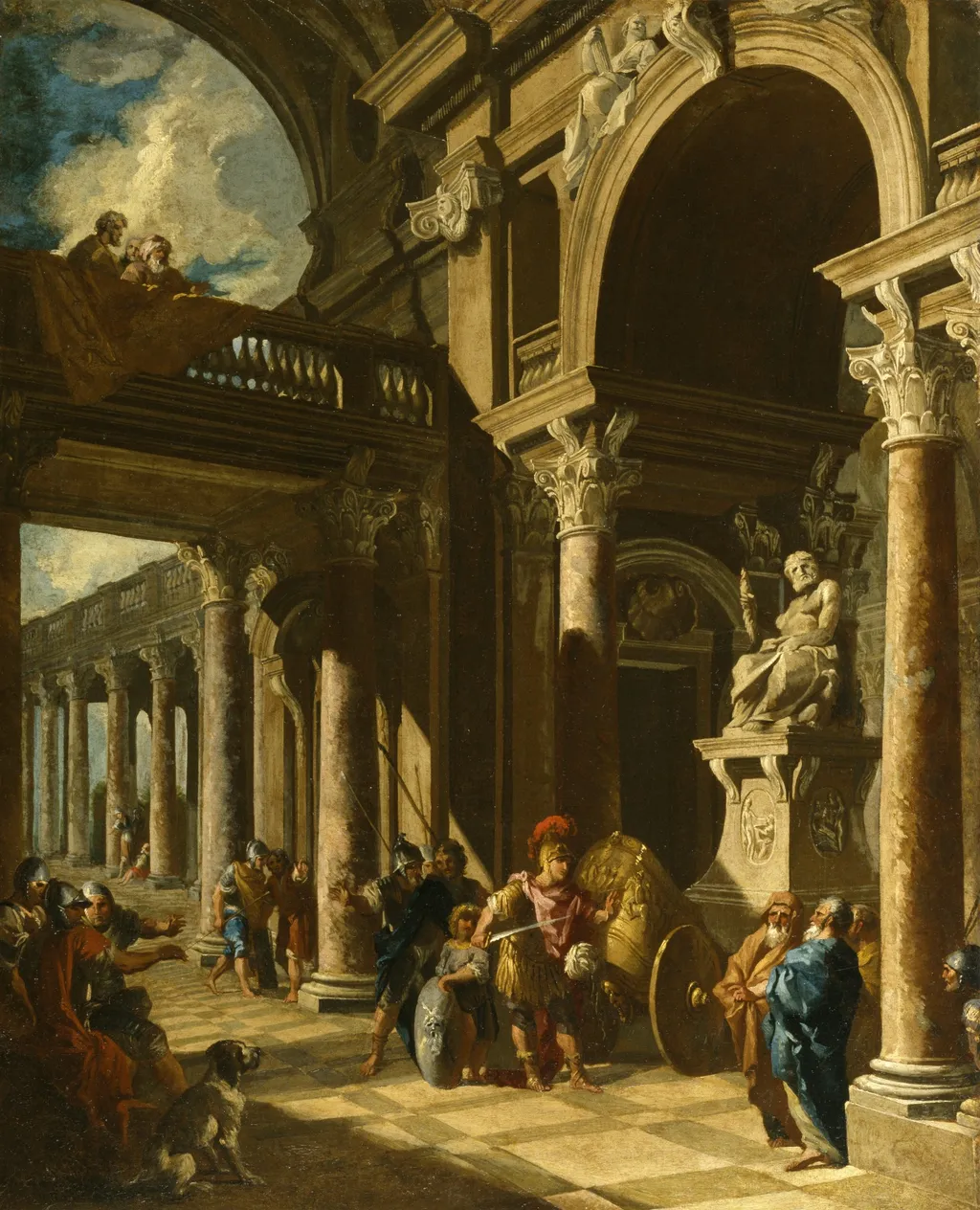
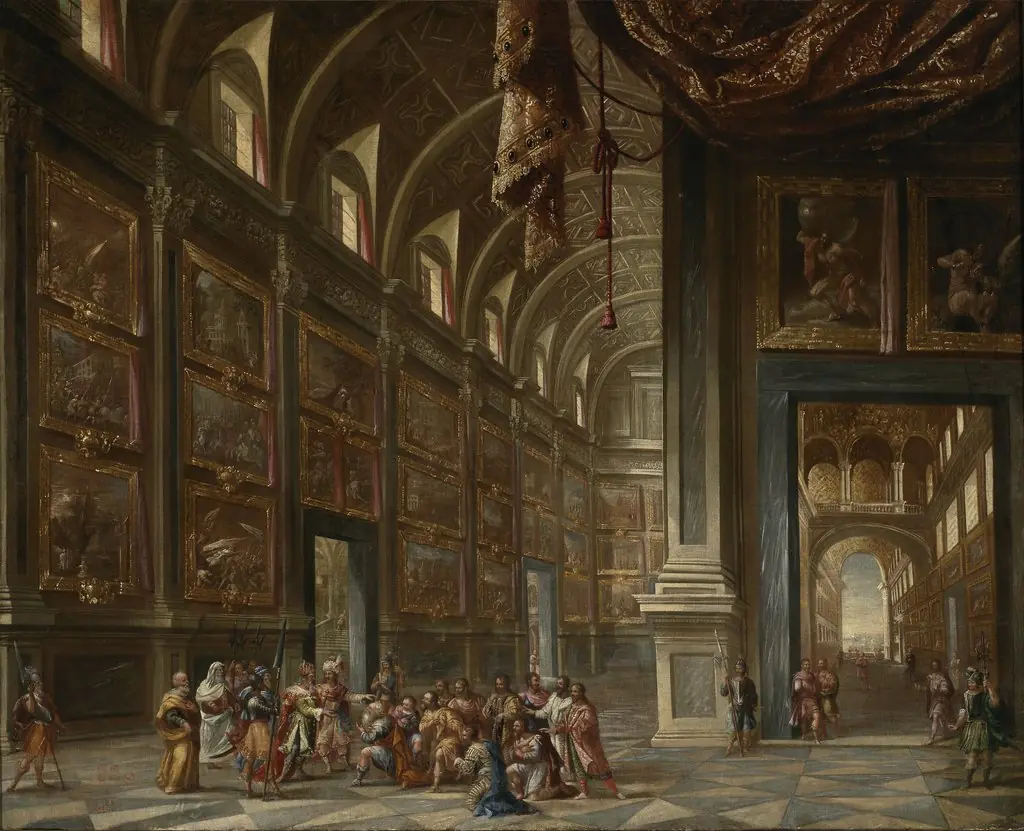
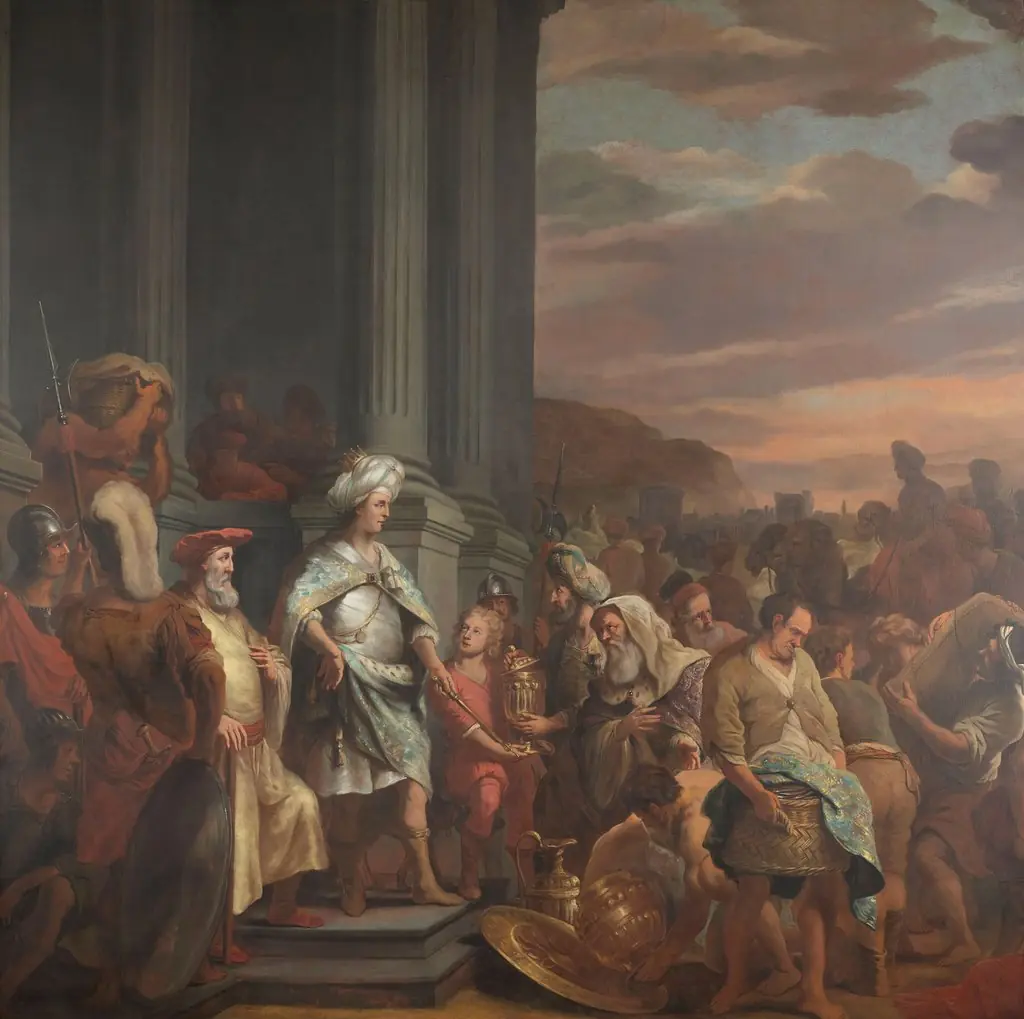
Alexander the Great Cutting the Gordian Knot is an oil painting by the Rococo painting artist Giovanni Paolo Panini. It dates from 1718 and is held in the collection of the Walters Art Museum.
About this work
Overview
Though Panini is best known for his architectural vedute of Rome, this work shifts focus to a historical narrative drawn from classical antiquity.
Painted in 1718 by Giovanni Paolo Panini, this oil on canvas depicts the legendary moment Alexander the Great cuts the Gordian Knot. Though Panini is best known for his architectural vedute of Rome, this work shifts focus to a historical narrative drawn from classical antiquity. Executed during the early Rococo era, it reflects a transition from Baroque grandeur to more refined, theatrical compositions, while retaining a sense of spatial clarity and dramatic tension.
Subject & Meaning
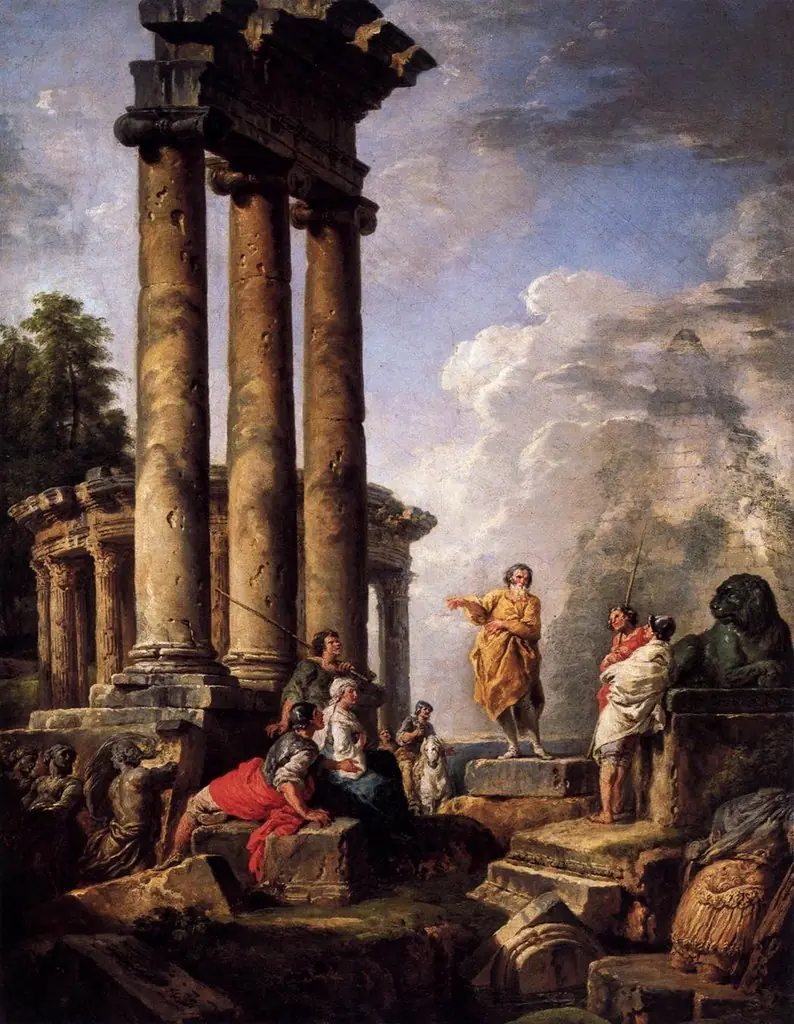
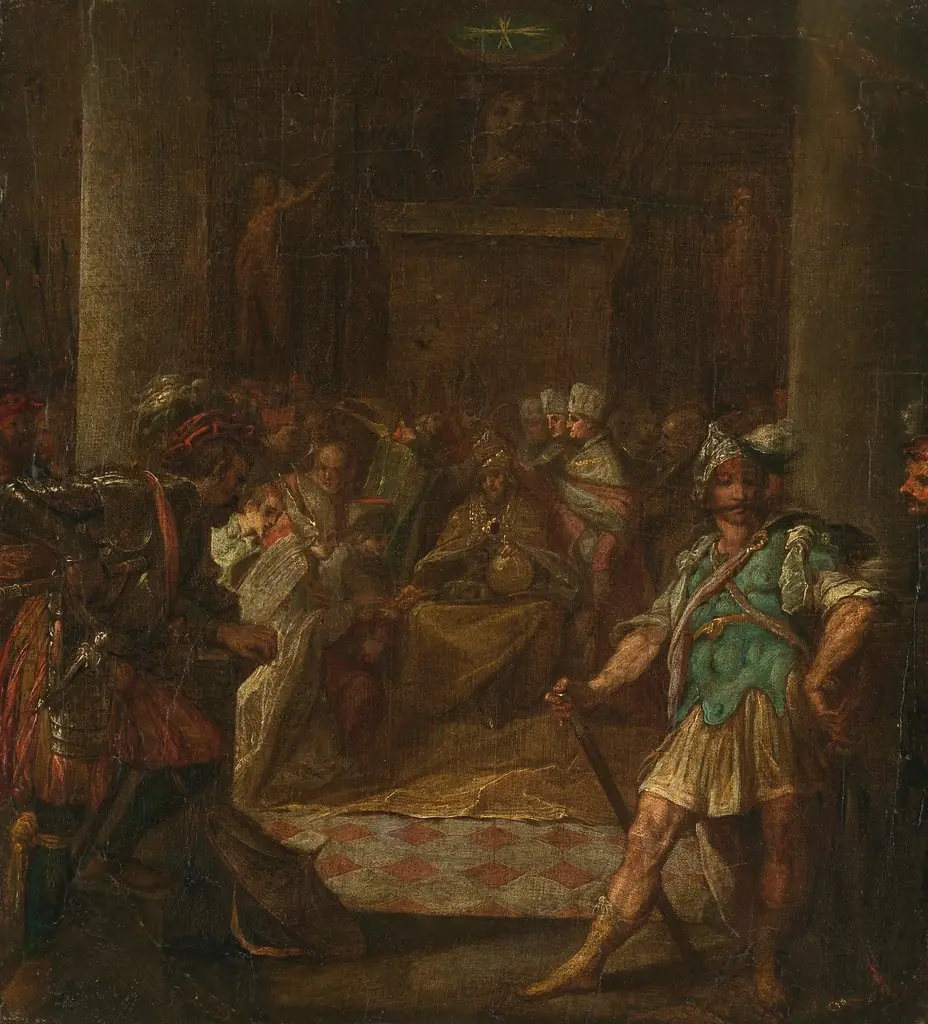
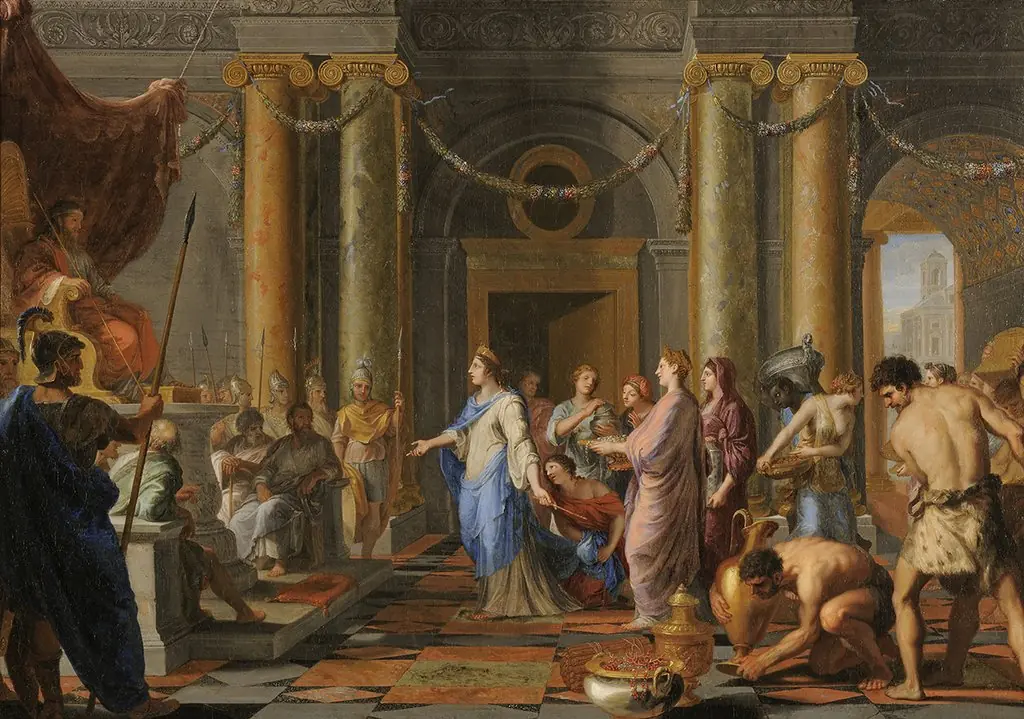
The scene illustrates the myth in which Alexander, confronted with an intricate knot tied by King Gordius and said to be untieable only by the future ruler of Asia, severs it with his sword. Rather than attempting a laborious solution, his decisive action symbolizes boldness and the rejection of conventional constraints. The surrounding figures, frozen in observation, underscore the weight of the moment as a turning point in destiny.
Technique & Style
Panini employs chiaroscuro to model forms with strong contrasts of light and shadow, enhancing the three-dimensionality of figures and architecture. The composition directs attention to Alexander at the center, framed by classical columns and arches that suggest a temple or public space. The dog in the foreground and the figure in blue robes add narrative texture, grounding the myth in a tangible, observed environment.
History & Provenance
Created during Panini’s early career in Rome, the painting was likely commissioned by a collector interested in classical themes. It entered the Walters Art Museum’s collection in the 20th century, having passed through private hands in Europe. Its survival and preservation reflect enduring interest in historical allegory during the 18th and 19th centuries, even as artistic tastes evolved.
Context
In early 18th-century Europe, classical antiquity remained a vital source of moral and political symbolism. Artists often turned to Alexander’s exploits as metaphors for enlightened leadership and decisive action. Panini’s choice of subject aligns with broader intellectual currents in Rome, where archaeology and antiquarianism fueled renewed fascination with ancient legends as vehicles for contemporary reflection.
Legacy
While Panini’s architectural views dominate his reputation, this painting reveals his versatility in narrative composition. It stands as a rare example of his engagement with mythological drama, bridging his interest in historical space with human action. The work contributes to a broader European tradition of reinterpreting classical stories through the lens of contemporary aesthetics and values.
Own this work as a print
Artist & collection
Artist
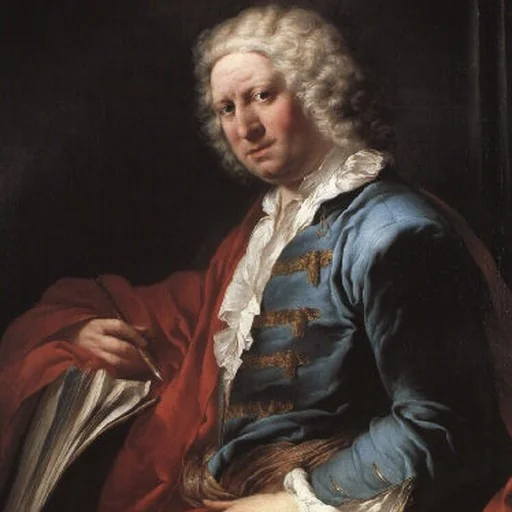
Giovanni Paolo, also known as Gian Paolo Panini or Pannini (17 June 1691 – 21 October 1765), was an Italian Baroque painter and architect who worked in Rome and is primarily known as one of the vedutisti ("view painters").