Artwork
Christ on the Sea of Galilee
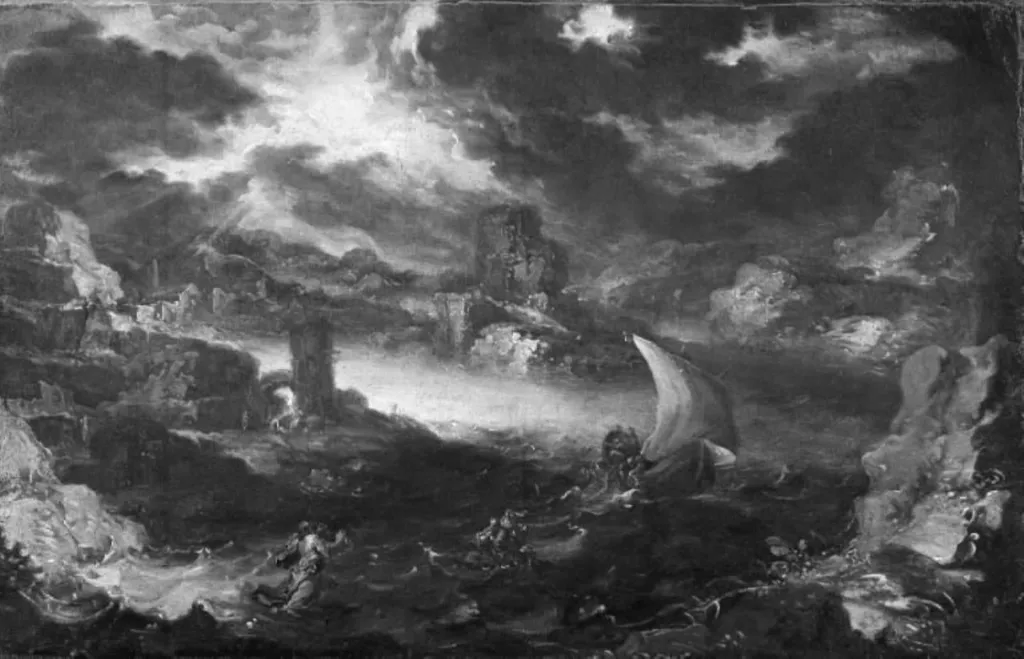
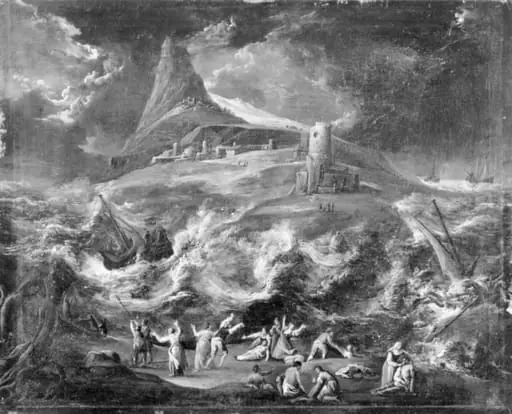
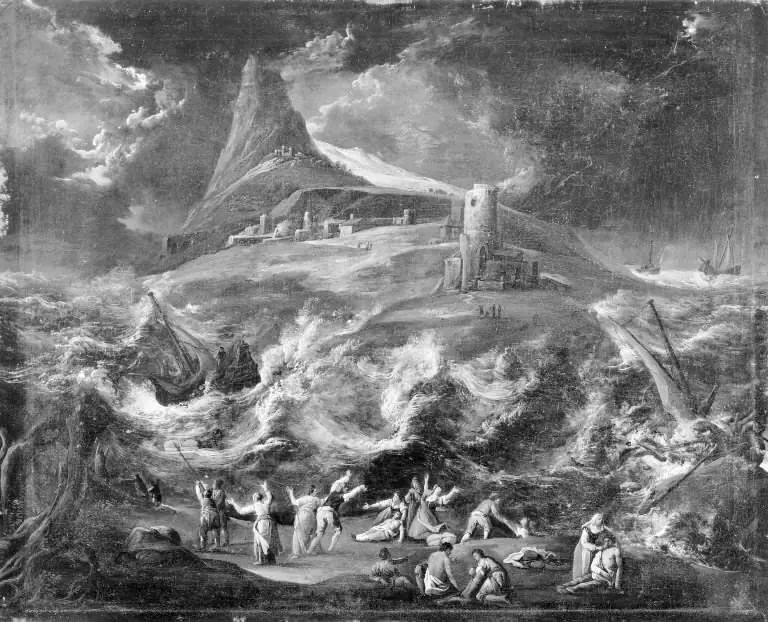
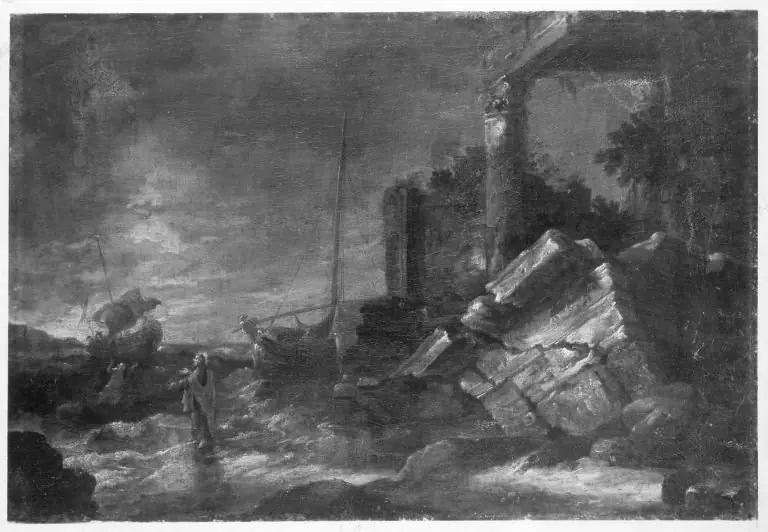
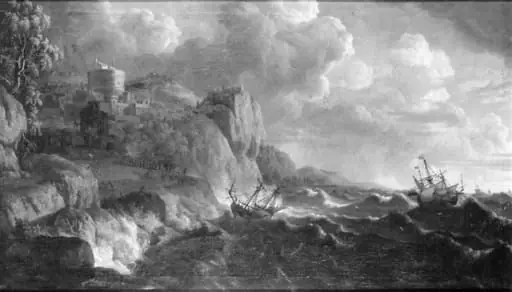
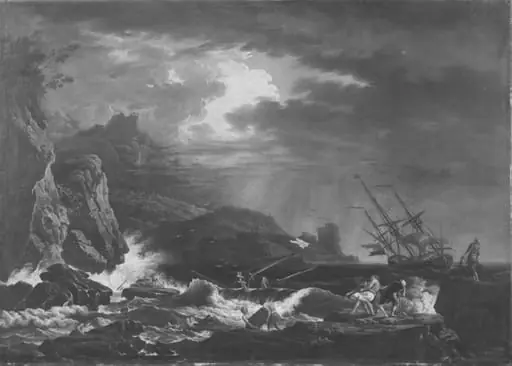
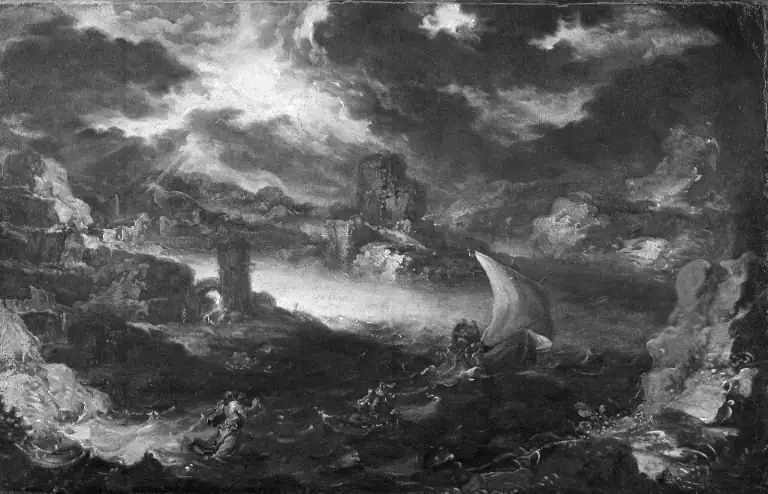
Christ on the Sea of Galilee is a photography by Unknown. It dates from 1750 and is held in the collection of the Statens Museum for Kunst. Painted around 1750, this work depicts the biblical moment when Christ calms the storm on the Sea of Galilee.
About this work
Overview
Painted around 1750, this work depicts the biblical moment when Christ calms the storm on the Sea of Galilee. Rendered in monochrome, the image captures the tension between human fear and divine calm. Though the original was likely in color, this version survives as a black-and-white photographic reproduction, now part of the Museum of Ethnography’s collection.
Subject & Meaning
The scene illustrates a passage from the Gospels in which Jesus walks on water and stills a violent storm, reassuring his disciples. The boat, overwhelmed by towering waves, holds figures in distress, while Christ’s presence—though not visually centered—imbues the moment with quiet authority. The composition emphasizes human vulnerability against natural chaos and spiritual intervention.
Technique & Style
The image employs strong contrasts of light and shadow, characteristic of chiaroscuro, to heighten emotional intensity. The churning sea and dark, rolling clouds are rendered with dynamic brushwork, lending motion and urgency. Despite the monochrome medium, the interplay of tones suggests depth and volume, guiding the viewer’s eye toward the trembling vessel as the focal point.
History & Provenance
The original painting, attributed to an artist active in the mid-18th century, entered the Museum of Ethnography’s holdings in the late 19th or early 20th century. Its current form is a photographic reproduction, likely made for study or dissemination. The original’s whereabouts are unconfirmed, and the photograph remains the primary surviving record of the composition.
Context
Created during a period when religious narratives remained central to European visual culture, the painting reflects devotional traditions that emphasized divine power over nature. Its dramatic style aligns with Baroque sensibilities, even as it predates the full rise of Romanticism. The image would have served both liturgical and educational purposes in domestic or ecclesiastical settings.
Legacy
Though not widely exhibited today, the work contributes to the broader archive of religious imagery preserved in ethnographic collections. Its survival as a photographic copy underscores how such images were reproduced and circulated beyond original canvases, influencing popular visual understanding of biblical stories in the 19th and early 20th centuries.
Artist & collection

 Domestic Scene
 Giacomo and Cardinal Marco, investing Andrea, Abbot of San Zeno, with his Benefice
 The Nymph of Fontainebleau
 Portrait of a Woman
 Madonna and Child with Saints in the Enclosed Garden
 Venus and Minerva
 Family Group of Four on Sofa
 Wall painting from Room H of the Villa of P. Fannius Synistor at Boscoreale