Artwork
Klippekyst med oprørt sø og skibe i havsnød
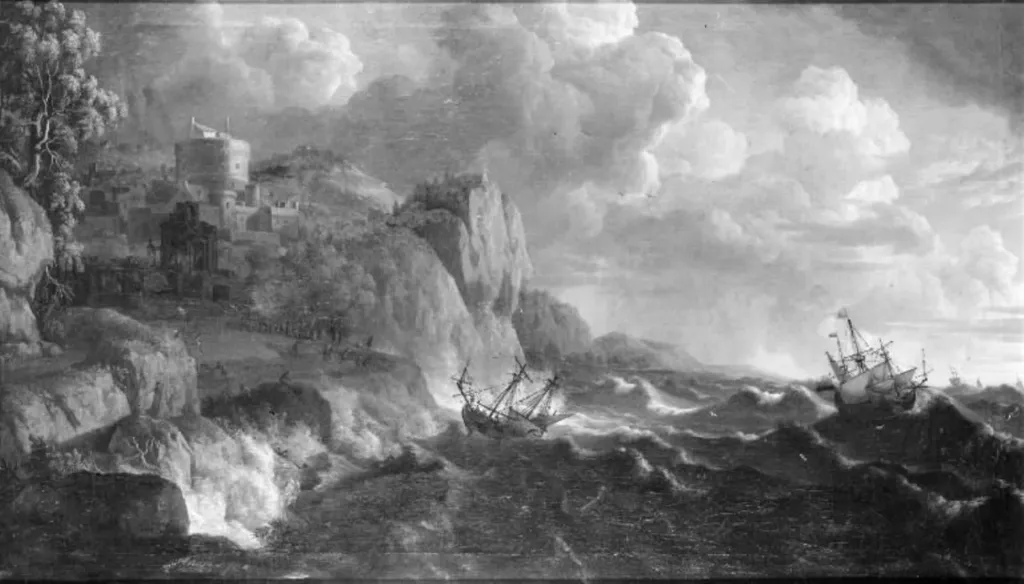
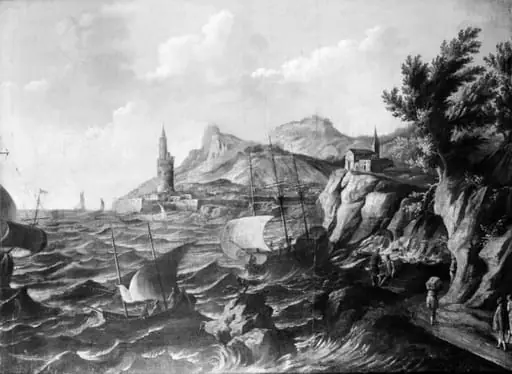
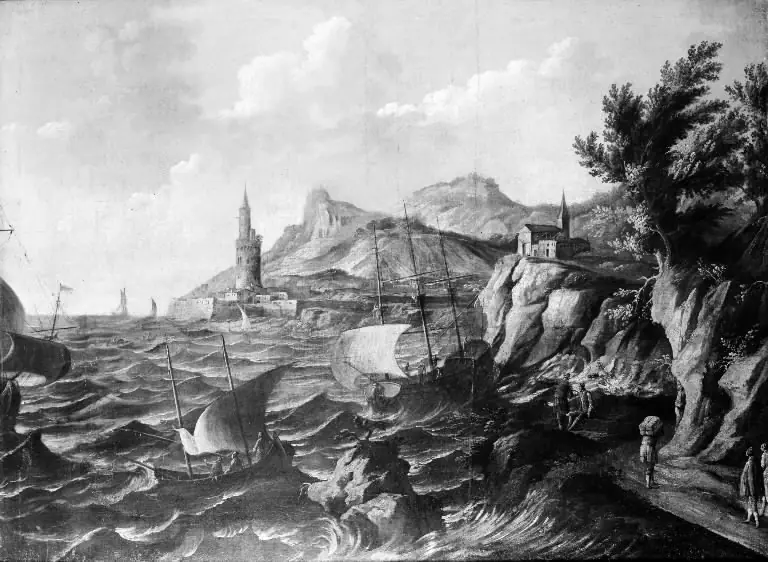
Klippekyst med oprørt sø og skibe i havsnød is a photography by the Baroque artist Unknown. It dates from 1704 and is held in the collection of the Statens Museum for Kunst. Painted in 1704, this seascape depicts a violent coastal storm with three vessels caught in turbulent waters.
About this work
Overview
Its focus on maritime peril reflects a common theme in early 18th-century Nordic painting, where nature’s power was rendered with emotional intensity.
Painted in 1704, this seascape depicts a violent coastal storm with three vessels caught in turbulent waters. The work is attributed to an artist identified only by a numeric designation, and it resides in the collection of the Museum of Ethnography. Its focus on maritime peril reflects a common theme in early 18th-century Nordic painting, where nature’s power was rendered with emotional intensity.
Subject & Meaning
The scene portrays three ships battling a fierce storm, one visibly sinking beneath the waves. To the left, a rocky cliff shelters a modest coastal settlement with a single tower and clustered dwellings. The composition suggests human vulnerability against elemental forces, evoking themes of fate, endurance, and the precariousness of seafaring life in northern waters.
Technique & Style
The artist employs stark contrasts between shadowed waves and fleeting patches of light to heighten the drama. Brushwork is energetic, with diagonal lines suggesting motion and instability. The sky, heavy with clouds, frames the chaos below, while the rocky shore anchors the composition. These techniques align with Baroque sensibilities, emphasizing emotional impact over idealized calm.
History & Provenance
The painting entered the Museum of Ethnography’s holdings in the late 19th century, though its earlier ownership remains undocumented. Its attribution to a numeric identifier suggests incomplete archival records, common for lesser-known Nordic artists of the period. No records indicate public exhibition prior to its museum acquisition.
Context
Created during a time when maritime trade and fishing were vital to Scandinavian economies, the painting reflects contemporary anxieties about sea travel. Coastal communities relied on seafaring but faced frequent losses to storms. This work likely resonated with audiences familiar with such dangers, serving as both record and warning.
Legacy
Though not widely reproduced or studied, the painting contributes to a regional tradition of storm scenes that documented the relationship between coastal populations and the sea. Its preservation in a museum focused on cultural artifacts underscores its value as a visual testimony to historical lived experience, rather than as a celebrated artistic achievement.
Artist & collection

 Domestic Scene
 Giacomo and Cardinal Marco, investing Andrea, Abbot of San Zeno, with his Benefice
 The Nymph of Fontainebleau
 Portrait of a Woman
 Madonna and Child with Saints in the Enclosed Garden
 Venus and Minerva
 Family Group of Four on Sofa
 Wall painting from Room H of the Villa of P. Fannius Synistor at Boscoreale
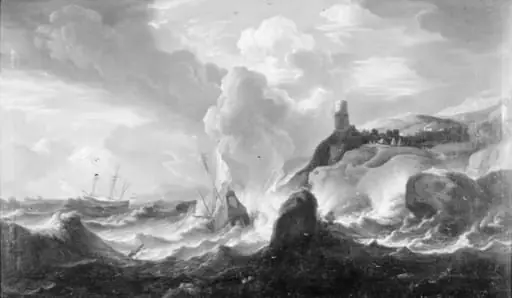 A Rocky Coast with a Atormy Sea and Ships Being Wrecked
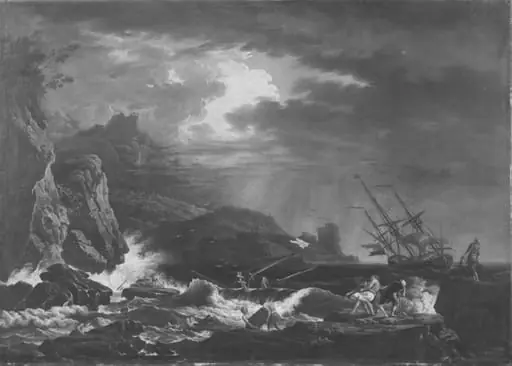 Seascape, Gale
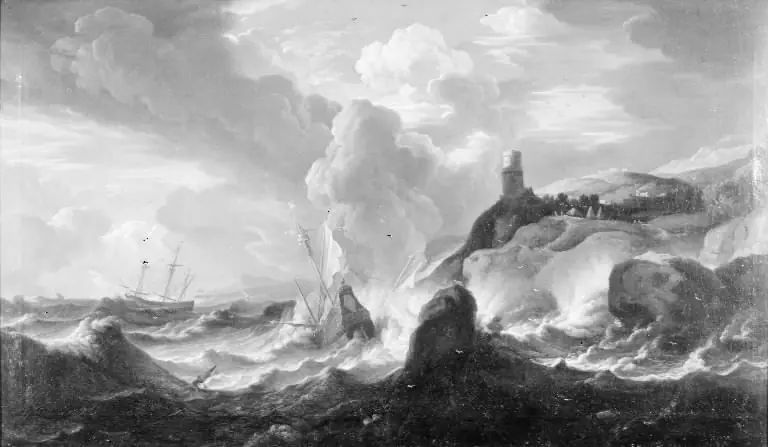 A Rocky Coast with a Atormy Sea and Ships Being Wrecked
 Ships off a Rocky Coast
 Seascape, Gale
 Mountain Landscape with a Watermill and Castle Ruins
 Abendlandschaft (zugeschrieben)
 Ships off a Rocky Coast
 Mountain Landscape with a Watermill and Castle Ruins
 Storm Surge