Artwork
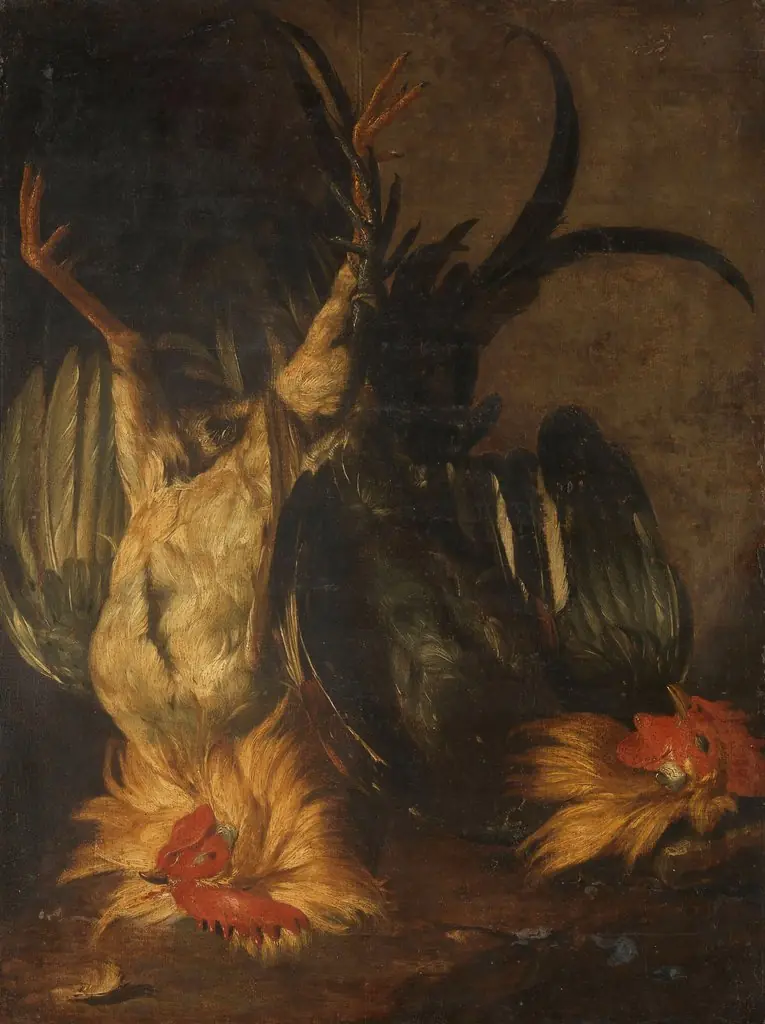
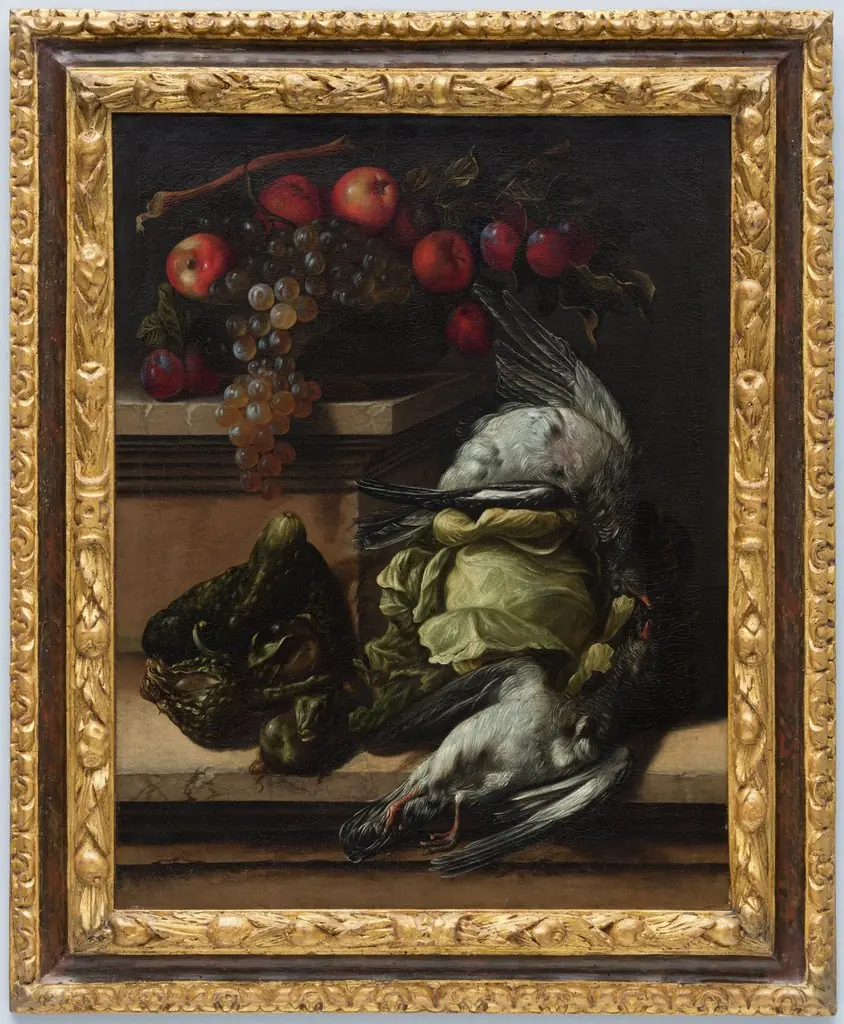
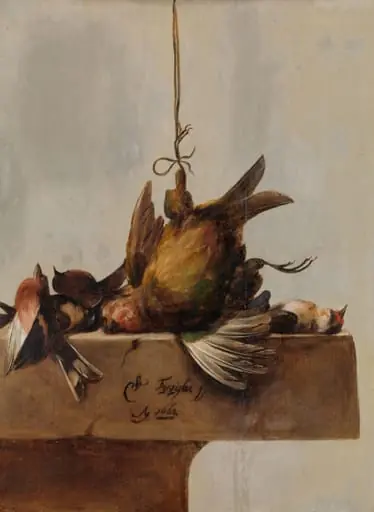
Dead Wildfowl
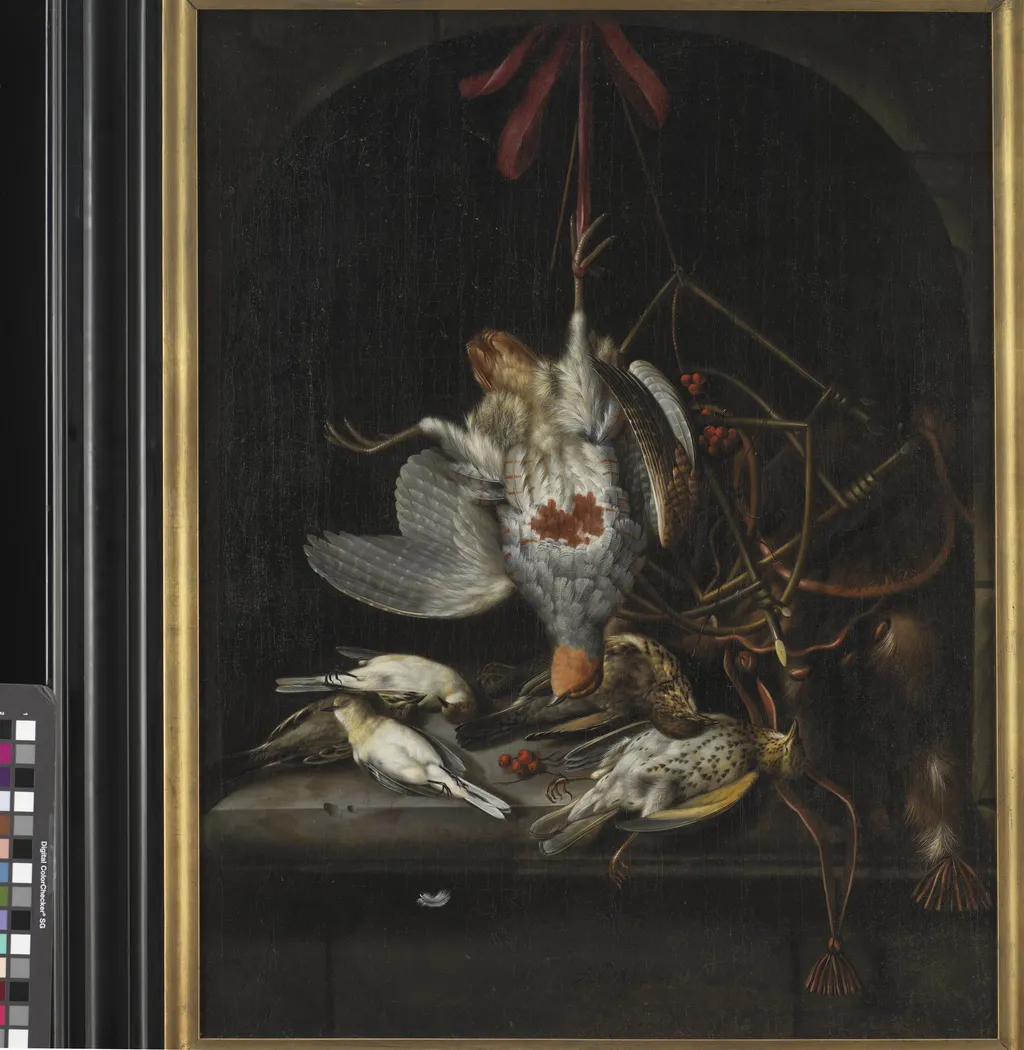
Dead Wildfowl is a photography by the Baroque artist Unknown. It dates from 1674 and is held in the collection of the Statens Museum for Kunst.
About this work
Overview
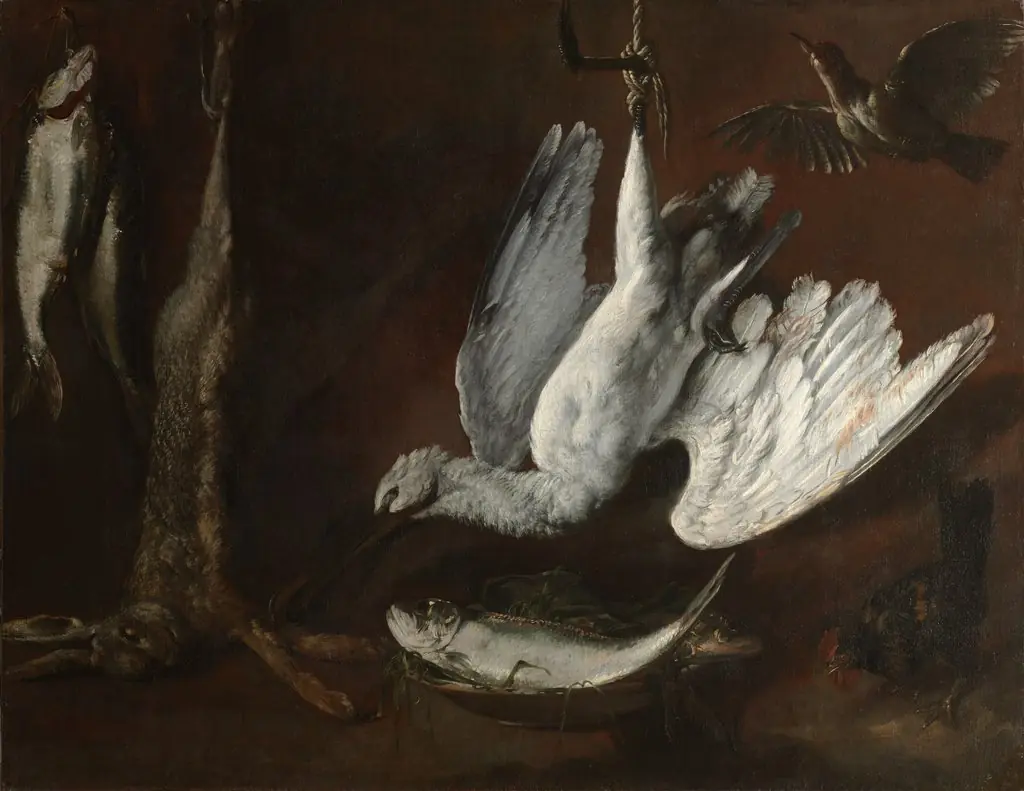
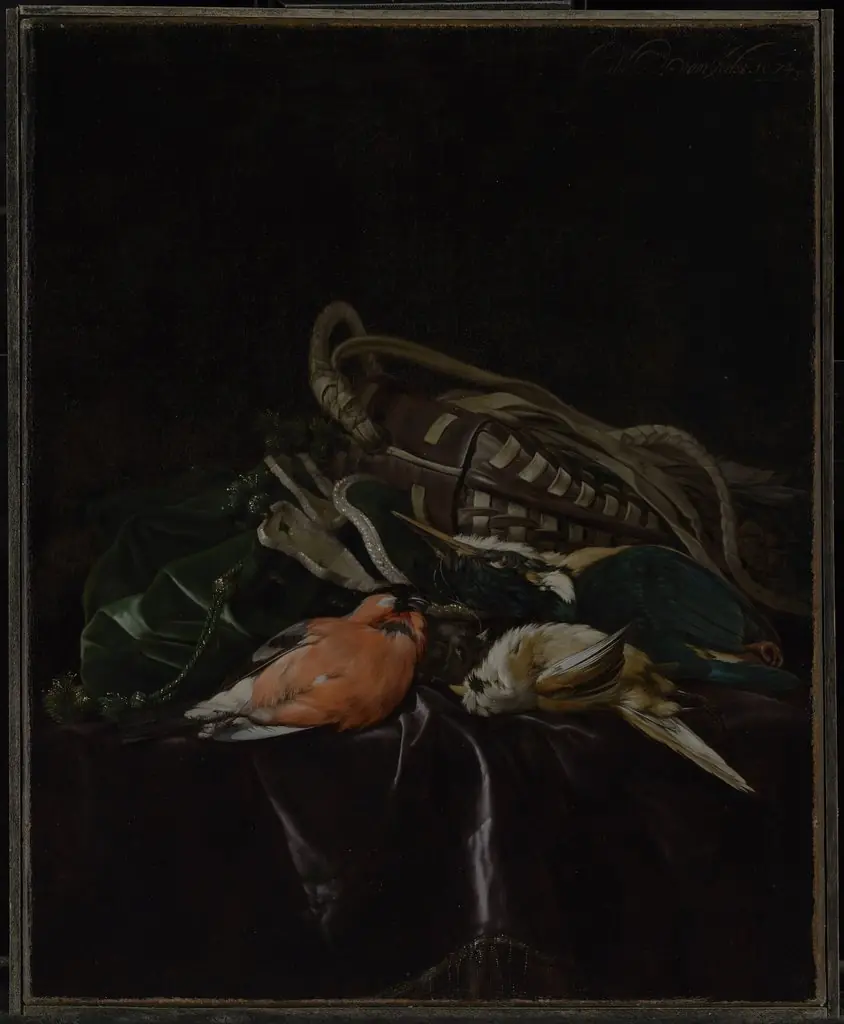
Dead Wildfowl, executed in 1674 by the artist identified as 34839_person, is an image‑based work held in the collection of the Museum of Ethnography. The composition presents a still‑life arrangement of several deceased birds, placed on a simple, flat surface that suggests a table or ledge. The dark ground behind the figures heightens the visual impact of the birds’ forms and colors.
Subject & Meaning
The work portrays a group of wildfowl rendered after death, each bird captured in a distinct pose—some appear mid‑flight, others lie on their backs or sides. By confronting the viewer with the bodies of hunted animals, the image invites quiet reflection on mortality, the transience of nature, and the cultural practices surrounding the procurement of food.
Technique & Style
Visible brushstrokes lend a tactile quality to the surface, while the contrast between the dark background and the illuminated birds creates depth.
The artist employs a limited palette of browns, grays and whites, allowing subtle tonal variations to model the feathers and flesh. Visible brushstrokes lend a tactile quality to the surface, while the contrast between the dark background and the illuminated birds creates depth. The handling balances realism in the anatomical details with a compositional simplicity that emphasizes the subject’s stillness.
History & Provenance
Created in the late seventeenth century, Dead Wildfowl entered the Museum of Ethnography’s holdings at an unspecified date. The museum’s acquisition reflects its broader interest in works that document everyday material culture, particularly those that illustrate hunting practices and the representation of animal life in visual art.
Context
The image belongs to a tradition of European still‑life painting that often featured game and dead animals as symbols of abundance, mortality, or the fleeting nature of pleasure. In the 1670s, such subjects were common in both domestic and courtly settings, serving both decorative and didactic purposes within the visual culture of the period.
Artist & collection

 Domestic Scene
 Giacomo and Cardinal Marco, investing Andrea, Abbot of San Zeno, with his Benefice
 The Nymph of Fontainebleau
 Portrait of a Woman
 Madonna and Child with Saints in the Enclosed Garden
 Venus and Minerva
 Family Group of Four on Sofa
 Wall painting from Room H of the Villa of P. Fannius Synistor at Boscoreale