Artwork
Digitalis grandiflora (storblomstret fingerbøl); Physostegia virginiana (drejeblomst); Digitalis purpurea (almindelig fingerbøl)
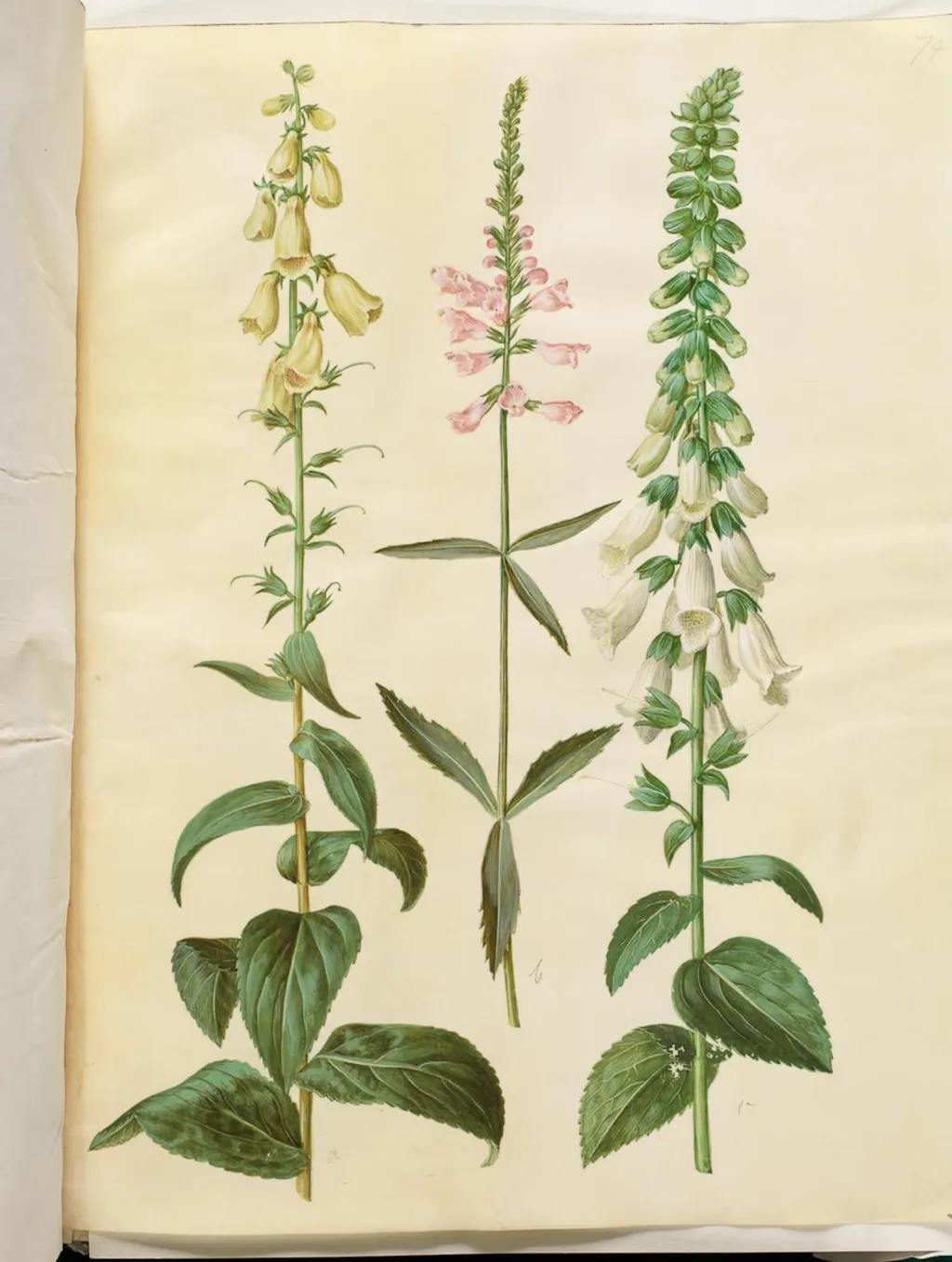
Digitalis grandiflora (storblomstret fingerbøl); Physostegia virginiana (drejeblomst); Digitalis purpurea (almindelig fingerbøl) is an unspecified work on paper by Unknown. It dates from 1654 and is held in the collection of the Statens Museum for Kunst.
About this work
Overview
This watercolor painting, dated around 1654, depicts three distinct flowering plants: Digitalis grandiflora, Physostegia virginiana, and Digitalis purpurea.
This watercolor painting, dated around 1654, depicts three distinct flowering plants: Digitalis grandiflora, Physostegia virginiana, and Digitalis purpurea. Rendered with precision, the work belongs to a tradition of botanical illustration that prioritized scientific accuracy over artistic flourish. It is held in the collection of the Museum of Ethnography, where it serves as a record of plant species observed in early modern Europe and North America.
Subject & Meaning
The painting presents three species native to temperate regions, each identified by its common and Latin names. The arrangement suggests a comparative study: the pendulous yellow and white blooms of the foxgloves contrast with the upright pink spikes of the obedient plant. These plants were likely chosen for their medicinal properties or botanical rarity, reflecting contemporary interest in cataloging flora for herbal use and natural philosophy.
Technique & Style
Executed in watercolor, the work demonstrates meticulous attention to botanical detail. Veins on the leaves, petal textures, and stem contours are rendered with fine brushwork, emphasizing structural clarity. The use of transparent washes allows underlying pencil lines to remain visible, indicating a preparatory, observational approach typical of scientific illustration rather than decorative art.
History & Provenance
Attributed to an artist identified only as 35199_person, the painting’s origin remains undocumented beyond its date and medium. It entered the Museum of Ethnography’s holdings at an unknown time, likely as part of a broader collection of natural history materials assembled during the 17th or 18th century. Its preservation suggests it was valued for its instructional or archival function rather than aesthetic appeal.
Context
Created during a period of expanding botanical exploration, the painting aligns with European efforts to classify and document plant life. Such illustrations often accompanied herbals or were used by apothecaries and scholars. The inclusion of both European and North American species hints at the exchange of botanical knowledge across continents, facilitated by colonial networks and scientific correspondence.
Legacy
Though unsigned and unattributed to a known artist, the work endures as a specimen of early scientific illustration. It contributes to the historical record of how plants were visually understood before photography. Its presence in a museum of ethnography underscores the intersection of natural history and cultural documentation, where botanical knowledge was intertwined with broader systems of observation and classification.
Artist & collection

 Domestic Scene
 Giacomo and Cardinal Marco, investing Andrea, Abbot of San Zeno, with his Benefice
 The Nymph of Fontainebleau
 Portrait of a Woman
 Madonna and Child with Saints in the Enclosed Garden
 Venus and Minerva
 Family Group of Four on Sofa
 Wall painting from Room H of the Villa of P. Fannius Synistor at Boscoreale
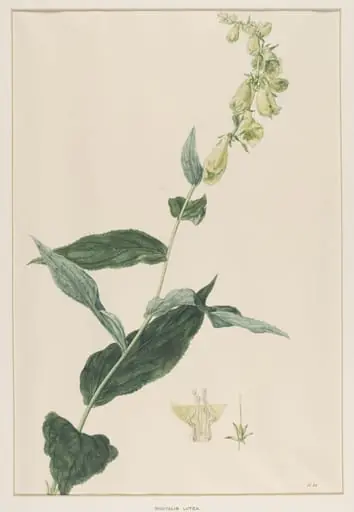 Digitalis Lutea
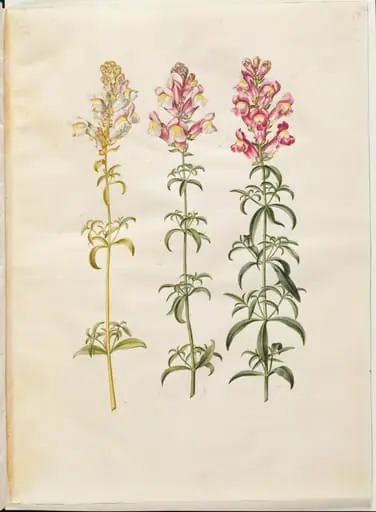 Antirrhinum majus (have-løvemund)
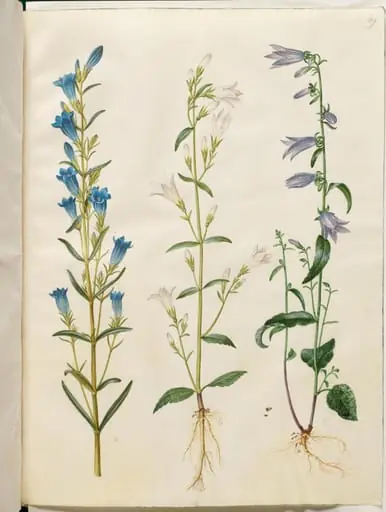 Gentiana pneumonanthe (klokke-ensian); Campanula patula (eng-klokke); Campanula rapunculoides (ensidig klokke)
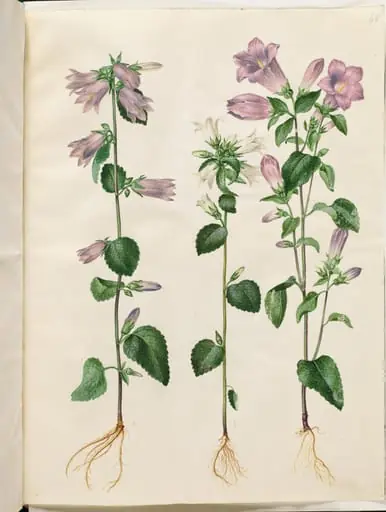 Campanula trachelium (nælde-klokke); Campanula medium (marie-klokke)
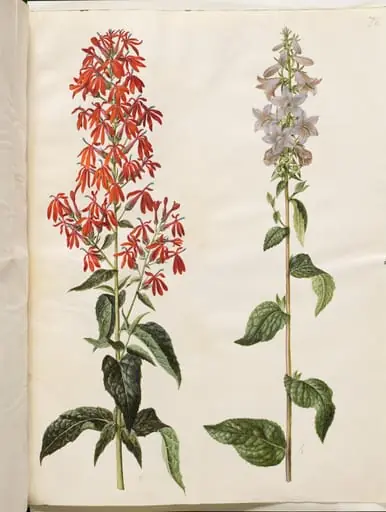 Lobelia cardinalis (kardinal-lobelie); Campanula latifolia (bredbladet klokke)
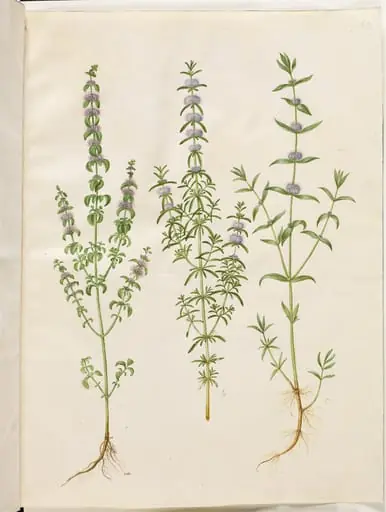 Mentha pulegium (polej-mynte); Mentha cervina (hjorte-mynte); Mentha (art af mynte)
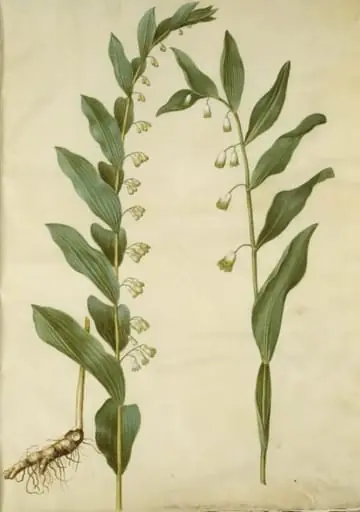 Polygonatum multiflorum (stor konval); Polygonatum odoratum (kantet konval)