Artwork
Geranium sanguineum striatum (stribet storkenæb); Ranunculus asiaticus (have-ranunkel)
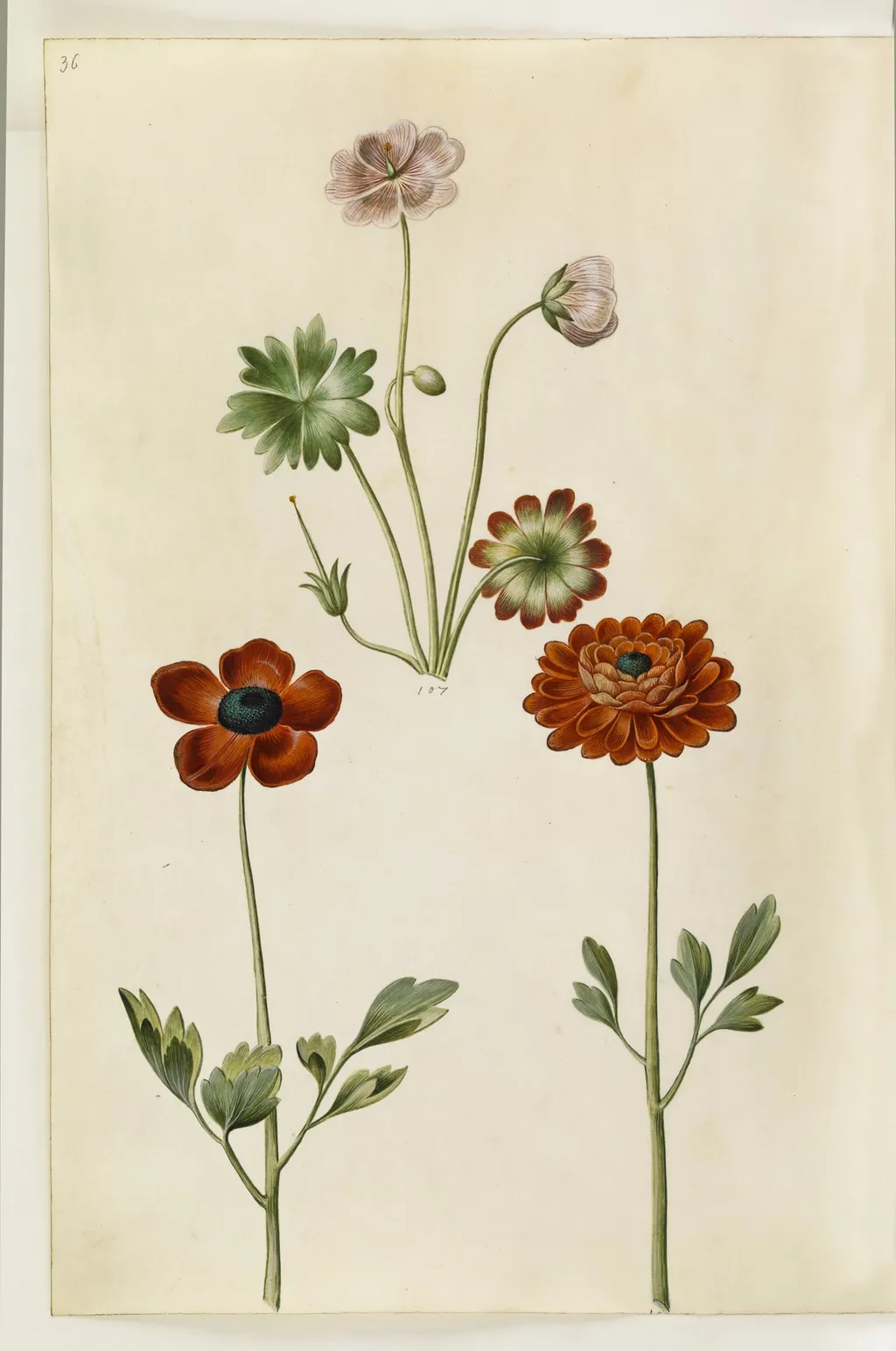
Geranium sanguineum striatum (stribet storkenæb); Ranunculus asiaticus (have-ranunkel) is an unspecified work on paper by Unknown. It dates from 1650 and is held in the collection of the Statens Museum for Kunst. This botanical illustration, dated around 1650, depicts five distinct flowering plants emerging from a shared stem.
About this work
Overview
It is part of the collection at the Museum of Ethnography, where it serves as a record of plant species observed in early modern Europe.
This botanical illustration, dated around 1650, depicts five distinct flowering plants emerging from a shared stem. Rendered in watercolor, the work captures Geranium sanguineum striatum and Ranunculus asiaticus with precision. It is part of the collection at the Museum of Ethnography, where it serves as a record of plant species observed in early modern Europe. The composition reflects the scientific intent behind many illustrations of the period.
Subject & Meaning
The painting presents two species of flowering plants, each rendered with botanical accuracy. The inclusion of both open blooms and an unopened bud suggests a focus on developmental stages, likely to aid identification. These plants were known in European gardens and herbal traditions, and their depiction implies an interest in cataloging natural forms for educational or medicinal purposes rather than decorative display.
Technique & Style
Watercolor was applied with fine brushwork to achieve subtle gradations of color—deep reds, pale pinks, and muted greens—without harsh outlines. The artist meticulously rendered leaf veins, petal textures, and stem details, demonstrating a commitment to observable truth. The lack of background or contextual elements directs attention solely to the plants, aligning with the conventions of scientific illustration of the time.
History & Provenance
The work is attributed to an anonymous artist, identified only by a catalog number, and likely originated in a northern European context. It was probably produced as part of a larger collection of plant studies, possibly for use in herbal manuals or academic circles. Its current home in the Museum of Ethnography suggests it was later collected as a cultural artifact reflecting early natural history practices.
Context
In the mid-17th century, detailed botanical drawings were essential tools for scholars and apothecaries seeking to classify and utilize plants. This illustration aligns with a broader European trend of documenting flora through visual means, especially as botanical gardens expanded and printed herbals grew in popularity. Such images bridged art and science, prioritizing clarity over aesthetic flourish.
Legacy
Though unsigned and uncelebrated in its time, the work endures as an example of early scientific observation. Its careful rendering contributes to the historical record of how plants were understood and represented before modern taxonomy. Today, it offers insight into the quiet, methodical labor behind the development of botanical knowledge in early modern Europe.
Artist & collection

 Domestic Scene
 Giacomo and Cardinal Marco, investing Andrea, Abbot of San Zeno, with his Benefice
 The Nymph of Fontainebleau
 Portrait of a Woman
 Madonna and Child with Saints in the Enclosed Garden
 Venus and Minerva
 Family Group of Four on Sofa
 Wall painting from Room H of the Villa of P. Fannius Synistor at Boscoreale
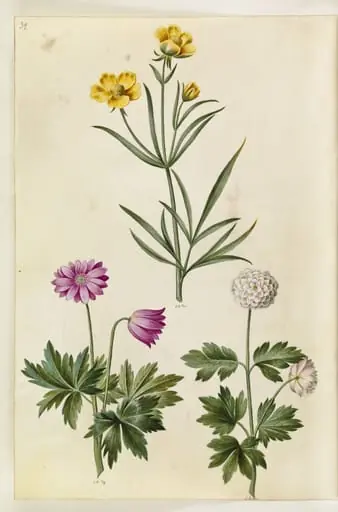 Ranunculus illyricus (steppe-ranunkel); Anemone nemorosa (hvid anemone)
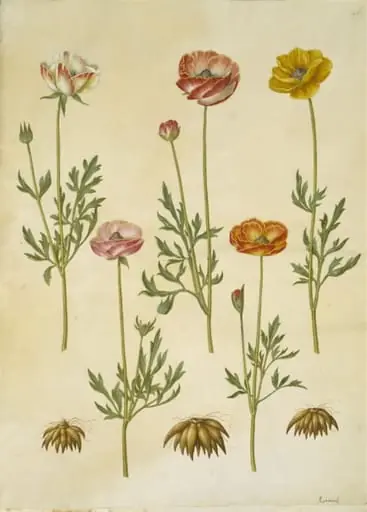 Ranunculus asiaticus (have-ranunkel)
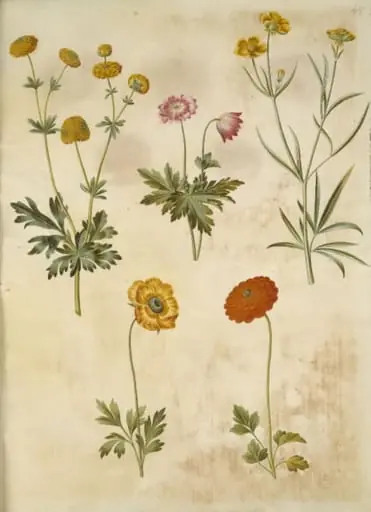 Ranunculus acris (guldknap-ranunkel); Anemone nemorosa (hvid anemone); Ranunculus illyricus (steppe-ranunkel); Ranunculus asiaticus (have-ranunkel)
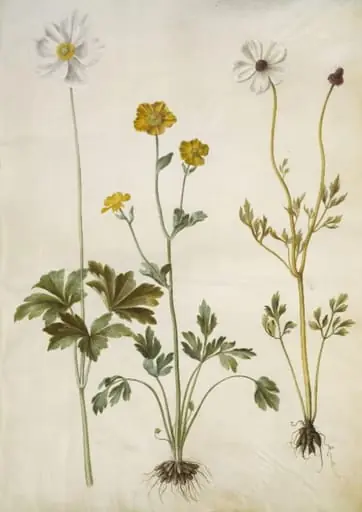 Anemone sylvestris (sommer-anemone); Ranunculus monspeliacus (silke-ranunkel); Ranunculus asiaticus (have-ranunkel)
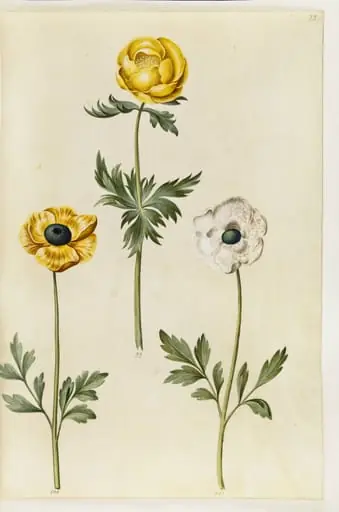 Trollius europaeus (europæisk engblomme); Ranunculus asiaticus (have-ranunkel)
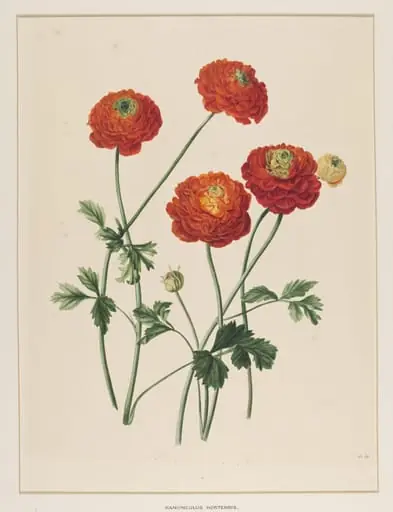 Ranunculus Hortensis
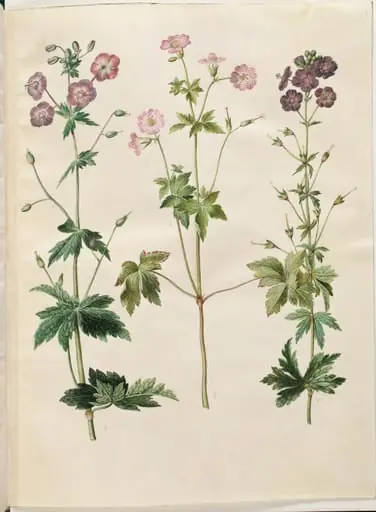 Geranium phaeum (bølgekronet storkenæb); Geranium versicolor (net-storkenæb)
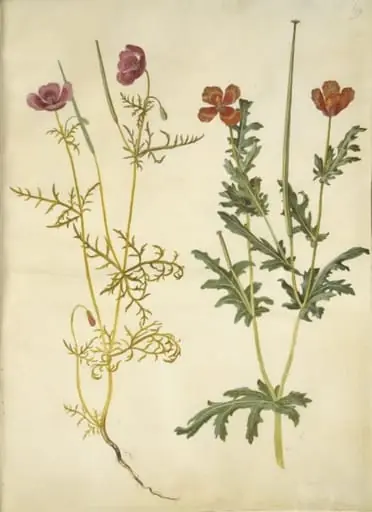 Roemeria hybrida (violet hornvalmue); Glaucium corniculatum (rød hornskulpe)
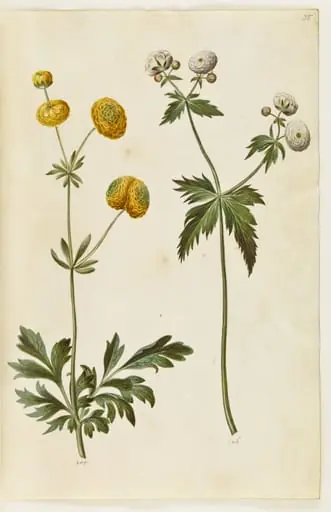 Ranunculus acris (guldknap-ranunkel); Ranunculus aconitifolius (sølvknap-ranunkel)
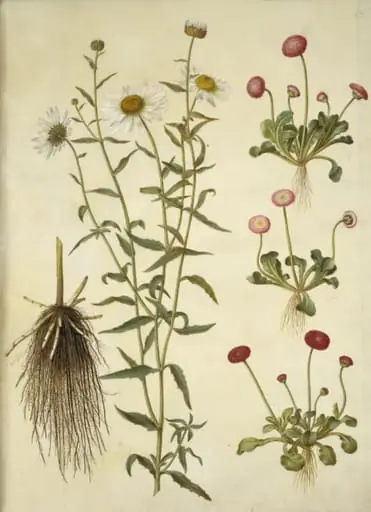 Leucanthemum vulgare (hvid okseøje); Bellis perennis (almindelig tusindfryd)