Artwork
Iris graminea (græsbladet iris); Iris sibirica (sibirisk iris); Iris pseudacorus (gul iris)
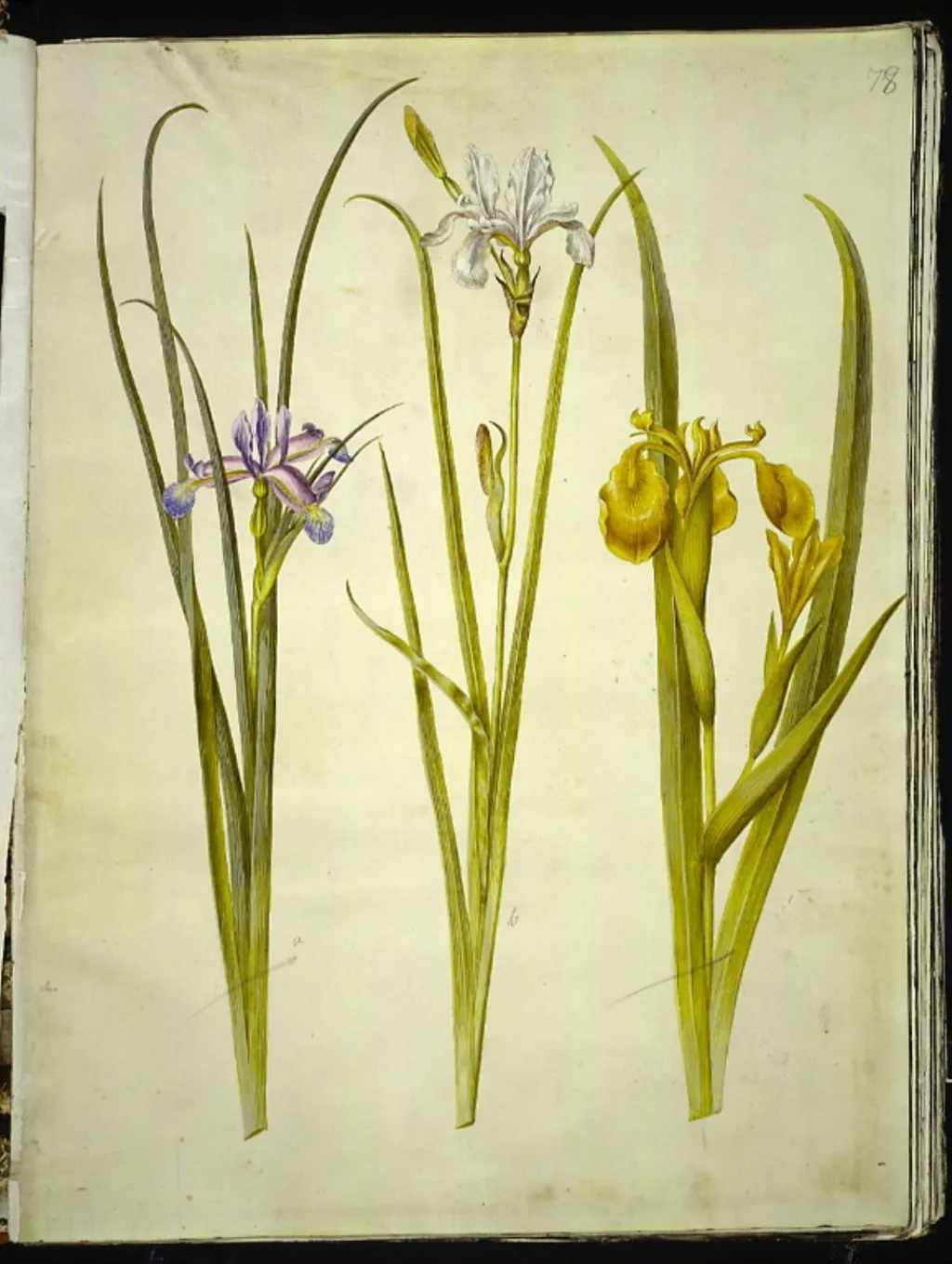
Iris graminea (græsbladet iris); Iris sibirica (sibirisk iris); Iris pseudacorus (gul iris) is an unspecified work on paper by Unknown. It dates from 1654 and is held in the collection of the Statens Museum for Kunst.
About this work
Overview
It is held in the collection of the Museum of Ethnography, where it serves as a record of plant diversity rather than a standalone artistic statement.
This painting, dated around 1654, depicts three species of iris native to northern Europe: Iris graminea, Iris sibirica, and Iris pseudacorus. Rendered in a detailed, naturalistic style, the work belongs to a tradition of botanical illustration that prioritized accurate representation over decorative flourish. It is held in the collection of the Museum of Ethnography, where it serves as a record of plant diversity rather than a standalone artistic statement.
Subject & Meaning
Each iris is identified by its botanical name and visually distinguished by flower color and leaf structure. The left panel shows purple blooms with yellow centers, the center panel white flowers on upright green stems, and the right panel bright yellow blossoms with slender, grass-like foliage. The selection reflects an interest in regional flora, possibly for scientific or horticultural documentation, emphasizing differentiation over symbolism.
Technique & Style
The artist employed fine brushwork and layered pigments to capture the texture of petals and the translucency of leaves. Background tones are deliberately subdued, allowing the plants to stand in clear relief. The absence of dramatic lighting or ornamental elements suggests a methodical approach, aligned with early scientific illustration practices where clarity and precision took precedence over aesthetic embellishment.
History & Provenance
The painting’s origin is tied to a collector or naturalist active in mid-17th-century Scandinavia or the Low Countries, regions with growing interest in systematic plant study. It entered the Museum of Ethnography’s holdings through a later acquisition, likely as part of a broader collection of natural history materials. The artist’s identity remains unverified, though the style aligns with anonymous practitioners of botanical art from the period.
Context
Created during a time when European scholars were cataloging flora with increasing rigor, this work reflects the intersection of art and emerging scientific disciplines. Similar illustrations appeared in herbals and botanical manuscripts, often used to aid identification. The focus on native species suggests local relevance, possibly for educational or gardening purposes, rather than exotic display.
Legacy
Though not widely exhibited, the painting contributes to a quiet but enduring tradition of observational plant art. Its preservation in an ethnographic museum underscores its value as a cultural artifact of early scientific inquiry. It remains a reference point for understanding how visual accuracy supported botanical knowledge before the advent of photography.
Artist & collection

 Domestic Scene
 Giacomo and Cardinal Marco, investing Andrea, Abbot of San Zeno, with his Benefice
 The Nymph of Fontainebleau
 Portrait of a Woman
 Madonna and Child with Saints in the Enclosed Garden
 Venus and Minerva
 Family Group of Four on Sofa
 Wall painting from Room H of the Villa of P. Fannius Synistor at Boscoreale
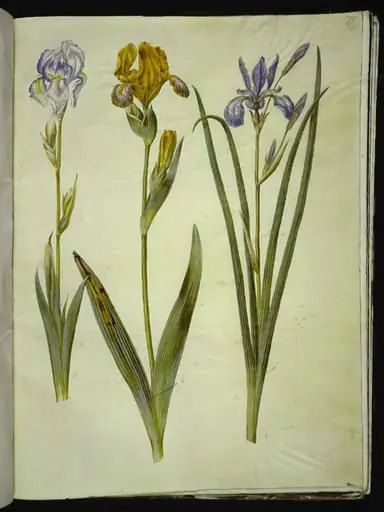 Iris pallida (bleg iris); Iris variegata (broget iris); Iris sibirica (sibirisk iris)
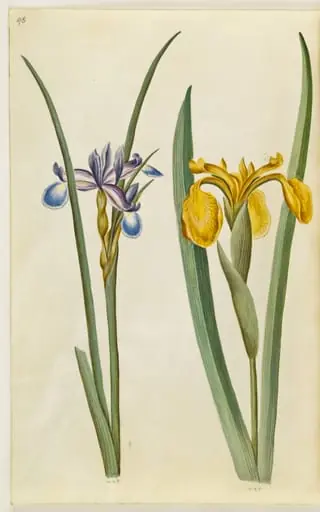 Iris graminea (græsbladet iris); Iris pseudacorus (gul iris)
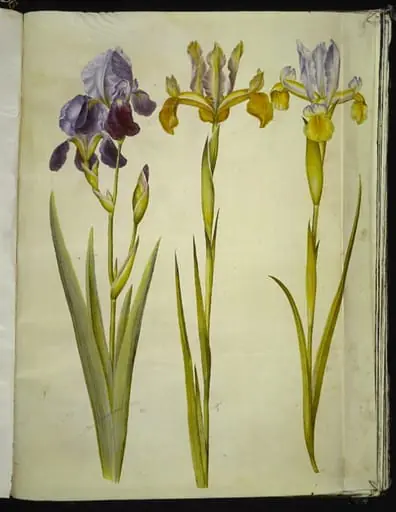 Iris ×sambucina (hylde-iris); Iris latifolia (engelsk iris)
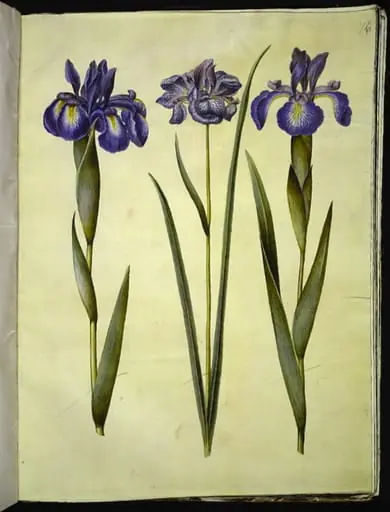 Iris latifolia (engelsk iris); Iris sibirica (sibirisk iris)
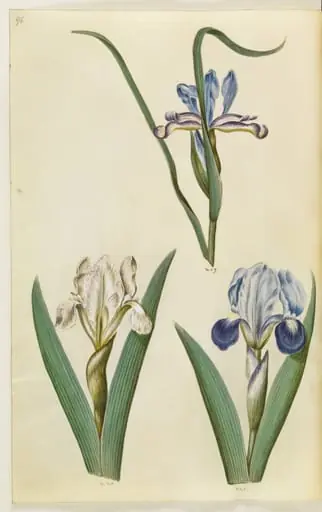 Iris graminea (græsbladet iris); Iris lutescens eller Iris pumila (?) (dværg-iris eller lav iris)
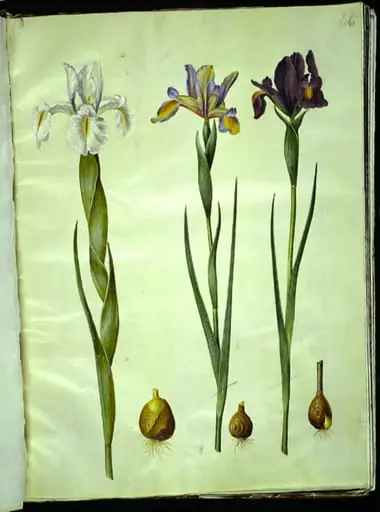 Iris latifolia (engelsk iris); Iris xiphium (spansk iris)
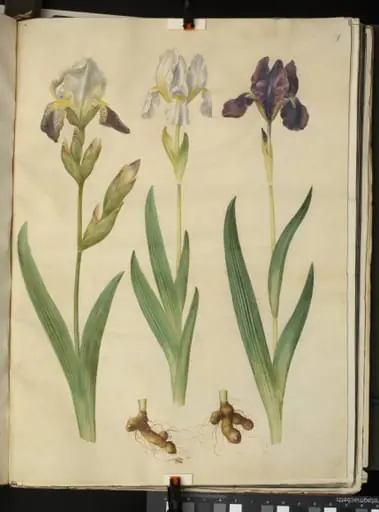 Iris ×squalens (iris-hybrid); Iris (iris)
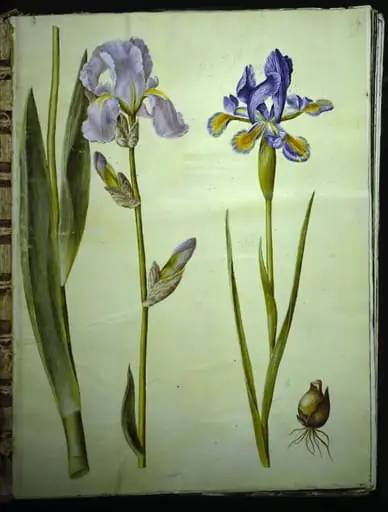 Iris ×germanica (have-iris); Iris xiphium (spansk iris)
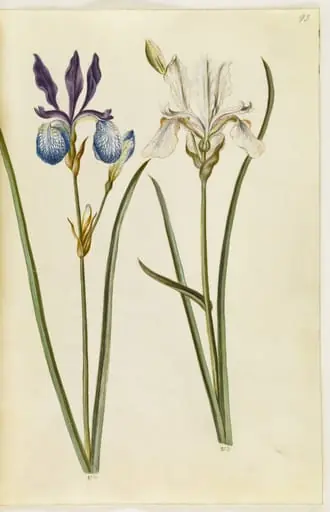 Iris sibirica (sibirisk iris)
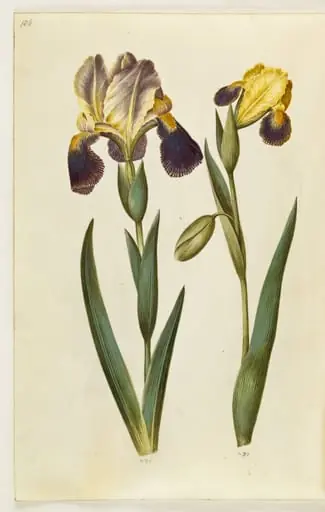 Iris ×germanica eller Iris ×sambucina (have-iris eller hylde-iris); Iris variegata (broget iris)
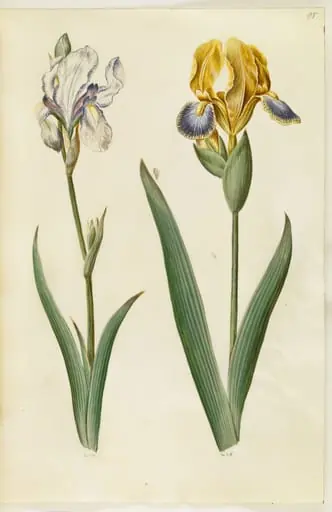 Iris pallida (bleg iris); Iris variegata (broget iris)