Artwork
Iris ×sambucina (hylde-iris); Iris latifolia (engelsk iris)
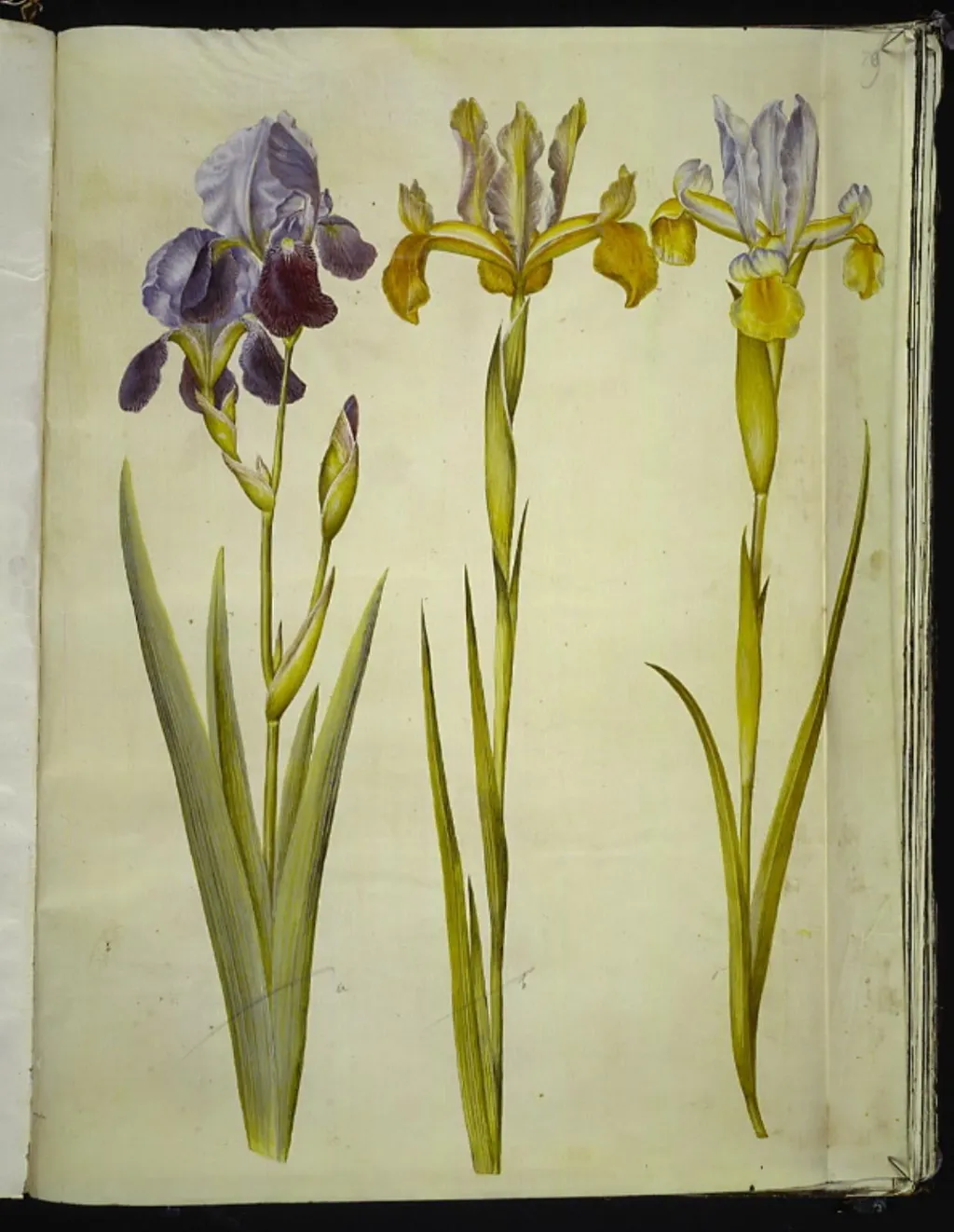
Iris ×sambucina (hylde-iris); Iris latifolia (engelsk iris) is an unspecified work on paper by Unknown. It dates from 1654 and is held in the collection of the Statens Museum for Kunst. This watercolor painting, dated around 1654, depicts three iris specimens rendered with botanical precision.
About this work
Overview
The flowers are arranged simply against a pale background, emphasizing their form and structure rather than decorative composition.
This watercolor painting, dated around 1654, depicts three iris specimens rendered with botanical precision. Created by an unnamed artist, the work is part of the Museum of Ethnography’s collection. The flowers are arranged simply against a pale background, emphasizing their form and structure rather than decorative composition. The technique reflects a scientific interest in plant morphology common in mid-seventeenth-century natural studies.
Subject & Meaning
The painting features two cultivated iris species: Iris ×sambucina and Iris latifolia. Each bloom is distinguished by subtle variations in petal coloration—deep purple, muted yellow-purple, and yellow with purple margins—highlighting natural variation within the genus. The focus on individual specimens suggests an intent to document botanical diversity, likely for scholarly or horticultural reference rather than aesthetic display.
Technique & Style
The artist employed transparent watercolor washes to build subtle tonal gradations, capturing the delicate veining of petals and the tapering form of slender leaves. Layers of pigment were applied with restraint, preserving the paper’s brightness to suggest light and texture. The precise, unembellished lines reflect a method rooted in empirical observation, typical of pre-Linnaean botanical illustration.
History & Provenance
The painting’s origin is tied to a tradition of European botanical documentation in the decades before formal taxonomy emerged. It entered the Museum of Ethnography’s holdings through an early collection of natural history materials, though its specific provenance prior to museum acquisition remains undocumented. Its survival suggests it was valued for its accuracy rather than its artistic flair.
Context
In mid-1600s Europe, detailed plant illustrations were produced by physicians, apothecaries, and amateur naturalists to aid in plant identification and medicinal use. This work aligns with a broader movement toward visual recording of flora, preceding the standardized classification systems of Linnaeus. Such images served as visual archives before photography, bridging art and early science.
Legacy
Though unsigned and unattributed, the painting contributes to a historical record of how plants were visually understood before modern botany. Its preservation underscores the enduring value of observational accuracy in scientific illustration. Today, it remains a quiet testament to the quiet labor of documenting nature’s diversity through careful hand-rendered detail.
Artist & collection

 Domestic Scene
 Giacomo and Cardinal Marco, investing Andrea, Abbot of San Zeno, with his Benefice
 The Nymph of Fontainebleau
 Portrait of a Woman
 Madonna and Child with Saints in the Enclosed Garden
 Venus and Minerva
 Family Group of Four on Sofa
 Wall painting from Room H of the Villa of P. Fannius Synistor at Boscoreale
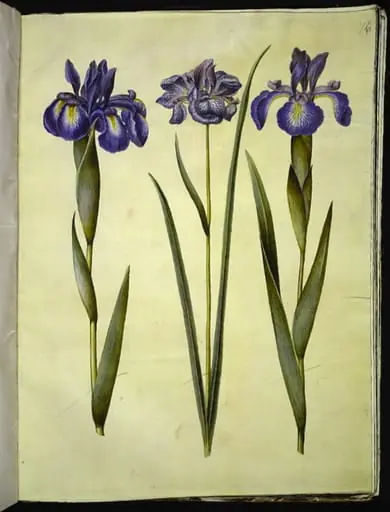 Iris latifolia (engelsk iris); Iris sibirica (sibirisk iris)
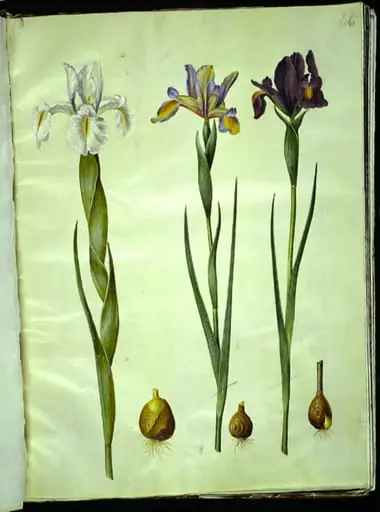 Iris latifolia (engelsk iris); Iris xiphium (spansk iris)
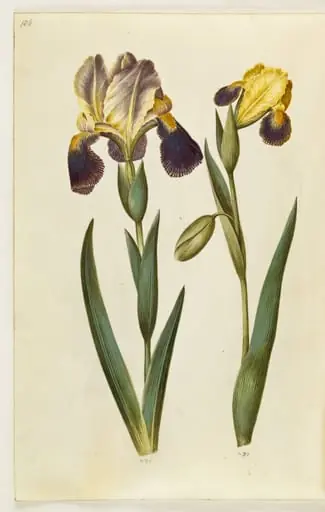 Iris ×germanica eller Iris ×sambucina (have-iris eller hylde-iris); Iris variegata (broget iris)
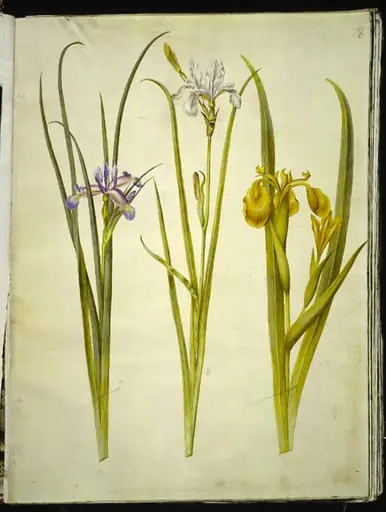 Iris graminea (græsbladet iris); Iris sibirica (sibirisk iris); Iris pseudacorus (gul iris)
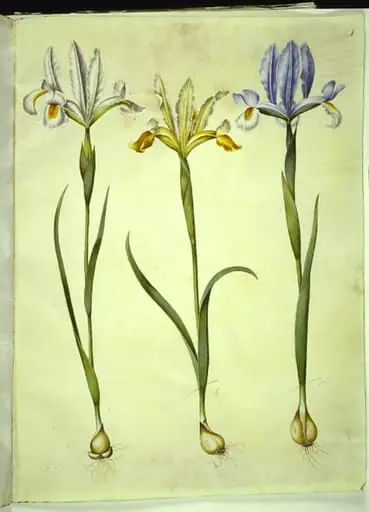 Iris xiphium (spansk iris) eller Iris latifolia (engelsk iris); Iris xiphium (spansk iris)
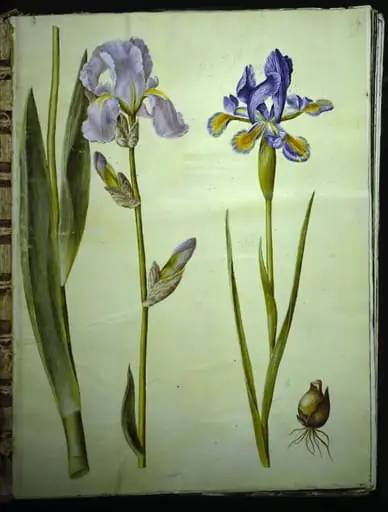 Iris ×germanica (have-iris); Iris xiphium (spansk iris)
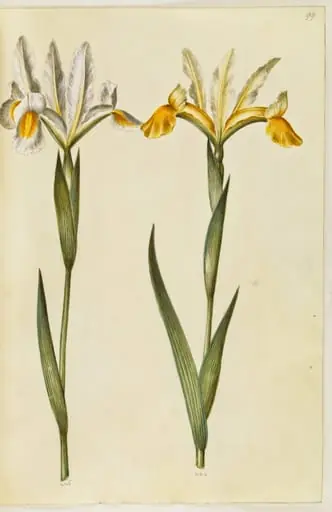 Iris xiphium, evt. Iris latifolia (?) (spansk iris eller engelsk iris)
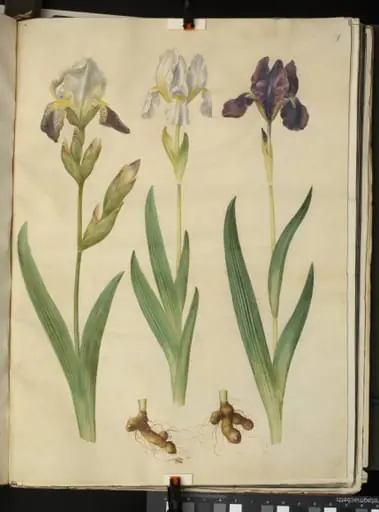 Iris ×squalens (iris-hybrid); Iris (iris)
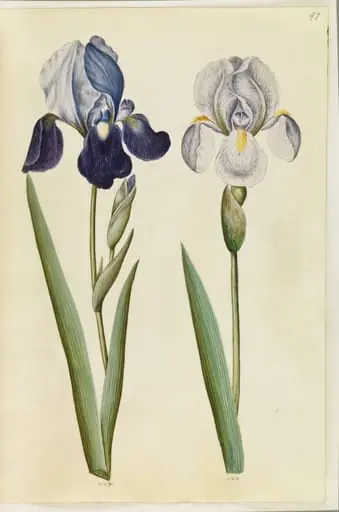 Iris ×germanica eller Iris ×sambucina (?) (have-iris eller hylde-iris); Iris ×germanica (have-iris)
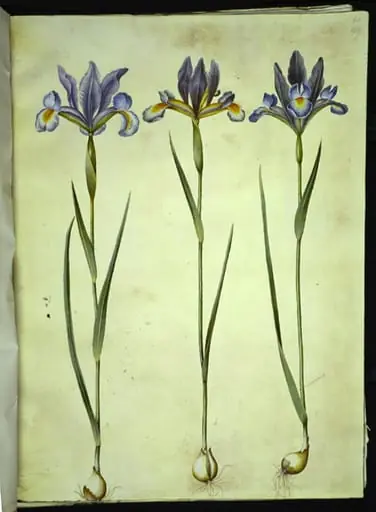 Iris xiphium (spansk iris)
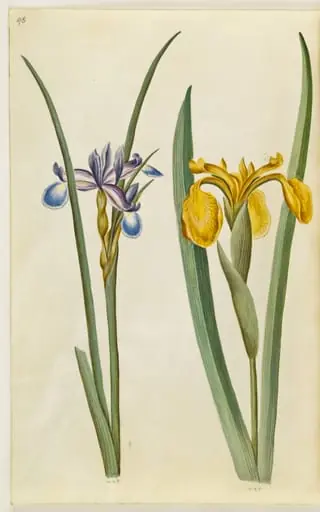 Iris graminea (græsbladet iris); Iris pseudacorus (gul iris)