Artwork
Trifolium repens (hvid-kløver); Trifolium pratense (rød-kløver); Oxalis corniculata (nedliggende surkløver); Trifolium incarnatum (blod-kløver); Oxalis acetosella (skovsyre)
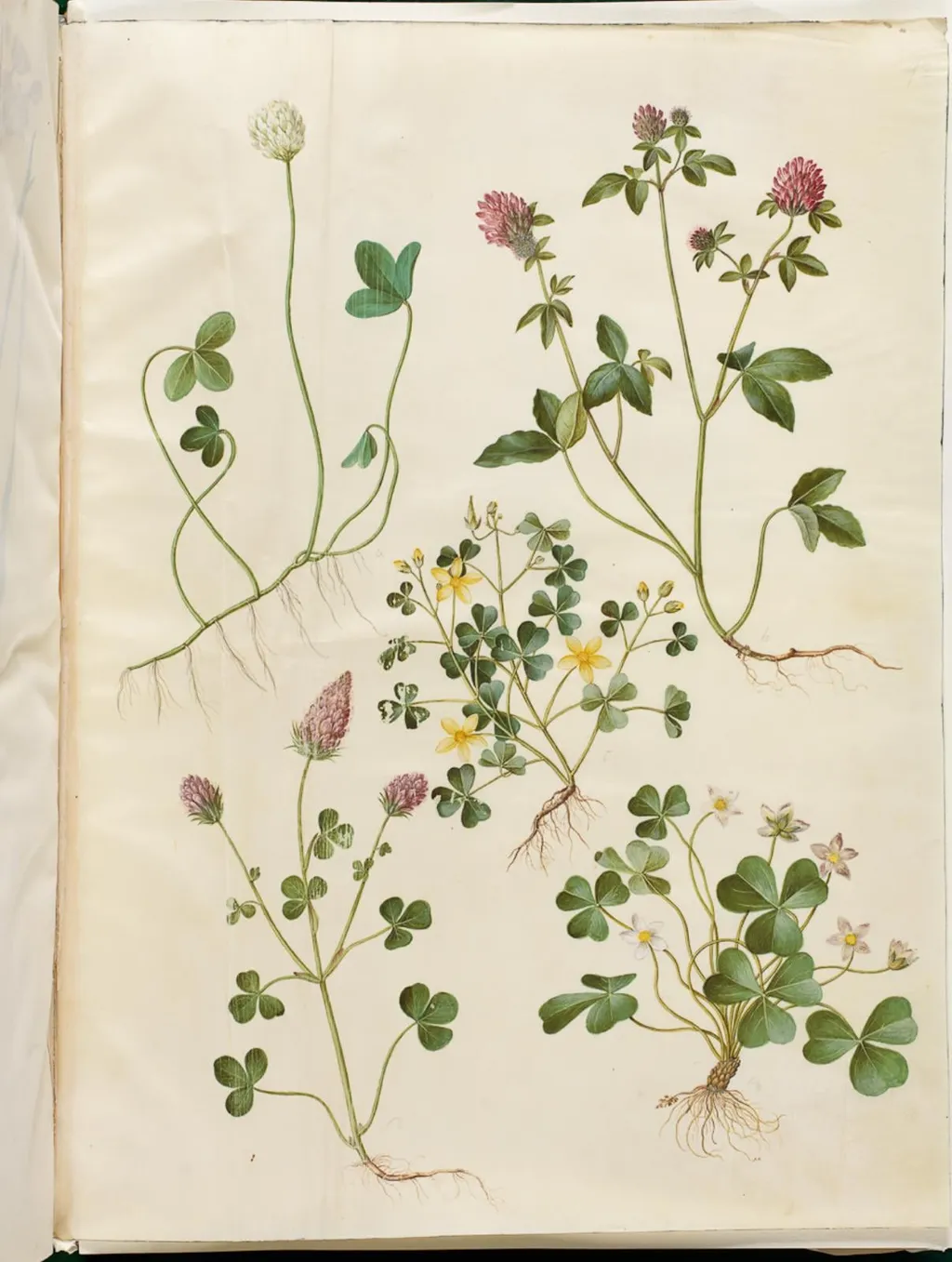
Trifolium repens (hvid-kløver); Trifolium pratense (rød-kløver); Oxalis corniculata (nedliggende surkløver); Trifolium incarnatum (blod-kløver); Oxalis acetosella (skovsyre) is an unspecified work on paper by Unknown. It dates from 1654 and is held in the collection of the Statens Museum for Kunst.
About this work
Overview
Created around 1654, this botanical illustration depicts five species—white clover, red clover, creeping sorrel, crimson clover and wood sorrel. Rendered with meticulous attention to leaf arrangement and flower form, the work functions as a visual reference for plant identification. It is part of the collection of the Museum of Ethnography.
Subject & Meaning
The image presents each plant in isolated profile, highlighting characteristic leaflets and inflorescences: the trifoliate leaves of the clovers, the low‑lying stems of the sorrels, and the distinctive petal colors ranging from white to pink and yellow. By arranging the specimens together, the illustration underscores comparative morphology useful for study and classification.
Technique & Style
Executed in a precise, linear style typical of 17th‑century botanical drawing, the artist employs fine lines to delineate leaf venation and root structures, while using subtle washes of color to differentiate flower hues. The composition balances scientific exactness with a modest decorative quality, avoiding background distraction.
History & Provenance
Attributed to the anonymous creator catalogued as 35199_person, the work dates to the mid‑17th century, a period when European naturalists increasingly commissioned detailed plant images. It entered the Museum of Ethnography’s holdings through acquisition of a historic ethnobotanical collection, though the exact path of ownership remains undocumented.
Context
The illustration reflects the era’s growing interest in medicinal and agricultural plants, especially legumes and sorrels valued for forage and herbal remedies. Such visual guides supported scholars, apothecaries, and agronomists in distinguishing species before the widespread use of printed flora.
Legacy
While not widely reproduced, the piece exemplifies early modern scientific illustration and contributes to the museum’s documentation of historical approaches to plant study. It continues to inform contemporary researchers of 17th‑century botanical knowledge and artistic conventions.
Artist & collection

 Domestic Scene
 Giacomo and Cardinal Marco, investing Andrea, Abbot of San Zeno, with his Benefice
 The Nymph of Fontainebleau
 Portrait of a Woman
 Madonna and Child with Saints in the Enclosed Garden
 Venus and Minerva
 Family Group of Four on Sofa
 Wall painting from Room H of the Villa of P. Fannius Synistor at Boscoreale
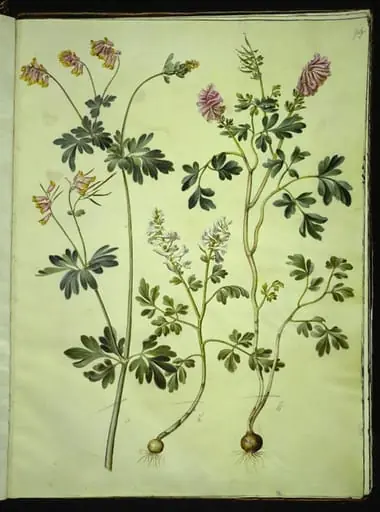 Capnoides sempervirens (harlekinurt); Corydalis solida (langstilket lærkespore)
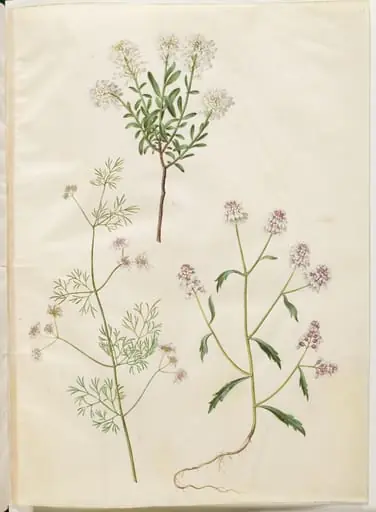 Iberis sempervirens (snepude); Coriandrum sativum (almindelig koriander); Iberis amara (bitter sløjfeblomst)
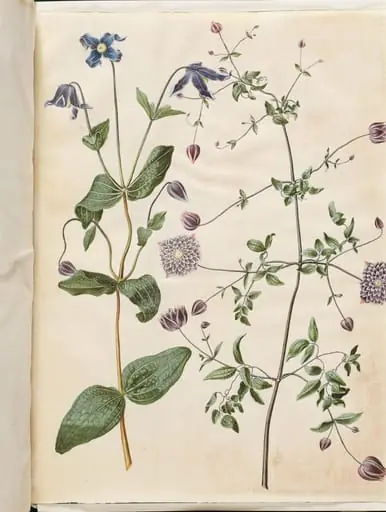 Clematis integrifolia (blå staudeklematis); Clematis viticella (italiensk skovranke)
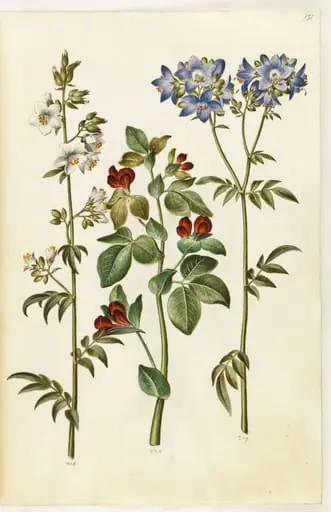 Polemonium caeruleum (almindelig jakobsstige); Lotus tetragonolobus (aspargesært)
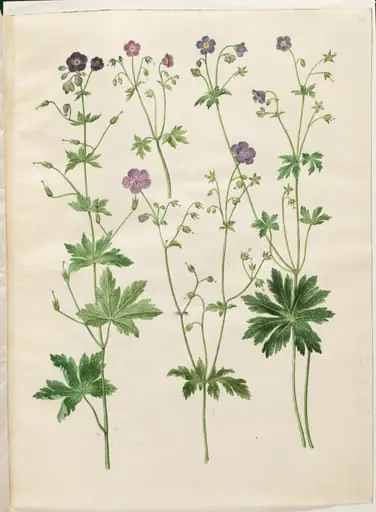 Geranium phaeum (bølgekronet storkenæb); Geranium sylvaticum (skov-storkenæb)
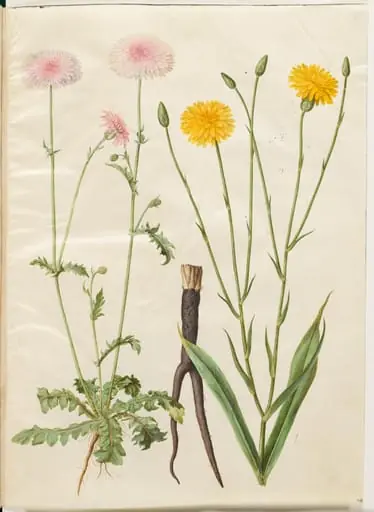 Crepis rubra (rød høgeskæg); Scorzonera hispanica (have-skorzoner)
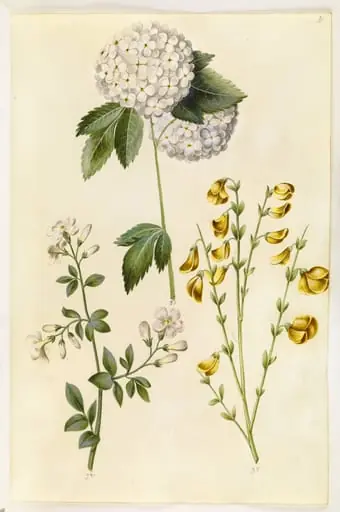 Viburnum opulus (almindelig snebolle); Jasminum officinale (læge-jasmin); Cytisus scoparius (almindelig gyvel)