Artwork
Landscape with Mules and Goats
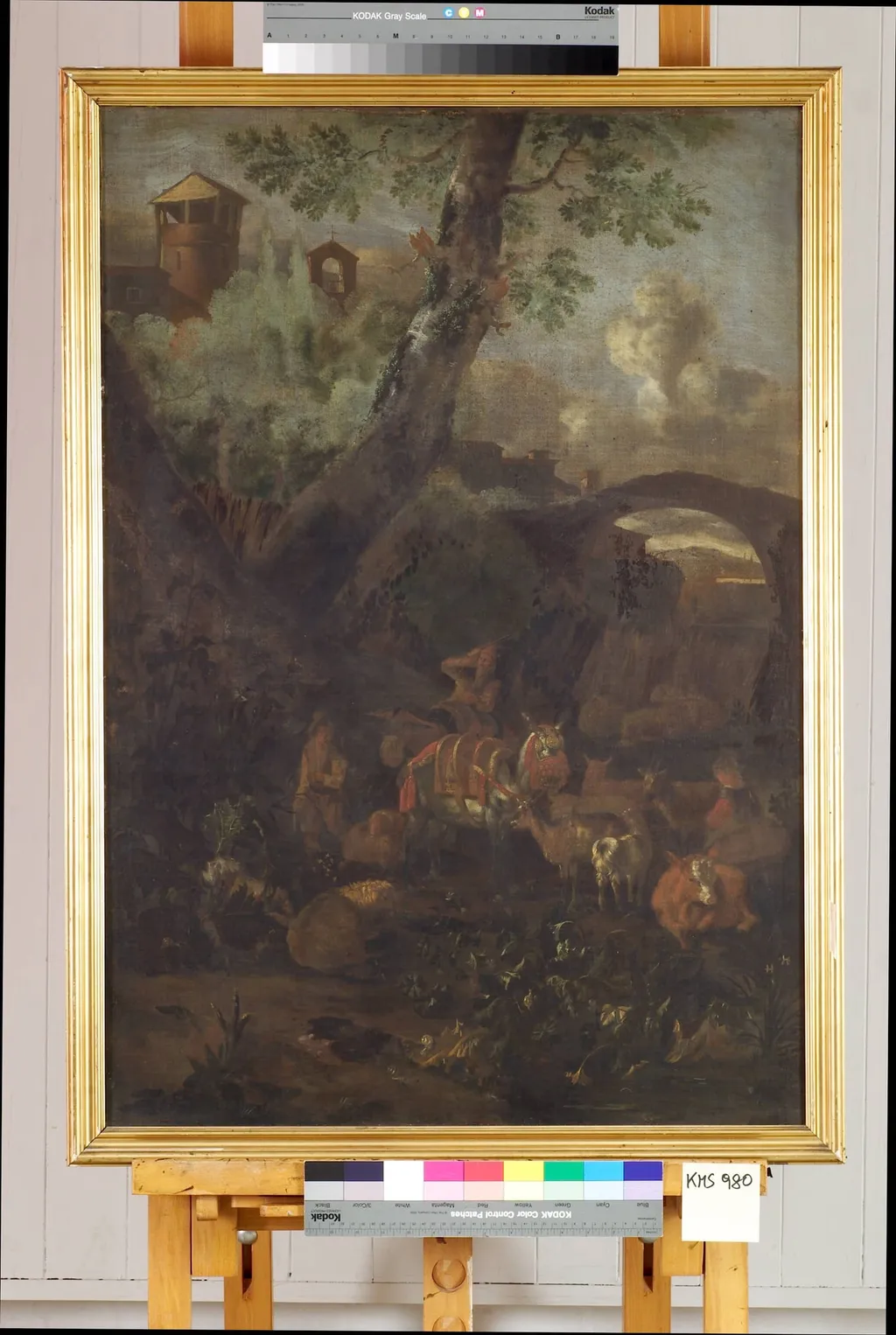
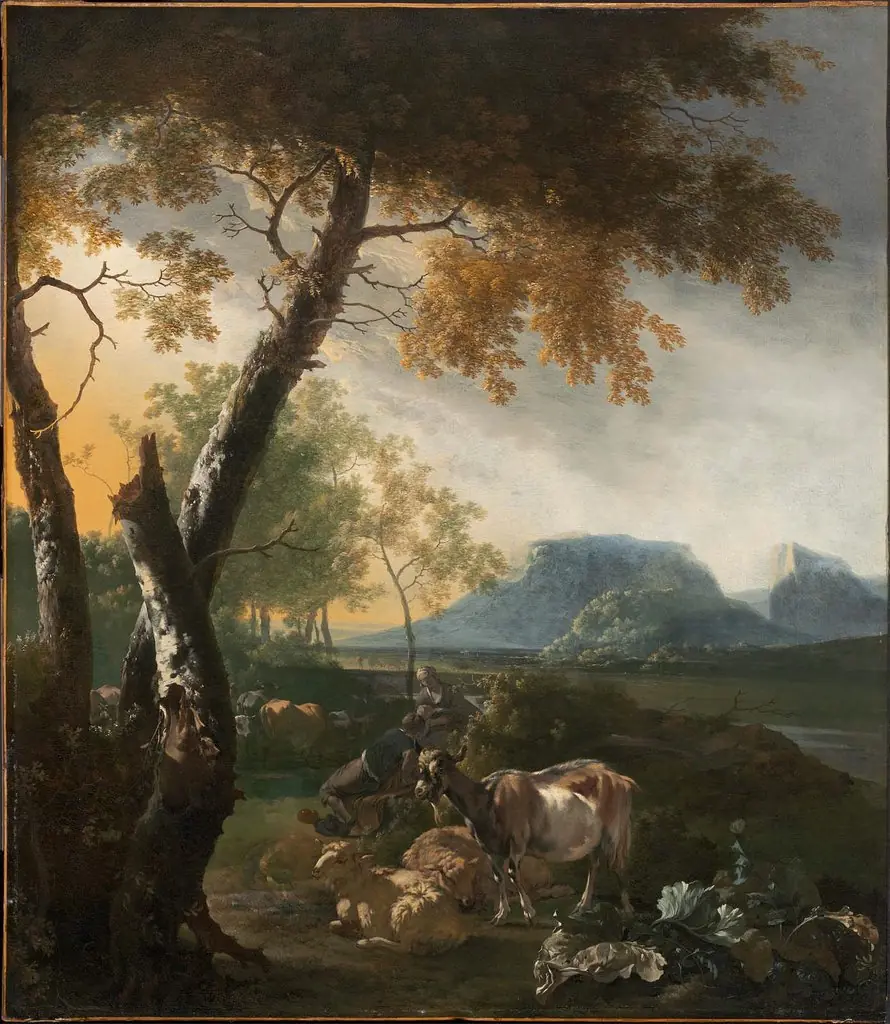
Landscape with Mules and Goats is an unspecified painting by Unknown. It dates from 1750 and is held in the collection of the Statens Museum for Kunst. Created around 1750, this landscape depicts a rugged hillside populated by mules and goats.
About this work
Overview
The work is attributed to an artist identified only as 35350_person and is currently held in the collection of the Museum of Ethnography.
Created around 1750, this landscape depicts a rugged hillside populated by mules and goats. The work is attributed to an artist identified only as 35350_person and is currently held in the collection of the Museum of Ethnography. Its composition emphasizes the quiet interaction between animals and terrain, with no human figures present. The scene conveys a sense of rural solitude through its restrained palette and deliberate pacing.
Subject & Meaning
The painting centers on domesticated animals—mules and goats—moving and resting across a barren slope. Their presence suggests pastoral life, possibly tied to regional herding practices. The weathered wooden tower in the distance hints at human infrastructure, yet remains passive and integrated into the land. The absence of people shifts focus to the animals’ autonomy, implying a quiet dignity in their daily existence within the landscape.
Technique & Style
The artist employs thick, textured brushwork, particularly on the animals, using impasto to convey fur and muscle under natural light. Earth tones dominate—olive greens, ochres, and slate blues—while small accents of red and gold on the goats’ harnesses introduce subtle contrast. The tower is rendered with softer edges, blending into the hillside, reinforcing the harmony between built and natural elements. The brushwork feels observational, not idealized.
History & Provenance
The painting entered the Museum of Ethnography’s collection without documented prior ownership history. Its attribution to 35350_person is based on stylistic analysis and archival fragments, though no definitive records of its creation or early ownership survive. It has remained in the museum’s care since at least the early 20th century, with no evidence of public exhibition prior to that period.
Context
Made during the mid-18th century, the work reflects a regional tradition of depicting rural labor and animal husbandry, common in areas where pastoral economies persisted. Unlike grand landscapes of the era, it avoids romanticism or dramatic scale. Instead, it offers a grounded, unembellished view of everyday life, aligning with emerging interest in ordinary subjects among certain regional artists.
Legacy
The painting contributes to a lesser-known strand of 18th-century European art that prioritizes quiet observation over narrative or spectacle. While not widely reproduced or studied, it remains a significant example of how non-elite subjects were rendered with technical care. Its preservation in an ethnographic museum underscores its value as a record of material and animal life in a specific cultural setting.
Artist & collection

 Domestic Scene
 Giacomo and Cardinal Marco, investing Andrea, Abbot of San Zeno, with his Benefice
 The Nymph of Fontainebleau
 Portrait of a Woman
 Madonna and Child with Saints in the Enclosed Garden
 Venus and Minerva
 Family Group of Four on Sofa
 Wall painting from Room H of the Villa of P. Fannius Synistor at Boscoreale
 Southern Landscape with Herdsmen
 Landscape with a view of a port city
 Peisaj cu copaci și ruine antice ; pandant: Peisaj cu copaci și pod
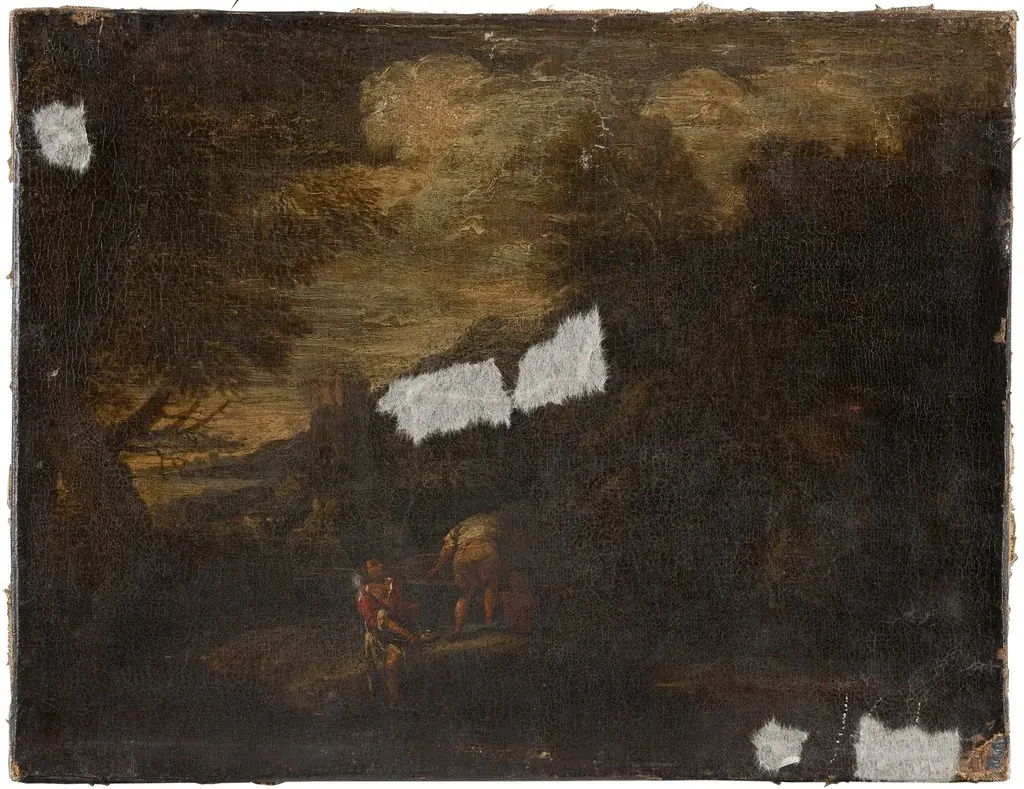 Landscape with a Ruin
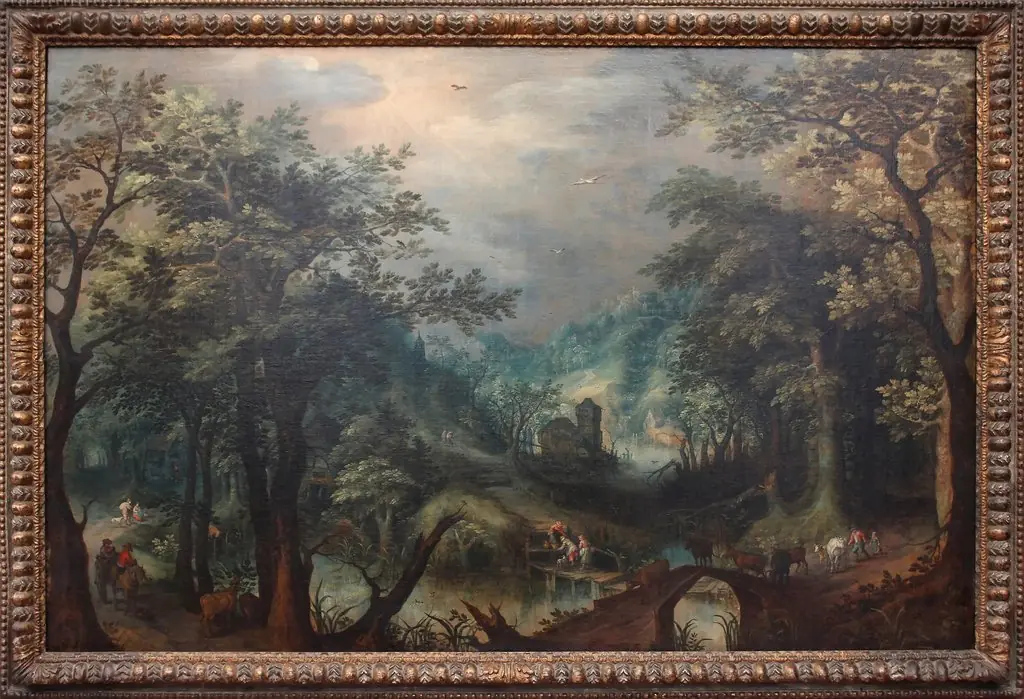 Wooded landscape with a river and cows on a bridge
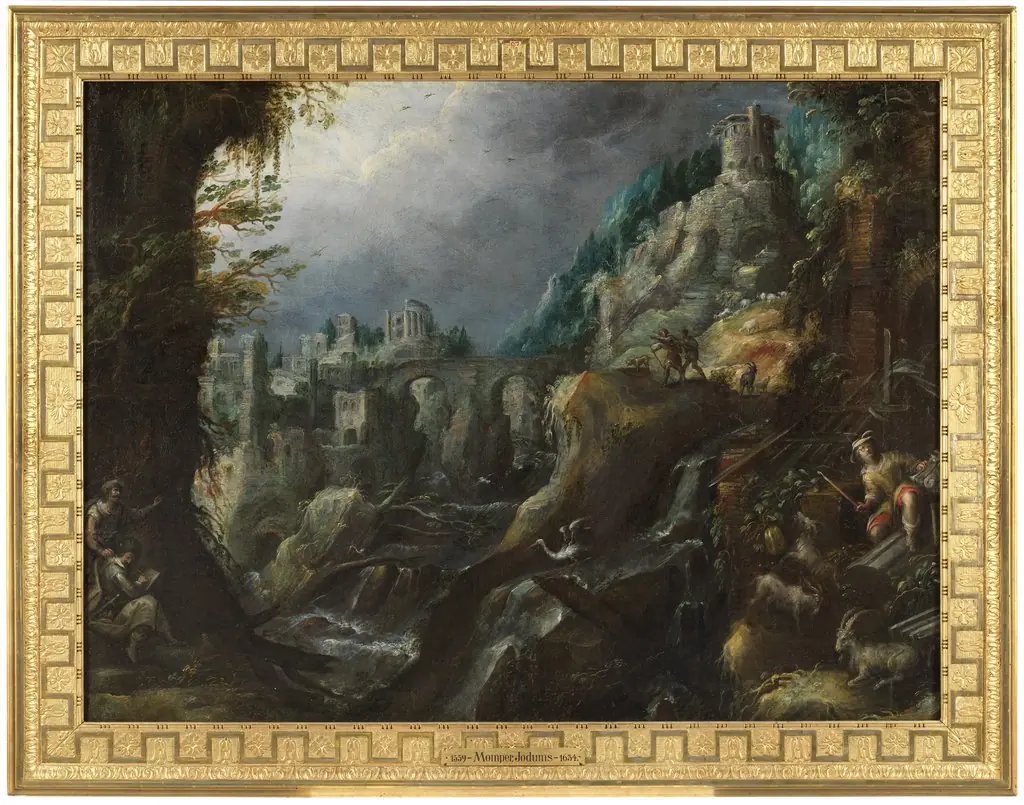 Berglandskap med forsande flod, klassiska ruiner och herdar
 Peisaj de munte cu castel
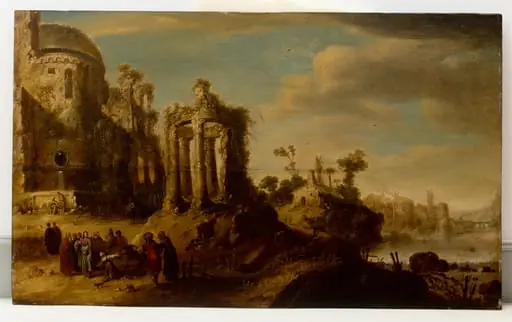 Ruinenlandschaft mit Christus und dem kanaanäischen Weib
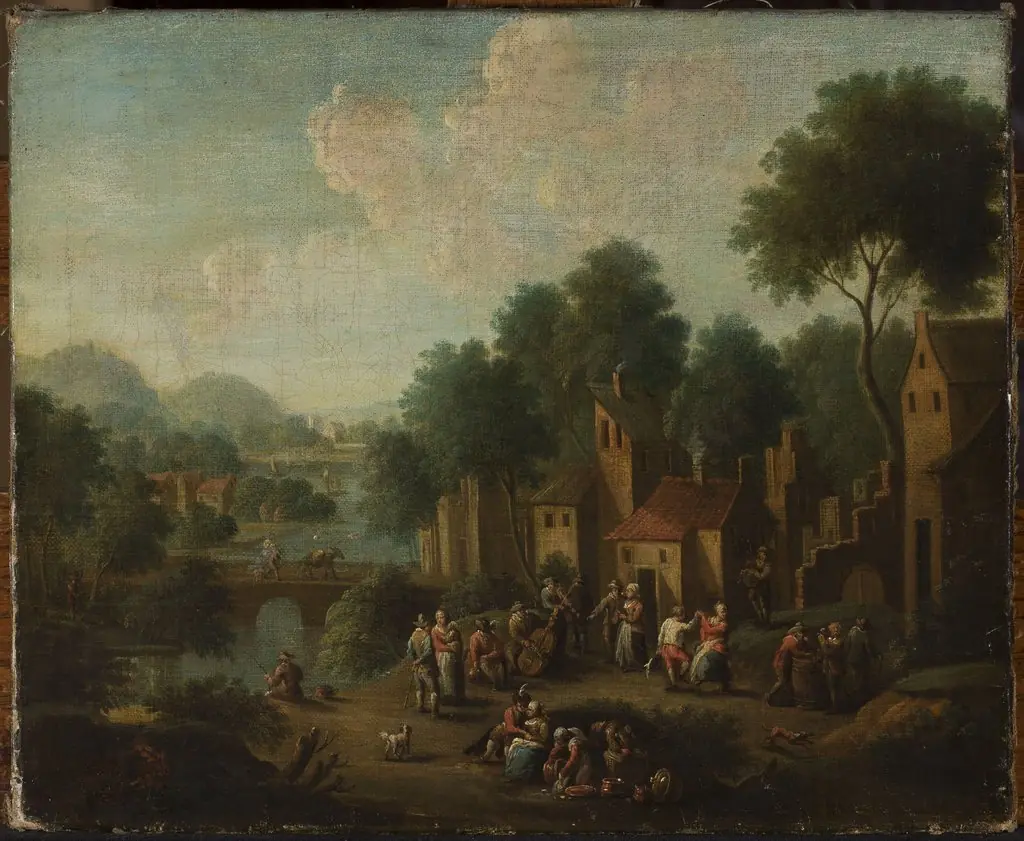 Landscape with peasants at play
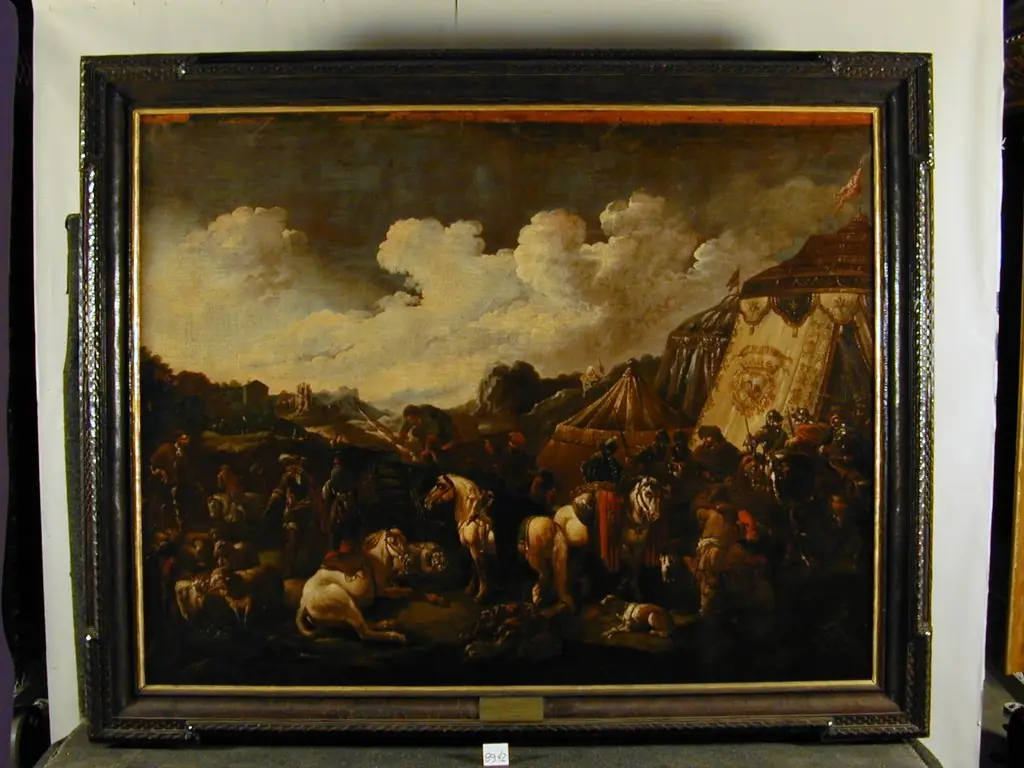 A Military Encampment
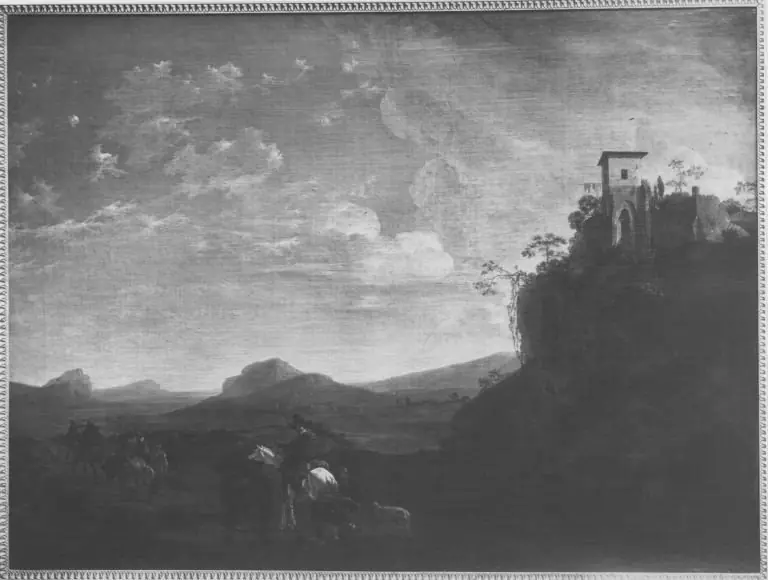 Italianate Landscape
 Landscape with Goats