Artwork
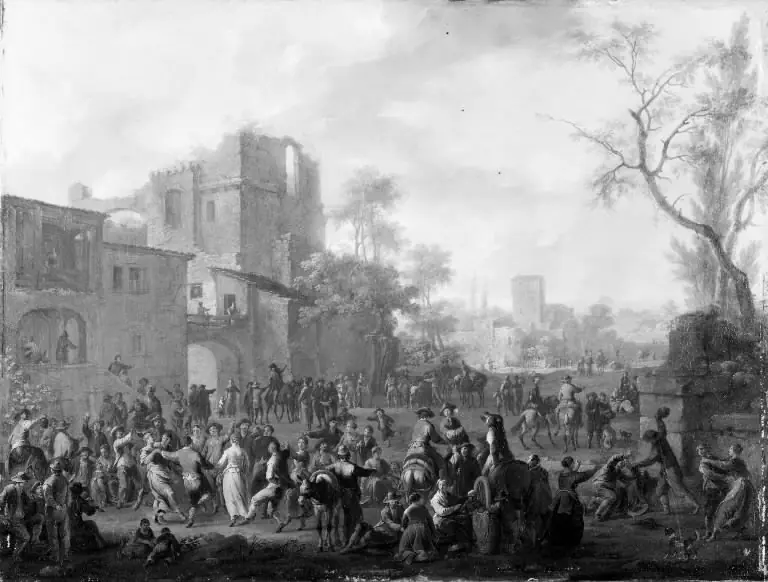
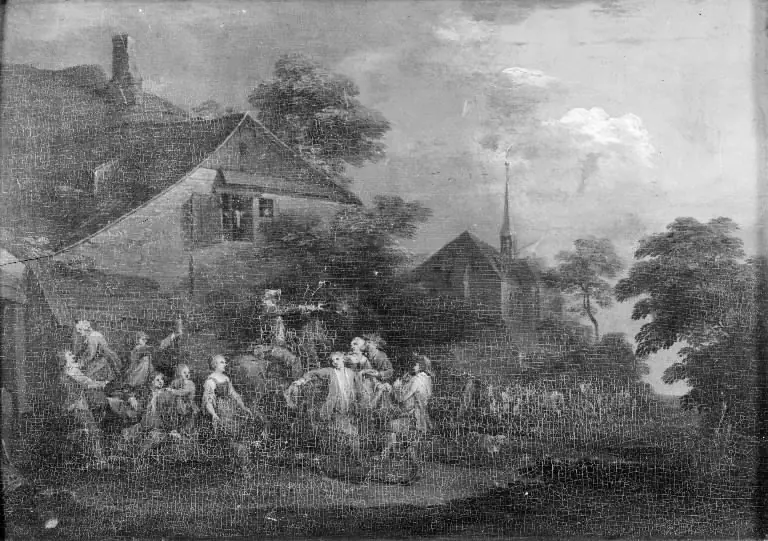
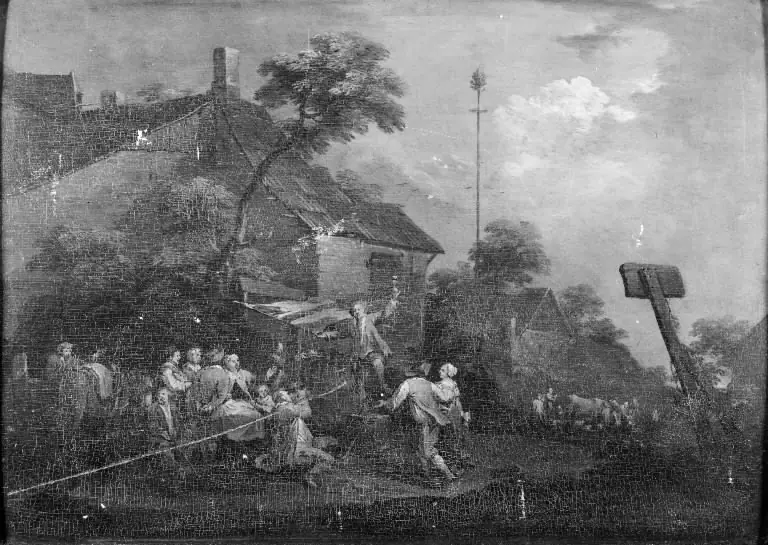
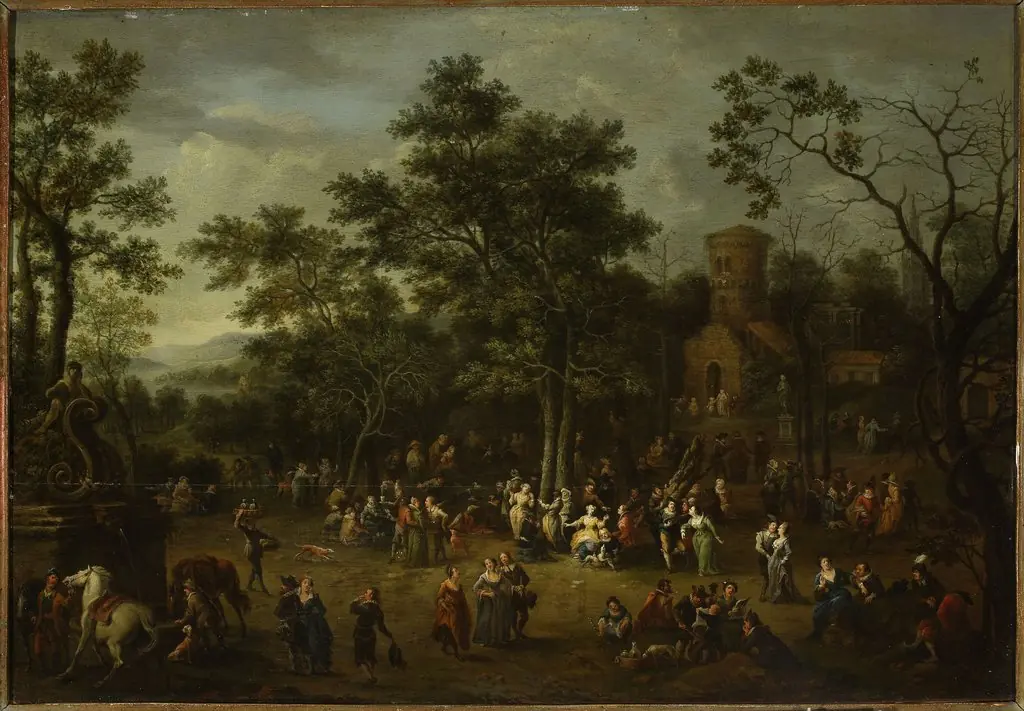
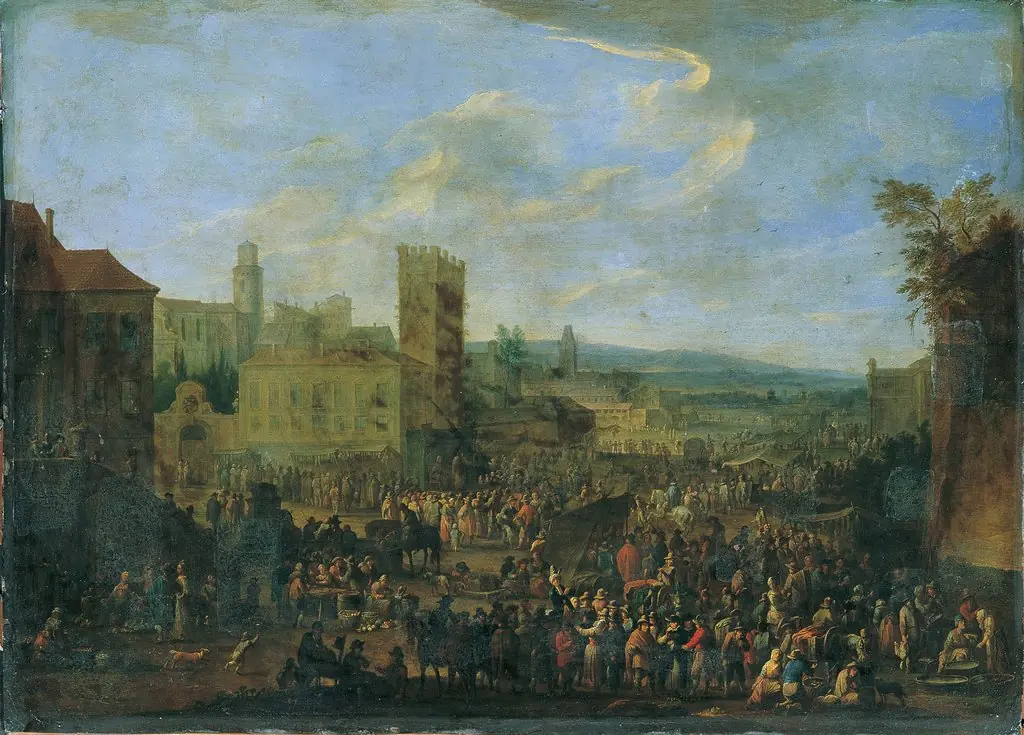
Landscape with peasants at play
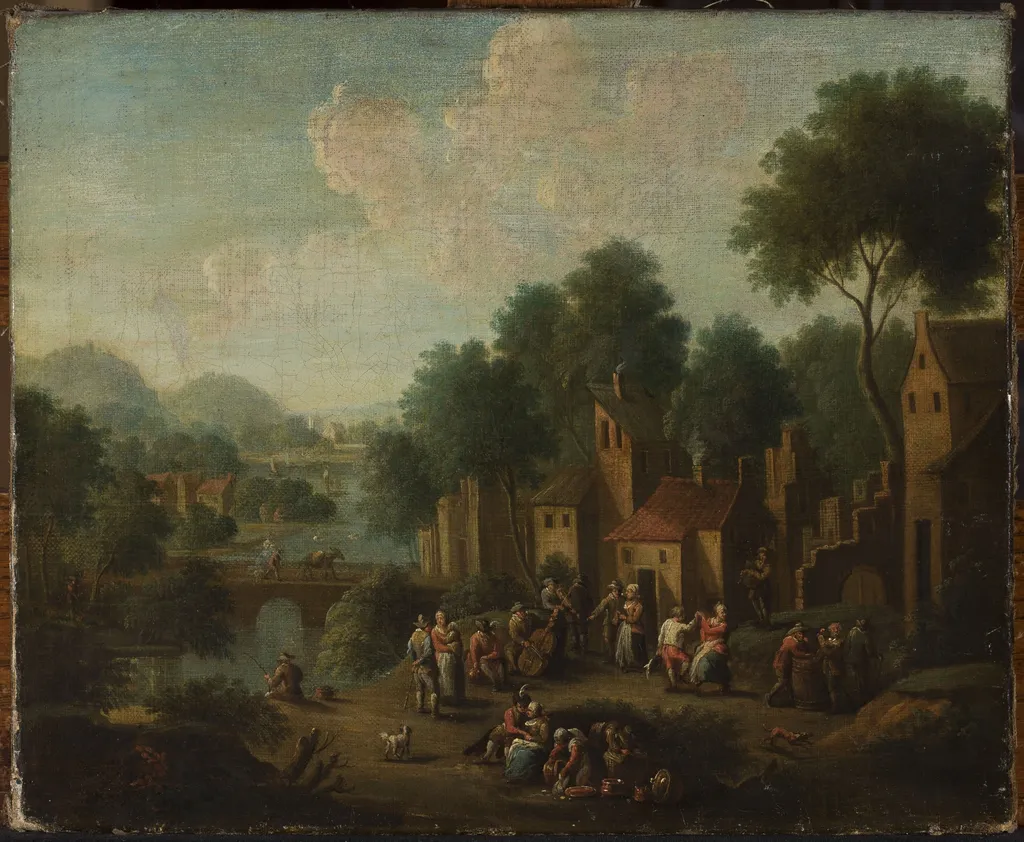
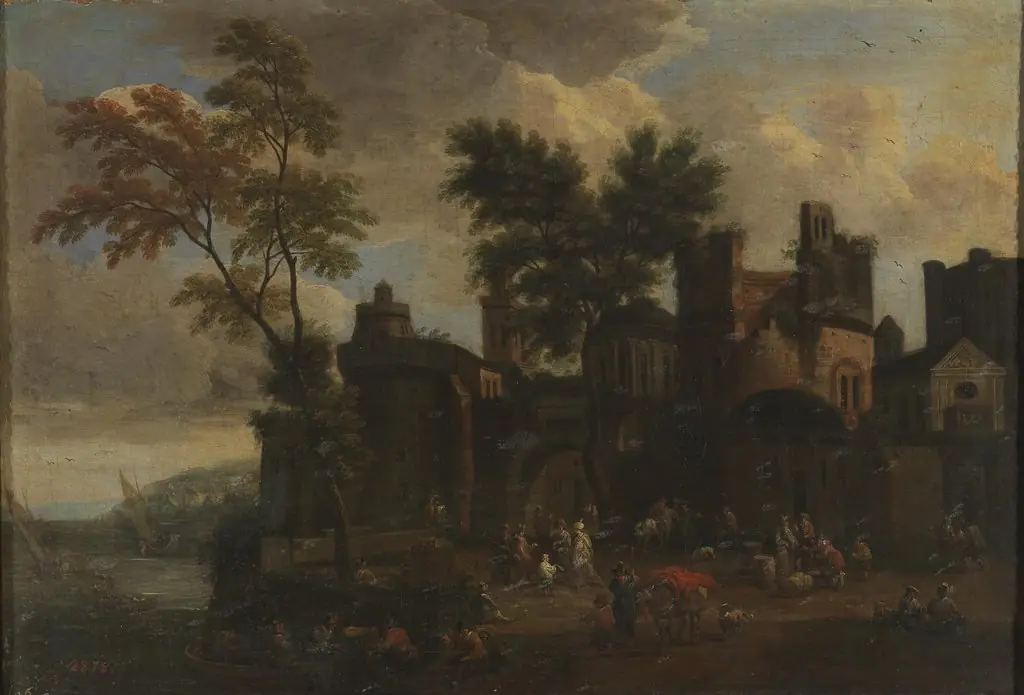
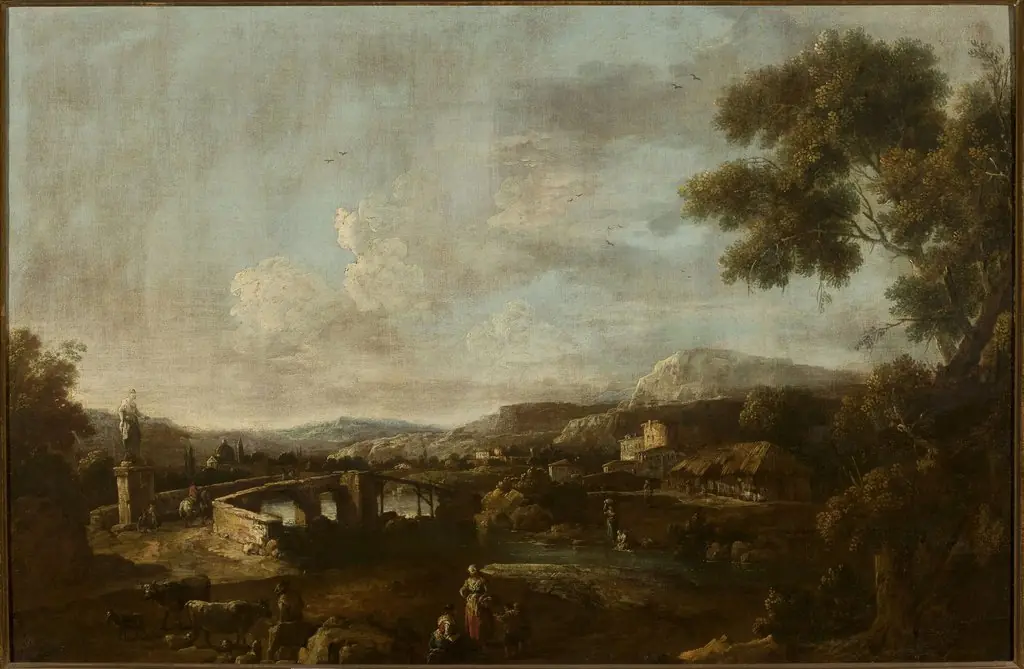
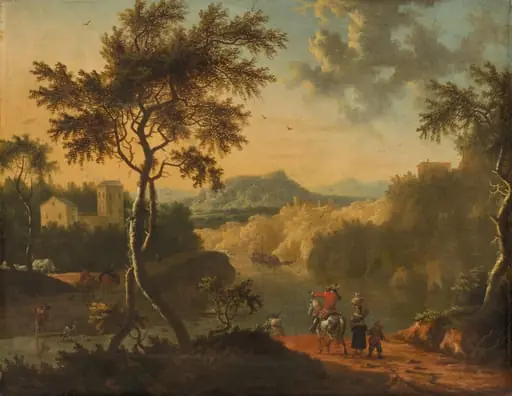
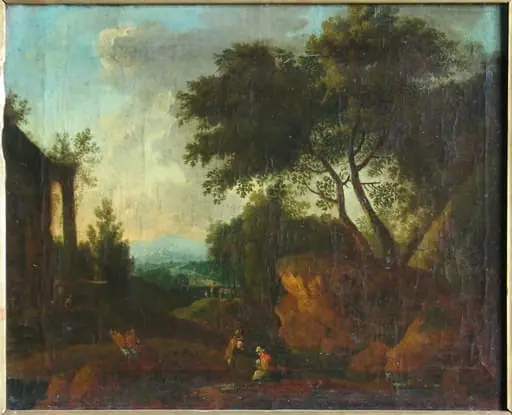
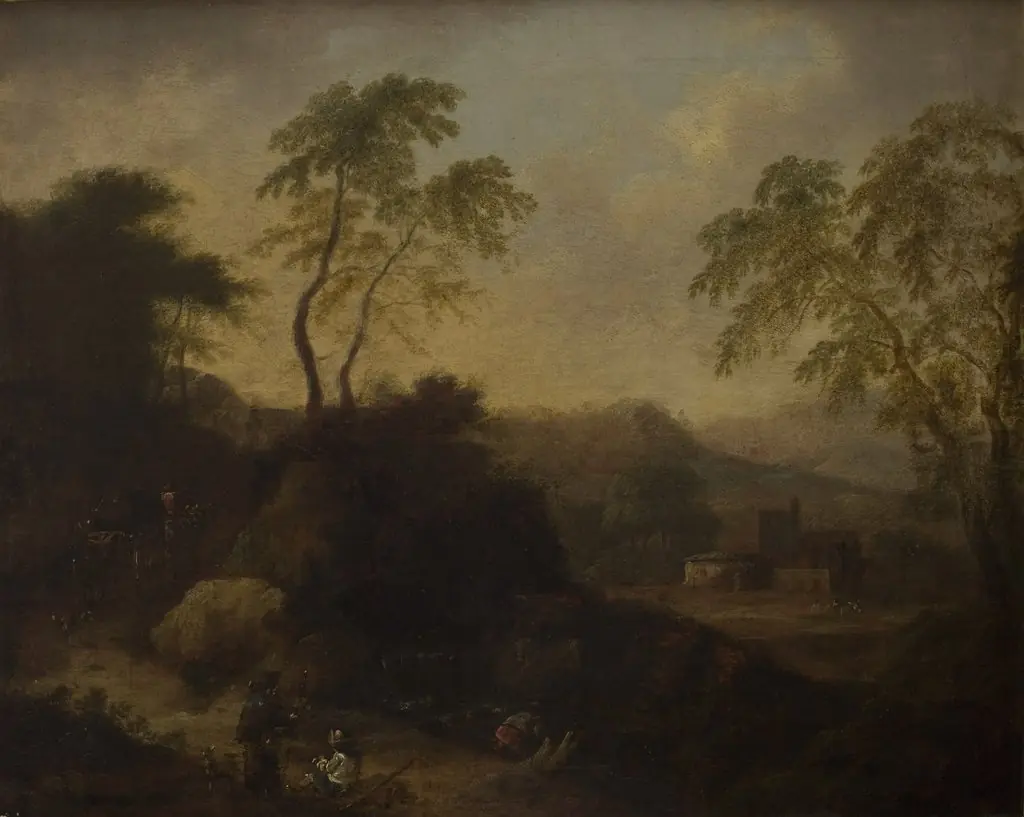
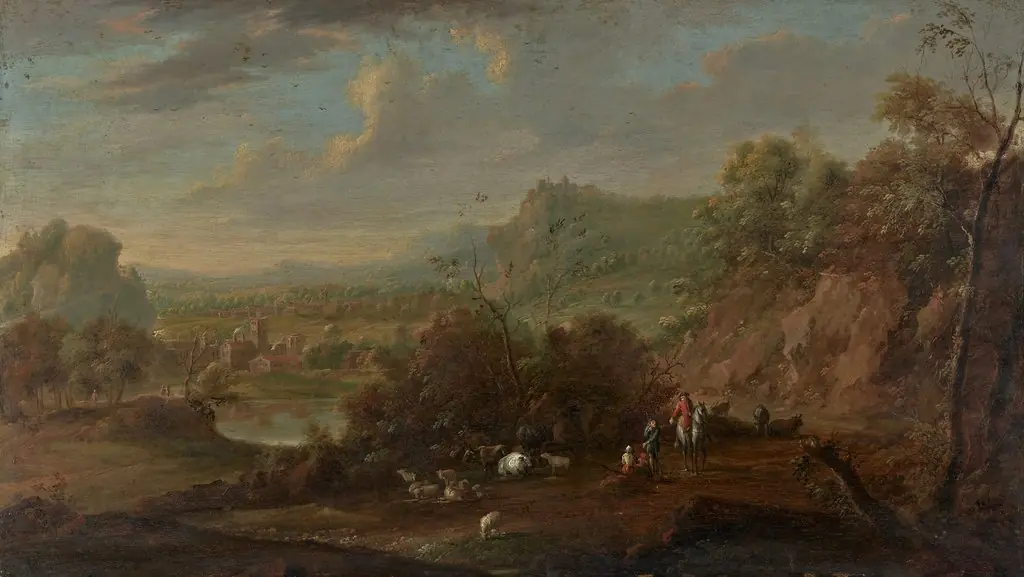
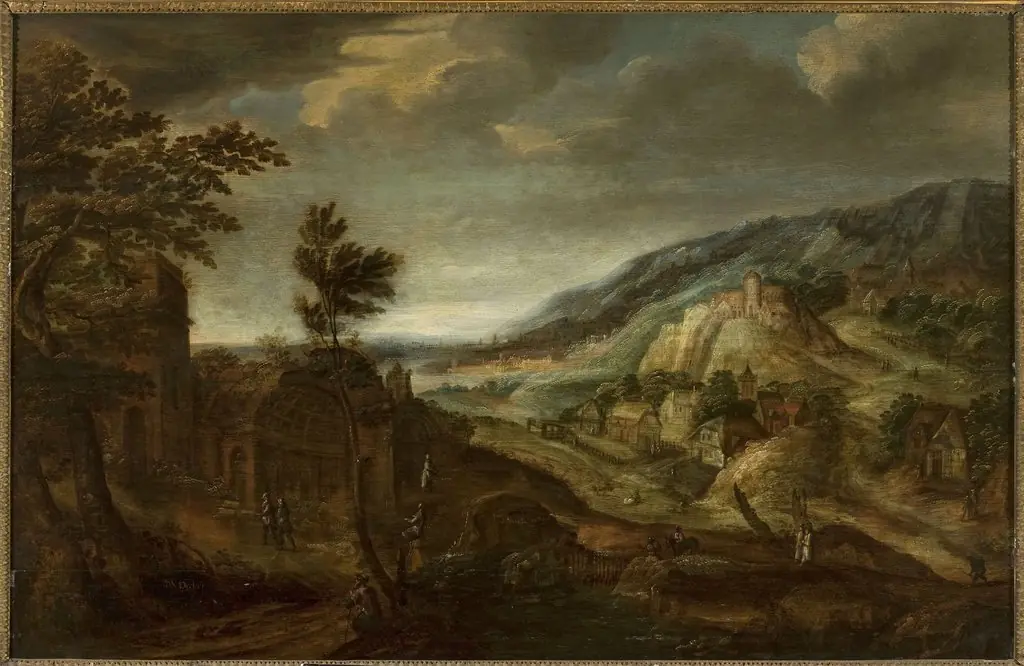
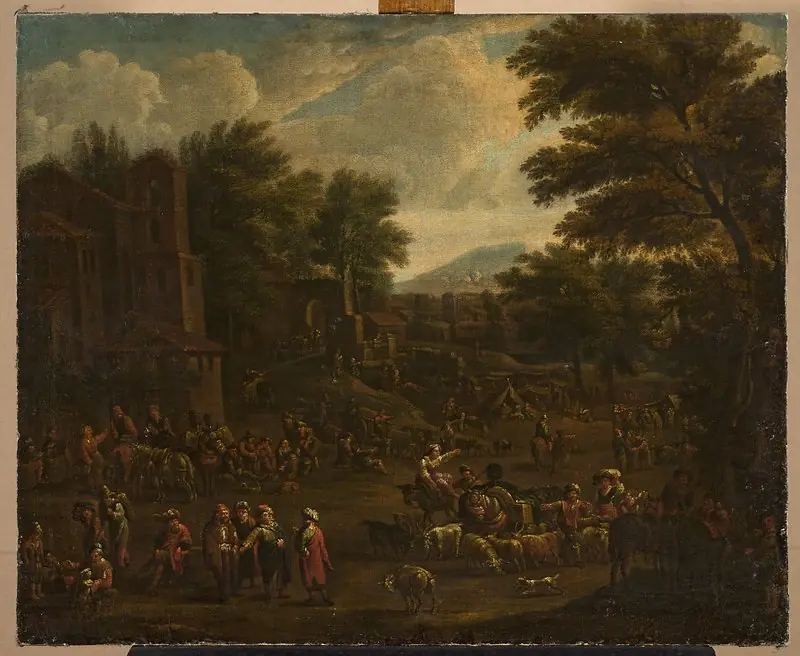
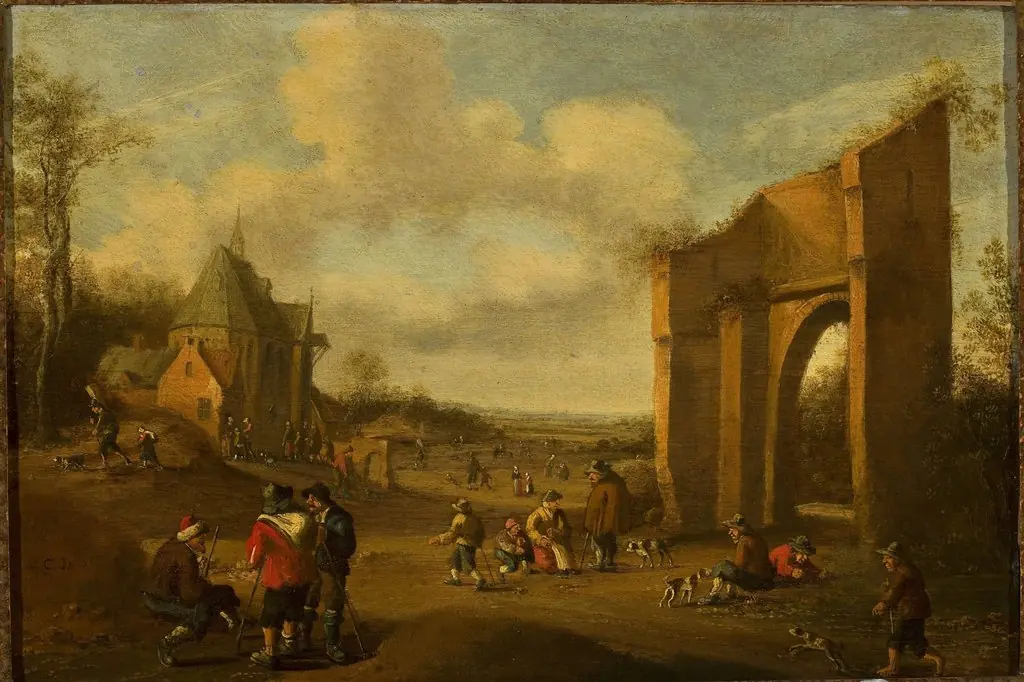
Landscape with peasants at play is an oil painting by Franz de Paula Ferg. It dates from 1724 and is held in the collection of the National Museum in Warsaw.
About this work
Overview
Painted around 1724 by Austrian artist Franz de Paula Ferg, this oil-on-canvas work captures a rural scene of villagers engaged in informal recreation.
Painted around 1724 by Austrian artist Franz de Paula Ferg, this oil-on-canvas work captures a rural scene of villagers engaged in informal recreation. Ferg, known for his focus on everyday life, rendered the moment with attention to naturalistic detail and atmospheric depth. The painting resides in the National Museum in Warsaw, where it exemplifies his commitment to genre subjects over grand historical or religious themes.
Subject & Meaning
The scene depicts peasants in a moment of communal leisure—dancing, playing instruments, and conversing near a modest structure. No narrative or moralizing tone is present; instead, the painting affirms the dignity of ordinary rural life. The absence of idealization suggests an observational approach, valuing authenticity over embellishment, and reflects a growing 18th-century interest in the lives of common people.
Technique & Style
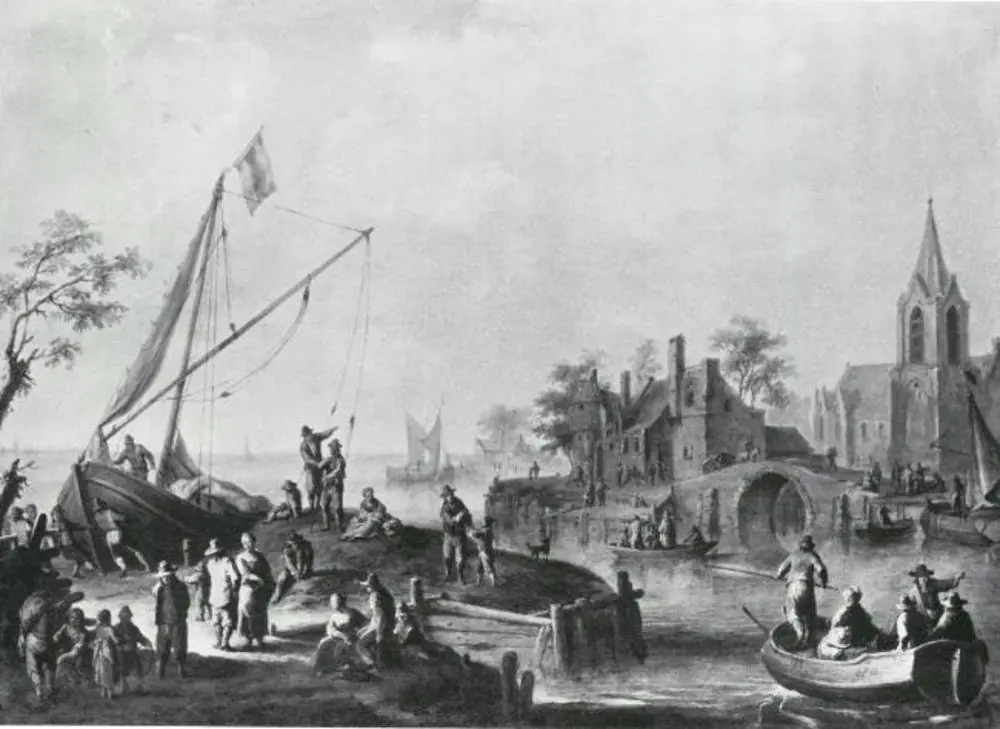
Ferg employed oil paint to build subtle tonal contrasts and soft transitions between light and shadow, enhancing the sense of depth and movement. Figures are rendered with loose, expressive brushwork, conveying motion without excessive detail. The composition directs the eye from foreground activity toward a distant bridge and water, creating spatial rhythm. While not overtly dramatic, the handling of light suggests an awareness of chiaroscuro principles.
History & Provenance
The painting entered the collection of the National Museum in Warsaw at an unknown date, likely during the 19th or early 20th century as part of broader efforts to acquire Central European genre works. Its attribution to Ferg is consistent with his known oeuvre and stylistic traits. No significant alterations or restorations are documented, preserving its original character and surface quality.
Context
Created during the early 18th century, the painting aligns with a regional trend in Central Europe where artists turned from religious iconography toward scenes of peasant life. Ferg’s work reflects influences from Dutch and Flemish genre painting, adapted to local landscapes and customs. This shift mirrored broader cultural interests in realism and the moral value of humble existence.
Legacy
Though not widely exhibited beyond regional collections, the painting remains a representative example of Austrian genre painting from the Baroque period. It contributes to the understanding of how everyday life was visually recorded before the rise of 19th-century realism. Ferg’s quiet, unembellished approach influenced later artists interested in authentic depictions of rural communities.
Own this work as a print
Artist & collection
Artist
Franz de Paula Ferg (2 May 1689 – 1740), also known as Francis Paul Ferg, was an Austrian painter, draughtsman, and printmaker. He painted primarily scenes of daily life, such as people interacting in markets and villages.